For pet owners, keeping floors clean is a constant battle. Whether it’s dog hair drifting across hardwood, cat litter scattered near the box, or muddy paw prints after a rainstorm, messes appear faster than they can be cleaned. Traditional vacuuming often feels like a chore that never ends—especially when shedding seasons hit or puppies are learning house rules. Enter robot vacuums with self-emptying bins: a premium solution promising to reduce effort while maintaining cleaner homes. But at price points often exceeding $600, many pet owners wonder—is this upgrade truly worth the splurge?
The answer isn’t a simple yes or no. It depends on your lifestyle, pet behavior, home layout, and how much time you’re willing to invest in maintenance. However, for most households with multiple pets or heavy shedding animals, a robot vacuum with an auto-empty base delivers tangible long-term value far beyond convenience—it becomes a hygiene investment.
Why Pet Owners Face Unique Cleaning Challenges
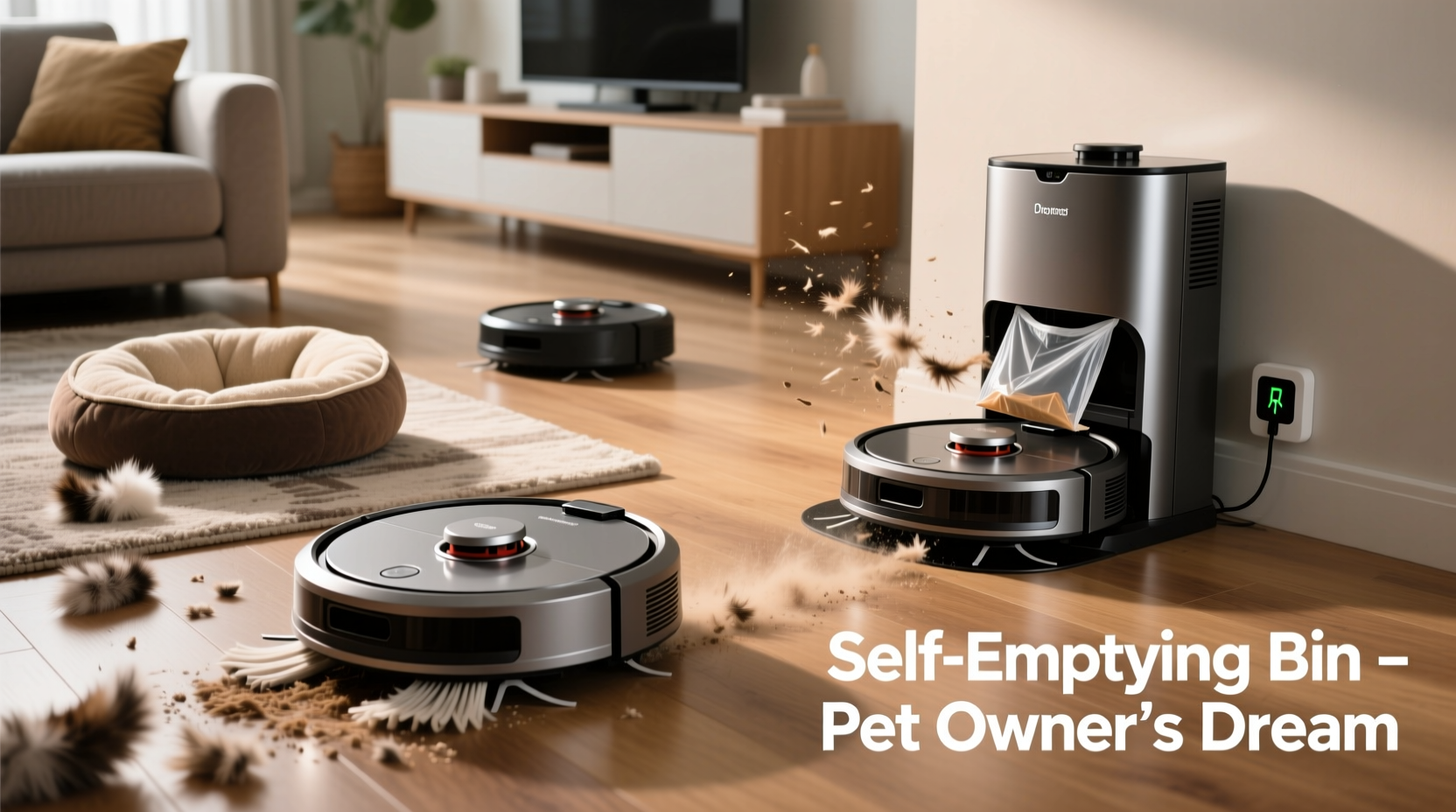
Pets enrich our lives but come with inevitable messes. Dogs shed year-round, with peak shedding in spring and fall. Cats groom themselves constantly, leaving clumps of fur on furniture and floors. Small pets like rabbits or guinea pigs track bedding material. And let’s not forget accidents, tracked-in dirt, or playful bursts of energy that scatter toys and kibble alike.
Traditional cleaning routines struggle to keep pace. Sweeping misses embedded hair; standard vacuums require physical effort and frequent bag or bin changes. For busy pet owners—especially those working from home, managing young children, or dealing with mobility issues—the burden adds up quickly.
According to Dr. Laura Hemming, a veterinary behaviorist and pet wellness consultant:
“Clean environments contribute directly to pet health. Dust, dander, and tracked allergens can exacerbate respiratory conditions in both pets and humans. Automated cleaning tools that run frequently help maintain baseline hygiene without relying on inconsistent manual efforts.” — Dr. Laura Hemming, DVM
This is where smart home technology steps in—not as a luxury gimmick, but as a practical response to real household demands.
How Self-Emptying Robot Vacuums Work
A self-emptying robot vacuum operates similarly to a standard robotic model: it navigates your home using sensors and mapping technology, suctioning debris as it goes. The key difference lies in its docking station.
After each cleaning cycle, the robot returns to its base. Instead of requiring you to manually remove and empty the dustbin, the dock uses powerful suction to transfer all collected debris—from pet hair and dust bunnies to food crumbs and litter—into a sealed, high-capacity disposal bag inside the base. This bag typically holds enough waste to last 30 to 60 days before needing replacement, depending on usage frequency and mess levels.
The process is nearly silent, fully automated, and drastically reduces human contact with allergens and odors. Most systems use HEPA filtration in both the robot and the base, capturing 99.97% of particles as small as 0.3 microns—critical for allergy sufferers or homes with asthmatic pets.
Tip: Place the charging base in a central, open area away from clutter. Avoid corners or tight spaces so the robot can dock reliably after every run.Key Benefits for Pet Owners
While all homeowners benefit from reduced cleaning labor, pet owners gain several specific advantages from self-emptying models.
- Daily maintenance without daily effort: Set schedules to clean twice daily—even while you're at work or sleeping. Hair and dander don’t accumulate overnight.
- Allergen reduction: Continuous removal of pet dander, pollen, and dust improves indoor air quality, especially important for households with allergies.
- Odor control: Sealed disposal bags lock in smells from tracked-in waste, spilled food, or litter boxes, preventing lingering odors.
- Less direct contact with mess: Ideal for people who dislike handling dirty bins or have sensitivities to pet allergens.
- Consistency during high-shedding periods: During seasonal molts, these robots handle volume that would otherwise require vacuuming two or three times per week.
In multi-pet homes, consistency matters more than intensity. A robot that cleans lightly every day does more to preserve floor quality and air cleanliness than one deep-cleaning once a week.
Real Example: Life With Two Dogs and a Cat
Sarah Thompson, a remote worker in Portland, shares her experience: “I have a husky, a golden retriever, and a long-haired domestic shorthair cat. Every spring, my living room looks like a wool factory exploded. I used to vacuum three times a week, but I’d often skip because it was exhausting. After getting a self-emptying robot, I scheduled it to run every morning and evening. Within two weeks, my allergy symptoms improved, and I stopped finding tumbleweeds of fur behind the couch. The best part? I haven’t touched the dustbin in over a month. The auto-empty base just handles it.”
Her unit has been running six months with only one filter wash and two disposal bag replacements—minimal upkeep for maximum cleanliness.
Cost Analysis: Splurge or Smart Investment?
Self-emptying robot vacuums typically range from $600 to $1,000+, compared to $250–$400 for basic robot models. Additionally, replacement disposal bags cost $20–$40 for a pack of three to six, lasting 2–3 months in average homes.
To evaluate whether it’s worth the cost, consider the following factors:
| Factor | Standard Robot Vacuum | Self-Emptying Model |
|---|---|---|
| Upfront Cost | $250–$400 | $600–$1,000+ |
| Bin Emptying Frequency | Daily or every other day | Every 30–60 days |
| Maintenance Effort | High (frequent interaction) | Low (monthly checks) |
| Lifespan (with care) | 3–5 years | 4–6 years |
| Disposal Bag Cost (annual estimate) | N/A | $120–$200 |
| Ideal For | Occasional pet owners, low-shed homes | Families with multiple pets, allergy sufferers, busy professionals |
When viewed over a five-year period, the total cost of ownership—including replacement parts, electricity, and time spent maintaining the device—narrows significantly between models. What sets self-emptying units apart is not just performance, but sustainability of use. Many users abandon standard robot vacuums because emptying the bin becomes tedious. Auto-empty models eliminate this friction point, increasing long-term adherence.
Tip: Look for models with reusable disposal bags or third-party compatible options to reduce ongoing costs and environmental impact.Choosing the Right Model: What Pet Owners Should Prioritize
Not all self-emptying vacuums are created equal. When shopping, focus on features that directly address pet-related challenges.
- Suction Power (2000Pa+): Higher suction ensures effective pickup of embedded pet hair on carpets and rugs. Look for dynamic power adjustment that boosts suction on deeper messes.
- Tangle-Free Brush Rolls: Rubberized or dual-bristle brushes resist hair wrap, reducing maintenance. Brands like iRobot’s Clean Base models and Roborock’s anti-tangle designs excel here.
- Advanced Navigation & Mapping: Multi-floor mapping helps if pets create different mess patterns upstairs vs. downstairs. Recharge-and-resume functionality prevents incomplete jobs.
- App Scheduling & Zone Control: Schedule cleanings around pet feeding or playtimes. Use virtual boundaries to block off litter boxes or pet beds.
- HEPA Filtration: Essential for trapping fine dander and allergens. Ensure both the robot and the base include true HEPA filters.
- Large Capacity Dust Bags: Some bases hold up to 60 days of debris. More capacity means fewer bag changes and better odor containment.
Top performers in the pet owner category include the iRobot Roomba j7+, Roborock S8 Pro Ultra, and Ecovacs Deebot N10 Omni. Each combines strong suction, intelligent obstacle avoidance (like avoiding pet waste), and reliable auto-empty docks.
Step-by-Step Guide to Getting Started
Transitioning to a self-emptying robot vacuum involves setup, optimization, and routine monitoring. Follow this timeline for best results:
- Week 1 – Unbox and Map: Charge the robot, place the dock in a central location, and run the first full-home scan. Let it learn your floor plan.
- Week 2 – Test and Adjust: Run short daily cycles. Observe navigation around pet zones. Set no-go zones via the app to protect litter areas or water bowls.
- Week 3 – Optimize Schedule: Program cleanings for early morning and late afternoon—peak times for pet activity and shedding.
- Month 2+ – Maintenance Routine: Check side brushes monthly, clean the main brush every two weeks, and wipe sensors weekly. Replace filters every 6 months.
- Ongoing – Monitor Disposal Bag: Most apps notify you when the bag is full. Keep spares on hand to avoid interruptions.
With proper setup, these devices operate seamlessly in the background, becoming an invisible part of household hygiene.
Common Misconceptions Debunked
Despite growing popularity, some myths persist about self-emptying robot vacuums:
- “They’re too expensive to justify.” While upfront cost is higher, consider the cumulative hours saved and potential health benefits. For many, it pays for itself in time and comfort.
- “They can’t handle large messes.” Modern models detect heavier debris and increase suction automatically. They won’t replace spot-cleaning accidents, but they prevent daily buildup.
- “The bags create waste.” Yes, disposable bags contribute to landfill—but so do paper vacuum bags and plastic trash liners. Some brands now offer recyclable or compostable bag options.
- “Pets are scared of them.” Most animals adapt within days. Start with shorter runs and let pets observe from a distance. Many end up napping near the quiet hum of the robot.
Frequently Asked Questions
Can robot vacuums pick up wet messes or vomit?
No. Even self-emptying models are designed only for dry debris. Liquid can damage motors and sensors. Always clean wet spills manually before resuming robot operation.
Do they really avoid pet poop?
Newer AI-powered models like the Roomba j7+ use camera-based object recognition to identify and steer clear of pet waste. Older or budget models may not have this feature and could spread messes.
How often do I need to replace the disposal bag?
Depends on pet count and shedding level. In single-pet homes, bags last 60 days. In multi-pet or heavy-shedding households, expect to change them every 30–45 days.
Final Verdict: Is It Worth the Splurge?
For pet owners seeking a cleaner, healthier, and less labor-intensive home, robot vacuums with self-emptying bins are not merely a luxury—they are a strategic upgrade. The initial investment is offset by consistent performance, reduced allergens, and long-term time savings. Unlike gadgets that gather dust, these systems deliver measurable improvements in daily life.
If you find yourself constantly battling fur tumbleweeds, scheduling weekend deep cleans, or sneezing through shedding season, automation offers relief. It’s not about replacing effort entirely—it’s about redirecting that effort toward things that matter more: playing with your dog, cuddling your cat, or simply enjoying a spotless floor without lifting a finger.
🚀 Ready to reclaim your floors and your time? Explore top-rated self-emptying robot vacuums today and see how automated cleaning can transform life with pets. Share your experience or questions in the comments below—we’d love to hear how your furry friends react!








