In today’s fast-paced world, convenience often wins. The rise of smart home technology has brought robot vacuums into millions of homes, promising effortless cleaning with the tap of an app or voice command. At the same time, lightweight stick vacuums have evolved dramatically—offering powerful suction, long battery life, and easy maneuverability. But despite these advancements, many homeowners still keep a traditional upright or canister vacuum in their closets. So, do you really need one anymore?
The answer isn’t as simple as “yes” or “no.” It depends on your lifestyle, flooring types, pet situation, and expectations for cleanliness. Let’s break down the strengths and limitations of each type of vacuum to determine whether a “real” vacuum is still essential—or if modern alternatives can truly replace it.
Understanding the Three Types: Roles and Realities
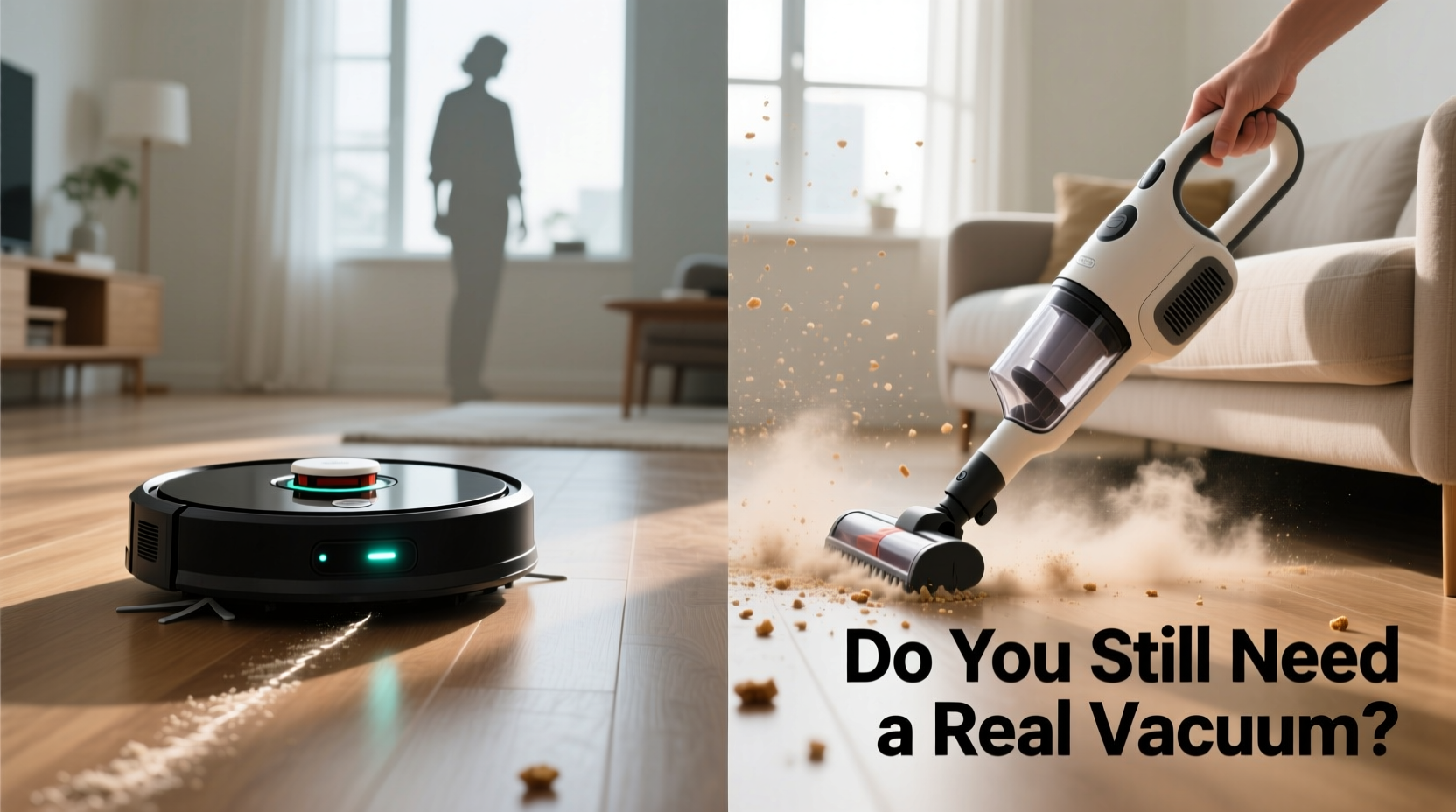
Before diving into comparisons, it’s important to define what we mean by “robot,” “stick,” and “real” vacuum.
- Robot Vacuums: Autonomous units that navigate your home using sensors and mapping technology. They operate on schedules and return to their charging docks automatically.
- Stick Vacuums: Lightweight, cordless models designed for quick cleanups and spot maintenance. Most feature detachable handheld units and motorized brushrolls.
- Traditional Vacuums: Upright or canister models with strong motors, larger dust bins, and deep-cleaning capabilities—often used for carpets and heavy debris.
Each serves a different purpose. Robot vacuums excel at maintenance; stick vacuums offer agility; traditional vacuums deliver power. But when combined, they form a cleaning ecosystem—not necessarily competitors.
Performance Comparison: Suction, Reach, and Deep Cleaning
Cleanliness isn’t just about removing visible dirt—it’s about allergens, embedded dust, and long-term air quality. Here's how the three stack up across key performance metrics.
| Feature | Robot Vacuum | Stick Vacuum | Traditional Vacuum |
|---|---|---|---|
| Suction Power (AW*) | 10–30 AW | 100–250 AW | 150–300+ AW |
| Dustbin Capacity | 0.3–0.6 L | 0.4–0.9 L | 1.5–5 L |
| Battery Life | 60–120 min (auto-recharge) | 20–60 min | N/A (corded) or 30–90 min (cordless) |
| Cleaning Frequency | Daily automation possible | As needed | Weekly or bi-weekly |
| Carpet Deep-Cleaning Ability | Limited (low brushroll height/suction) | Moderate (on high-end models) | Excellent (motorized heads, height adjustment) |
| Filtration (HEPA) | Some models | Many mid-to-high-end models | Standard on most premium models |
*Air Watts (AW) are a common measure of suction power. Higher AW generally means better pickup, especially on carpets.
While high-end robot vacuums like the Roborock S8 or iRobot j9+ boast improved suction and self-emptying bases, they still fall short in lifting deeply embedded pet hair or fine dust from thick pile carpets. Stick vacuums like Dyson V15 Detect or Shark Vertex perform admirably on hard floors and low-pile rugs but struggle with deep carpet agitation over large areas.
“Even the best robot vacuums today are designed for maintenance, not restoration. If your carpet hasn’t been cleaned in weeks, no robot will make it look freshly vacuumed.” — Marcus Lin, Home Appliance Engineer at Consumer Tech LabsTip: Use your robot vacuum daily for surface upkeep, but schedule a weekly deep clean with a more powerful machine—especially if you have pets or allergies.
When a Traditional Vacuum Still Wins
There are specific scenarios where neither robot nor stick vacuums can match the performance of a full-sized vacuum:
- Thick or High-Pile Carpets: These trap dust, dander, and allergens deep within fibers. Only a vacuum with adjustable height settings and a powered beater bar can effectively agitate and extract debris.
- Allergy Sufferers: True HEPA filtration systems in uprights capture 99.97% of particles as small as 0.3 microns. Many robot and budget stick models use inferior filters that recirculate fine dust.
- Large Homes (2,500+ sq ft): Robots may require multiple recharge cycles and still miss spots. Stick vacuums run out of battery before finishing. A corded upright avoids both issues.
- Post-Renovation or Heavy Messes: Drywall dust, sawdust, or construction debris demand maximum suction and large bin capacity—something only traditional vacuums reliably provide.
- Upholstery and Stair Cleaning: While some stick vacuums come with tools, their compact motors limit effectiveness. Full-sized vacuums often include turbo brushes, crevice tools, and hose extensions designed for detailed work.
Mini Case Study: The Pet Owner’s Dilemma
Jessica, a dog owner in Denver, switched to a robot vacuum after seeing ads claiming it could “replace your old vacuum.” She owns two golden retrievers that shed year-round. Initially thrilled with the Roomba j7+, she found that while it kept her hardwood floors tidy between meals, her living room rug became matted with fur after two weeks.
She ran the robot daily, but without strong agitation, the underlayer of hair remained untouched. After developing allergy symptoms, she brought back her old Kenmore canister vacuum. One deep pass revealed a shocking amount of trapped dander and hair. Since then, she uses the robot every other day and reserves the upright for weekly carpet cleans. Her air quality improved, and her dogs seem less itchy too.
This case illustrates a growing trend: hybrid cleaning strategies. Automation handles routine tasks, but human-powered deep cleaning remains irreplaceable.
Can You Rely Solely on Modern Alternatives?
If your home is small, mostly hard-surfaced, and free of pets or heavy shedding, the answer might be yes. But consider this checklist before retiring your traditional vacuum:
Checklist: Can You Go Vacuum-Lite?
- ✅ Do you have mostly tile, hardwood, or laminate flooring?
- ✅ Is your home under 1,800 square feet?
- ✅ Do you live alone or with minimal foot traffic?
- ✅ No pets or very light shedding?
- ✅ Willing to manually empty bins and maintain robot sensors weekly?
- ✅ Own a high-end stick vacuum (e.g., Dyson, Miele, LG CordZero)?
If you answered “yes” to all, you may safely downsize. But if even one factor doesn’t apply, keeping a traditional vacuum—even if used only monthly—can significantly improve indoor air quality and floor longevity.
Tip: Store your traditional vacuum in a dry closet with the hose detached to prevent mold and kinks. Check belts and filters quarterly.Building a Smart Cleaning Routine: A Step-by-Step Guide
Instead of choosing one vacuum type, think in terms of layers. Here’s how to create an efficient, effective cleaning system:
- Assess Your Floor Plan: Map out carpeted vs. hard surfaces. Note high-traffic zones (entryways, kitchens) and pet areas.
- Choose a Primary Maintenance Tool: For most homes, a robot vacuum (with self-emptying base) runs best on a daily schedule to handle crumbs and dust.
- Select a Secondary Spot Cleaner: A cordless stick vacuum should handle spills, tracked-in mud, or quick cleanups after guests.
- Schedule Deep Cleans Monthly: Use your traditional vacuum to go over carpets, stairs, and furniture. Focus on areas robots can’t reach—under furniture, along baseboards.
- Maintain All Devices: Clean robot brushes weekly, empty stick vacuum bins after each use, and replace HEPA filters per manufacturer guidelines.
- Adjust Seasonally: Increase frequency during shedding season or allergy months. Consider adding a portable handheld for car or upholstery details.
This tiered approach reduces effort while maximizing results. You’re not replacing the traditional vacuum—you’re repositioning it as part of a smarter strategy.
Frequently Asked Questions
Do robot vacuums really save time?
Yes—but indirectly. They reduce the need for daily sweeping and prevent dirt buildup. However, they require regular maintenance (cleaning brushes, sensors, bins), so total labor shifts rather than disappears.
Can a stick vacuum replace an upright on carpets?
Only on low-pile or area rugs. High-end stick models like the Dyson Outsize perform well, but they lack the consistent floor contact and weight distribution of uprights on plush carpeting. For whole-house carpet cleaning, a dedicated machine is still superior.
Is it worth keeping an old vacuum if I have a robot?
If it still works, yes. Even occasional deep cleaning extends the life of your floors and improves air quality. Consider donating or selling it only if you’ve tested alternatives thoroughly and confirmed they meet your needs.
Conclusion: The Vacuum Isn’t Dead—It’s Evolving
The idea that robot or stick vacuums have made traditional models obsolete is overstated. Each plays a distinct role in modern home care. Robots automate routine upkeep. Stick vacuums offer speed and flexibility. But when it comes to deep cleaning, allergen control, and handling tough messes, nothing beats the raw power and design of a full-sized vacuum.
You don’t need to choose just one. Instead, integrate them. Let the robot handle daily dust, grab the stick vacuum for quick spills, and pull out the “real” vacuum once a week or every few weeks to restore your floors to peak condition. This balanced approach saves time, protects your investment in flooring, and supports healthier indoor air.
🚀 Ready to optimize your cleaning routine? Audit your current setup, identify gaps, and build a multi-vacuum strategy that works for your home. Share your experience or ask questions in the comments—we’re all learning together.








