For pet owners, managing loose fur is a daily chore. Whether it's clumps of dog hair on the couch or cat dander drifting across hardwood floors, keeping your home clean demands consistent effort. Two popular tools dominate the market: robot vacuums and cordless stick vacuums. Both promise convenience and efficiency, but when it comes to tackling pet hair—especially long, matted strands or embedded fur in carpets—how do they really stack up?
The answer isn’t straightforward. While robot vacuums offer hands-free cleaning, cordless sticks deliver powerful, targeted suction. The best choice depends on your lifestyle, flooring type, pet shedding level, and how much control you want over the cleaning process.
Suction Power and Hair Pickup Performance
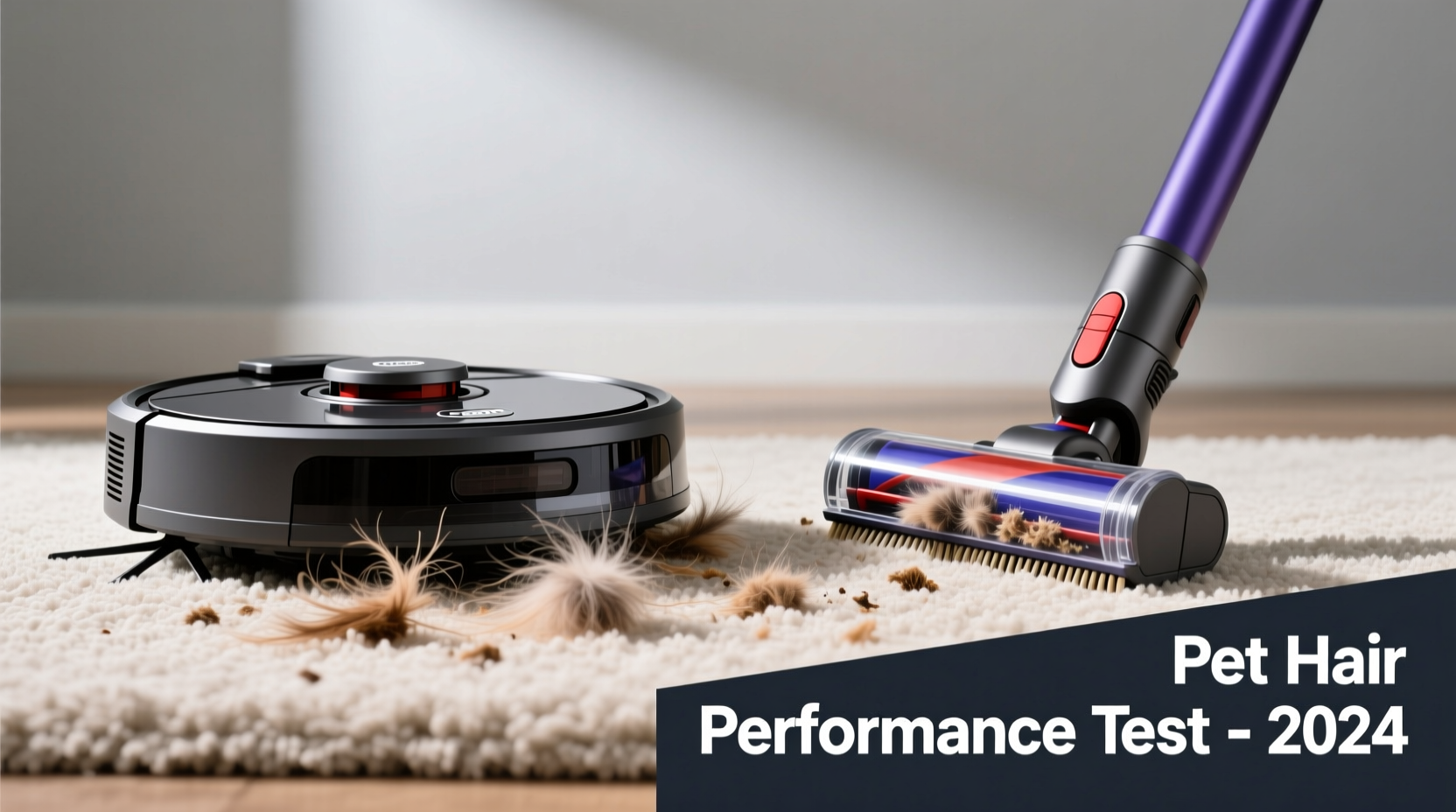
Pet hair, particularly from long-haired breeds like Golden Retrievers or Maine Coons, presents a unique challenge. It doesn’t just sit on surfaces—it tangles around brush rolls, clogs filters, and embeds deep into carpet fibers. Suction strength is critical, but so is brush roll design and airflow engineering.
Cordless stick vacuums typically outperform robot vacuums in raw suction power. High-end models from Dyson, Shark, and Tineco boast suction ratings between 150–250 air watts, capable of pulling deeply embedded pet hair from medium-pile carpets. Their larger motors and optimized airflow paths allow them to handle dense debris with minimal clogging.
In contrast, most robot vacuums operate between 1,500–3,000 Pa (Pascals) of suction—roughly equivalent to 60–120 air watts. While newer models like the Roborock S8 Pro Ultra or Ecovacs Deebot X2 Omni have improved significantly, they still can't match the brute force of a premium stick vacuum. However, some high-end robots now feature dual rubber brushes that resist tangling—a major advantage over traditional bristle rollers that quickly become wrapped in pet hair.
Tip: Look for vacuums with tangle-free brush rolls made of rubber or anti-static silicone—they’re far less likely to trap pet hair.Maintenance and Hair Management
One often overlooked factor is how easy each device is to maintain after picking up pet hair. A vacuum might perform well initially, but if cleaning it afterward is tedious, it won’t stay effective long-term.
Cordless stick vacuums require frequent filter washing, dustbin emptying, and brush roll detangling. If you have heavy shedders, you may need to remove tangled hair from the roller weekly—or even more often. Some models feature tool-assisted brush roll removal or self-cleaning stations, but these are exceptions.
Robot vacuums, especially those with self-emptying bases, reduce user interaction dramatically. Once set up, they return to their dock, empty debris into a sealed bag (good for allergy sufferers), and recharge automatically. However, their smaller bins fill up faster when dealing with large amounts of pet hair, requiring more frequent attention during peak shedding seasons.
“Robots excel at consistency, but they can struggle during seasonal sheds. For homes with multiple pets, supplemental spot cleaning with a stick vacuum is often necessary.” — Dr. Lena Patel, Home Appliance Researcher at Consumer Dynamics Lab
Maneuverability and Cleaning Coverage
Pet hair doesn’t stay in one place. It drifts under furniture, collects along baseboards, and piles up near feeding areas. How well each vacuum navigates tight spaces matters.
Cordless stick vacuums offer superior maneuverability. Most pivot at the head, allowing users to glide under sofas, beds, and dining chairs with ease. Attachments like motorized pet tools and crevice nozzles make it simple to target upholstery, stairs, and car interiors—common hotspots for pet hair accumulation.
Robot vacuums use sensors and mapping technology to navigate rooms autonomously. Modern units create precise floor plans and remember multi-level layouts. However, they often struggle with cluttered environments. A toy left on the floor or a low-hanging curtain can block access to key areas. They also tend to avoid dark rugs (mistaken for drop-offs) and may miss edges where pet hair accumulates.
While many robots now include edge-sweeping brushes, they don’t always reach corners effectively. And because they operate on a schedule, they can’t respond instantly to post-shedding blowouts or accidents.
Comparison Table: Key Features for Pet Owners
| Feature | Cordless Stick Vacuum | Robot Vacuum |
|---|---|---|
| Suction Power | High (150–250 AW) | Moderate to High (60–120 AW equiv.) |
| Brush Roll Tangle Resistance | Varies; some tangle-free options | Better in premium models (rubber extractors) |
| Floor Type Adaptability | Excellent (auto-height adjustment on some) | Good (laser/mapping helps transition) |
| Pet Hair on Upholstery | Yes (with attachments) | No |
| Daily Maintenance Required? | Yes (empty bin, check filter) | Minimal (unless self-empty not present) |
| Hands-Free Operation | No | Yes (scheduled cleaning) |
| Best For | Deep cleans, spot cleaning, stairs | Daily upkeep, open-floor homes |
Real-World Example: Life with Two Dogs and Carpeted Floors
Sarah Thompson, a dog trainer in Portland, lives with two Siberian Huskies—both prolific shedders. Her home has a mix of area rugs and wall-to-wall carpeting. She initially relied solely on a mid-tier robot vacuum but found it struggled during spring shedding season.
\"The robot would run every day, but I’d still see clumps of fur behind the couch and along the hallway walls,\" she said. \"It missed spots, and the brush roll got jammed twice in one month.\"
She invested in a cordless stick vacuum with a motorized pet tool. Now, she uses the robot for daily maintenance on hard floors and runs the stick vacuum twice a week on carpets and furniture. \"It’s a combo approach,\" she explained. \"The robot keeps things tidy, but the stick does the heavy lifting when the fur flies.\"
This hybrid strategy is increasingly common among pet owners who value both convenience and thoroughness.
Step-by-Step Guide: Optimizing Your Pet Hair Cleaning Routine
Instead of choosing one device over the other, consider integrating both into a cohesive cleaning plan. Follow this sequence for maximum effectiveness:
- Pre-vacuum grooming: Brush your pet outdoors 2–3 times per week to reduce loose hair before it enters your home.
- Daily robot run: Schedule your robot vacuum to clean high-traffic zones during the day while you're away.
- Weekly deep clean: Use a cordless stick vacuum with a pet turbo brush to target carpets, stairs, and furniture.
- Monthly maintenance: Wash vacuum filters, inspect brush rolls, and descale water tanks (if using a mop function).
- Seasonal reset: During peak shedding months, increase stick vacuum frequency and consider adding an air purifier to capture airborne dander.
Expert Insights on Long-Term Performance
According to appliance engineer Mark Tran, whose team tested over 70 vacuum models for durability, longevity under pet hair stress varies significantly.
“Pet hair is abrasive and conductive. Over time, it wears down brush motors and insulates sensors. Devices with sealed bearings and anti-static components last longer in pet-heavy homes.” — Mark Tran, Senior Appliance Engineer at CleanTech Labs
He notes that while cordless sticks face more physical wear due to frequent use, robot vacuums suffer from sensor degradation when hair accumulates on cliff detectors or LiDAR lenses. Regular wiping of sensors and charging contacts extends lifespan for both types.
Checklist: Choosing the Right Tool for Your Pet Household
- ✅ Do you have mostly hard floors? → Robot vacuum may suffice.
- ✅ Do you have carpets or rugs? → Prioritize strong suction (stick vacuum recommended).
- ✅ Are there stairs or furniture to clean? → Cordless stick offers better reach.
- ✅ Do you want fully automated cleaning? → Robot wins for set-and-forget convenience.
- ✅ Is someone home frequently to manage maintenance? → You can handle stick vacuum upkeep.
- ✅ Do you have multiple pets or heavy shedders? → Consider using both devices together.
FAQ: Common Questions About Pet Hair and Vacuums
Can robot vacuums handle long pet hair without getting clogged?
Higher-end models with rubber brush rolls (like the iRobot j7+ or Roborock Qrevo) are designed to resist tangling. However, very long or matted hair can still cause issues, especially if not cleaned regularly. Avoid budget robots with bristle brushes—they clog quickly.
Is a cordless stick vacuum worth it if I already own a robot?
Absolutely. Think of the robot as your maintenance crew and the stick vacuum as your specialist. The robot handles light daily messes; the stick tackles deep-seated hair, spills, and upholstery. Together, they cover more ground than either could alone.
Which vacuum type is better for allergies caused by pet dander?
Both can help, but only if they have sealed filtration systems and HEPA filters. Robot vacuums with self-emptying bins reduce exposure to allergens during disposal. Cordless sticks with washable HEPA filters offer strong allergen capture but require careful handling when emptying.
Conclusion: It’s Not Either/Or—It’s Both/And
When it comes to managing pet hair, the question isn’t necessarily whether a robot vacuum or cordless stick is better—it’s about how they complement each other. Robot vacuums excel at consistency, reducing daily fur buildup with minimal effort. Cordless stick vacuums deliver the power and precision needed for deep cleaning, spot treatment, and reaching neglected areas.
For most pet owners, relying on just one system leads to compromises. A robot alone may leave carpets looking dull over time. A stick vacuum used only occasionally lets fur accumulate between sessions. The smart solution lies in integration: automate routine cleanup with a robot, then deploy your stick vacuum weekly for thorough grooming of high-shed zones.
Technology has given us tools that simplify pet ownership, but optimal results still come from thoughtful use. Assess your space, your pet’s habits, and your tolerance for maintenance. Then build a cleaning strategy that works with your life—not against it.
🚀 Ready to upgrade your pet hair game? Start by testing one device for two weeks, then add the other. Share your experience in the comments—your insights could help another pet owner find their perfect cleaning balance!








