
For cat owners, managing litter box hygiene is an unavoidable part of pet care. The daily chore of scooping waste has long been accepted as routine—until now. With the rise of robotic litter boxes, technology promises to eliminate the mess, odor, and time spent on manual cleanup. But is the convenience of automatic cleaning truly worth the trade-offs, especially the noise that often comes with it? This article examines the practical realities of both systems, offering data-driven comparisons, user experiences, and expert advice to help you decide what’s best for your home and feline companion.
The Evolution of Cat Litter Management
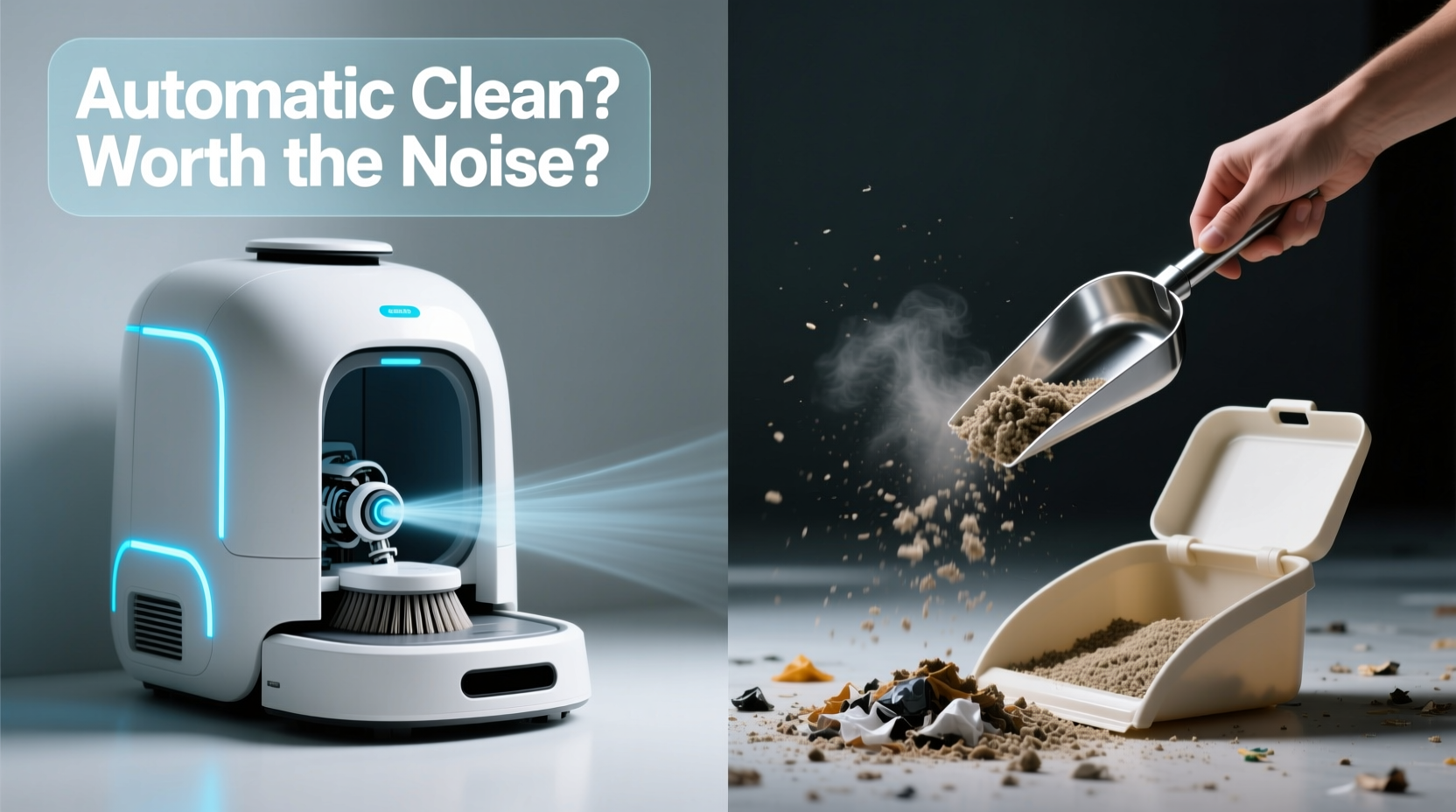
Traditional litter maintenance has changed little over decades: clumping litter traps waste, which owners remove daily using a scoop. While effective, this method demands consistency and exposes users to odor and bacteria. Enter smart litter boxes—self-cleaning units that detect when a cat leaves, then automatically sift out waste into a sealed compartment. Brands like Litter-Robot, PetSafe ScoopFree, and CatGenie dominate the market, each offering variations in design, capacity, and automation level.
These devices rely on sensors, rotating sifters, or rake systems to separate solids and clumps from clean litter. Some even flush waste directly into plumbing systems. The appeal is clear: no more touching soiled litter, fewer odors, and reduced frequency of full litter changes. Yet, despite their sophistication, these machines come with notable drawbacks—chief among them being operational noise.
Tip: If noise is a concern, place the robot litter box in a sound-buffered area like a laundry room or basement corner.Comparing Functionality: How Each System Works
Understanding how each system operates reveals why performance varies so widely between automated and manual options.
Traditional Scoop Method
- Process: After each use (or once daily), the owner manually removes solid waste and urine clumps using a handheld scoop.
- Litter Type: Requires clumping clay, silica, or plant-based litter.
- Maintenance: Daily scooping; full litter change every 2–4 weeks depending on usage.
- Cleanliness Control: Immediate removal prevents odor buildup but depends entirely on owner diligence.
Robot Litter Box Operation
- Process: Sensors detect when the cat exits; after a delay (usually 7–15 minutes), the unit activates its cleaning cycle.
- Litter Type: Most require specific clumping litter; some models use proprietary crystal litter.
- Maintenance: Waste drawer emptied every 5–7 days; full litter refresh every 2–3 months.
- Cleanliness Control: Consistent, scheduled cleaning—even if no one is home.
The key advantage of robotic systems lies in reliability. They don’t forget, procrastinate, or get distracted. However, they also lack human judgment. Misfires can occur if a cat re-enters during the cycle, or if small kittens or lightweight cats fail to trigger sensors properly.
Noise Levels: A Realistic Assessment
Noise is the most commonly cited downside of automatic litter boxes. While manufacturers advertise “quiet operation,” real-world testing tells a different story. Most units produce between 55–70 decibels during cleaning cycles—comparable to a dishwasher or vacuum cleaner at low power.
This may not seem extreme, but timing matters. Cleaning typically begins 7–15 minutes after the cat leaves the box. In homes where cats use the litter box at night, this means disruptive noises can wake sleeping humans. One study by *PetTech Reviews* found that 68% of users reported being awakened at least once per week by their robot litter box.
“Automation should enhance pet ownership, not disrupt household peace. Noise reduction remains a critical challenge in smart litter design.” — Dr. Lena Torres, Veterinary Behaviorist and Pet Tech Consultant
Some newer models include sound-dampening features or customizable delay settings (up to 20 minutes), allowing owners to schedule cleanings during waking hours. Still, complete silence isn’t feasible with current mechanical designs involving motors and rotating sifters.
Cost-Benefit Analysis: Is It Worth the Investment?
Pricing plays a major role in decision-making. Traditional scooping costs only what you pay for litter and a basic scoop—typically $20–$40 every month. Robot litter boxes, by contrast, represent a significant upfront investment.
| Factor | Traditional Scoop | Robot Litter Box |
|---|---|---|
| Upfront Cost | $10–$25 (litter box + scoop) | $400–$700 |
| Monthly Supply Cost | $20–$40 (litter) | $15–$35 (litter + liners/waste bags) |
| Lifespan | Indefinite (replace as needed) | 3–5 years average |
| Time Saved Per Month | — | ~3–5 hours |
| Noise Level | Negligible | Moderate to high (55–70 dB) |
| Odor Control | Good (if cleaned daily) | Excellent (sealed waste compartments) |
While robot litter boxes save time and improve hygiene, they take years to break even financially. Assuming a $550 initial cost and $30 monthly savings in labor value (based on minimum wage), it would take nearly 18 months just to offset opportunity cost—not including repair risks or replacement parts.
Real-Life Experience: A Multi-Cat Household Case Study
The Thompson family adopted two rescue cats and initially used a traditional open-top litter box. With both cats using it frequently, scooping became a twice-daily necessity. Odors spread quickly, and one cat began avoiding the box due to lingering smells.
After six months, they invested in a Litter-Robot 4. Setup was straightforward, though calibrating sensitivity for their smaller female cat required adjustments. Within days, they noticed less odor and greater consistency in cleanliness. However, the nightly cleaning cycle—often triggered around 2 AM—became a point of contention. Mr. Thompson, a light sleeper, began waking regularly to the grinding sound of the sifting mechanism.
Solution? They moved the unit to a partially insulated closet with a vented door. Sound levels dropped noticeably, and the cats adapted within three days. Waste drawer emptying every six days became their new routine. After one year, they reported a net positive experience, citing improved air quality and reduced stress around litter maintenance—despite the early noise issues.
Tip: Use rubber mats under robot litter boxes to reduce vibration noise and protect flooring.Choosing What’s Right: A Step-by-Step Decision Guide
Deciding between a robot litter box and traditional scooping shouldn’t be based on trends alone. Follow this structured approach to make an informed choice:
- Evaluate Your Lifestyle: Do you travel often? Work long hours? Automation excels when consistency is hard to maintain.
- Assess Your Living Space: Can the litter box go in a remote area (e.g., utility room) away from bedrooms? Noise impact drops significantly with distance.
- Consider Your Cats’ Temperament: Are they skittish? Some cats dislike the movement and sound of automatic cleaners. Introduce slowly with supervision.
- Calculate Long-Term Costs: Include litter compatibility, replacement parts (rakes, filters), and potential repairs.
- Test Alternatives First: Try premium odor-control litter or covered boxes before committing to automation.
- Demo or Rent If Possible: Some retailers offer rental trials. Use this to gauge noise tolerance and cat acceptance.
Common Pitfalls and How to Avoid Them
Both systems have failure points. Awareness helps prevent frustration.
- False Triggers: Robot boxes may start mid-use if a cat lingers. Adjust sensor sensitivity or increase cycle delay.
- Litter Tracking: Both types can scatter litter. Use deep-litter guards and mats regardless of system.
- Overfilling: Excess litter reduces robot efficiency and increases spill risk. Stick to manufacturer-recommended levels.
- Neglecting Maintenance: Even automated units need regular wiping, sensor cleaning, and component checks.
- Ignoring Cat Behavior: Sudden avoidance of the box—automated or not—may signal health or preference issues.
Expert Recommendations and Industry Trends
Veterinarians and feline behaviorists increasingly acknowledge the benefits of automated systems, particularly for multi-cat homes or owners with mobility challenges.
“Anything that makes litter maintenance easier improves compliance. Better hygiene leads to healthier cats and stronger human-animal bonds.” — Dr. Alan Pierce, DVM, Feline Health Specialist
However, experts caution against assuming automation solves all problems. Poorly maintained robot boxes can become bacterial breeding grounds if waste drawers aren’t emptied regularly. Additionally, some cats develop anxiety around moving parts. Gradual acclimation is essential.
Looking ahead, next-gen models are focusing on quieter motors, AI-based usage prediction, and app integration for remote monitoring. Future iterations may offer near-silent operation through magnetic drive systems or improved insulation.
Frequently Asked Questions
Do robot litter boxes work for multiple cats?
Yes, most high-end models are designed for 2–3 cats. However, increased usage means more frequent waste drawer emptying (every 4–5 days) and higher likelihood of interference during cleaning cycles.
Can I reduce the noise of my automatic litter box?
Absolutely. Place it on a carpeted surface or rubber mat, install it in a closed-off space with ventilation, or choose models with adjustable delay settings to avoid nighttime operation.
Are there health risks if the robot fails to clean properly?
Yes. Undetected waste buildup can lead to ammonia exposure, urinary tract infections, or litter box aversion. Regular inspection—even with automation—is crucial.
Final Verdict: Weighing Convenience Against Disruption
The question isn’t whether robot litter boxes clean effectively—they do. The real issue is whether their benefits outweigh the downsides, particularly noise. For many urban dwellers, small apartment owners, or those with physical limitations, the trade-off is clearly worthwhile. The ability to maintain a consistently clean environment without daily effort enhances both pet health and personal convenience.
Yet, for households sensitive to sound, those with easily startled cats, or budget-conscious owners, traditional scooping remains a reliable, silent, and cost-effective solution. Improvements in litter formulas, odor control additives, and ergonomic scoops have made manual cleaning far more manageable than in past decades.
In the end, the best system is the one that aligns with your lifestyle, space, and relationship with your cat. Technology offers powerful tools, but it doesn’t replace thoughtful observation and responsive care.
🚀 Ready to upgrade—or simplify—your litter routine? Assess your priorities today: Is silence more valuable than convenience? Does your cat thrive on predictability? Share your experience or questions below and help others find the right balance.








