When it comes to personalizing your iPhone, few accessories make as bold a statement as a sparkling case. Rhinestone and diamond-encrusted cases dominate the luxury phone accessory market, promising glamour and protection in one sleek package. But with price tags that can range from $30 to over $1,000, consumers are left wondering: is the extra sparkle truly worth the extra cost? The answer depends on more than just aesthetics—it involves material science, craftsmanship, durability, and long-term value.
This article breaks down the key differences between rhinestone and diamond iPhone cases, evaluates their real-world performance, and helps you decide which option aligns with your lifestyle, budget, and aesthetic goals.
Understanding the Materials: Rhinestones vs Diamonds
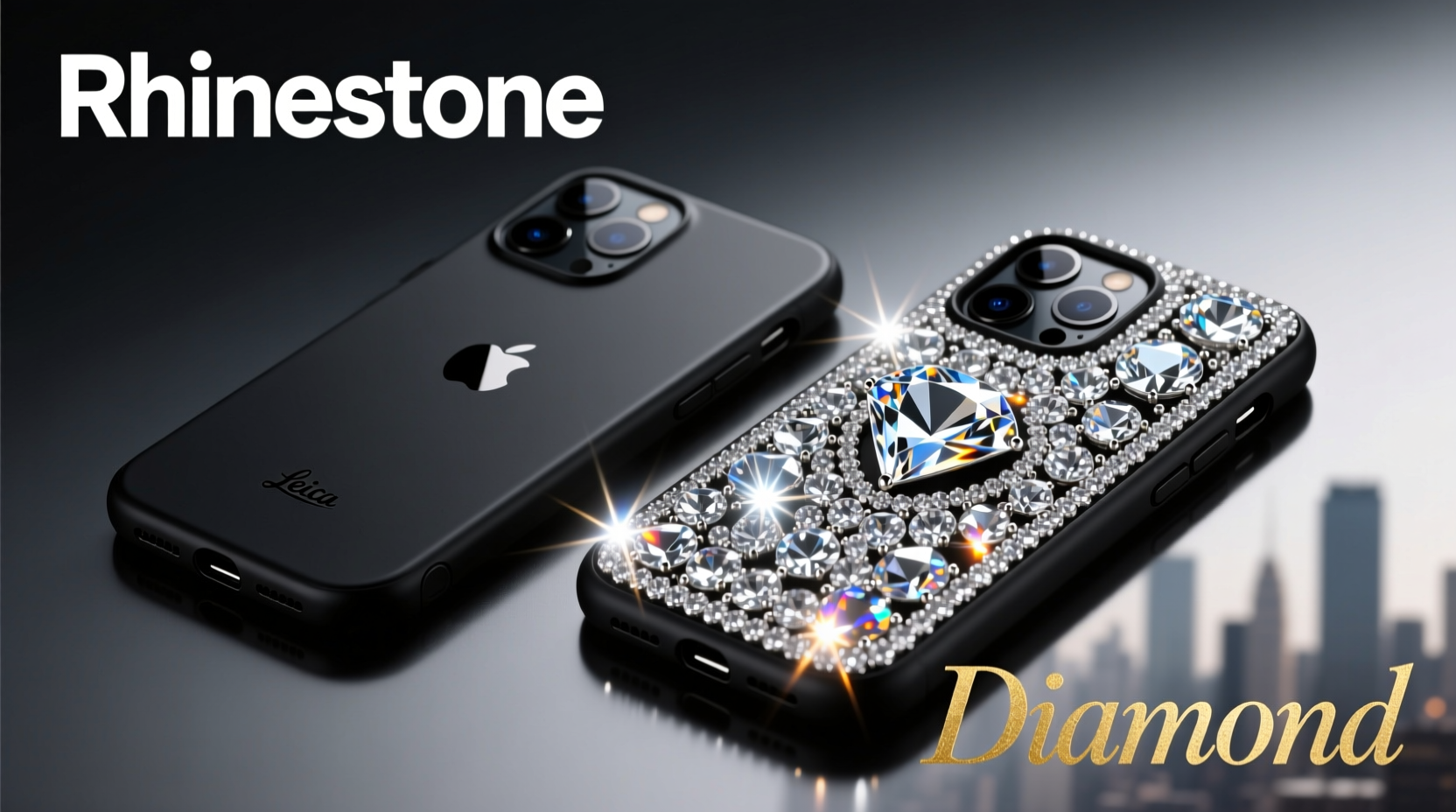
The fundamental difference between these two types of cases lies in the materials used for embellishment. While both offer shine and visual appeal, their composition, origin, and longevity vary significantly.
Rhinestones are typically made from glass, acrylic, or crystal (such as Swarovski). They are designed to mimic the brilliance of diamonds but lack the hardness and natural formation. Modern rhinestones often feature metallic coatings to enhance reflectivity, giving them a dazzling appearance under light.
Diamonds, on the other hand, are naturally occurring gemstones composed of carbon formed under extreme heat and pressure. Even lab-grown diamonds—commonly used in high-end phone cases—possess the same physical and optical properties as mined diamonds, including exceptional hardness (measured at 10 on the Mohs scale).
“Diamonds aren’t just about luxury—they bring measurable durability. When properly set, they resist scratching and chipping far better than any synthetic alternative.” — Dr. Lena Patel, Gemologist & Materials Scientist
Performance Comparison: Durability, Protection, and Daily Use
A phone case isn’t just a fashion accessory; it’s functional armor. How well does each type hold up in everyday scenarios?
| Feature | Rhinestone Case | Diamond Case |
|---|---|---|
| Scratch Resistance | Moderate – Coatings can wear off; softer materials scratch easily | High – Diamonds resist scratches from keys, coins, and surfaces |
| Impact Protection | Depends on base material – often silicone or TPU | Same base materials, but added weight may affect drop performance |
| Longevity | 6–18 months before stones lose luster or fall out | Years, if properly maintained |
| Water & Sweat Resistance | Poor – Moisture can loosen adhesive settings | Good – Professional prong or bezel settings resist moisture damage |
| Cost Range | $25–$150 | $400–$1,800+ |
The data shows a clear trade-off: rhinestone cases offer immediate glamor at an accessible price, while diamond cases deliver lasting quality at a premium. However, neither inherently provides superior structural protection—the phone’s safety depends largely on the underlying case design, not the stones.
Tip: If you frequently place your phone face-down on rough surfaces, consider a case with recessed edges—even the hardest stones can chip if struck at the right angle.Real-World Example: A Year in the Life of Two Cases
Sophia, a marketing executive in Los Angeles, purchased both a rhinestone case and a lab-diamond case over a 12-month period to test their practicality.
Her rhinestone case—a popular third-party brand adorned with Swarovski crystals—looked stunning at first. After six weeks of daily use, however, several stones had loosened after being dropped in her gym bag. By month five, three stones were missing, and the remaining ones appeared cloudy due to micro-scratches and skin oils.
In contrast, her lab-grown diamond case from a luxury tech accessory brand retained its brilliance even after accidental drops, exposure to poolside humidity, and frequent pocket storage. Though heavier and more expensive ($650), it showed no signs of wear after a full year.
Sophia concluded: “The rhinestone case was fun for parties and short-term use. But if I wanted something that felt truly luxurious and lasted, the diamond case was the only real choice.”
Value for Money: When Does the Upgrade Make Sense?
Is spending hundreds—or thousands—on a diamond case justified? For most users, probably not. But there are specific scenarios where the investment pays off.
Rhinestone cases are ideal for those who enjoy rotating styles, attending events, or want a temporary upgrade without financial commitment. They’re also popular among teens and young adults who prioritize trendiness over permanence.
Diamond cases, meanwhile, attract collectors, professionals in image-conscious industries (like entertainment or fashion), and individuals who view their devices as extensions of personal branding. These users often keep phones longer and appreciate heirloom-quality accessories.
- Choose rhinestones if: You like changing styles often, have a limited budget, or want seasonal flair.
- Choose diamonds if: You value longevity, own high-end devices, or seek status-signaling accessories.
How to Care for Your Sparkling Case: A Step-by-Step Guide
No matter which type you choose, proper maintenance extends life and preserves sparkle. Follow this routine monthly:
- Remove the case from your phone to avoid liquid exposure.
- Use a soft-bristled brush (like a clean toothbrush) to gently dislodge dust between stones.
- Wipe with a microfiber cloth dampened slightly with water or jewelry cleaner (avoid alcohol-based solutions).
- Air dry completely before reattaching to your device.
- Inspect settings—for diamond cases, check prongs; for rhinestones, look for lifting edges.
- Store flat in a padded box when not in use to prevent pressure damage.
Frequently Asked Questions
Can I replace fallen rhinestones myself?
Yes, but with limitations. Craft stores sell matching stones and strong adhesives (like E6000), but color and cut accuracy can be inconsistent. DIY repairs often result in visible mismatches.
Are lab-grown diamonds in phone cases real?
Yes. Lab-grown diamonds used in premium cases are certified and chemically identical to mined diamonds. They are not simulants like cubic zirconia.
Do diamond cases interfere with wireless charging?
Generally, no. Most are designed with thin metal layers or non-conductive settings that don’t block Qi signals. However, extremely thick or fully encrusted models may reduce efficiency.
Final Checklist Before Buying
Before committing to either option, ask yourself:
- Will I use this daily or occasionally?
- How long do I plan to keep my current phone?
- Am I prone to dropping or exposing my phone to moisture?
- Does the case come with a warranty or repair service?
- Is the brand reputable and transparent about materials?
Answering these questions honestly will guide you toward the right balance of sparkle and substance.
Conclusion: Shine Smart, Spend Smarter
The allure of a glittering iPhone case is undeniable. Rhinestones offer instant gratification at a fraction of the cost, perfect for fleeting trends and playful expression. Diamonds, while exponentially more expensive, deliver enduring elegance and resilience—ideal for those who treat their gadgets as curated extensions of identity.
The extra sparkle *can* be worth the extra cost—but only if your priorities align with the benefits. For occasional glamour, rhinestones win. For lasting luxury, diamonds reign supreme.
💬 What kind of case reflects your lifestyle? Share your thoughts or experiences with luxury phone accessories—we’d love to hear what works for you.








