
For owners of strong or excitable dogs, walking can quickly turn into a battle of wills. When your dog pulls relentlessly on the leash, standard collars often fail to provide control, comfort, or safety. The right collar isn’t just about managing force—it’s about protecting your dog’s neck, ensuring long-term comfort, and making every walk more enjoyable. Not all collars are built to handle persistent pulling, but certain designs have proven effective through real-world use and veterinary endorsement.
This guide focuses exclusively on collars engineered for pullers—those that combine durability, ergonomics, and humane control. Whether you have a powerful breed like a Husky or a determined mixed-breed pup, choosing the right gear matters. We’ll break down top-performing styles, highlight key features to look for, and share tested recommendations based on function, fit, and feedback from trainers and pet owners alike.
Why Standard Collars Fail for Pullers
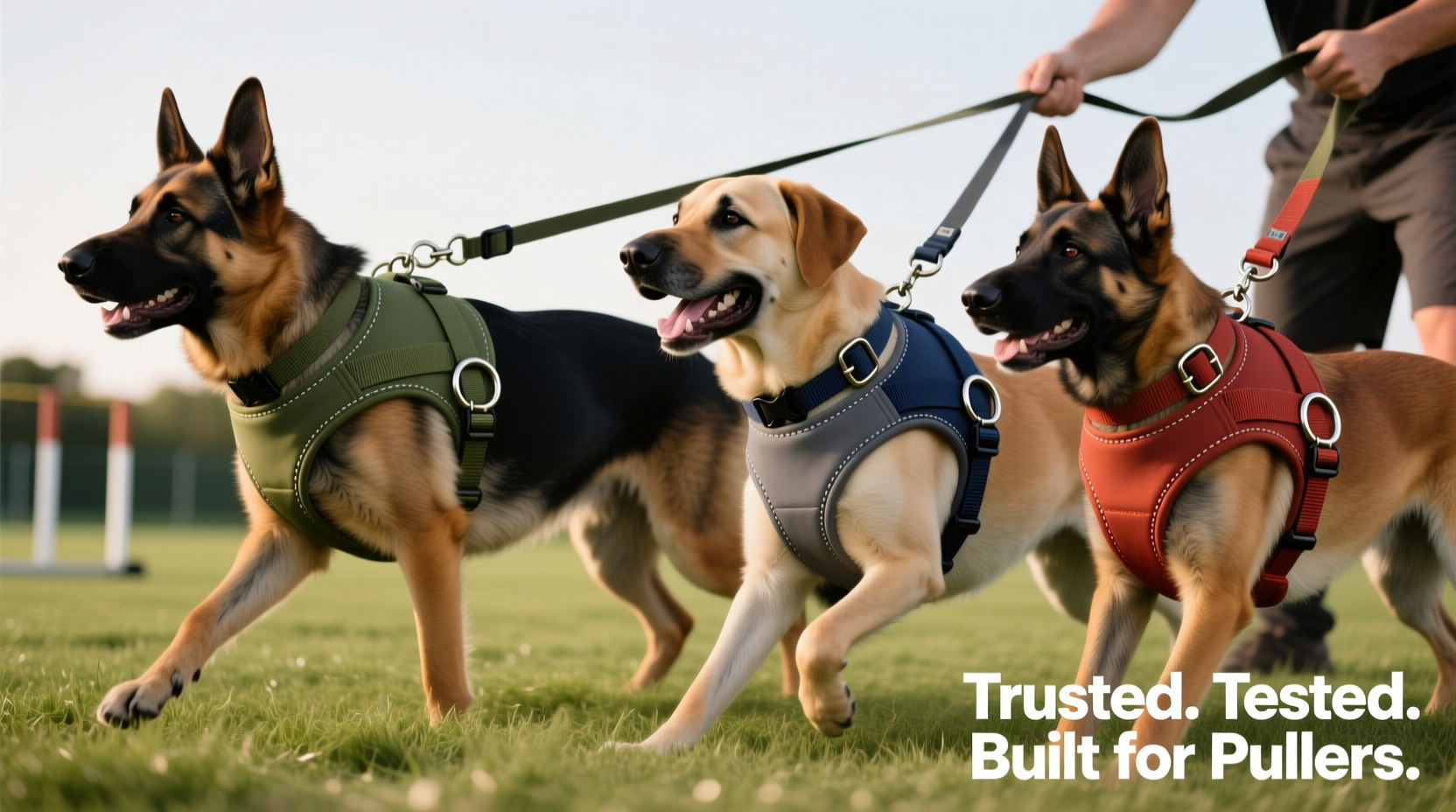
Traditional flat collars distribute pressure directly around the trachea and cervical spine. For dogs that lunge or pull consistently, this can lead to chronic irritation, coughing, breathing difficulties, or even long-term damage. Veterinarians and canine behaviorists increasingly warn against relying solely on these basic designs for strong dogs.
“Repeated strain on a dog’s neck from pulling can cause tracheal collapse, especially in smaller breeds, but even large dogs aren’t immune to soft tissue injury.” — Dr. Lena Torres, DVM, Canine Rehabilitation Specialist
Pulling exerts sudden spikes in pressure—sometimes exceeding 50 pounds of force—on sensitive areas. This makes it essential to shift tension away from the throat. That’s where specialized collars come in: they’re designed to redirect force, improve communication, and reduce physical risk.
Top 4 Collar Types That Work for Pullers
Not all anti-pull collars are created equal. Below is an overview of the most reliable types, based on performance, safety data, and user satisfaction.
1. Front-Clip Harnesses
These harnesses feature a leash attachment point located across the dog’s chest rather than the back. When the dog pulls forward, the design gently steers them back toward the handler, discouraging forward momentum. Because pressure is distributed across the torso—not the neck—they’re among the safest options.
Tip: Always adjust the harness snugly so it doesn’t ride up over the shoulders during movement.2. Head Halters (e.g., Gentle Leader, Snoot Loop)
Modeled after horse halters, these devices fit over the muzzle and behind the ears. They allow precise steering by controlling head direction, which naturally guides the body. While highly effective, proper fitting and gradual introduction are crucial to prevent discomfort or resistance.
3. No-Pull Harnesses with Dual Attachments
These offer both front and back leash clips. Start with the front clip for training; once pulling improves, switch to the back for maintained control. Brands like Freedom No-Pull and Easy Walk excel here, combining padded support with structural integrity.
4. Martingale Collars (for Slip-Resistant Control)
Originally designed for sighthounds, martingales tighten slightly when pulled, preventing escape without choking. They’re not ideal for heavy pulling but work well for leaners or dogs prone to backing out of loose collars. Best used in conjunction with proper leash training.
Comparison Table: Features & Best Use Cases
| Collar Type | Pressure Distribution | Durability | Training Benefit | Best For |
|---|---|---|---|---|
| Front-Clip Harness | Chest & shoulders | High (reinforced stitching) | Excellent – redirects pulling | Dogs under 80 lbs with moderate to strong pull |
| Head Halter | Nose & poll (back of head) | Moderate to High | Superior – full directional control | Dogs needing high control (reactive or very strong) |
| No-Pull Dual Clip Harness | Torso & back | Very High | Good to Excellent | Training progression & long walks |
| Martingale Collar | Neck (even tightening) | Moderate | Limited – mainly escape prevention | Slip-prone dogs, light pullers |
Step-by-Step: Choosing and Introducing the Right Collar
Finding the correct collar involves more than reading reviews—it requires thoughtful selection and acclimation. Follow this timeline to ensure success:
- Assess Your Dog’s Behavior: Is the pulling driven by excitement, fear, or lack of training? Understanding motivation helps determine if a behavioral approach is needed alongside equipment.
- Measure Accurately: Use a soft tape measure around the widest part of the chest (for harnesses) and neck (for collars). Refer to brand-specific sizing charts—never guess.
- Select Based on Build and Breed: Brachycephalic breeds (like Bulldogs) may struggle with head halters. Deep-chested dogs (like German Shepherds) need wide chest panels in harnesses.
- Introduce Gradually: Let your dog wear the new collar indoors for short periods with treats and praise. Avoid first outdoor use on high-distraction days.
- Monitor Fit During Walks: Recheck straps after 10 minutes of walking. Look for rubbing, slipping, or restricted shoulder motion.
- Pair With Positive Reinforcement: Reward loose-leash walking consistently. Equipment supports training—it doesn’t replace it.
Real Example: Transforming a Strong Puller
Max, a two-year-old Labrador Retriever, would drag his owner halfway down the block before settling into a walk. Standard collars caused hoarse barking and redness around his neck. His trainer recommended switching to a front-clip harness (the PetSafe Easy Walk model).
After a week of indoor adjustment and short practice walks, Max began responding to directional cues. Within three weeks, he walked with a loose leash 70% of the time. His owner noted less strain during walks and no more coughing episodes. The change wasn’t instant—but combined with consistent rewards for walking beside her, the right collar made all the difference.
Checklist: What to Look for in a Puller-Friendly Collar
- ✅ Wide, padded straps to prevent chafing
- ✅ Adjustable points at neck, chest, and girth
- ✅ Reflective stitching for visibility
- ✅ Durable hardware (metal clips, reinforced stitching)
- ✅ Leash attachment at front or dual positions
- ✅ Breathable, non-irritating materials (neoprene, mesh)
- ✅ Certified by independent pet safety organizations (e.g., Center for Pet Safety)
Frequently Asked Questions
Are no-pull collars cruel?
No—when properly fitted and used as directed, no-pull collars are humane tools that reduce physical strain on both dog and owner. Unlike choke chains or prong collars, modern anti-pull designs avoid causing pain. Instead, they rely on gentle redirection and positive reinforcement.
Can I use a harness if my dog pulls hard?
Yes, and you should. A well-designed harness distributes force safely across the body. However, choose one specifically labeled “no-pull” or “front-clip.” Back-clip harnesses alone can actually encourage pulling in some dogs due to opposition reflex.
How do I know if the collar fits correctly?
You should be able to fit two fingers comfortably under any strap. The collar shouldn’t slip over the dog’s head (unless designed to), restrict breathing, or dig into armpits. Watch for signs of discomfort like excessive scratching, whining, or reluctance to move.
Conclusion: Make Every Walk Safer and More Enjoyable
The right collar transforms a stressful walk into a cooperative experience. For dogs that pull, investing in a reliable, comfortable solution isn’t optional—it’s a necessity for their health and your peace of mind. From front-clip harnesses to thoughtfully designed head halters, the best options combine engineering, comfort, and behavioral science.
Start by evaluating your dog’s size, strength, and temperament. Measure carefully, introduce new gear gradually, and pair it with consistent training. Remember: equipment enhances good habits—it doesn’t create them overnight. But with patience and the right tools, even the strongest pullers can learn to walk politely by your side.
💬 Have a puller at home? Share your go-to collar and training tip in the comments below—your experience could help another dog owner find relief on their next walk.








