For cat owners seeking convenience without the high price tag of the Litter Robot, finding a dependable and budget-friendly alternative is essential. Automated litter boxes promise hassle-free maintenance, but not every household can justify the $500+ investment. The good news: several smart, efficient, and cost-effective options deliver similar benefits with less financial strain. From self-cleaning mechanisms to odor control and compact designs, these alternatives balance performance and affordability while simplifying daily cat care.
Why Consider a Litter Robot Alternative?
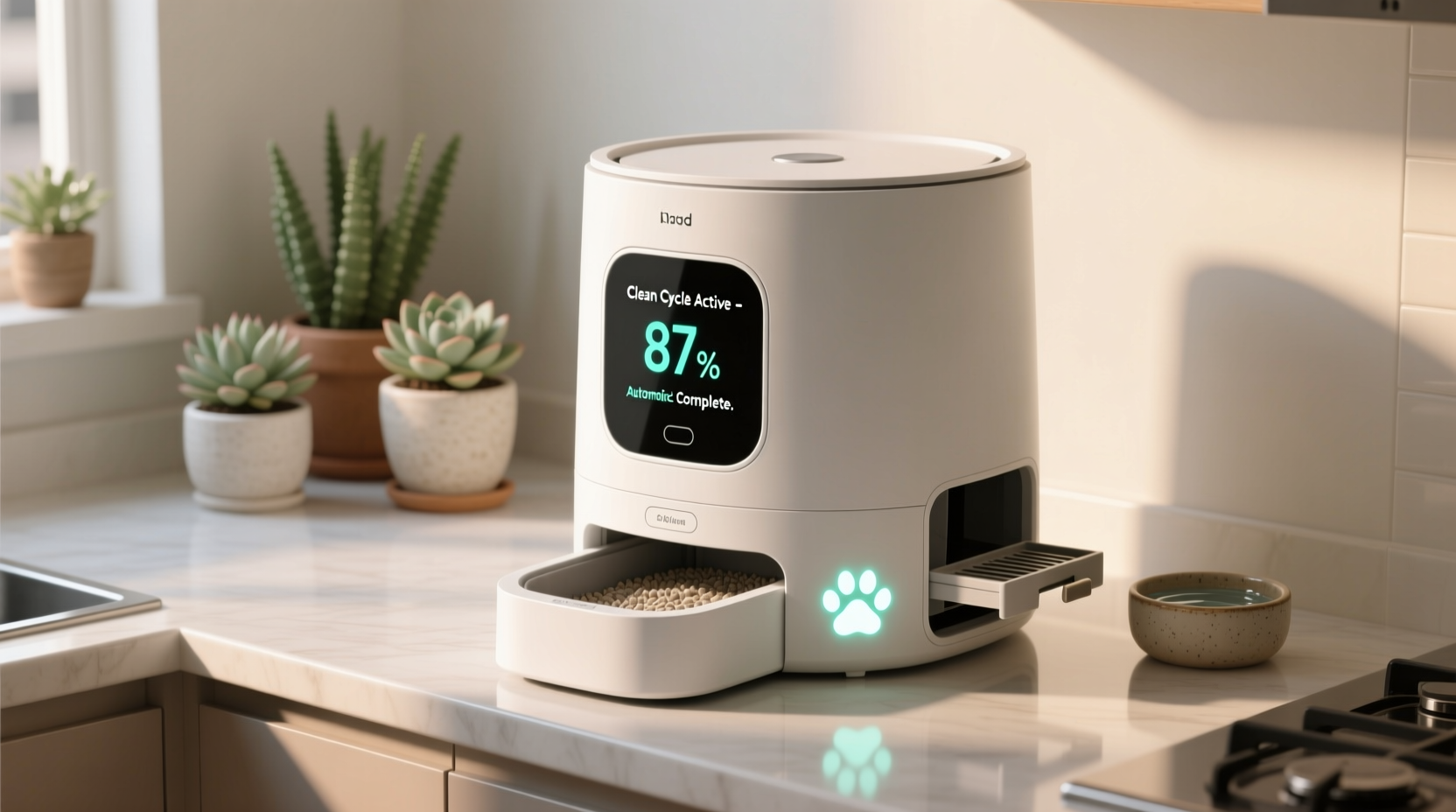
The Litter Robot is widely praised for its automated sifting, quiet operation, and app connectivity. However, its premium pricing, complex setup, and reliance on proprietary accessories make it inaccessible or impractical for many pet owners. Additionally, some cats are hesitant to adapt to its rotating globe design. A well-chosen alternative offers comparable functionality—automatic waste separation, reduced odor, and minimal scooping—at a fraction of the cost.
More importantly, affordability doesn’t have to mean sacrificing reliability. Several models now feature durable construction, intuitive sensors, and excellent waste containment, making them ideal for busy households, multi-cat homes, or those simply looking to streamline litter maintenance.
Tip: Look for models with removable trays and washable components—this reduces long-term cleaning effort and replacement costs.Top 5 Affordable & Reliable Alternatives Compared
The following list highlights the best-performing, budget-conscious automated litter boxes currently available. Each has been evaluated based on price, ease of use, noise level, capacity, and real-world owner feedback.
| Model | Price Range | Key Features | Cat Capacity | Notable Pros | Potential Drawbacks |
|---|---|---|---|---|---|
| PetSafe Scooper | $200–$250 | Semi-automatic raking system, carbon filter, waste drawer | 1–2 cats | Durable, simple mechanics, widely compatible with clumping litter | Louder than competitors; requires manual reset after each cycle |
| Omega Paw Roll'n | $45–$55 | Manual roll design, no electricity needed, dual-sieve system | 1–2 cats | Extremely affordable, highly effective sifting, easy to clean | Requires physical rolling; not fully automatic |
| Litter-Robot 3 Connect (Refurbished) | $350–$400 | Wi-Fi enabled, auto-reset, bonnet sensor, app alerts | Up to 4 cats | Near-original performance at 25% off retail | Still pricier than non-Litter Robot options; refurbished units vary in condition |
| IRIS XP Self-Cleaning Box | $120–$150 | Raking mechanism, top-entry design, odor cover | 1–2 cats | Quiet motor, compact footprint, easy assembly | Sensor can be overly sensitive; smaller waste drawer |
| Playful Pets CleanStep | $170–$200 | Automatic rake, LED indicator, large waste compartment | 1–3 cats | Battery or AC powered; sleek design; low litter scatter | Plastic durability concerns over time; limited app integration |
Choosing the Right Option: Key Factors to Consider
Selecting the best alternative depends on your lifestyle, number of cats, and expectations for automation. Here’s what to prioritize when comparing models:
- Automation Level: Fully automatic boxes detect use and initiate cleaning after a delay. Semi-automatic or manual systems like the Omega Paw require user input but offer savings and simplicity.
- Size & Entry Design: Top-entry models reduce litter tracking but may deter older or larger cats. Ensure the box fits your cat’s size and mobility.
- Noise Output: Some motors are loud enough to scare sensitive cats. Models like the IRIS XP operate quietly, making them better for skittish pets.
- Maintenance Needs: Units with removable trays and accessible waste compartments simplify cleaning. Avoid designs where waste gets trapped in hard-to-reach areas.
- Litter Compatibility: Most work best with clumping clay litter. Avoid lightweight or crystal litters unless specified by the manufacturer.
“Owners often overlook how much their cat’s behavior affects litter box success. A quieter, simpler mechanism can lead to better acceptance than a high-tech but intimidating unit.” — Dr. Lena Torres, Feline Behavior Consultant
Step-by-Step Guide to Transitioning Your Cat
Switching to a new litter box—especially an automated one—requires patience. Follow this timeline to ensure a smooth transition:
- Week 1: Introduce the New Box Alongside the Old One
Place the new litter box near the existing one, filled with the same litter. Let your cat investigate without pressure. - Week 2: Trigger Manual Cycles When Not in Use
Run the cleaning cycle when your cat is elsewhere to familiarize them with the sound. Reward calm behavior with treats. - Week 3: Encourage Use with Positive Reinforcement
Guide your cat into the box after meals or naps. Praise or reward them if they use it. - Week 4: Retire the Old Box
Once consistent use is observed, remove the old box. Monitor for any avoidance or accidents.
Mini Case Study: The Martinez Family’s Multi-Cat Solution
The Martinez household includes three cats: Luna (12 years old), Milo (3), and Jasper (1). They initially purchased a Litter Robot but found the ongoing cost of liners and frequent resets unsustainable. After researching alternatives, they opted for two PetSafe Scooper units placed in separate rooms.
Within two weeks, all cats adapted successfully. The family appreciated the predictable cleaning cycle and larger waste drawer, which required emptying only once every 4–5 days. Despite the initial learning curve with the reset button, they saved over $200 compared to buying a second Litter Robot. “It’s not as flashy,” says Maria Martinez, “but it works reliably and fits our budget.”
Essential Checklist Before Buying
Before purchasing any automated litter box, confirm the following:
- ✅ Compatible with your cat’s weight and size
- ✅ Works with your preferred litter type (clay, corn, etc.)
- ✅ Fits in your designated space with room for access and ventilation
- ✅ Includes replaceable or washable filters (if applicable)
- ✅ Offers a warranty or return policy in case of defects
- ✅ Easy to disassemble for cleaning
- ✅ Low litter scatter design to minimize mess
Frequently Asked Questions
Can I use regular scoopable litter in these alternatives?
Yes, most self-cleaning boxes are designed for standard clumping litter. Avoid lightweight, silica crystal, or flushable litters unless explicitly supported by the manufacturer, as they can interfere with sensor function or clog mechanisms.
How often do I need to clean the machine?
Empty the waste drawer every 2–4 days depending on usage. Perform a full wipe-down of the interior and rake mechanism monthly to prevent buildup and odor retention. Replace carbon filters every 1–2 months.
Are cheaper models durable enough for long-term use?
Many mid-range models, such as the PetSafe Scooper and Omega Paw, are built with sturdy plastic and mechanical simplicity that enhances longevity. With proper care, they can last 3–5 years or more—often outperforming pricier units with fragile electronics.
Final Thoughts: Smart Care Doesn’t Have to Be Expensive
Automated litter solutions should enhance cat care, not complicate it with high costs or unreliable technology. The best Litter Robot alternatives prove that efficiency, cleanliness, and peace of mind are achievable without overspending. Whether you choose a fully automatic model like the PetSafe Scooper or a brilliantly simple manual option like the Omega Paw, the key is matching the product to your home’s needs and your cat’s habits.
By focusing on reliability, ease of maintenance, and real-world usability, you can enjoy cleaner air, fewer scoops, and a happier cat—all while staying within budget.
🚀 Ready to simplify your routine? Evaluate one of these alternatives today and take the first step toward stress-free litter management. Share your experience or questions in the comments below—we’d love to hear how your cat adjusts!








