
Redness around the eyes is a common concern that affects people of all ages. It can range from mild irritation to persistent inflammation, often accompanied by discomfort or changes in appearance. While occasional redness may result from fatigue or environmental exposure, chronic or severe cases can signal underlying conditions such as allergies, infections, or skin disorders. Understanding the root causes, recognizing associated symptoms, and knowing which treatments are effective can help you address the issue promptly and prevent recurrence.
Common Causes of Redness Around the Eyes
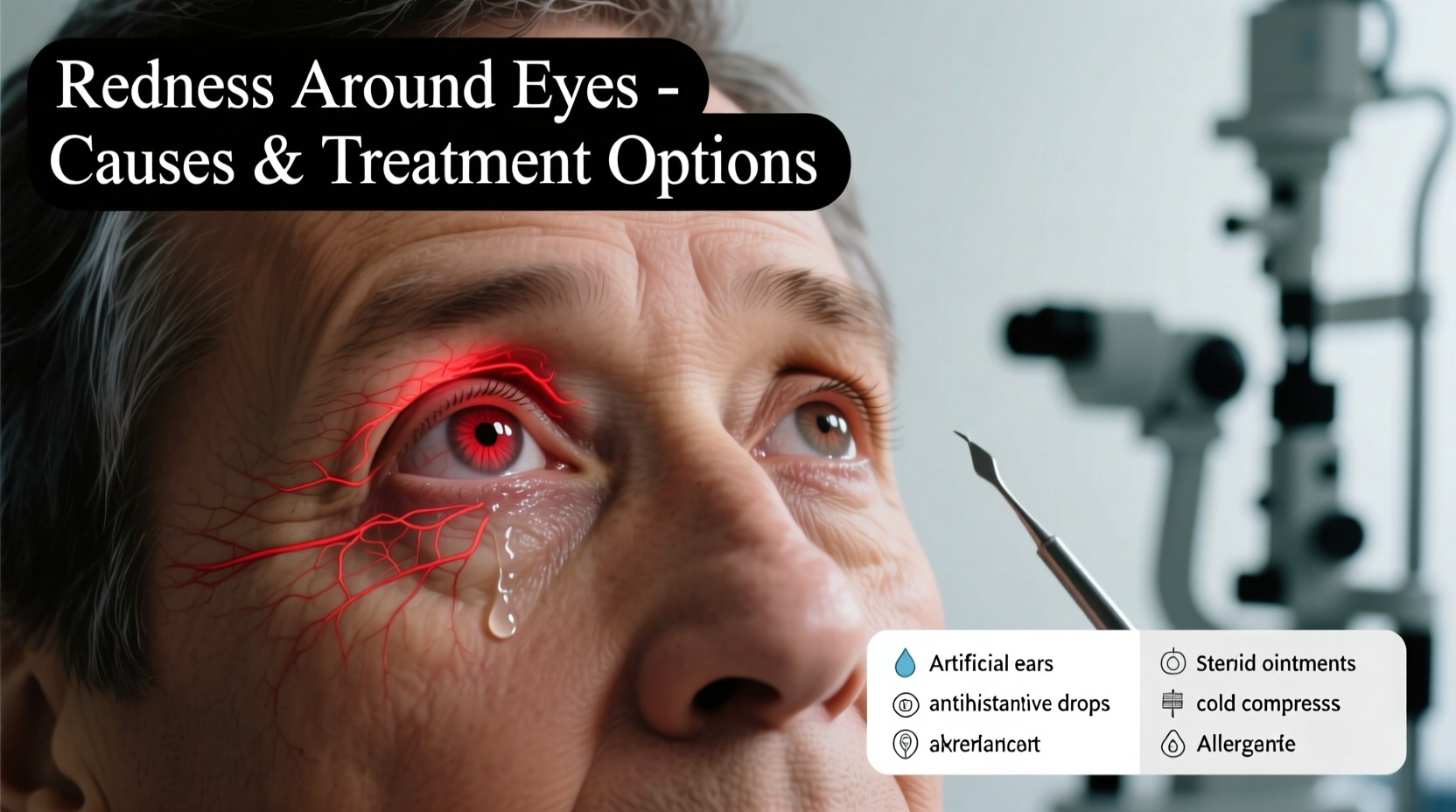
The delicate skin surrounding the eyes is thinner and more sensitive than elsewhere on the face, making it particularly vulnerable to irritation. Several factors can trigger redness in this area:
- Allergies: Seasonal allergens like pollen, dust mites, or pet dander can provoke allergic reactions, leading to itchy, watery, and red eyes and eyelids.
- Dry Eye Syndrome: Insufficient tear production or poor tear quality can cause ocular surface irritation, often resulting in redness and a gritty sensation.
- Blepharitis: A chronic condition involving inflammation of the eyelid margins, usually due to bacterial overgrowth or skin conditions like seborrheic dermatitis.
- Contact Dermatitis: Exposure to irritants such as cosmetics, fragrances, or skincare products can lead to allergic or irritant-induced redness and swelling.
- Conjunctivitis (Pink Eye): Viral or bacterial infections cause contagious inflammation of the conjunctiva, characterized by redness, discharge, and discomfort.
- Eyestrain: Prolonged screen use, reading, or inadequate lighting can strain the eyes and contribute to redness.
- Skin Conditions: Eczema (atopic dermatitis), rosacea, and psoriasis frequently affect the periorbital area, causing red, flaky, or swollen skin.
Symptoms Associated with Periocular Redness
Redness rarely occurs in isolation. It’s often accompanied by other signs that can help pinpoint the underlying cause:
- Itching or burning sensation
- Swelling of the eyelids
- Watery or dry eyes
- Crusting along the lash line (common in blepharitis)
- Discharge (yellow or green in bacterial infection)
- Sensitivity to light
- Flaking or peeling skin
- Blurred vision (in more serious cases)
Acute symptoms like sudden swelling, pain, or vision changes require immediate medical evaluation to rule out serious conditions such as orbital cellulitis or uveitis.
Treatment Options Based on Cause
Effective treatment depends on accurately identifying the cause. Self-treatment without diagnosis can worsen some conditions, especially those involving infection or autoimmune responses.
| Cause | Treatment Approach | Over-the-Counter Options | Prescription Needed? |
|---|---|---|---|
| Allergies | Avoid allergens, antihistamines, cool compresses | Oral antihistamines, allergy eye drops | No, unless severe |
| Blepharitis | Lid hygiene, warm compresses, antibiotics | Cleansing wipes, artificial tears | Sometimes (topical/oral antibiotics) |
| Contact Dermatitis | Remove irritant, topical corticosteroids | Hydrocortisone cream (short-term) | Potential need for stronger steroids |
| Bacterial Conjunctivitis | Antibiotic eye drops | None effective without prescription | Yes |
| Viral Conjunctivitis | Supportive care, hygiene | Artificial tears, cold compresses | No (self-limiting) |
| Dry Eye | Artificial tears, lifestyle changes | Lubricating eye drops, omega-3 supplements | Possibly (anti-inflammatory drops) |
“Persistent redness around the eyes should never be ignored. Even seemingly minor symptoms can indicate chronic inflammation or an undiagnosed systemic condition.” — Dr. Lena Patel, Ophthalmologist & Cornea Specialist
Step-by-Step Home Care Routine for Mild Redness
If symptoms are mild and not worsening, a structured at-home approach can provide relief and support healing. Follow these steps consistently for 3–5 days before seeking further help:
- Stop Using New Products: Discontinue any recently introduced makeup, skincare, or cleansers near the eyes.
- Apply a Cool Compress: Use a clean cloth soaked in cool water. Apply gently to closed eyes for 5–10 minutes, 2–3 times daily.
- Cleanse Gently: Wash the eyelids with lukewarm water and a fragrance-free, hypoallergenic cleanser. Avoid scrubbing.
- Use Artificial Tears: Preservative-free lubricating eye drops can soothe dryness and flush out irritants.
- Avoid Rubbing: Touching or rubbing the eyes increases inflammation and risk of infection.
- Rest Your Eyes: Reduce screen time, take breaks every 20 minutes (20-20-20 rule), and ensure adequate sleep.
- Monitor Symptoms: Track improvements or worsening signs. Seek care if no improvement in 3 days or if pain/vision changes occur.
Mini Case Study: Managing Chronic Eyelid Redness
Sarah, a 34-year-old graphic designer, experienced recurring redness and flaking on her upper eyelids for over six months. She initially attributed it to stress and long work hours. After trying various eye creams and antihistamines without success, she consulted an ophthalmologist. The diagnosis was seborrheic blepharitis combined with mild allergic contact dermatitis from her eyeliner pencil.
Her treatment plan included daily lid scrubs with a gentle foaming cleanser, discontinuation of all eye makeup containing fragrance, twice-daily application of a prescribed antibiotic ointment, and use of preservative-free artificial tears. Within three weeks, her symptoms significantly improved. Sarah now maintains a minimalist eye-care routine and avoids known irritants, preventing flare-ups.
Prevention Checklist
To reduce the likelihood of future episodes, follow this actionable checklist:
- ✅ Remove eye makeup thoroughly every night
- ✅ Replace mascara and liquid eyeliner every 3–6 months
- ✅ Choose fragrance-free, hypoallergenic eye products
- ✅ Wash pillowcases and towels weekly in hot water
- ✅ Stay hydrated and maintain a balanced diet rich in omega-3s
- ✅ Use wraparound sunglasses outdoors to block wind and allergens
- ✅ Blink frequently during screen use to prevent dryness
- ✅ Avoid sharing towels, eye drops, or cosmetics
Frequently Asked Questions
Can lack of sleep cause redness around the eyes?
Yes. Sleep deprivation reduces circulation and increases fluid retention, leading to puffiness and visible blood vessels under and around the eyes. Chronic poor sleep can also weaken the skin barrier, making it more reactive to irritants.
Is it safe to use hydrocortisone cream near the eyes?
Only under short-term, supervised use. Overuse of steroid creams on thin periocular skin can cause thinning, discoloration, or increased intraocular pressure. Always consult a doctor before applying steroids near the eyes.
When should I see a doctor for eye redness?
Seek medical attention if you experience pain, vision changes, sensitivity to light, thick discharge, or if redness spreads beyond the eyelids. Also consult a professional if symptoms persist beyond a few days despite home care.
Take Control of Your Eye Health
Redness around the eyes is more than a cosmetic issue—it’s often a signal from your body that something needs attention. Whether triggered by environment, habits, or health conditions, addressing the root cause leads to lasting relief. With proper care, awareness, and timely intervention, most cases can be managed effectively. Don’t ignore persistent symptoms. Prioritize your eye health just as you would your vision: with knowledge, prevention, and action.
💬 Have you experienced redness around your eyes? Share your story or tips in the comments—your insight could help someone find relief.








