
Redness under the eyes is a widespread concern that affects people of all ages and skin types. While often dismissed as a minor cosmetic issue, persistent redness can signal underlying health conditions or lifestyle imbalances. Unlike dark circles or puffiness, red under-eye areas involve visible blood vessels, inflammation, or irritated skin—making them more sensitive to treatment. Understanding what triggers this condition is the first step toward effective relief. From allergies to skincare habits, multiple factors contribute to redness beneath the eyes. This guide explores the root causes, science-backed treatments, and practical steps to restore calm, even-toned skin.
Understanding the Under-Eye Skin Structure
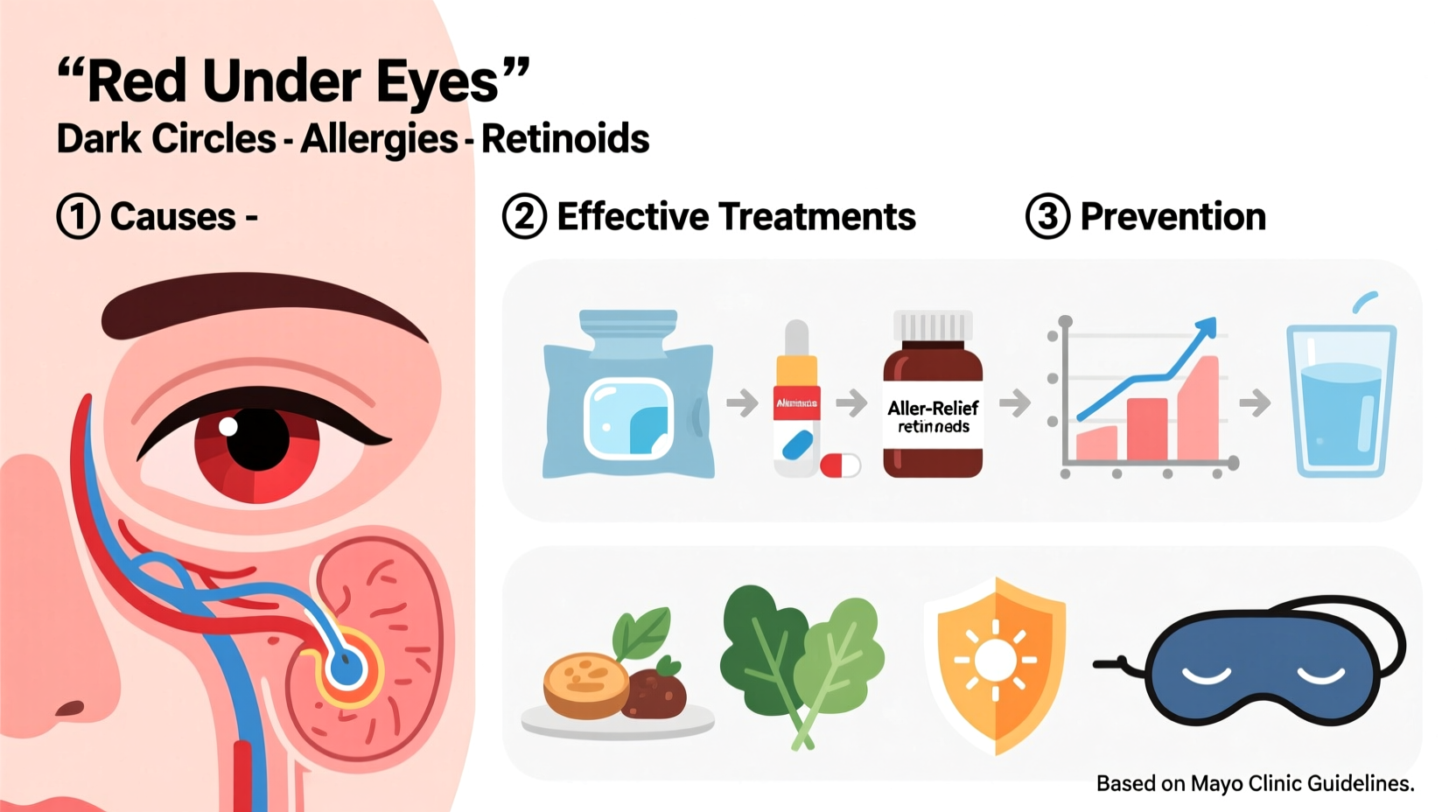
The skin beneath the eyes is among the thinnest on the body—only 0.5 mm thick compared to 2 mm on the face. This delicate layer makes blood vessels more visible and increases susceptibility to irritation. Additionally, the area has fewer oil glands, making it prone to dryness and environmental damage. When compromised, the skin reacts with redness, flaking, or swelling. Because of its vulnerability, even mild stressors like rubbing, harsh products, or lack of sleep can trigger noticeable changes. Recognizing the fragility of this zone is essential for choosing appropriate care strategies.
Tip: Always use gentle, fragrance-free products around the eyes to avoid irritating the thin skin.Common Causes of Red Under Eyes
Redness under the eyes rarely stems from a single cause. Instead, it’s typically the result of overlapping internal and external factors. Identifying the primary contributor is crucial for targeted treatment.
- Allergies: Seasonal pollen, pet dander, dust mites, or cosmetic ingredients can trigger histamine release, causing blood vessel dilation and itching.
- Dry Skin: Lack of moisture leads to micro-cracks in the skin barrier, resulting in redness and irritation.
- Rubbing or Scratching: Mechanical trauma from touching or wiping the eyes aggravates capillaries and worsens inflammation.
- Sleep Deprivation: Poor circulation and fluid buildup contribute to dullness and visible red veins.
- Dietary Triggers: Excess salt, alcohol, or spicy foods can dilate blood vessels and increase under-eye redness.
- Skin Conditions: Eczema (atopic dermatitis), rosacea, or contact dermatitis frequently manifest in the periorbital area.
- Aging: As collagen declines, skin thins further, making underlying vessels more apparent.
“Persistent redness under the eyes should never be ignored—especially if accompanied by itching or scaling. It could indicate an allergic reaction or chronic skin condition.” — Dr. Lena Torres, Board-Certified Dermatologist
Effective Treatments and Remedies
Treatment depends on the underlying cause. A one-size-fits-all approach often fails because redness from allergies requires different management than that caused by eczema or dryness. Below are evidence-based solutions tailored to specific triggers.
For Allergy-Induced Redness
If your symptoms flare seasonally or after using certain products, allergies may be the culprit. Antihistamines (oral or topical) can provide rapid relief. Over-the-counter options like loratadine or cetirizine reduce systemic histamine response. For localized irritation, cool compresses constrict blood vessels and soothe itchiness.
Moisturization for Dryness and Barrier Repair
Use a hypoallergenic eye cream containing ceramides, hyaluronic acid, or shea butter. These ingredients reinforce the skin barrier and retain hydration. Apply twice daily with a fingertip using a patting motion—never rub.
Medical Treatments for Chronic Conditions
In cases of eczema or rosacea, prescription treatments may be necessary. Topical calcineurin inhibitors (like tacrolimus) are effective for eczema without the side effects of steroids. For rosacea-related redness, dermatologists may recommend azelaic acid or laser therapy to reduce vascular visibility.
Tip: Avoid eye creams with alcohol, fragrance, or essential oils—they can worsen irritation and redness.Step-by-Step Guide to Reduce Redness in 7 Days
Follow this structured plan to assess, treat, and monitor under-eye redness over one week:
- Day 1–2: Identify Triggers – Eliminate new skincare products, track diet, and note environmental exposure (e.g., dust, pets).
- Day 3: Patch Test Gentle Products – Introduce a fragrance-free moisturizer behind the ear to check for reactions.
- Day 4: Begin Soothing Routine – Use a cold compress for 5 minutes morning and night; apply a barrier-repair eye cream.
- Day 5: Evaluate Progress – If redness persists, consider OTC antihistamines if allergies are suspected.
- Day 6: Avoid Irritants – Stop using makeup around the eyes, switch to fragrance-free laundry detergent.
- Day 7: Consult a Professional – If no improvement, see a dermatologist for diagnosis and prescription treatment.
Do’s and Don’ts: Quick Reference Table
| Do’s | Don’ts |
|---|---|
| Use fragrance-free, hypoallergenic skincare | Apply retinoids or exfoliants too close to the eyes |
| Pat skincare gently—never rub | Sleep with eye makeup on |
| Stay hydrated and limit salty foods | Touch or scratch the under-eye area |
| Use cool compresses for immediate soothing | Use expired or shared cosmetics |
Real-Life Example: Managing Chronic Under-Eye Redness
Sophia, a 34-year-old teacher, struggled with recurring redness and flaking under her eyes for over a year. She assumed it was due to fatigue and used brightening concealers to mask the appearance. After developing intense itching during spring, she consulted a dermatologist. Patch testing revealed an allergy to fragrance in her facial cleanser and moisturizer. Upon switching to fragrance-free products and using a prescription anti-inflammatory ointment for two weeks, her symptoms resolved significantly. This case highlights how seemingly minor product ingredients can cause prolonged irritation—especially in sensitive zones.
Frequently Asked Questions
Can lack of sleep cause red under eyes?
Yes. Sleep deprivation reduces oxygen flow to the skin, increasing the visibility of blood vessels. It also weakens the skin barrier, making it more reactive to irritants. While not the sole cause, poor sleep exacerbates existing redness.
Is redness under the eyes a sign of something serious?
Usually not. However, if redness is accompanied by swelling, pain, vision changes, or spreads beyond the eye area, it may indicate infection or autoimmune conditions like lupus. In such cases, prompt medical evaluation is necessary.
Are natural remedies like cucumber or tea bags effective?
Cucumber slices and chilled green tea bags offer temporary relief due to their cooling effect and mild anti-inflammatory compounds. Cucumbers contain antioxidants like vitamin C and caffeic acid, which may reduce irritation. While not a cure, they can complement other treatments for short-term soothing.
Prevention Checklist
Maintaining healthy under-eye skin requires consistency. Use this checklist to minimize future flare-ups:
- ✅ Switch to fragrance-free, non-comedogenic skincare products
- ✅ Wash pillowcases weekly in fragrance-free detergent
- ✅ Keep hands away from the face to prevent bacterial transfer
- ✅ Wear sunglasses outdoors to reduce squinting and UV exposure
- ✅ Stay hydrated and maintain a balanced diet low in processed foods
- ✅ Use a humidifier in dry environments to prevent skin dehydration
- ✅ Replace eye makeup every 3–6 months to avoid bacterial buildup
Conclusion: Take Control of Under-Eye Health
Red under eyes are more than a superficial concern—they reflect your overall skin health, lifestyle habits, and potential sensitivities. By identifying root causes and applying targeted, gentle treatments, most cases can improve significantly. Whether it’s adjusting your skincare routine, managing allergies, or seeking professional guidance, small changes yield lasting results. The delicate nature of under-eye skin demands patience and care, but with consistent attention, clarity and comfort are within reach.
💬 Have you found a solution that works for your under-eye redness? Share your experience in the comments to help others discover effective, real-world remedies.








