
Dog owners often notice their pets licking or chewing their paws after a walk, especially during allergy season. While occasional paw grooming is normal, persistent redness and itching are signs of underlying discomfort. Red, itchy paws can stem from a range of causes—some mild, others requiring urgent veterinary attention. Understanding the root issue, applying safe home remedies, and knowing when to seek professional help ensures your dog stays comfortable and healthy.
Common Causes of Red, Itchy Dog Paws
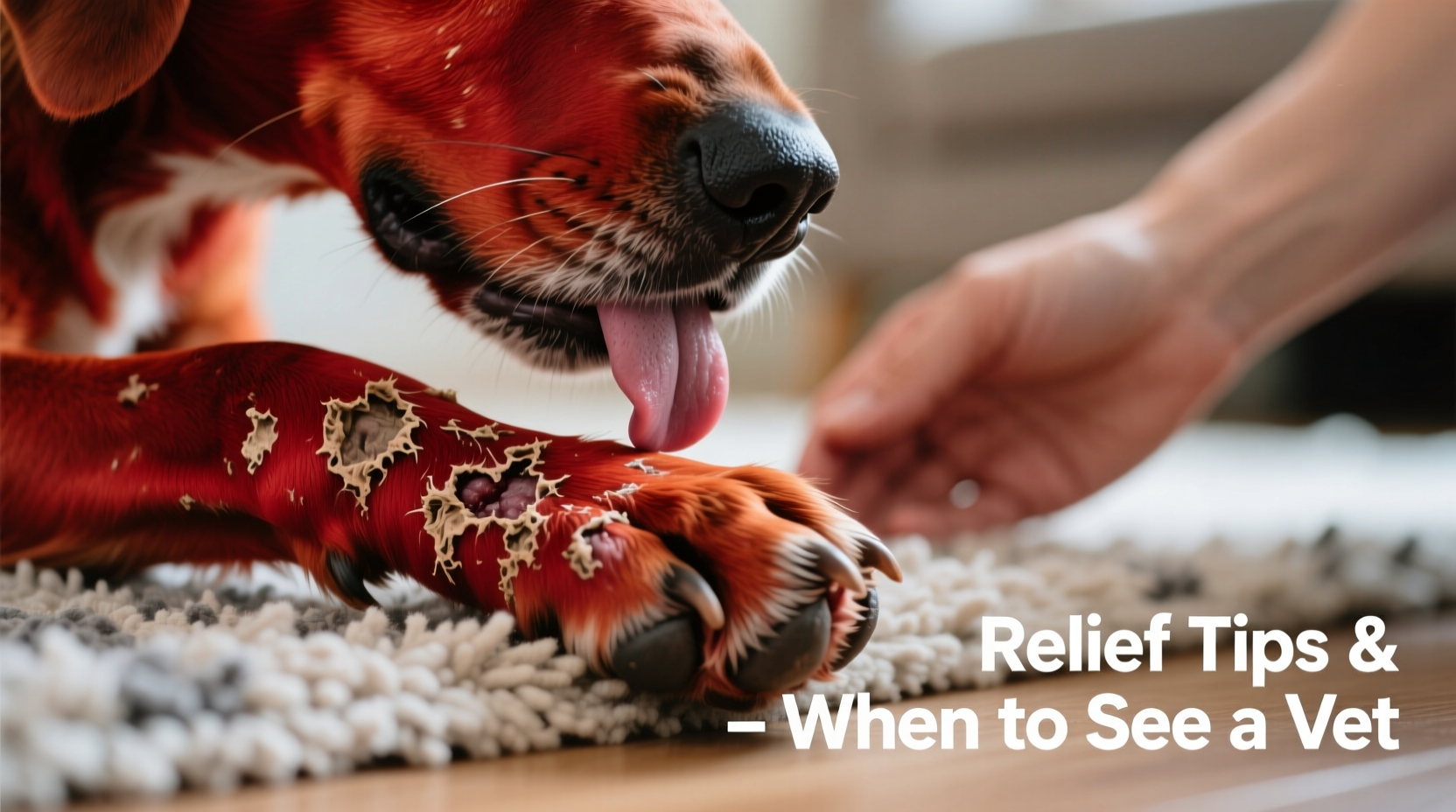
Dogs rely on their paws to interact with the world, making them vulnerable to irritants, allergens, and infections. The most frequent causes include:
- Allergies (Environmental or Food): Pollen, mold, dust mites, or certain ingredients in food can trigger allergic reactions, leading to inflamed, itchy paws.
- Yeast or Bacterial Infections: Moisture trapped between paw pads creates an ideal environment for yeast (like Malassezia) or bacteria to grow, causing redness, odor, and irritation.
- Foreign Objects: Splinters, grass seeds, or burrs lodged between toes provoke localized inflammation and excessive licking.
- Parasites: Mites such as Demodex or Sarcoptes can infest paw skin, leading to intense itching and secondary infections.
- Chemical Irritants: De-icing salts, cleaning agents, or pesticides on lawns can burn or irritate sensitive paw pads.
- Autoimmune Disorders: Rare conditions like pemphigus can cause blistering and ulceration on paw surfaces.
Home Relief Strategies for Mild Cases
Not every case of red, itchy paws requires a vet visit. For mild irritation, several at-home treatments can provide relief and prevent worsening symptoms.
- Paw Rinsing Routine: After outdoor activity, rinse your dog’s paws with lukewarm water to remove allergens, salt, or chemicals. Use a gentle pet-safe cleanser if needed.
- Epsom Salt Soak: Soak each paw in a solution of warm water and Epsom salt (1 tablespoon per cup) for 5–10 minutes. This reduces swelling and draws out debris.
- Coconut Oil Application: Apply a small amount of organic, unrefined coconut oil to soothe dry, cracked pads. It has natural antimicrobial properties but should not be used on open wounds.
- Antihistamines (Veterinarian-Approved): Over-the-counter options like diphenhydramine (Benadryl) may reduce allergic itching, but only use under veterinary guidance due to dosage sensitivity.
- Paw Balm or Barrier Creams: Use veterinarian-recommended balms to protect and heal damaged paw skin, especially in winter or high-pollution areas.
When Home Care Isn’t Enough
If redness persists beyond 48 hours, spreads, or is accompanied by limping, discharge, or behavioral changes, stop home treatments and consult a vet. Self-treatment can delay diagnosis and worsen infections.
Do’s and Don’ts: Managing Itchy Paws Safely
| Do | Don’t |
|---|---|
| Inspect paws daily for cuts, swelling, or embedded objects | Allow continuous licking or chewing without intervention |
| Use an Elizabethan collar (cone) to prevent self-trauma | Apply human creams or medications without vet approval |
| Keep nails trimmed to reduce pressure on paw pads | Ignore foul odors or discharge between toes |
| Switch to hypoallergenic dog food if food allergies are suspected | Use harsh soaps or alcohol-based cleaners on irritated skin |
| Consult your vet before starting supplements or antihistamines | Delay veterinary care if symptoms worsen or recur frequently |
Expert Insight: What Vets Look For
Veterinarians emphasize that chronic paw licking is rarely just a behavioral issue—it's usually medical. A thorough diagnostic process helps identify the real cause.
“Red, itchy paws are one of the top reasons dogs come into our clinic. We start with a dermatological exam, check for parasites, and often perform cytology to detect yeast or bacteria. Never assume it’s just allergies—sometimes it’s a foreign body deep in the tissue.” — Dr. Laura Simmons, DVM, Veterinary Dermatology Specialist
Diagnostic tools may include skin scrapings, fungal cultures, blood tests, or elimination diet trials. Treatment varies significantly based on the diagnosis, ranging from antifungal medication to immunosuppressive therapy.
Mini Case Study: Max the Labrador’s Seasonal Paw Problems
Max, a 4-year-old Labrador, began excessively licking his front paws every spring. His owner initially dismissed it as habit, but over two years, the redness worsened, and Max started limping after yard play. A vet visit revealed elevated IgE levels and positive reaction to grass pollen. Max was diagnosed with atopic dermatitis. Under veterinary supervision, he was placed on a monthly anti-itch medication (lokivetmab), switched to a hydrolyzed protein diet, and given weekly paw rinses. Within six weeks, paw licking decreased by 90%, and Max resumed normal activity.
This case highlights how recurring symptoms—even if mild at first—can indicate progressive conditions that benefit from early professional intervention.
Step-by-Step Guide: Responding to Red, Itchy Paws
Follow this timeline to assess and manage your dog’s condition effectively:
- Day 1: Inspect paws thoroughly. Look for cuts, swelling, thorns, or discoloration. Clean gently with warm water.
- Day 2: Begin Epsom soak and apply pet-safe balm. Prevent licking with a cone if necessary.
- Day 3–4: Monitor for improvement. If redness fades and licking stops, continue care.
- Day 5: If no improvement or symptoms worsen (odor, limping, pus), schedule a vet appointment.
- Week 2: Follow vet-prescribed treatment. Recheck if symptoms return after initial success.
Frequently Asked Questions
Can I use human antifungal cream on my dog’s paws?
No. Many human antifungal creams contain corticosteroids or other ingredients toxic to dogs if ingested. Always use veterinarian-approved topical treatments.
Why does my dog only lick his paws at night?
Evening licking may be due to accumulated allergens from the day, increased quiet allowing focus on discomfort, or anxiety-related behavior. However, if redness is present, it’s likely physical, not behavioral.
Are certain breeds more prone to itchy paws?
Yes. Dogs with flat faces (brachycephalic breeds) like Bulldogs and Pugs, as well as Retrievers and Terriers, have higher rates of environmental allergies and skin fold infections that affect paws.
Conclusion: Prioritize Your Dog’s Comfort and Health
Red, itchy paws are more than just a nuisance—they’re a signal from your dog that something isn’t right. While mild cases can be managed at home with diligent hygiene and preventive care, persistent or severe symptoms demand veterinary evaluation. Early diagnosis prevents secondary infections, reduces suffering, and can uncover broader health issues like food sensitivities or immune disorders.
Stay observant, act promptly, and partner with your vet to keep your dog’s paws strong and pain-free. Your dog depends on you to interpret their silent cues—don’t ignore the signs beneath their feet.
💬 Have experience with itchy dog paws? Share your story or tips in the comments to help fellow pet owners find relief for their furry friends.








