The appearance of red dots under the eyes can be both puzzling and distressing. Unlike common dark circles or puffiness, these tiny spots often signal underlying issues ranging from minor irritation to systemic conditions. While they’re usually harmless, persistent or spreading red dots may require medical evaluation. Understanding what triggers them—and how to treat and prevent recurrence—is essential for maintaining not only skin health but also overall well-being.
What Are Red Dots Under the Eyes?
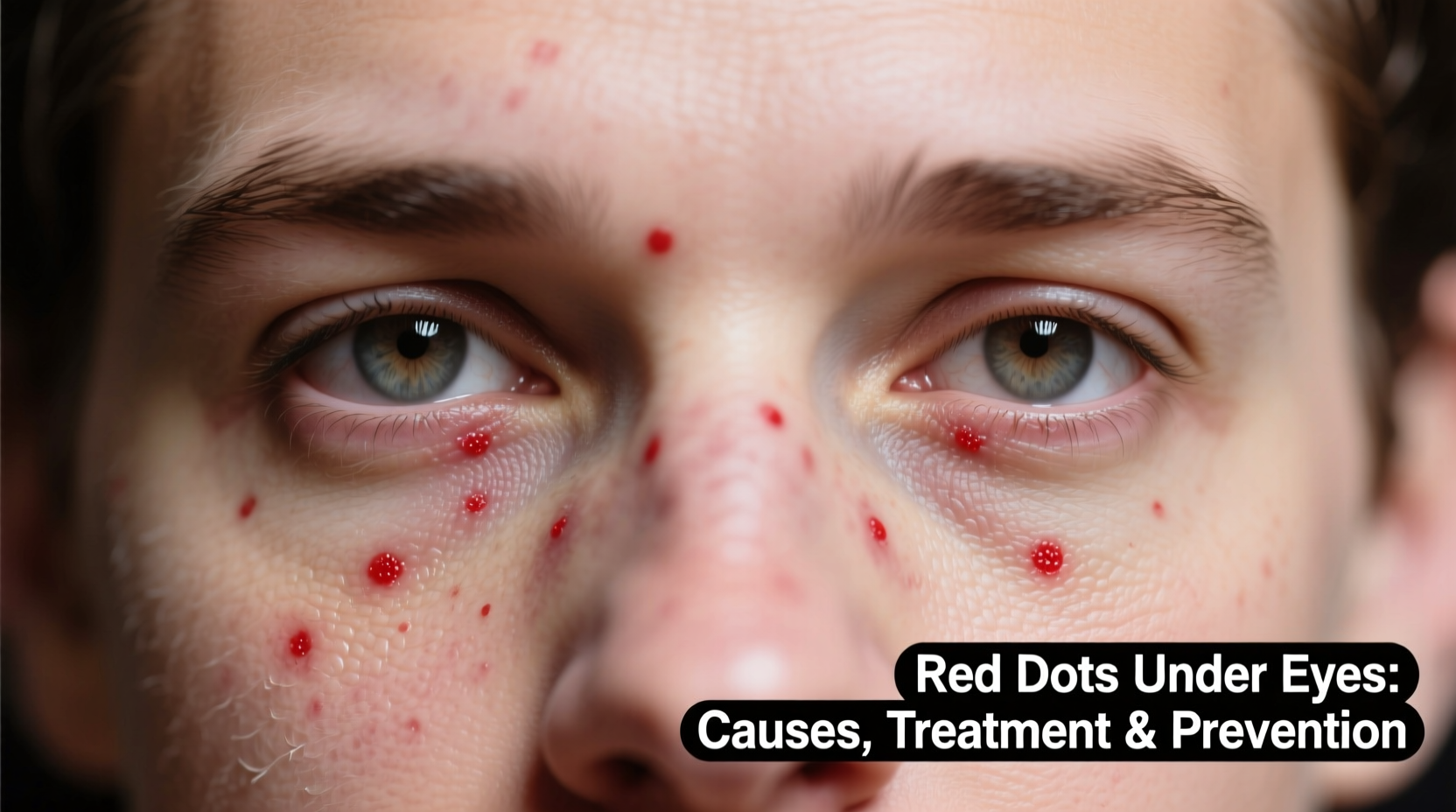
Red dots under the eyes typically refer to small, pinpoint spots that appear on the delicate skin beneath the lower eyelids. They may resemble freckles, broken blood vessels, or even clusters of tiny bumps. Medically, these can fall into several categories:
- Petechiae: Tiny red or purple spots caused by minor bleeding under the skin.
- Telangiectasia: Dilated capillaries visible through the thin skin.
- Allergic eruptions: Small bumps or rashes due to contact with irritants.
- Cherry angiomas: Benign growths made of blood vessels, more common with age.
The skin around the eyes is among the thinnest on the body—only about 0.5 mm thick—which makes it highly susceptible to showing vascular changes and inflammatory responses more prominently than other areas.
Common Causes of Red Dots Under the Eyes
Several factors contribute to the development of red dots under the eyes. Identifying the root cause is crucial for effective treatment.
Skin Irritation and Allergies
Contact dermatitis is a frequent culprit. Ingredients in skincare products, makeup, or even laundry detergents can trigger allergic reactions. Common offenders include fragrances, preservatives like parabens, and alcohol-based toners. The reaction often presents as red, itchy dots or patches.
Rubbing or Trauma
Frequent eye rubbing—especially during allergies or fatigue—can rupture tiny capillaries, leading to petechiae. This is particularly common in people with dry eyes or seasonal allergies.
Tip: Avoid rubbing your eyes. Use a cold compress instead to soothe itchiness or swelling.Genetics and Aging
As we age, skin loses collagen and elasticity, making blood vessels more visible. Some individuals are genetically predisposed to fragile capillaries, which can lead to recurring red dots even without trauma.
Environmental Factors
Exposure to extreme temperatures, wind, or UV radiation can damage the microvasculature under the eyes. Sun exposure, in particular, weakens collagen and increases vascular visibility over time.
Systemic Health Conditions
In rare cases, red dots may indicate internal issues such as:
- Vitamin deficiencies (C or K): Affecting capillary strength.
- Autoimmune disorders: Like lupus, which can cause facial rashes.
- Blood clotting disorders: Leading to unexplained petechiae.
“Persistent red dots under the eyes, especially when accompanied by fatigue or bruising elsewhere, should prompt a visit to a healthcare provider.” — Dr. Lena Patel, Dermatologist at Boston Skin Institute
Treatment Options Based on Cause
Effective treatment depends entirely on identifying the underlying cause. Self-diagnosis can be misleading, so professional consultation is recommended when symptoms persist.
For Allergic Reactions
Discontinue use of suspected irritants immediately. Switch to hypoallergenic, fragrance-free products. Over-the-counter antihistamines (like cetirizine) or hydrocortisone cream (used sparingly and away from the eye) may reduce inflammation.
For Broken Capillaries
Laser therapy, particularly pulsed dye laser (PDL), is highly effective for eliminating visible blood vessels. It targets hemoglobin without damaging surrounding tissue. Typically, 1–3 sessions are needed, spaced 4–6 weeks apart.
Natural Remedies with Limited Evidence
While not substitutes for medical treatment, some find relief using:
- Cold green tea bags (anti-inflammatory properties)
- Aloe vera gel (soothing effect)
- Potato slices (enzymes may lighten pigmentation)
Note: These lack robust clinical backing but are generally safe if no allergy exists.
Medical Interventions
If systemic illness is suspected, blood tests may check for clotting function, vitamin levels, or autoimmune markers. Treatment then focuses on managing the primary condition.
Prevention Strategies for Long-Term Skin Health
Preventing red dots involves protecting the fragile periorbital area and addressing lifestyle contributors.
Sun Protection
Daily broad-spectrum SPF 30+ is non-negotiable. UV rays degrade collagen and increase vascular fragility. Wear sunglasses to reduce squinting and provide physical shade.
Gentle Skincare Routine
Use products labeled “for sensitive eyes” and avoid exfoliants near the orbital area. Pat—don’t rub—skin dry after cleansing.
Manage Allergies Proactively
If you suffer from hay fever or chronic allergies, start antihistamines before peak season. Keep windows closed and use HEPA filters indoors.
| Do’s | Don’ts |
|---|---|
| Use fragrance-free moisturizers | Apply retinoids too close to the eye |
| Wear sunscreen daily | Rub eyes vigorously |
| Stay hydrated | Use expired cosmetics |
| Get 7–8 hours of sleep | Sleep with makeup on |
Step-by-Step Guide to Addressing Red Dots
- Observe and Document: Note when the dots appeared, any recent product changes, or accompanying symptoms (itching, pain, fatigue).
- Eliminate Suspects: Stop using new skincare or makeup products for at least two weeks.
- Adopt Gentle Care: Cleanse with lukewarm water and a mild cleanser; apply a soothing moisturizer.
- Protect from Sun: Apply mineral-based sunscreen every morning.
- Monitor Progress: If no improvement in 10–14 days, consult a dermatologist.
- Seek Professional Diagnosis: Especially if dots spread, darken, or occur with other symptoms.
Real-Life Example: Sarah’s Experience
Sarah, a 34-year-old teacher, noticed small red dots appearing under her left eye each spring. Initially dismissing them as fatigue-related, she later realized they coincided with high pollen counts. After switching to fragrance-free laundry detergent and starting a daily antihistamine regimen, the dots stopped appearing. A dermatologist confirmed it was contact dermatitis exacerbated by seasonal allergies. Her case highlights how environmental triggers and personal care products interact to affect sensitive facial skin.
FAQ
Are red dots under the eyes dangerous?
In most cases, no. They are often benign and linked to irritation or minor capillary breaks. However, if they multiply rapidly, appear with bruising, or are accompanied by systemic symptoms (fever, joint pain), seek medical advice promptly.
Can lack of sleep cause red dots under the eyes?
Not directly. But poor sleep weakens skin barrier function and increases inflammation, making the area more prone to irritation and visible vessels. Chronic fatigue may also lead to more eye rubbing, indirectly causing petechiae.
How long do red dots last?
This varies. Petechiae from minor trauma fade within 7–14 days. Allergic reactions resolve once the irritant is removed. Persistent dots lasting beyond three weeks warrant evaluation.
Conclusion: Take Control of Your Skin Health
Red dots under the eyes are more than a cosmetic concern—they’re signals from your body. Whether stemming from an allergic reaction, environmental stress, or an underlying condition, they deserve attention. With consistent preventive habits, mindful product choices, and timely medical input when needed, you can maintain smooth, resilient skin around your eyes. Don’t ignore recurring signs; early action preserves both appearance and health.
🚀 Your skin tells a story—listen to it. Start a gentle eye care routine today, track changes, and consult a professional if red dots persist. Share your experience in the comments to help others navigate this common yet misunderstood issue.








