
Recurrent yeast infections affect nearly 75% of women at least once in their lives, with up to 8% experiencing four or more episodes annually. While occasional Candida overgrowth is common, frequent recurrence signals underlying imbalances that require attention beyond temporary relief. Understanding the root causes, navigating effective treatment protocols, and adopting sustainable prevention strategies are essential for long-term wellness. This guide breaks down the science behind recurrence, outlines evidence-based interventions, and provides practical steps to restore balance and confidence.
Understanding Recurrent Yeast Infections
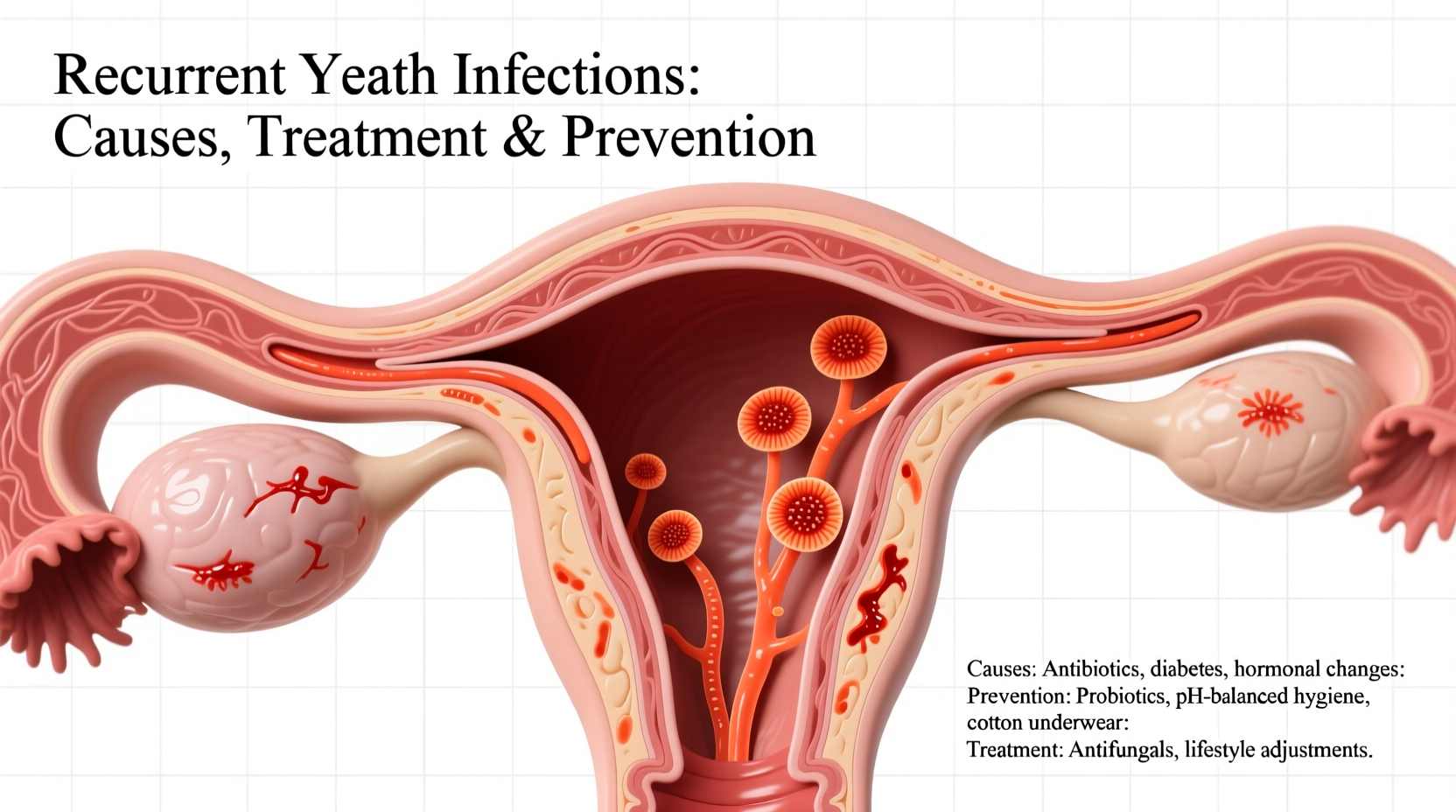
A vaginal yeast infection occurs when Candida albicans, a fungus naturally present in small amounts in the vagina, multiplies uncontrollably. Symptoms include itching, burning, thick white discharge, redness, and discomfort during intercourse or urination. When infections return four or more times within a year, they’re classified as recurrent vulvovaginal candidiasis (RVVC).
Unlike isolated cases often triggered by antibiotics or hormonal shifts, recurrent infections typically stem from deeper physiological disruptions. These may include immune dysfunction, persistent microbiome imbalance, undiagnosed health conditions, or behavioral patterns that unknowingly encourage fungal regrowth.
“Recurrent yeast infections aren’t just about hygiene—they reflect systemic factors like immune regulation, gut health, and metabolic stability.” — Dr. Lena Torres, OB-GYN and Infectious Disease Specialist
Common Causes of Recurrence
Identifying why infections keep returning is the first step toward lasting resolution. Below are key contributors supported by clinical research:
- Antibiotic Use: Broad-spectrum antibiotics disrupt healthy vaginal flora, eliminating protective bacteria like Lactobacillus that keep Candida in check.
- Hormonal Fluctuations: High estrogen levels—during pregnancy, oral contraceptive use, or hormone therapy—can promote yeast growth.
- Uncontrolled Blood Sugar: Elevated glucose feeds Candida. Women with poorly managed diabetes are at significantly higher risk.
- Weakened Immune System: Conditions like HIV, chronic stress, or autoimmune disorders impair the body’s ability to regulate fungal populations.
- Sexual Transmission: Though not classified as an STI, Candida can be passed between partners, contributing to reinfection.
- Tight or Synthetic Clothing: Non-breathable fabrics trap moisture and heat, creating an ideal environment for yeast proliferation.
Effective Medical and Natural Treatments
Treatment for RVVC differs from standard one-time therapies. Short-course topical creams may relieve symptoms temporarily but often fail to prevent relapse. A structured, extended regimen is usually required.
Medical Protocols
The CDC recommends a three-phase approach:
- Initial Intensive Therapy: Fluconazole 150 mg orally every 72 hours for three doses (days 1, 4, and 7).
- Maintenance Phase: Weekly fluconazole 150 mg for 6 months to suppress regrowth.
- Monitoring and Adjustment: Regular follow-ups to assess response and modify treatment if needed.
Topical azoles (clotrimazole, miconazole) used nightly for 10–14 days followed by weekly applications may also be effective, especially for those avoiding oral medication.
Natural and Supportive Therapies
While not substitutes for medical treatment, certain adjuncts show promise:
- Probiotics: Strains like Lactobacillus rhamnosus GR-1 and L. reuteri RC-14 help repopulate the vaginal microbiome when taken orally or vaginally.
- Boric Acid Suppositories: Used nightly for 14 days, particularly effective against non-albicans Candida species resistant to azoles.
- Dietary Modifications: Reducing refined sugar, alcohol, and high-glycemic foods may reduce yeast-favorable environments.
| Treatment Type | Duration | Effectiveness Rate | Notes |
|---|---|---|---|
| Fluconazole (oral) | 6 months (weekly) | ~90% | Requires liver function monitoring |
| Boric Acid (vaginal) | 14 days | ~70% | Ideal for resistant strains; avoid during pregnancy |
| Clotrimazole Cream | 7–14 days | ~60% | Best for mild-to-moderate cases |
| Probiotic Supplementation | Ongoing | Supportive (~50% reduction in recurrence) | Use clinically studied strains |
Prevention Strategies That Work
Preventing recurrence requires consistency and awareness. Small daily habits compound into significant protection over time.
Step-by-Step Prevention Plan
- Wear Breathable Underwear: Choose cotton-lined, loose-fitting underwear. Avoid thongs during high-risk periods.
- Change Out of Wet Clothing Promptly: After swimming or sweating, change into dry clothes within 30 minutes.
- Practice Gentle Hygiene: Rinse externally with water only. Avoid douches, scented soaps, and wipes containing parabens or fragrances.
- Manage Blood Sugar: For those with insulin resistance or diabetes, aim for fasting glucose below 100 mg/dL.
- Support Gut Health: Consume fermented foods (kefir, sauerkraut) and fiber-rich plants to maintain a balanced microbiome.
- Consider Partner Treatment: If infections correlate with sexual activity, male partners may benefit from antifungal cream to break transmission cycles.
Mini Case Study: Breaking the Cycle
Sarah, a 34-year-old teacher, experienced monthly yeast infections for two years. Each episode followed her antibiotic treatment for sinus infections. Despite using over-the-counter creams, symptoms returned within weeks. After consulting a specialist, she discovered low vaginal Lactobacillus levels and began a regimen combining weekly fluconazole, daily probiotics, and dietary changes—eliminating sugary snacks and increasing garlic and coconut oil intake. Within four months, her symptoms ceased. By month six, she discontinued maintenance therapy and remained infection-free for over a year.
Her success highlights the importance of addressing both immediate symptoms and root causes through integrated care.
Frequently Asked Questions
Can men get yeast infections too?
Yes. Men can develop penile yeast infections, especially after unprotected sex with an infected partner or if they have diabetes. Symptoms include redness, itching, and a rash on the penis. Topical antifungals usually resolve it within a week.
Is it safe to use boric acid long-term?
Boric acid is generally safe for short-term use (up to 14 days). Long-term or frequent use is not recommended due to potential irritation and toxicity if absorbed. Always consult a healthcare provider before starting.
Do birth control pills cause yeast infections?
Some studies suggest combined oral contraceptives (with estrogen) may increase susceptibility in prone individuals. Progesterone-only methods carry lower risk. Discuss alternatives with your doctor if infections coincide with pill use.
Final Thoughts and Call to Action
Recurring yeast infections are more than a nuisance—they’re a signal. Whether driven by medication side effects, lifestyle habits, or underlying health issues, they demand thoughtful, sustained responses. With accurate diagnosis, appropriate treatment, and consistent prevention, most women can achieve lasting relief.
You don’t have to accept this cycle as normal. Track your symptoms, seek specialized care when needed, and take proactive steps to support your body’s natural balance. Share your experience or questions in the comments below—your story could help someone else find clarity and healing.
💬 Your journey matters. Share what’s worked for you—or what you’re still struggling with—and let’s build a community of informed, empowered women taking control of their health.








