Carrying keys is a daily necessity, but how we personalize them says a lot about our style and priorities. Rabbit keychains and animal figurines are both popular choices—adorable, symbolic, and widely available. But when it comes to function versus form, one question keeps surfacing: are animal figurines simply too bulky or impractical to serve as functional keychains?
This isn’t just about aesthetics. It’s about usability, pocket comfort, longevity, and even safety. A charm that tangles in your bag or pokes through fabric might look cute on a display shelf—but does it work in real life? Let’s explore the rabbit keychain versus general animal figurines with an eye toward practicality, design, and everyday use.
The Allure of Animal-Themed Keychains
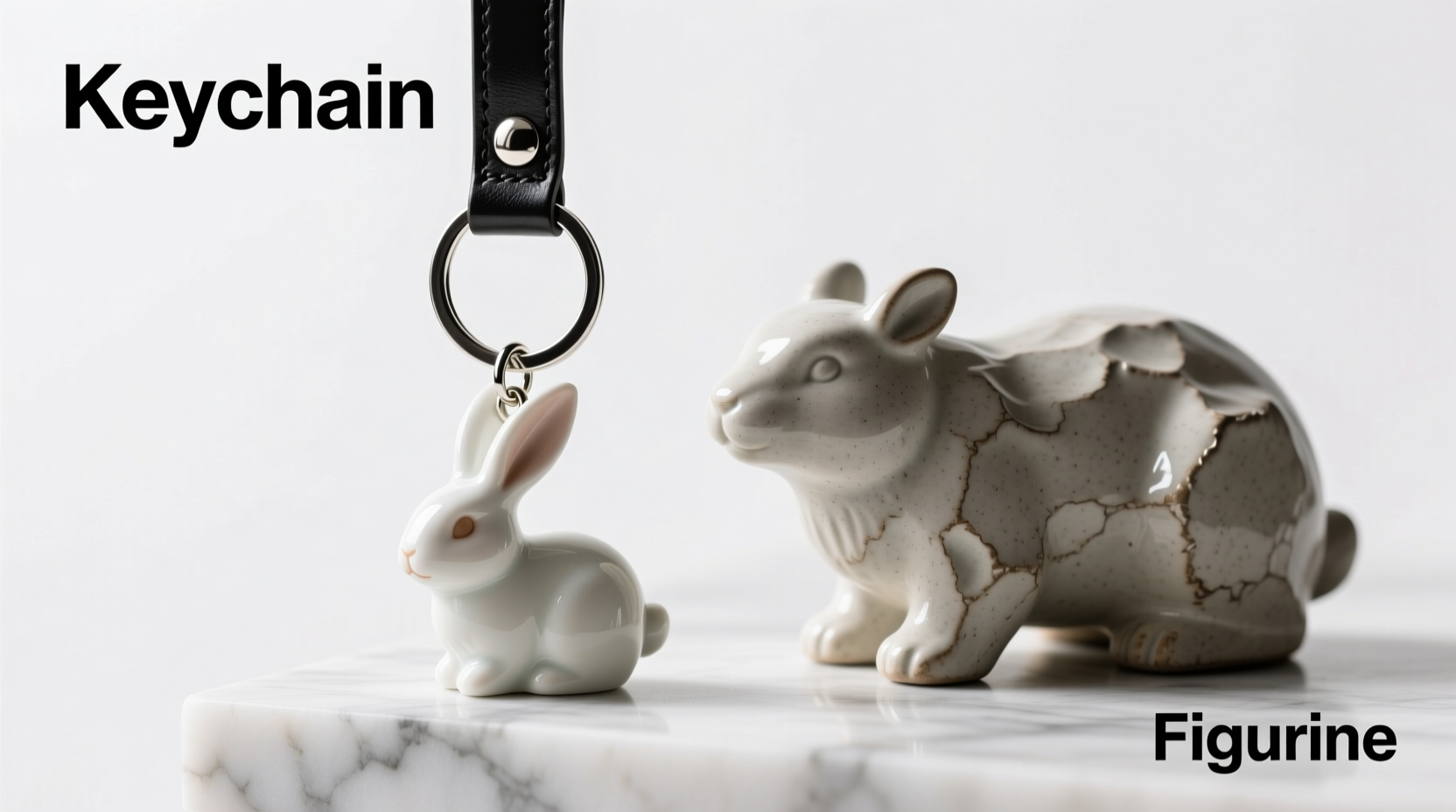
Animal-themed accessories have long been a favorite among jewelry and accessory lovers. From minimalist silhouettes to highly detailed sculptures, these charms carry emotional weight—symbols of luck, personality, or connection to nature. The rabbit, in particular, is associated with fertility, agility, and good fortune across cultures, making it a frequent motif in keychains and trinkets.
Yet while rabbits may be small creatures in the wild, their figurine counterparts aren’t always scaled down for convenience. Many so-called “rabbit keychains” fall into the broader category of animal figurines—solid metal, resin, or enamel pieces that prioritize artistic detail over ergonomics.
“Design should serve purpose first. When a keychain becomes more ornament than tool, it starts working against the user.” — Lena Tran, Industrial Designer at Urban Gear Labs
Functional Design: What Makes a Good Keychain?
A keychain must fulfill several core functions beyond decoration:
- Securely hold multiple keys without breaking
- Fit comfortably in pockets, bags, or hands
- Resist snagging on fabric or other objects
- Withstand daily wear, drops, and friction
- Maintain structural integrity over time
When animal figurines exceed certain dimensions—especially in depth or protrusion—they begin to compromise these fundamentals. A delicate deer head with antlers might catch on sweater fibers; a coiled snake could trap lint and grime in its grooves. Even something as seemingly harmless as a plump bunny can become unwieldy if molded with oversized ears or a rounded belly.
Tip: Opt for flat or low-profile designs when combining style and utility—especially if you carry keys in tight pockets.Rabbit Keychain vs Animal Figurine: A Practical Breakdown
To assess whether animal figurines are truly \"too clumsy,\" let's directly compare standard rabbit keychains with typical animal figurine styles using measurable criteria.
| Feature | Rabbit Keychain (Compact) | Generic Animal Figurine | Winner |
|---|---|---|---|
| Average Size | 1–1.5 inches tall, thin profile | 1.5–3+ inches, often 3D sculpted | Rabbit Keychain |
| Pocket Comfort | Smooth edges, lies flat | Bulky, may dig into leg | Rabbit Keychain |
| Tangle Risk | Low (simple shape) | High (antlers, tails, limbs) | Rabbit Keychain |
| Durability | High (few breakable parts) | Variable (fragile projections) | Rabbit Keychain |
| Symbolic Appeal | Moderate (specific meaning) | High (wide variety, personal resonance) | Animal Figurine |
| Cost Range | $5–$20 | $10–$50+ | Rabbit Keychain |
While rabbit keychains generally win on functionality, animal figurines offer greater emotional or aesthetic diversity. However, this comparison assumes traditional, mass-produced versions. Artisan or engineered figurines designed with usability in mind can close the gap significantly.
Real-World Example: The Commuter’s Dilemma
Sophie, a graphic designer in Portland, bought a hand-painted fox figurine keychain during a trip to Iceland. She loved its vivid colors and intricate details. Within two weeks, though, she noticed problems. The tail kept catching on her backpack zipper, causing her keys to swing out dangerously near stairs. During winter, snow and road salt packed into the crevices, leading to chipped paint by February.
She switched to a sleek, matte-finish rabbit keychain made from polished zinc alloy. Though less ornate, it stayed clean, didn’t snag, and fit easily in her coat pocket. “I didn’t realize how much mental load came from worrying about my keys,” she said. “Now I barely notice them—which is exactly what I want.”
This scenario reflects a common trade-off: initial delight versus long-term satisfaction. Emotional appeal fades faster than frustration from poor design.
Choosing Wisely: A Buyer’s Checklist
Before attaching any figurine to your keyring, run through this checklist to avoid regrets:
- ✅ Is the longest dimension under 2 inches?
- ✅ Does it have no sharp or protruding parts?
- ✅ Can it lie flat against a surface without rocking?
- ✅ Is the attachment loop sturdy and integrated into the design?
- ✅ Can you comfortably carry it in a front pocket for 10 minutes?
- ✅ Is the material resistant to moisture and impact?
- ✅ Would you still use it if it weren’t decorative?
If three or more answers are “no,” reconsider its role as a daily carry item. That doesn’t mean retiring it entirely—just repositioning it as a bag charm, desk ornament, or collectible.
When Figurines Work: Niche Uses and Smart Alternatives
Not all figurines are doomed to fail as keyholders. Some succeed because they’re thoughtfully designed:
- Flat enamel pins repurposed as keychains – Offer animal themes with minimal thickness.
- Folded metal silhouettes – Laser-cut animals that maintain shape without volume.
- Modular key systems – Like Orbitkey or KeySmart, which hide decorations inside a compact frame.
In Japan, a trend called *kawaii engineering* blends cuteness with usability. Brands like Uniqlo and Muji sell rabbit-shaped key tags made from soft silicone—flexible, silent, and safe for fabrics. These prove that charm and function aren’t mutually exclusive.
Tip: If you love a large figurine, attach it to a secondary ring used only for home keys or keep it on a lanyard instead.Frequently Asked Questions
Can I make a large animal figurine practical as a keychain?
Yes, but with limitations. Use it on a separate keyring for non-daily items, like a vacation home or storage locker. Alternatively, mount it on a swivel-free clasp to reduce twisting and snagging.
Are rubber or silicone animal keychains better than metal ones?
Often, yes. Soft materials are quieter, less likely to scratch surfaces, and more forgiving in falls. Silicone rabbit keychains, for example, combine whimsy with resilience—ideal for active users or parents with strollers.
Do smaller keychains last longer?
Generally, yes. Fewer weak points mean less risk of breakage. Compact designs also experience less leverage stress when keys jostle in motion, reducing strain on the split ring.
Conclusion: Style Shouldn’t Come at the Cost of Sense
The debate between rabbit keychains and animal figurines isn’t really about bunnies versus beasts—it’s about intentionality. A well-chosen rabbit keychain represents smart design: small, meaningful, and built for real life. An oversized figurine, no matter how charming, risks becoming a nuisance rather than an asset.
That doesn’t mean abandoning personality. It means curating it. Choose keychains that reflect who you are *and* respect how you live. If your ideal accessory demands constant adjustment, causes discomfort, or breaks after a month, it’s not enhancing your routine—it’s complicating it.
🚀 Take action today: Audit your current keychain. Does it earn its place, or just take up space? Replace one clunky charm with a thoughtful, functional alternative—and feel the difference in your pocket and peace of mind.








