Labrador puppies are energetic, affectionate, and blessed with a dense double coat that requires consistent care. Their thick undercoat traps dirt, moisture, and allergens, making proper grooming essential not just for appearance but for overall health. One of the most critical aspects of grooming is selecting the right shampoo—one that cleans effectively without disrupting the delicate pH balance of their skin. With countless products on the market, choosing a high-quality shampoo tailored to your Labrador puppy’s unique needs can be overwhelming. This guide breaks down what to look for, which ingredients to embrace or avoid, and offers practical recommendations backed by veterinary insight.
Understanding Your Labrador Puppy’s Skin and Coat
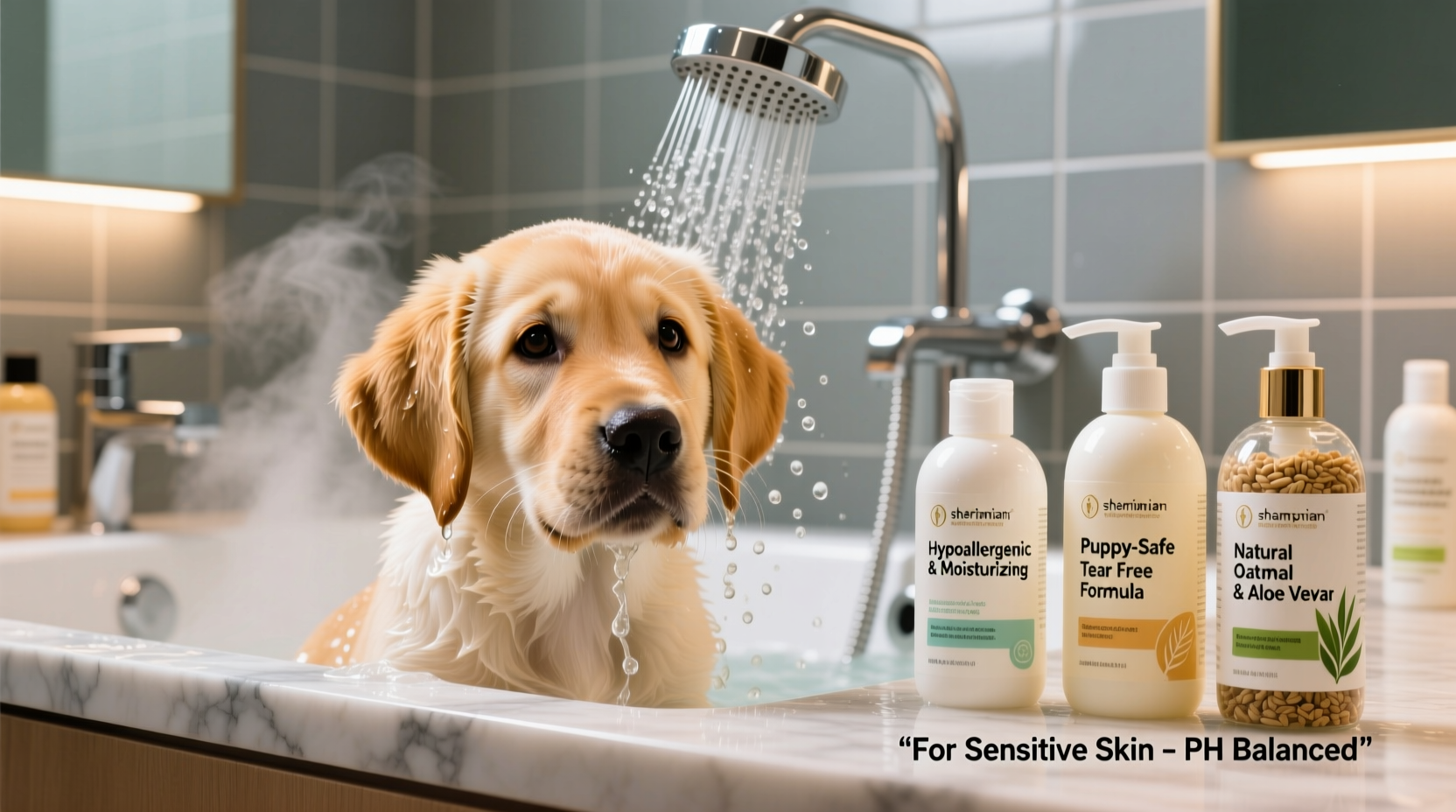
Labrador Retrievers have a water-resistant outer coat and a soft, insulating undercoat designed to protect them in cold climates. However, this double-layered fur also makes them prone to matting, seasonal shedding, and skin irritation if not properly maintained. Puppies, in particular, have more sensitive skin than adult dogs, requiring gentle formulations that won’t cause dryness or allergic reactions.
A dog’s skin has a different pH level than human skin—typically ranging from 6.2 to 7.5, compared to humans’ 4.5 to 5.5. Using human shampoos can disrupt this balance, leading to itching, flaking, and increased susceptibility to infections. Therefore, any shampoo used on a Labrador puppy must be specifically formulated for canine use and ideally labeled as “puppy-safe.”
Tip: Bathe your Labrador puppy only when necessary—every 4 to 6 weeks is sufficient unless they get extremely dirty. Over-bathing strips natural oils and can lead to dry, itchy skin.Key Ingredients to Look For (and Avoid)
The ingredient list on a dog shampoo label tells you everything you need to know about its safety and effectiveness. Prioritize natural, non-toxic components that support skin health while steering clear of harsh chemicals.
Ingredients to Embrace
- Oatmeal: Soothes irritated skin and provides natural moisturizing properties.
- Aloe vera: Hydrates and helps heal minor skin abrasions.
- Vitamin E: An antioxidant that supports skin repair and prevents dryness.
- Coyote oil or omega fatty acids: Nourish the coat and reduce inflammation.
- Colloidal oatmeal: Especially beneficial for puppies with sensitive or allergy-prone skin.
Chemicals to Avoid
- Sulfates (e.g., SLS): Harsh detergents that strip natural oils and may cause irritation.
- Parabens: Preservatives linked to hormonal disruption.
- Artificial fragrances: Can trigger allergies or respiratory issues.
- Alcohol (isopropyl or ethanol): Drying and potentially irritating, especially on young skin.
- Chlorhexidine (unless prescribed): A medicated antiseptic suitable only for treating infections under veterinary guidance.
“Puppy skin is still developing. Shampoos with simple, hypoallergenic ingredients are safest during the first year.” — Dr. Rebecca Langston, DVM, Veterinary Dermatology Specialist
Top Recommended Shampoo Types for Labrador Puppies
Not all dog shampoos are created equal. The best choice depends on your puppy’s specific needs—whether they have sensitive skin, are prone to allergies, or simply need routine cleaning.
| Shampoo Type | Best For | Recommended Brands | Frequency of Use |
|---|---|---|---|
| Oatmeal-Based | Sensitive or dry skin, general maintenance | Burt’s Bees Puppy Shampoo, Earthbath Oatmeal & Aloe | Every 4–6 weeks |
| Hypoallergenic | Allergy-prone puppies, frequent bathing | Veterinary Formula Clinical Care, TropiClean Hypoallergenic | As needed, up to monthly |
| Medicated | Fungal infections, severe itching, seborrhea | DermaPet Micochlor, Douxo Chlorhexidine | Only as directed by a vet |
| Natural/Herbal | Eco-conscious owners, mild odor control | 4-Legger Organic, Warren London Natural | Every 5–6 weeks |
Step-by-Step Guide to Bathing Your Labrador Puppy
Bathing isn’t just about using the right shampoo—it’s also about technique. Follow these steps to ensure a safe, stress-free experience for both you and your pup.
- Brush Before Bathing: Use a slicker brush or de-shedding tool to remove loose fur and prevent matting. This is crucial for Labradors due to their heavy undercoat.
- Use Lukewarm Water: Test the temperature with your wrist. Water that’s too hot or cold can scare or discomfort your puppy.
- Wet Thoroughly: Start at the neck and work back, avoiding the eyes, ears, and nose.
- Apply Shampoo: Dilute shampoo with water if recommended, then massage gently into the coat, focusing on dirt-prone areas like paws, belly, and tail base.
- Rinse Completely: Residue left behind can cause itching. Rinse until the water runs clear.
- Dry Gently: Wrap your puppy in a warm towel. Use a low-heat blow dryer only if your puppy tolerates it.
- Positive Reinforcement: Offer praise and a small treat after the bath to build positive associations.
Real Example: How Proper Shampoo Choice Transformed Max’s Skin Health
Max, a 14-week-old yellow Labrador, was adopted from a shelter with persistent scratching and patchy fur around his belly. His new owner initially used a scented human baby shampoo, thinking it would be gentle. Within two weeks, Max developed red, inflamed skin and began losing more hair.
After a vet visit, the diagnosis was contact dermatitis caused by inappropriate shampoo. The veterinarian recommended switching to a fragrance-free, oatmeal-based formula and limiting baths to once every five weeks. Within three weeks of using Burt’s Bees Puppy Shampoo and consistent brushing, Max’s itching decreased significantly, and his coat began to regrow smoothly.
This case highlights how easily well-meaning choices can backfire—and why species-specific, gentle products matter.
Essential Grooming Checklist for Labrador Puppy Owners
Keep this checklist handy to maintain your puppy’s hygiene and comfort:
- ✅ Brush your puppy 2–3 times per week to manage shedding and prevent mats.
- ✅ Use only dog-formulated, pH-balanced shampoo.
- ✅ Avoid over-bathing—stick to every 4–6 weeks unless medically necessary.
- ✅ Check ears weekly for wax buildup or odor; clean with vet-approved wipes.
- ✅ Trim nails every 3–4 weeks to prevent splitting or discomfort.
- ✅ Monitor skin for redness, rashes, or excessive scratching—early signs of reaction.
- ✅ Store shampoo in a cool, dry place away from direct sunlight to preserve efficacy.
Frequently Asked Questions
Can I use baby shampoo on my Labrador puppy?
While baby shampoo is milder than adult formulas, it’s still not ideal. It doesn’t match a dog’s pH level and may contain fragrances or preservatives that irritate puppy skin. Opt for a true puppy-specific shampoo instead.
My puppy hates baths. How can I make it easier?
Start early with short, positive sessions. Use treats, soothing words, and toys in the tub. Keep the water shallow and warm. Gradually increase exposure so your puppy builds confidence. Never force or yell—it will create long-term fear.
Are natural shampoos always better?
Not necessarily. While many natural brands are excellent, “natural” isn’t a regulated term. Some plant-based ingredients can still cause allergies. Always patch-test new products and read full labels, regardless of marketing claims.
Final Thoughts and Next Steps
Choosing the right shampoo for your Labrador puppy is more than a grooming task—it’s an investment in their long-term health and comfort. A quality shampoo protects their skin barrier, enhances coat shine, and reduces the risk of infections and allergies. By understanding your puppy’s unique needs, reading labels carefully, and following a consistent but gentle routine, you set the foundation for a lifetime of healthy grooming habits.
💬 Have a favorite puppy shampoo or grooming tip? Share your experience in the comments below—your insights could help another Labrador parent make a better choice today!








