
When it comes to feeding your dog, few decisions feel as consequential as choosing the right food. Two names frequently surface in discussions among pet owners: Purina Pro Plan and Kirkland Signature, Costco’s private-label brand. One carries decades of marketing, veterinary endorsements, and a premium price tag. The other offers bulk savings and strong online reviews at a fraction of the cost. But is Purina Pro Plan truly superior, or is Kirkland delivering comparable nutrition through Costco’s efficiency? Let’s dissect both brands beyond the packaging and pricing.
Ingredient Quality and Nutritional Profiles
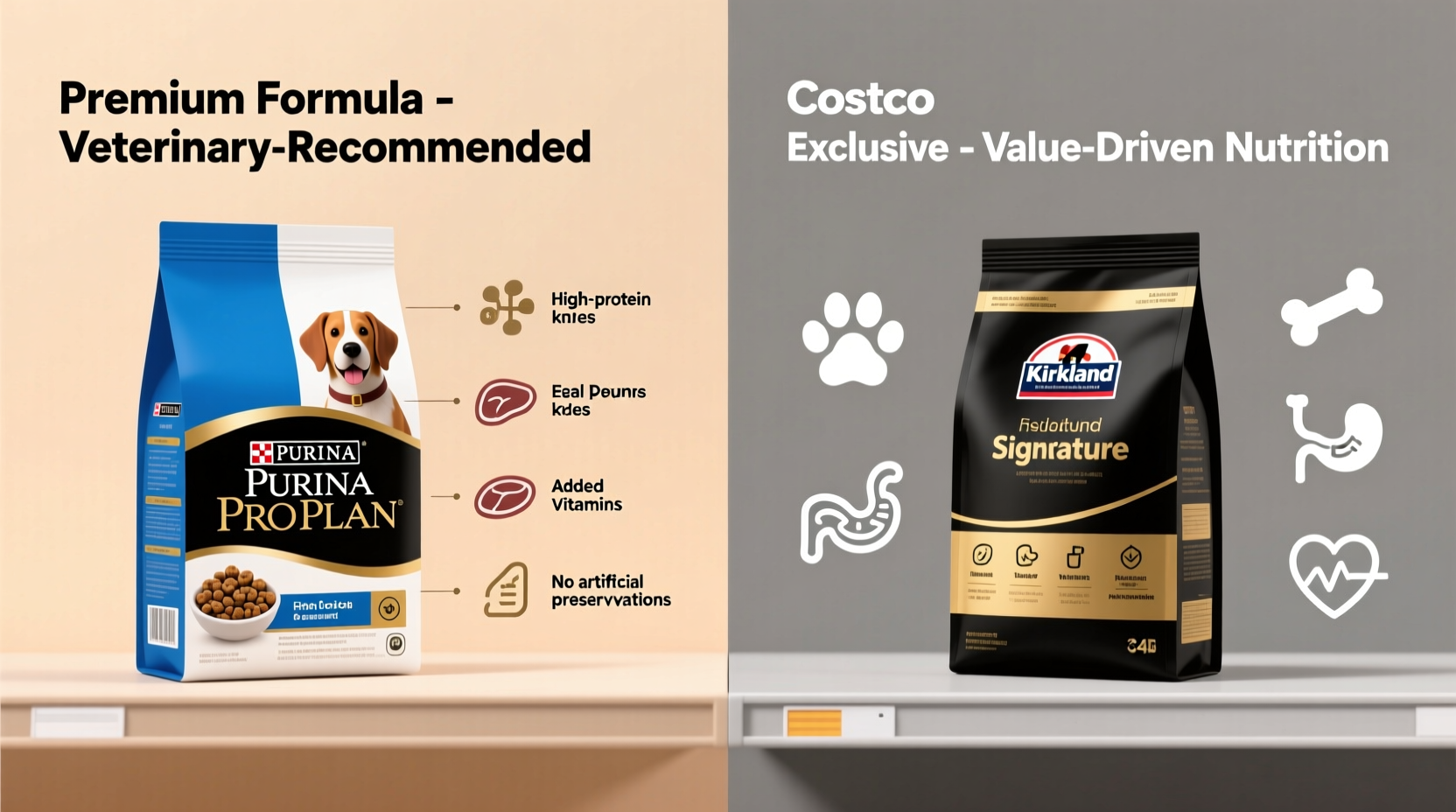
The foundation of any dog food evaluation lies in its ingredient list and guaranteed analysis. While both brands meet AAFCO (Association of American Feed Control Officials) standards for complete and balanced nutrition, their formulation strategies differ.
Purina Pro Plan emphasizes tailored formulas—whether for sensitive skin, weight management, or active breeds. Their ingredient sourcing often includes named animal proteins like “chicken” or “salmon” listed first, followed by digestible carbohydrates and added probiotics. Many of their formulas also include omega fatty acids, glucosamine, and antioxidants aimed at joint, skin, and immune health.
Kirkland, manufactured exclusively by Diamond Pet Foods under contract, uses a similar blueprint. The flagship Kirkland Signature Puppy & Adult formula lists chicken meal as the primary ingredient, followed by whole grains and vegetables. It matches or exceeds Purina Pro Plan in protein content (26% minimum vs. 24–27% across various Pro Plan lines) and fat levels. What stands out is that despite the lower price, Kirkland avoids corn, wheat, and soy in most of its recipes—a feature typically associated with premium brands.
Tip: Always check the first five ingredients. A high-quality protein source should lead the list, regardless of brand.Cost Comparison: Value Over Price
Price is where the contrast becomes steepest. A 34-pound bag of Purina Pro Plan Sensitive Skin & Stomach costs around $85–$95, depending on retailer and formula. The same size Kirkland Signature dog food retails for approximately $47 at Costco. That’s nearly a 50% savings.
But value isn’t just about upfront cost—it’s about cost per ounce, nutrient density, and palatability. Here’s how they stack up:
| Brand | Formula | Weight | Price (approx.) | Cost per Pound | Protein Content |
|---|---|---|---|---|---|
| Purina Pro Plan | Sensitive Skin & Stomach | 34 lbs | $90 | $2.65/lb | 24% |
| Kirkland Signature | Puppy & Adult (Chicken) | 34 lbs | $47 | $1.38/lb | 26% |
| Purina Pro Plan | High Protein (Beef) | 29.4 lbs | $95 | $3.23/lb | 37.5% |
| Kirkland Signature | High Protein (Beef) | 44 lbs | $80 | $1.82/lb | 38% |
In head-to-head comparisons, Kirkland consistently delivers higher protein at a significantly lower cost per pound. However, Purina counters with specialized formulations for medical conditions, such as kidney support or hypoallergenic hydrolyzed protein diets—options not available in the Kirkland line.
Veterinary Endorsements and Real-World Performance
“While Purina Pro Plan has strong clinical research backing certain therapeutic lines, many healthy dogs thrive on well-formulated commercial foods like Kirkland. The key is matching the diet to the individual dog.” �� Dr. Laura Chang, DVM, Small Animal Nutrition Specialist
Purina benefits from extensive investment in pet nutrition science. Their parent company, Nestlé Purina, operates research facilities and publishes peer-reviewed studies on canine digestion, immunity, and aging. This scientific foundation gives veterinarians confidence in recommending Pro Plan for dogs with allergies, gastrointestinal sensitivities, or senior care needs.
Kirkland lacks this level of independent clinical validation. However, anecdotal evidence from thousands of pet owners suggests otherwise. Online forums, Reddit threads, and consumer review platforms are filled with reports of improved coat shine, reduced shedding, and better stool quality after switching to Kirkland—even from dogs previously on premium brands.
A Mini Case Study: Max, the Rescue Beagle
Max, a 3-year-old beagle rescued from a shelter, struggled with chronic soft stools and low energy. His adoptive owner initially fed him a mid-tier grocery store brand. After consulting a vet, she switched him to Purina Pro Plan Sensitive Skin & Stomach. Within three weeks, his digestion stabilized, but the cost became burdensome—over $100 monthly.
She then transitioned Max to Kirkland Signature Chicken & Rice over seven days. To her surprise, Max maintained firm stools, gained muscle mass, and showed increased playfulness. After six months, his vet noted improved blood work and ideal body condition. For this household, Kirkland delivered equivalent results at half the cost.
What You Should Look for in Dog Food
Choosing between these two brands shouldn’t hinge solely on reputation or price. Use this checklist to evaluate any dog food objectively:
- Named protein source first: “Chicken,” not “meat meal” or “animal by-products.”
- No artificial preservatives: Avoid BHA, BHT, and ethoxyquin.
- AAFCO statement: Confirms nutritional adequacy for life stage (puppy, adult, all life stages).
- Fiber content: Between 2–5% for optimal digestion.
- Omega-3 and omega-6 fatty acids: Support skin, coat, and cognitive health.
- Probiotics or prebiotics: Aid gut health, especially in sensitive dogs.
Transitioning Your Dog Safely
Switching foods, whether from Purina to Kirkland or vice versa, requires a gradual approach to avoid digestive upset. Follow this timeline:
- Days 1–2: Mix 25% new food with 75% old food.
- Days 3–4: Use a 50/50 blend.
- Days 5–6: Shift to 75% new food, 25% old.
- Day 7 onward: Feed 100% of the new food.
Monitor your dog for vomiting, diarrhea, or lethargy. If symptoms persist beyond 48 hours, pause the transition and consult your veterinarian. Smaller breeds or dogs with sensitive stomachs may need a longer adjustment period—up to 10–14 days.
Frequently Asked Questions
Is Kirkland dog food made by the same company as Purina Pro Plan?
No. Kirkland is manufactured by Diamond Pet Foods under contract for Costco. Purina Pro Plan is produced by Nestlé Purina PetCare. They are entirely separate companies with different manufacturing standards and supply chains.
Can I mix Purina Pro Plan and Kirkland dog food?
Yes, during a transition phase. Mixing can ease the switch and help your dog adapt. However, avoid long-term mixing unless recommended by a vet, as it may dilute targeted nutritional benefits of either formula.
Why does Kirkland cost so much less if it’s similar in quality?
Kirkland leverages Costco’s direct-to-member model, eliminating middlemen, advertising, and excessive branding costs. There’s no TV campaign or celebrity endorsement—just bulk distribution and operational efficiency. This allows high-quality ingredients at lower prices.
Final Verdict: Hype or Smart Savings?
The hype around Purina Pro Plan is real—but so is the value behind Kirkland. Purina excels in specialized nutrition backed by research, making it a reliable choice for dogs with medical needs or finicky eaters. Its formulations are consistent, widely available, and trusted by veterinarians.
Kirkland, however, proves that premium nutrition doesn’t require a premium price. For healthy dogs with no special dietary requirements, Kirkland offers excellent protein levels, clean ingredients, and proven results at a dramatically lower cost. The “Costco magic” isn’t marketing—it’s logistics, scale, and smart sourcing.
Ultimately, the best food is one that aligns with your dog’s health, your budget, and your values. Don’t assume higher price means better quality. Read labels, track your dog’s energy, coat, and digestion, and make data-driven decisions.
💬 Have you tried both Purina Pro Plan and Kirkland? Share your experience in the comments—your insights could help another dog owner make a confident choice.








