At first glance, a small plush puppy dangling from a handbag or a set of keys might seem like a simple fashion statement. But as these accessories have grown in popularity—especially among luxury brands and lifestyle influencers—the line between what’s a “puppy bag charm” and what’s a “key fob” has blurred. Are they functionally different? Is one more stylish than the other? Or is the distinction purely a marketing tactic designed to justify premium pricing? The answer isn’t as straightforward as you might think.
While both items serve decorative purposes and often feature adorable puppy designs, their intended use, construction, and placement vary subtly—differences that can influence everything from durability to brand perception. Understanding these nuances helps consumers make informed choices and avoid paying extra for repackaged concepts.
Defining the Terms: What Exactly Are These Accessories?
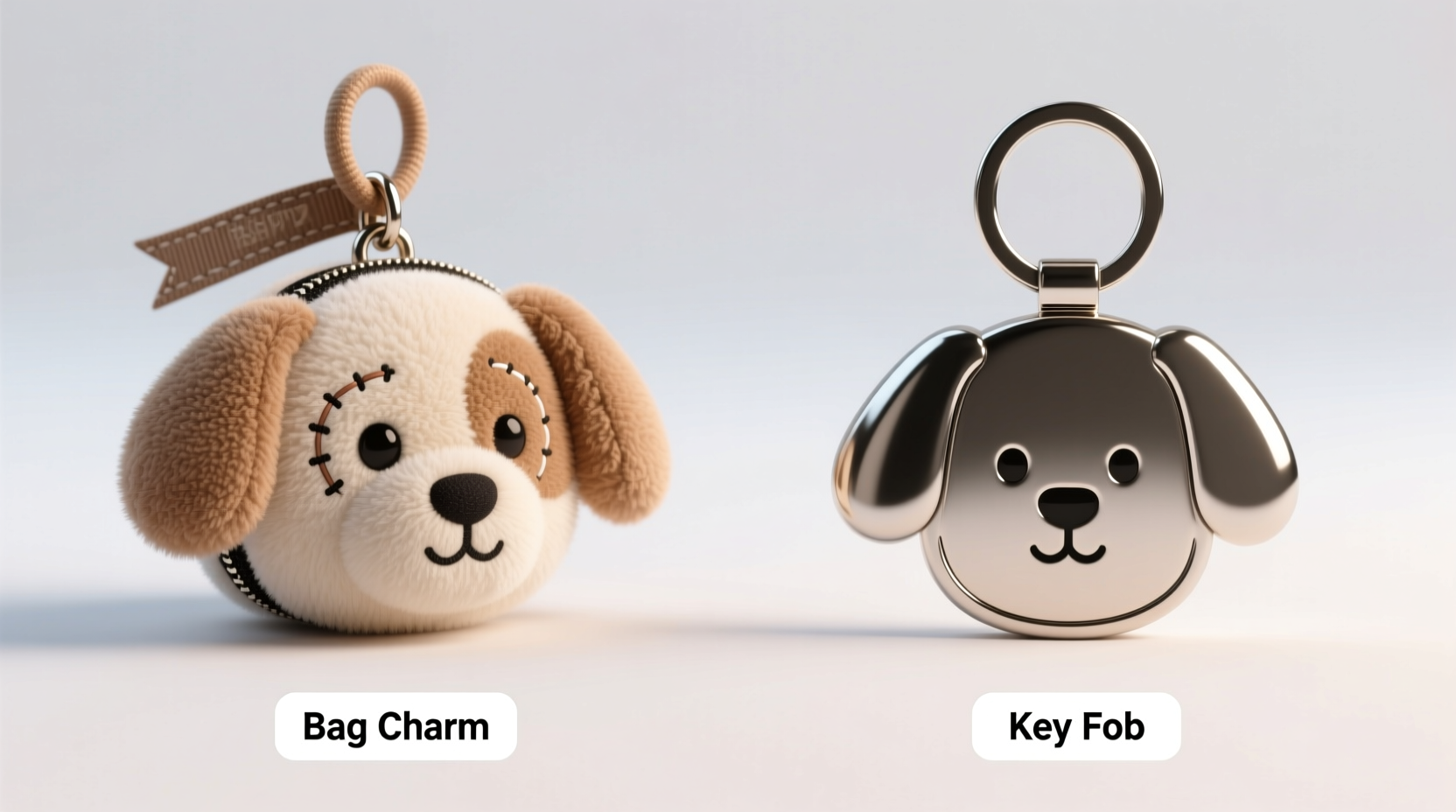
A puppy bag charm is typically a soft, decorative accessory designed to attach to handbags, backpacks, or clutches. Often made from plush fabric, silicone, or resin, these charms emphasize cuteness and personal expression. They’re marketed as fashion-forward add-ons that reflect personality, with many high-end brands releasing seasonal or limited-edition versions.
In contrast, a key fob traditionally refers to a functional item used to hold keys. Modern interpretations, especially in the fashion world, have evolved into compact, stylized tags or ornaments that clip onto key rings. While some are built for durability (like those with integrated trackers), others prioritize aesthetics—featuring embroidered puppies, enamel details, or metallic finishes.
The confusion arises when brands sell plush puppy-shaped items labeled as \"key fobs\" despite lacking practical utility, or when \"bag charms\" include metal lobster clasps identical to those on traditional key organizers. This overlap suggests that naming conventions may be driven more by branding than by function.
Functional Differences: Purpose, Placement, and Practicality
Despite visual similarities, there are subtle but meaningful distinctions in how each item is used:
- Attachment method: Bag charms usually come with a small loop or chain ending in a lobster clasp, designed to hook onto bag zippers, straps, or D-rings. Key fobs often feature a split ring or carabiner-style clip optimized for bundling keys.
- Durability: Key fobs tend to be constructed with sturdier materials—metal, rubber, or reinforced plastic—since they endure daily friction and exposure. Bag charms, particularly plush ones, prioritize softness and visual appeal over resilience.
- Intended location: A bag charm lives on a purse or tote; a key fob belongs on a keychain. However, this rule is increasingly ignored, with users attaching either item wherever they please.
Material & Design Comparison
| Feature | Puppy Bag Charm | Key Fob |
|---|---|---|
| Primary Material | Plush fabric, silicone, resin | Rubber, metal, leather, hard plastic |
| Typical Size | 2–5 inches | 1.5–3 inches |
| Clasp Type | Lobster clasp, chain loop | Split ring, carabiner, swivel hook |
| Main Use | Decorative accent for bags | Key organization + decoration |
| Weather Resistance | Low (plush absorbs moisture) | Moderate to high |
| Price Range (Average) | $15–$75 | $10–$60 |
The data shows that while materials and sizes differ, the price gap isn’t always justified by functionality. Some luxury \"designer puppy charms\" cost significantly more than durable, multi-functional key fobs—even when offering less practical value.
Marketing Influence: Creating Perceived Value
Brands have mastered the art of repositioning simple accessories under aspirational labels. Calling a plush toy a “limited edition puppy bag charm” instead of a “keychain ornament” elevates its perceived exclusivity. Limited runs, celebrity endorsements, and social media campaigns amplify desirability.
Consider the case of a major French fashion house that released a $65 embroidered puppy charm with no protective coating. Marketed exclusively as a bag accessory, it sold out within hours. Meanwhile, a Japanese tech company sells a waterproof, scratch-resistant puppy-shaped key fob with a built-in tracker for $45—and it doesn’t generate the same hype.
“Consumers don’t just buy utility—they buy identity. A charm labeled as part of a ‘luxury handbag collection’ carries emotional weight beyond its physical form.” — Lena Torres, Consumer Behavior Analyst at StyleMetrics Group
This psychological shift—from object to symbol—is central to modern accessory marketing. By distancing certain items from utilitarian categories like “key fobs,” brands preserve an aura of elegance and exclusivity.
Mini Case Study: The Rise of the “It-Charm”
Sophia, a 29-year-old graphic designer in Austin, purchased a pastel pink puppy bag charm during a trip to New York. She originally intended to attach it to her work tote, but found it got caught in her office chair. Instead, she moved it to her keychain. Within weeks, two coworkers asked where they could buy the same “adorable key fob.” When Sophia corrected them—explaining it was technically a bag charm—neither cared. Both bought the same item for their keys.
Her experience reflects a broader trend: end-use is increasingly decoupled from product labeling. Consumers prioritize aesthetics and sentiment over category definitions.
How to Choose the Right Accessory for Your Needs
Instead of focusing solely on labels, evaluate based on actual needs. Follow this checklist before purchasing:
- Determine primary use: Will it live on a bag, keys, or both?
- Assess material quality: Look for UV-resistant fabrics, sealed seams, and rust-proof hardware.
- Check attachment security: Lobster clasps should snap firmly; split rings shouldn’t bend easily.
- Evaluate cleaning needs: Plush charms require gentle spot-cleaning; rubber fobs can often be wiped down.
- Compare price per function: Ask whether you're paying for design, brand prestige, or long-term usability.
Frequently Asked Questions
Can I use a puppy bag charm as a key fob?
Yes, technically. Many people do. However, keep in mind that plush or delicate materials may wear faster when exposed to frequent handling, moisture, or friction from being in pockets or bags.
Are luxury brand key fobs worth the price?
Only if you value brand alignment and craftsmanship. Some high-end fobs use premium leathers and hand-finishing. Others offer little beyond the logo. Research materials and read reviews before investing.
Do puppy charms affect bag resale value?
In some cases, yes. Limited-edition charms from luxury brands can increase desirability, especially if sold as part of a set. However, attached charms may also signal overuse or poor storage, potentially lowering value if the bag shows other signs of wear.
Final Thoughts: It’s More Than Just Marketing—But Not by Much
There is a difference between a puppy bag charm and a key fob—but it’s narrower than branding would have you believe. Functionally, key fobs lean toward durability and utility; bag charms emphasize style and self-expression. Yet in practice, consumers treat them interchangeably, guided more by emotion than category rules.
The real takeaway? Don’t let labels dictate your choices. Whether you call it a charm or a fob, what matters is how well it suits your lifestyle, how much joy it brings, and whether the build quality matches your expectations. Smart shoppers look past marketing language and focus on materials, construction, and real-world performance.
💬 Have a favorite puppy charm or key fob? Share your story or styling tip in the comments—help others decide what works best in real life.








