
Puffy, red eyelids are a common concern that can range from a minor irritation to a sign of an underlying health issue. While occasional swelling may result from fatigue or allergies, persistent or severe symptoms warrant attention. Understanding the root causes, appropriate treatments, and warning signs helps ensure timely care and prevents complications. This guide explores the most frequent triggers, practical remedies, and clear indicators that it’s time to consult a healthcare provider.
Common Causes of Puffy Red Eyelids
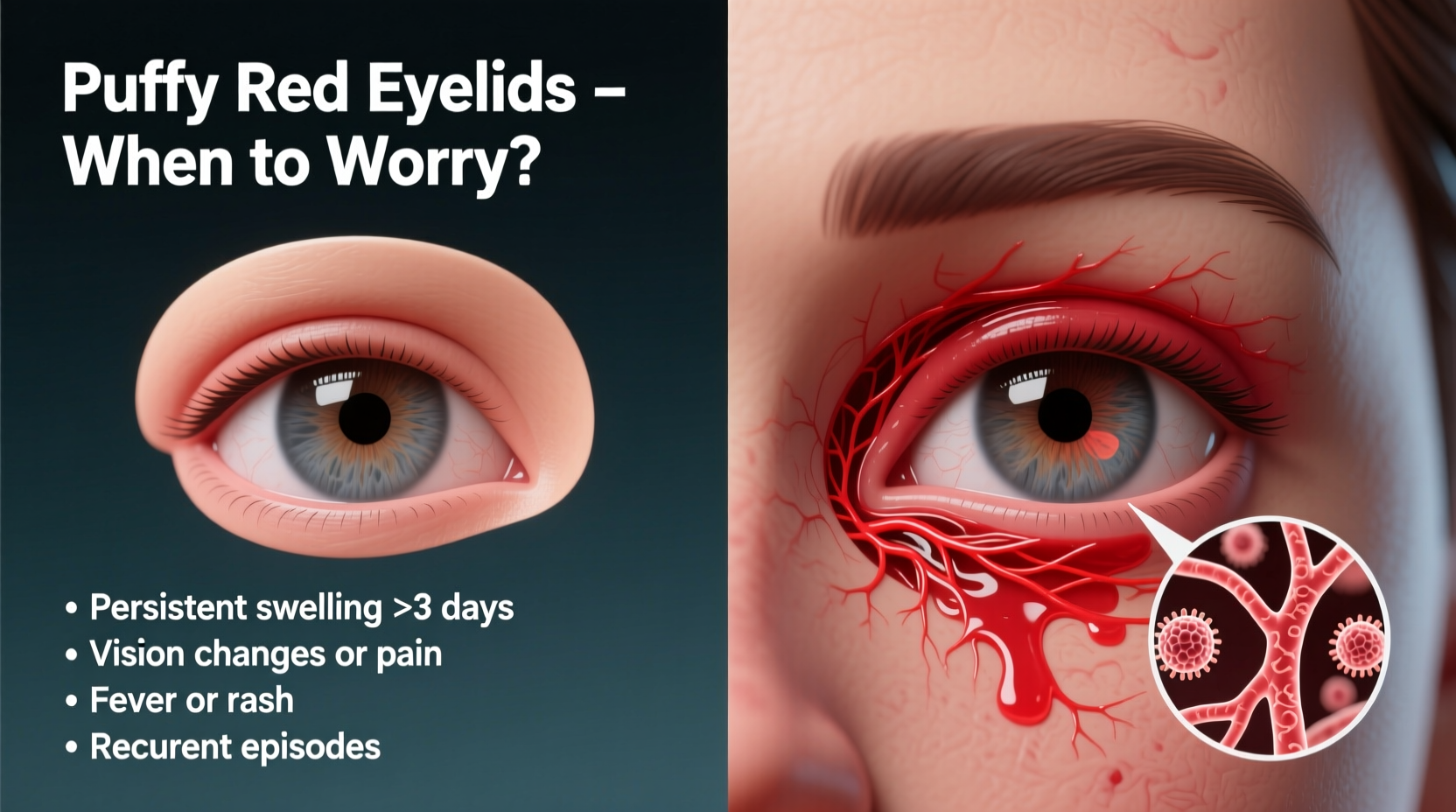
The delicate skin around the eyes is highly sensitive, making it prone to inflammation and swelling. Several factors can lead to puffy, red eyelids, including environmental irritants, lifestyle habits, and medical conditions.
- Allergies: Seasonal allergens like pollen, dust mites, or pet dander often trigger eye inflammation. Cosmetic products such as mascara, eyeliner, or face creams can also cause allergic contact dermatitis.
- Blepharitis: A chronic condition where the oil glands at the base of the eyelashes become inflamed, leading to redness, crusting, and swelling. It’s commonly associated with bacterial overgrowth or skin conditions like rosacea.
- Conjunctivitis (Pink Eye): Viral or bacterial infections of the conjunctiva cause redness, discharge, and eyelid swelling. Viral forms are highly contagious.
- Styes and Chalazia: A stye is a painful, red bump caused by an infected oil gland. A chalazion is a painless lump from a blocked gland, which may become inflamed and swollen over time.
- Fluid Retention: High salt intake, hormonal changes, or lying flat for extended periods can cause fluid to accumulate under the eyes, resulting in puffiness.
- Skin Infections: Cellulitis, especially preseptal cellulitis, involves bacterial infection of the eyelid tissue and requires urgent medical treatment.
Effective Home Treatments and Relief Strategies
Mild cases of puffy red eyelids often respond well to conservative care. The goal is to reduce inflammation, soothe discomfort, and address contributing factors.
- Cold Compress: Apply a clean, cold compress for 10–15 minutes several times a day to constrict blood vessels and reduce swelling.
- Artificial Tears: Lubricating eye drops can relieve dryness and flush out allergens, especially if irritation stems from environmental exposure.
- Lid Hygiene: For blepharitis, gently clean the eyelid margins with a diluted solution of baby shampoo and warm water using a cotton swab.
- Elevate Your Head: Sleeping with your head slightly elevated helps prevent fluid accumulation around the eyes overnight.
- Avoid Triggers: Identify and eliminate potential allergens—this may include switching skincare products, avoiding smoke, or staying indoors during high pollen counts.
“Consistent eyelid hygiene is one of the most effective ways to manage chronic blepharitis and prevent flare-ups.” — Dr. Lena Torres, Ophthalmologist
When to Worry: Red Flags Requiring Medical Attention
While many cases resolve with home care, certain symptoms indicate a more serious condition. Delaying treatment can lead to vision loss or systemic complications.
| Symptom | Potential Cause | Action Required |
|---|---|---|
| Severe pain and warmth in the eyelid | Preseptal or orbital cellulitis | Seek emergency care; may require IV antibiotics |
| Swelling spreading beyond the eyelid | Infection or angioedema | Immediate evaluation needed |
| Vision changes or eye pain | Orbital involvement or uveitis | Urgent ophthalmology referral |
| Fever accompanying eye swelling | Systemic infection | Medical assessment required |
| One-sided swelling with proptosis (bulging eye) | Tumor or thyroid eye disease | Imaging and specialist consultation |
Case Example: Recognizing Cellulitis Early
Sarah, a 34-year-old teacher, noticed her right eyelid becoming increasingly swollen and red over two days. She initially assumed it was a stye and applied warm compresses. However, the area became warm to the touch, she developed a fever, and the swelling began spreading toward her cheek. Concerned, she visited an urgent care clinic, where she was diagnosed with preseptal cellulitis. Prompt antibiotic treatment prevented the infection from reaching the eye socket or causing vision damage. This case underscores the importance of monitoring symptom progression and seeking care when systemic signs appear.
Step-by-Step Guide to Managing Mild Eyelid Swelling
Follow this structured approach for non-emergency cases:
- Day 1 – Assess Symptoms: Note onset, presence of pain, discharge, or itching. Check for recent product use or allergen exposure.
- Day 2 – Begin Conservative Care: Use cold compresses, switch to hypoallergenic products, and avoid rubbing the eyes.
- Day 3 – Evaluate Response: If swelling decreases and no new symptoms arise, continue care. If worsening, discontinue all cosmetics and consider antihistamines (if allergy suspected).
- Day 5 – Decide on Professional Help: If no improvement or symptoms escalate (pain, vision issues), schedule an appointment with an eye care provider.
- Ongoing – Prevent Recurrence: Maintain lid hygiene, manage allergies, and replace eye makeup every 3–6 months.
Do’s and Don’ts: Quick Reference Table
| Do’s | Don’ts |
|---|---|
| Wash hands before touching eyes | Rub or scratch irritated eyelids |
| Use preservative-free artificial tears | Share towels or makeup with others |
| Remove eye makeup before bed | Apply expired or contaminated cosmetics |
| Replace contact lens cases monthly | Wear contacts if eyes are red or swollen |
| Stay hydrated and limit salt intake | Ignore worsening symptoms for more than 3–4 days |
Frequently Asked Questions
Can lack of sleep cause puffy red eyelids?
Yes. Poor sleep disrupts fluid balance and increases blood vessel dilation around the eyes, leading to puffiness and mild redness. Prioritizing 7–8 hours of quality sleep nightly often improves appearance within a day or two.
Is it safe to use over-the-counter eye drops for redness?
Short-term use of vasoconstrictor drops (e.g., tetrahydrozoline) can reduce redness, but prolonged use may cause rebound redness and irritation. They do not treat underlying causes. Opt for preservative-free lubricating drops instead for safer, longer-term relief.
Can stress contribute to eyelid inflammation?
Indirectly, yes. Stress weakens the immune system and can exacerbate conditions like blepharitis or eczema. It may also lead to eye-rubbing or poor sleep, both of which worsen puffiness and irritation.
Conclusion: Take Control of Your Eye Health
Puffy red eyelids are often manageable with simple lifestyle adjustments and proper hygiene. However, recognizing when symptoms cross the line from benign to dangerous is crucial. Most people recover fully with early intervention, but delays can lead to preventable complications. Pay attention to your body, respond promptly to changes, and don’t hesitate to seek professional evaluation when in doubt.
💬 Have you experienced persistent eyelid swelling? Share your story or tips in the comments to help others navigate their eye health journey.








