A persistently puffy face can be more than just a cosmetic concern—it may signal underlying health issues or lifestyle factors that need attention. While occasional facial swelling after sleep or salt-heavy meals is normal, consistent puffiness warrants investigation. Understanding the root causes, recognizing associated symptoms, and knowing appropriate treatments can help restore comfort and confidence.
Common Causes of Chronic Facial Puffiness
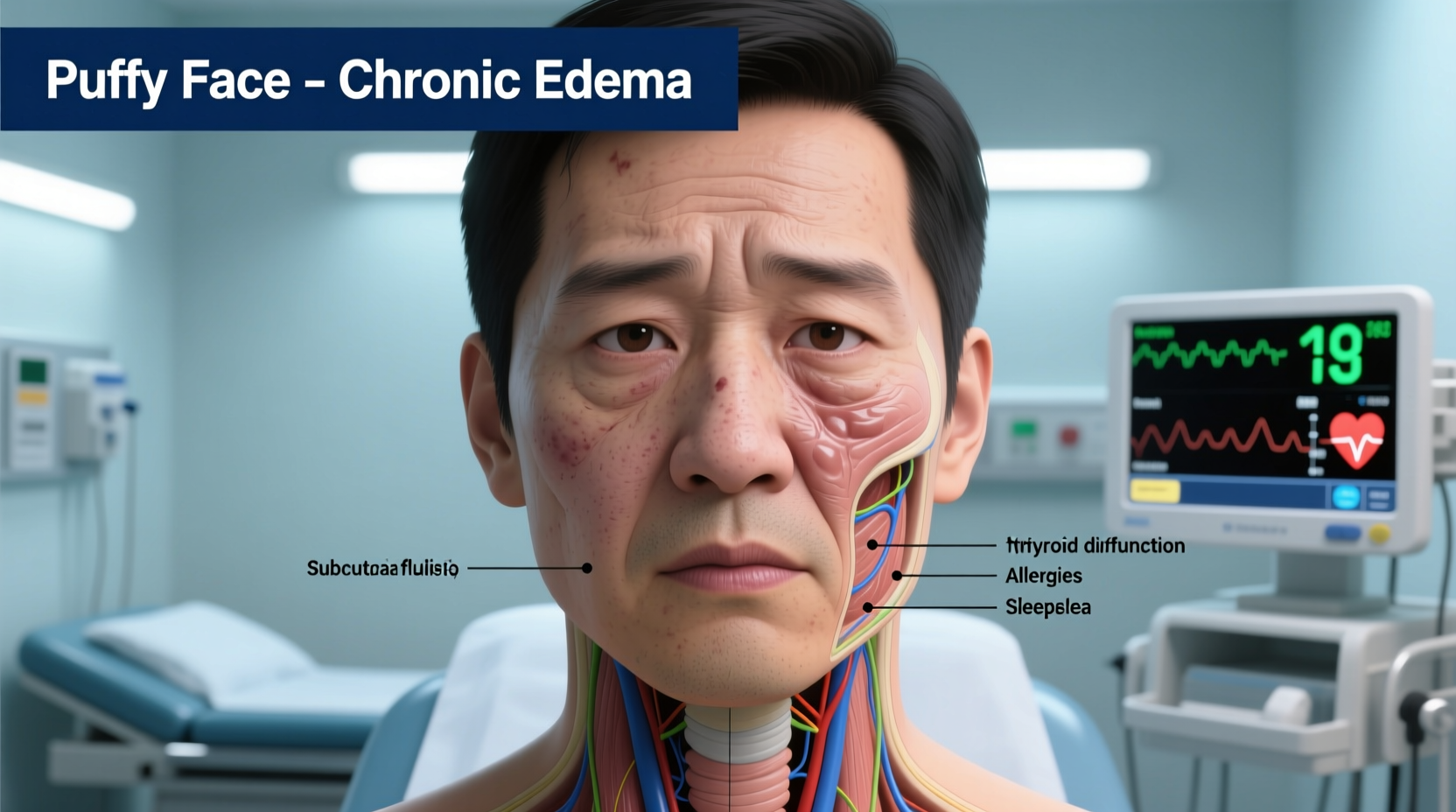
Facial swelling that doesn’t resolve quickly often stems from systemic or localized conditions. Some causes are temporary and manageable through lifestyle adjustments; others require medical evaluation.
- Fluid retention (edema): Excess sodium intake, hormonal fluctuations, or poor circulation can cause fluid buildup in facial tissues.
- Allergies: Seasonal allergies, food sensitivities, or reactions to skincare products may trigger inflammation and puffiness.
- Sleep position: Sleeping on your side or stomach can lead to fluid pooling in the face overnight.
- Kidney or liver dysfunction: Impaired organ function reduces the body’s ability to regulate fluids, leading to visible swelling.
- Thyroid disorders: Hypothyroidism, particularly Hashimoto’s disease, can cause a condition called myxedema, characterized by facial fullness and swelling.
- Medications: Certain drugs—including steroids, blood pressure medications, and NSAIDs—can induce fluid retention as a side effect.
- Dental or sinus infections: Localized inflammation from abscesses or chronic sinusitis may manifest as facial puffiness, especially around the cheeks or eyes.
Symptoms Associated with Persistent Facial Swelling
Chronic puffiness rarely occurs in isolation. Accompanying symptoms can provide vital clues about the underlying cause.
| Symptom | Possible Cause |
|---|---|
| Swollen eyelids upon waking | Fluid retention, allergies, poor sleep hygiene |
| Dull skin tone and tightness | Edema due to kidney or heart issues |
| Fatigue, weight gain, cold intolerance | Hypothyroidism |
| Itching, redness, rash | Allergic reaction or dermatitis |
| Pain or tenderness in jaw/cheeks | Sinus infection or dental abscess |
When puffiness is accompanied by shortness of breath, difficulty swallowing, or rapid weight gain, it may indicate a serious medical issue requiring immediate attention.
“Persistent facial edema should never be ignored—especially if it worsens throughout the day. It can be an early sign of renal or cardiac compromise.” — Dr. Lena Torres, Internal Medicine Specialist
Effective Treatment and Management Strategies
Treatment depends on the underlying cause. A targeted approach yields better results than general remedies alone.
Lifestyle Modifications
For mild, non-medical causes, simple daily habits can significantly reduce puffiness:
- Reduce sodium intake by avoiding processed foods and canned soups.
- Stay hydrated—drinking enough water helps flush excess sodium and toxins.
- Elevate your head while sleeping using an extra pillow to prevent fluid accumulation.
- Limit alcohol consumption, which dehydrates the body and promotes inflammation.
Medical Interventions
If lifestyle changes don’t help, consult a healthcare provider. Diagnostic tests such as blood work, thyroid panels, or kidney function tests may be necessary.
- Thyroid hormone replacement: For hypothyroidism-related puffiness.
- Diuretics: Prescribed under supervision for severe fluid retention.
- Antihistamines or corticosteroids: Used to treat allergic reactions causing facial swelling.
- Infection treatment: Antibiotics for bacterial sinusitis or dental infections.
Step-by-Step Guide to Reducing Morning Facial Puffiness
Follow this practical routine to minimize puffiness each morning:
- Hydrate immediately: Drink a glass of water upon waking to kickstart metabolism and fluid balance.
- Cool compress: Apply a cold towel or chilled spoon to the eyes and cheeks for 5 minutes to constrict blood vessels.
- Gentle facial massage: Use fingertips to massage from the center of the face outward toward lymph nodes near the ears and neck.
- Use a caffeine-based eye serum: Caffeine helps tighten skin and reduce under-eye bags temporarily.
- Avoid salty breakfasts: Skip bacon, cured meats, or pickled foods that promote water retention.
Mini Case Study: Sarah’s Experience with Unexplained Facial Swelling
Sarah, a 38-year-old teacher, noticed her face looked swollen every morning—even after eight hours of sleep. The puffiness didn’t go away during the day and was most noticeable around her eyes and jawline. Concerned, she reduced salt intake and tried elevating her head at night, but saw little improvement.
After two months, she visited her primary care physician. Blood tests revealed elevated TSH levels, indicating hypothyroidism. With prescribed levothyroxine and dietary adjustments, her facial swelling decreased within six weeks. Her energy improved, and she no longer woke up feeling bloated.
Sarah’s case highlights how persistent puffiness can be a subtle sign of systemic imbalance—and why professional assessment matters.
Do’s and Don’ts for Managing a Puffy Face
| Do’s | Don’ts |
|---|---|
| Drink plenty of water throughout the day | Consume high-sodium snacks before bed |
| Use a humidifier in dry environments | Skip medical evaluation if swelling persists |
| Apply cold compresses to reduce inflammation | Rub or press swollen areas aggressively |
| Maintain consistent sleep schedule | Self-diagnose or ignore worsening symptoms |
FAQ
Can drinking too much water cause a puffy face?
No—paradoxically, dehydration causes the body to retain water. Drinking adequate water supports kidney function and helps reduce fluid retention. However, in rare cases of hyponatremia (very low sodium), excessive water intake can cause swelling, but this is uncommon and usually linked to extreme endurance activities or medical conditions.
Is facial puffiness a sign of heart problems?
While less common than leg swelling, facial edema can occur in congestive heart failure, especially when lying down. If puffiness is accompanied by fatigue, shortness of breath, or swelling in the legs, consult a cardiologist promptly.
How long does it take for puffiness to go away after treating the cause?
Improvement varies. Allergy-related swelling may resolve in hours to days with antihistamines. Hormonal or organ-related causes may take weeks to months with proper treatment. Consistency in following medical advice is key.
Conclusion
A constantly puffy face is not something you must accept as normal. Whether driven by diet, allergies, or deeper health concerns, identifying the root cause is essential for effective relief. Simple lifestyle shifts can make a difference, but persistent or worsening swelling deserves medical attention. By combining self-awareness with professional guidance, you can address the issue at its source—not just mask the symptoms.
💬 Have you experienced chronic facial puffiness? Share your journey or questions below—your story might help someone find answers.








