
Dogs love to chew—it’s instinctive, satisfying, and essential for dental health. But not all chew toys are created equal, and even the best can become hazards if not properly selected, maintained, or monitored. Every year, thousands of pets suffer from preventable injuries due to damaged or inappropriate chew toys. By applying a few science-backed, veterinarian-approved strategies, pet owners can dramatically extend the lifespan of their dog’s toys while ensuring maximum safety.
Selecting the Right Chew Toy for Your Dog’s Profile
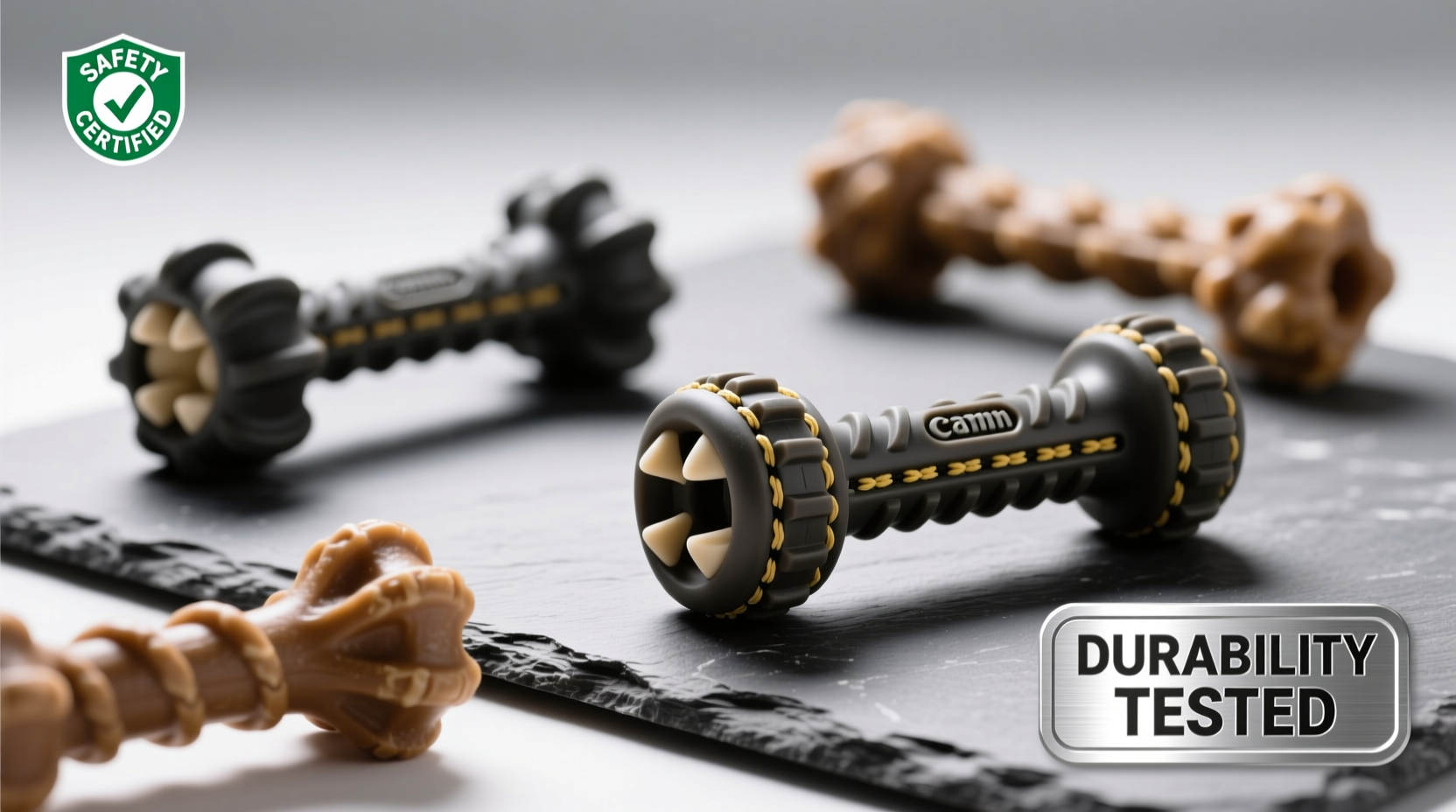
The foundation of toy safety begins with proper selection. A toy that suits a 10-pound Chihuahua may be destroyed—or worse, swallowed—in minutes by a 90-pound Labrador. Size, breed, age, chewing strength, and behavior all influence which toys are appropriate.
Aggressive chewers need high-density rubber or nylon-based toys designed for durability. Softer rubber or fabric toys are better suited for gentle or moderate chewers. Puppies benefit from softer teething rings that soothe gums, while senior dogs may require low-impact options that don’t strain aging teeth.
“Matching the toy to the dog’s chewing force is critical. A Kong Extreme or GoughNuts ring can withstand serious gnawing, but rope toys or plushies should never be given to power chewers.” — Dr. Lena Reyes, DVM, Veterinary Behavior SpecialistTip: Always supervise your dog during the first few sessions with a new chew toy to assess its reaction and chewing style.
Material Safety: What to Choose and What to Avoid
Not all materials marketed as “dog-safe” meet rigorous safety standards. Some contain phthalates, BPA, or undisclosed synthetic dyes that can leach into saliva or be ingested during chewing. Prioritize toys made from non-toxic, food-grade rubber, natural rubber (like latex-free Hevea), or FDA-compliant nylon.
Avoid toys with strong chemical odors, overly bright colors (which may indicate heavy dye use), or those labeled \"made in country with poor manufacturing regulations\" without third-party safety certifications.
| Safe Materials | Risky Materials | Why It Matters |
|---|---|---|
| Natural rubber | PVC plastic | PVC may contain phthalates linked to hormonal disruption |
| Food-grade silicone | Foam stuffing | Foam can cause intestinal blockages if swallowed |
| Durable nylon (BPA-free) | Glitter-coated surfaces | Glitter often contains microplastics and adhesives |
| Unbleached cotton ropes | Painted surfaces (unless certified non-toxic) | Lead or cadmium may be present in cheap paints |
Maintenance Routine: Extending Lifespan and Preventing Hazards
Even the most durable toys degrade over time. Regular inspection and cleaning prevent bacterial buildup and structural failure. A cracked toy may seem harmless, but sharp edges can cut gums or be broken into swallowable pieces.
Clean rubber or nylon toys weekly using warm water and mild dish soap. For deeper sanitization, soak in a solution of one part white vinegar to three parts water for 10 minutes, then rinse thoroughly. Never use bleach unless specified by the manufacturer—many porous materials absorb harsh chemicals.
Step-by-Step Weekly Maintenance Schedule
- Remove all chew toys from your dog’s environment.
- Inspect each toy for cracks, fraying, loose parts, or deformities.
- Discard any toy showing signs of internal damage (e.g., delamination in rubber).
- Wash safe toys with soapy water; scrub crevices with a soft brush.
- Sanitize using vinegar solution or pet-safe disinfectant wipe.
- Air-dry completely before returning to your dog.
- Rotate toys: reintroduce only 2–3 per week to maintain novelty and reduce wear.
Real-World Example: How One Owner Prevented an Emergency
Sarah, a dog owner in Colorado, noticed her Border Collie mix, Max, had become obsessed with a braided hemp rope toy. After two weeks of daily chewing, she found small fibers beginning to unravel. Though the toy wasn’t yet broken, she followed her vet’s advice and removed it immediately. A week later, she discovered Max had already ingested several strands during play. Thanks to early intervention, a vet induced vomiting successfully—no surgery was needed.
This case highlights how proactive monitoring, even with seemingly intact toys, can prevent life-threatening gastrointestinal obstructions. Rope toys, while popular, are among the highest-risk items due to fiber ingestion.
Essential Safety Checklist for Every Dog Owner
- ✅ Match toy size and strength rating to your dog’s weight and chewing style.
- ✅ Check for certification labels (e.g., ASTM F963, CPSIA compliant).
- ✅ Inspect toys at least twice weekly for wear and tear.
- ✅ Discard toys with sharp edges, loose parts, or internal foam exposure.
- ✅ Clean chew toys weekly and sanitize monthly.
- ✅ Supervise chewing sessions, especially with new or aggressive chewers.
- ✅ Avoid toys with small, detachable parts like bells or squeakers for power chewers.
- ✅ Store unused toys in a dry, ventilated container away from sunlight.
Frequently Asked Questions
How do I know when it’s time to throw out a chew toy?
If a toy has deep cracks, broken pieces, exposed stuffing, or sharp edges, it should be discarded immediately. Even if your dog hasn’t started swallowing parts, the risk escalates rapidly once structural integrity is compromised.
Are antler or rawhide chews safe alternatives?
These carry significant risks. Rawhide can swell in the digestive tract and cause blockages, and antlers are extremely hard—often leading to fractured teeth. Veterinarians increasingly recommend safer, engineered alternatives like rubber bones or digestible chews made from compressed plant fibers.
Can I sterilize chew toys in the dishwasher?
Only if the manufacturer explicitly states it’s dishwasher-safe. Most rubber toys can handle the top rack on a gentle cycle, but high heat may warp or degrade materials over time. Always check the label and avoid detergents with citrus or bleach additives.
Conclusion: Safety Starts With Smart Habits
Maximizing the durability and safety of your dog’s chew toys isn’t about buying the most expensive option—it’s about consistent care, informed choices, and attentive observation. From selecting non-toxic materials to enforcing a strict inspection schedule, every action you take reduces risk and enhances your dog’s well-being. These habits don’t just protect your pet; they also save money by extending toy life and preventing costly vet visits.
🚀 Take action today: Gather your dog’s current chew toys, inspect them using the checklist above, and replace anything questionable. Share this guide with fellow pet owners to help keep more dogs safe—one chew toy at a time.








