Choosing the right collar for your cat isn’t just about aesthetics—it’s a decision that impacts safety, comfort, and even behavior. In recent years, “princess” collars—ornate, fluffy, often bedazzled accessories—have surged in popularity on social media. Meanwhile, traditional collars remain the staple choice for most pet owners. But is the extra flair of a princess collar worth the trade-offs? Or does simplicity win when it comes to your feline’s well-being?
This article breaks down the differences between princess-style and standard cat collars, evaluates their pros and cons, and helps you make an informed decision based on safety, practicality, and your cat’s personality.
Safety First: The Hidden Risks of Fashion Collars
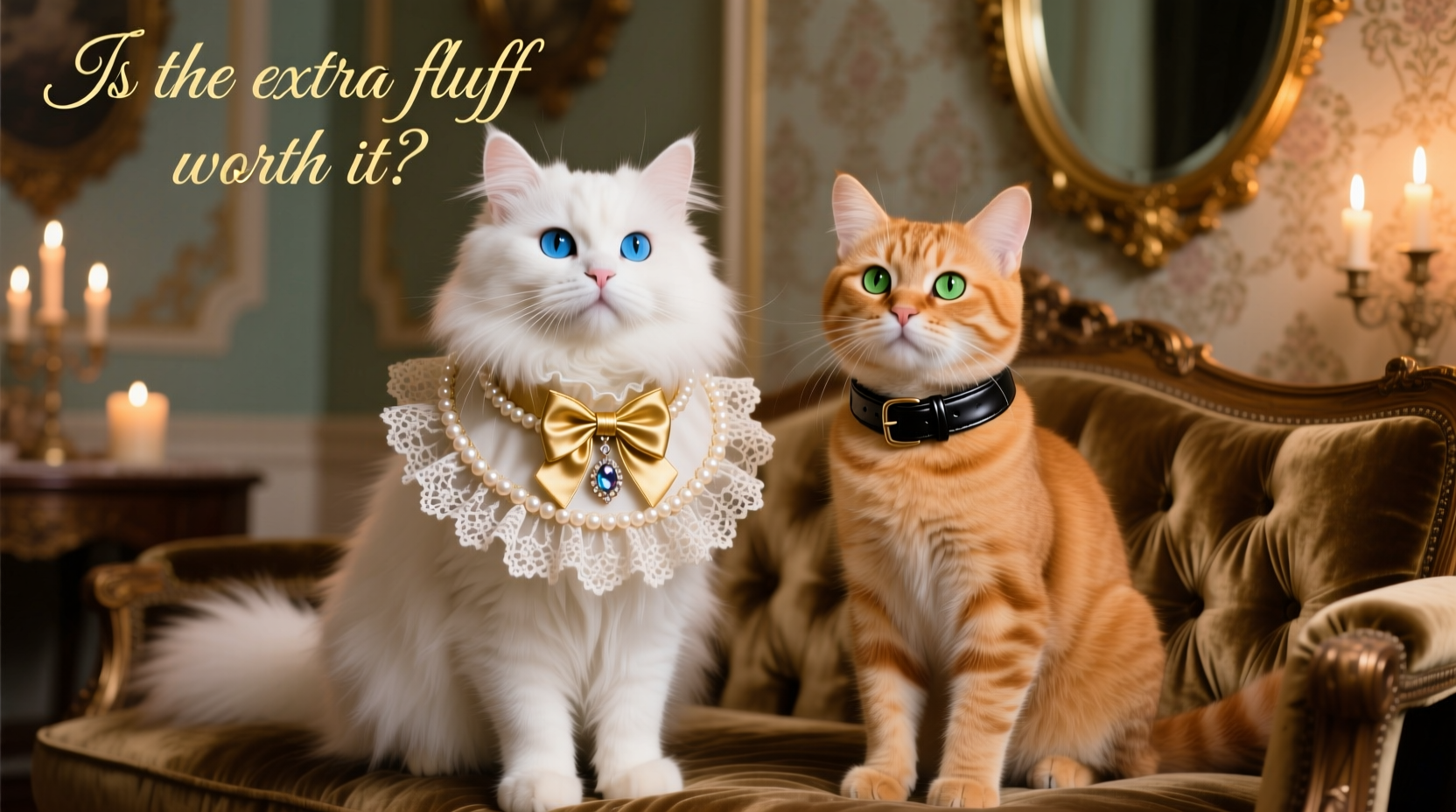
While princess collars may look adorable in photos, their design often prioritizes appearance over function. Many are made with non-elastic materials, lack breakaway clasps, or feature dangling embellishments like bows, bells, or faux pearls that can pose choking or entanglement hazards.
A 2022 study published in the *Journal of Feline Medicine and Surgery* found that decorative collars were three times more likely to get caught on furniture or outdoor obstacles than standard breakaway models. When a cat gets snagged, a non-release clasp can lead to strangulation—a risk that’s especially high for indoor cats who climb, squeeze into tight spaces, or play aggressively.
“Any collar that doesn’t have a reliable breakaway mechanism should not be worn unsupervised. Style should never compromise safety.” — Dr. Lena Patel, DVM, Feline Behavior SpecialistTip: Always test a collar’s breakaway function by gently tugging on it. If it doesn’t release under moderate pressure, it’s not safe for daily wear.
Comfort and Fit: How Design Affects Your Cat’s Daily Life
Cats are sensitive to touch, particularly around the neck and shoulders. A bulky, stiff princess collar can restrict movement, cause chafing, or trigger obsessive scratching. In contrast, regular collars are typically made from soft nylon or polyester webbing, designed to lie flat and move with the animal.
Weight is another critical factor. Some ornamental collars weigh up to 15 grams—over 1% of an average 10-pound cat’s body weight. That might not sound like much, but when concentrated on the neck, it can lead to muscle strain or discomfort over time.
Additionally, cats groom themselves meticulously. Long fabric ruffles or synthetic fur trim common on princess collars can trap saliva, dirt, and loose fur, creating hygiene issues and potential skin irritation.
Material Comparison: Princess vs. Regular Collars
| Feature | Princess Collar | Regular Collar |
|---|---|---|
| Material | Faux fur, satin, sequins, plastic accents | Nylon, polyester, soft leather |
| Weight | 10–20g (often heavier) | 5–8g (lightweight) |
| Breakaway Clasp | Rarely included | Standard on quality models |
| Adjustability | Limited (rigid sizing) | High (multiple adjustment points) |
| Washability | Difficult (delicate fabrics) | Easy (machine washable) |
When Princess Collars Make Sense (And When They Don’t)
There’s no denying the charm of a dainty, lace-trimmed collar for special occasions or photo shoots. However, treating them as everyday wear is where problems arise. Think of a princess collar like formal attire: acceptable for short-term use under supervision, but impractical—and potentially dangerous—for continuous wear.
For kittens, elderly cats, or those with health conditions like arthritis, added bulk or stiffness can exacerbate mobility issues. On the other hand, confident, low-activity indoor cats may tolerate a lightweight decorative collar for brief periods if closely monitored.
“We dressed our Persian, Duchess, in a pink velvet collar for her birthday photos. She wore it for 20 minutes, then started pawing at it. We realized it was stressing her out—even though she looked like royalty.” — Sarah Kim, cat owner and blogger
Step-by-Step Guide: Choosing the Right Collar for Your Cat
Follow this process to ensure your cat stays both stylish and safe:
- Assess your cat’s lifestyle: Does she go outdoors? Climb shelves? Hide in tight spaces? Active cats need minimal, secure collars.
- Prioritize safety features: Look for a breakaway clasp and reflective stitching if your cat ventures outside.
- Measure properly: Use a soft tape measure. You should be able to fit two fingers comfortably under the collar.
- Test for comfort: Put the collar on and observe your cat for 15 minutes. Watch for head shaking, scratching, or attempts to remove it.
- Reserve fashion collars for events: Use princess-style collars only during supervised photo sessions or celebrations, and never leave them on overnight.
- Add ID discreetly: Attach a small tag to a regular collar, or consider a QR code tag that links to your contact info without adding bulk.
Checklist: What to Look for in Any Cat Collar
- ✅ Breakaway safety clasp
- ✅ Lightweight, breathable material
- ✅ Adjustable fit (not one-size-fits-all)
- ✅ No loose strings, beads, or sharp edges
- ✅ Easy to clean
- ✅ Reflective elements for visibility
- ✅ Comfort tested with your cat’s behavior
Expert Insight: Veterinarians Weigh In
Dr. Marcus Tran, a board-certified veterinary surgeon, emphasizes that collar-related injuries are preventable. “We’ve treated cats with neck lacerations, hair loss from friction, and even nerve damage from ill-fitting collars. Most owners don’t realize how quickly a ‘cute’ accessory can become hazardous.”
He recommends rotating collars: use a durable, simple design for daily wear and keep decorative ones for occasional use. “If you want your cat to stand out, choose a collar with subtle elegance—like a soft pastel color or a tiny engraved tag—rather than something that screams attention.”
FAQ: Common Questions About Cat Collars
Can cats wear princess collars safely at all?
Yes—but only under direct supervision and for short durations. Never allow unsupervised or overnight wear. Opt for lightweight versions with no dangling parts, and always monitor your cat’s reaction.
Do cats need collars if they’re microchipped?
Absolutely. Microchips are invaluable, but they require someone to take your cat to a vet or shelter to scan. A collar with ID provides immediate contact information, increasing the chances of a quick reunion if your cat wanders off.
How often should I replace my cat’s collar?
Inspect the collar monthly for fraying, fading, or clasp weakness. Replace it every 6–12 months, or sooner if it shows signs of wear. For active cats, check more frequently.
Conclusion: Style Should Serve Safety
The allure of a princess collar is understandable—your cat deserves to feel special. But true care means balancing cuteness with caution. While a fluffy, glittery accessory might earn likes on Instagram, a well-fitted, functional collar keeps your kitty safe every single day.
You don’t have to sacrifice style entirely. Many modern brands offer elegant, minimalist collars in soft hues, floral patterns, or with delicate charms—all while maintaining breakaway safety and comfort. Choose wisely, prioritize your cat’s needs over trends, and remember: the best accessory your cat can wear is one that lets her live freely, safely, and happily.
💬 Have you tried a princess collar on your cat? Share your experience—what worked, what didn’t—and help fellow cat lovers make smarter choices!








