Choosing the right harness for your puppy isn’t just about aesthetics—it’s about comfort, mobility, and safety. Designer pet harness vests combine fashion with function, but even the most stylish option can cause discomfort or restrict movement if it doesn’t fit properly. Unlike collars, harnesses distribute pressure across the chest and shoulders, making accurate sizing essential. Unfortunately, many pet owners rely on guesswork or breed-based size charts, which often lead to poor fits. The solution? Precise, hands-on measurement. This guide walks you through every step of measuring your growing puppy correctly so you can confidently select a designer harness that fits like it was made just for them.
Why Accurate Measurements Matter
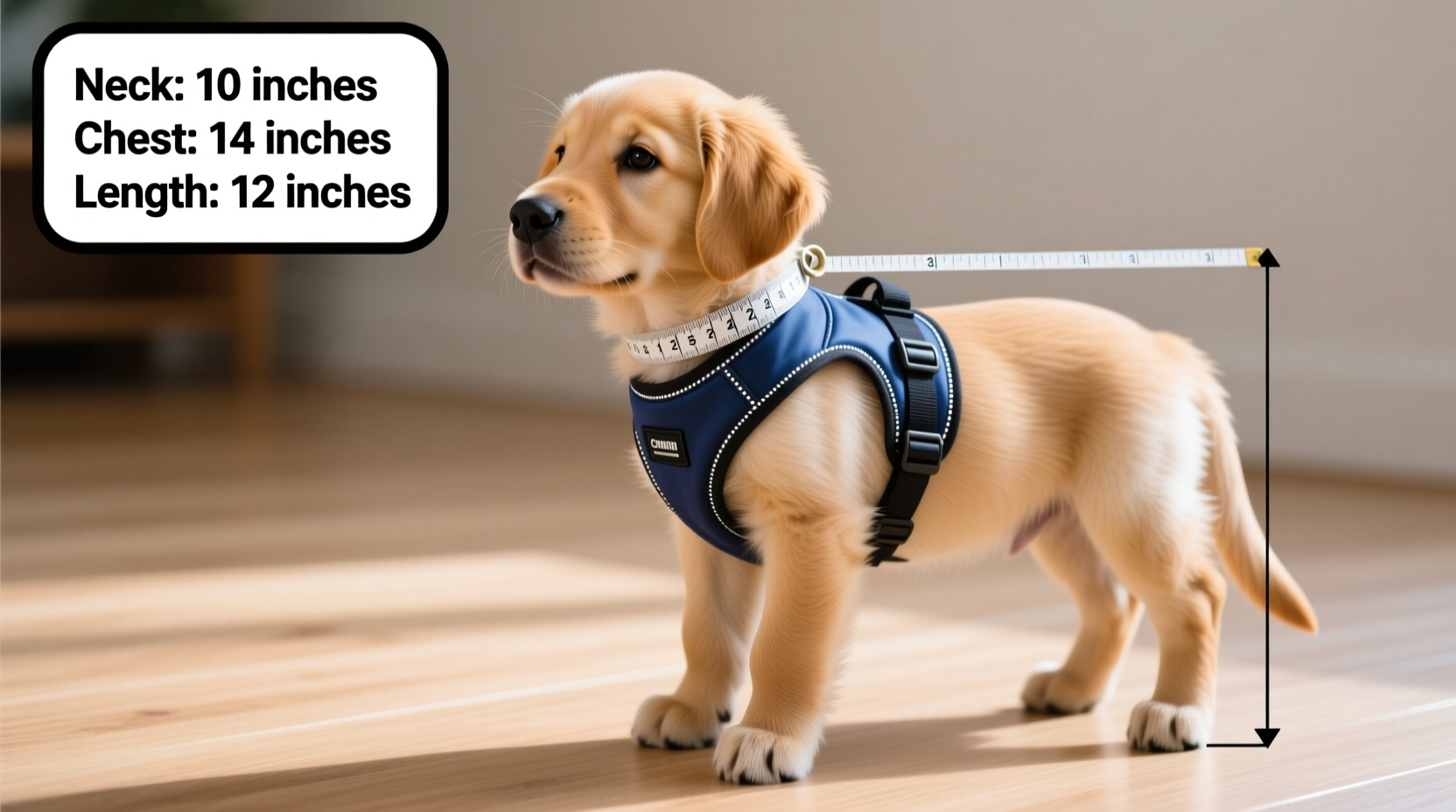
A poorly fitted harness can do more than just look awkward—it can interfere with your puppy’s development. Too tight, and it may chafe the armpits or restrict breathing; too loose, and your pup could slip out during a walk. Designer harnesses, while often crafted with premium materials and ergonomic designs, still follow standard sizing conventions. Without accurate measurements, even high-end brands can fall short in performance.
Puppies grow rapidly, especially between 8 and 16 weeks of age. A harness that fits perfectly one month might be obsolete the next. That’s why establishing a consistent measurement routine is crucial—not just for initial purchase, but for ongoing fit checks. Taking the time to measure properly ensures your puppy remains comfortable, secure, and free to explore without restriction.
Tip: Measure your puppy every 3–4 weeks during peak growth phases to stay ahead of size changes.The Three Key Measurements for a Perfect Fit
To find the ideal fit for a designer harness vest, focus on three critical dimensions: neck girth, chest girth, and back length. These correspond directly to how the harness sits on your puppy’s body and ensure even pressure distribution.
- Neck Girth: Measure around the base of the neck where the collar normally sits. The tape should be snug but not tight—allow space for two fingers beneath.
- Chest Girth (Broadest Point): This is the most important measurement. Wrap the tape around the widest part of the chest, just behind the front legs. Ensure the tape is horizontal and not riding up the shoulder blades.
- Back Length: Measure from the base of the neck (where the collar sits) down along the spine to the start of the tail. This helps determine where the harness straps will fall and whether the design suits your puppy’s proportions.
Use a soft fabric measuring tape—never metal rulers or stiff tapes. If your puppy fidgets, enlist help or try during a calm moment after play or feeding. Record all measurements in inches and centimeters for maximum compatibility with international brands.
Step-by-Step Measurement Process
Follow this sequence to get reliable, repeatable results:
- Prepare Your Tools: Gather a soft measuring tape, notebook, and a treat to keep your puppy engaged.
- Wait for Calmness: Choose a time when your puppy is relaxed—after a nap or light activity works best.
- Position Correctly: Have your puppy stand on a flat surface with all four paws evenly placed. Avoid slouching or stretching positions.
- Measure Neck: Place the tape at the base of the neck, ensuring it lies flat against the skin without pressing into fur.
- Measure Chest: Loop the tape around the deepest part of the chest. Exhale gently as you measure—this mimics natural breathing during wear.
- Measure Back Length: Run the tape from the shoulder blades to the tail base, following the natural curve of the spine.
- Double-Check: Repeat each measurement twice to confirm consistency.
Once recorded, compare your numbers to the brand’s official size chart. Never assume sizes are universal—even “medium” varies significantly between manufacturers.
Common Fitting Mistakes to Avoid
Even experienced pet owners make errors when sizing harnesses. Here are the most frequent missteps and how to avoid them:
| Mistake | Why It’s Problematic | How to Fix It |
|---|---|---|
| Using collar size as reference | Collars sit higher and don’t reflect chest width | Always measure chest girth independently |
| Measuring over thick fur without compression | Leads to oversized harnesses that slip | Gently flatten fur during measurement |
| Guessing based on breed averages | Individual variation makes this unreliable | Measure every puppy individually |
| Not re-measuring during growth spurts | Puppies can gain inches in weeks | Schedule monthly check-ins |
“Fitting a harness isn’t a one-time task—it’s an ongoing process that evolves with your puppy’s body.” — Dr. Lena Torres, Veterinary Behaviorist & Canine Ergonomics Consultant
Real-World Example: Measuring a Growing Cavapoo
Sophie adopted a Cavapoo puppy named Milo at 10 weeks old. Excited to outfit him in a sleek, adjustable designer vest, she ordered a small based on his breed and weight. Within two weeks, Milo began scratching at the harness, and the chest strap started slipping forward. Concerned, Sophie revisited the sizing instructions and took precise measurements. She discovered that while his neck was within range, his chest had grown half an inch beyond the “small” limit. After exchanging for a medium, the harness sat flush across his shoulders, and Milo walked comfortably without resistance. By measuring again at 14 weeks, Sophie caught another growth spurt early and adjusted accordingly, avoiding discomfort before it became a behavioral issue.
Checklist: Pre-Purchase Harness Verification
Before finalizing any designer harness purchase, run through this checklist:
- ✅ I’ve measured my puppy’s neck, chest, and back length using a soft tape.
- ✅ I’ve consulted the brand’s specific size chart—not a generic guide.
- ✅ I’ve accounted for fur thickness by lightly compressing it during measurement.
- ✅ I’ve confirmed adjustability features (e.g., multiple strap points).
- ✅ I’ve verified return policy in case the fit isn’t perfect.
- ✅ I’ve considered growth room—no more than 1–1.5 inches of extra girth.
Frequently Asked Questions
How much growing room should I allow in a harness?
Allow no more than 1 to 1.5 inches of extra girth. More than that increases the risk of slipping or misalignment. Since puppies grow quickly, prioritize current fit over future growth.
What if my puppy falls between two sizes?
Always size up—but only if the harness has adjustable straps. A slightly loose fit can be tightened; a tight fit cannot be expanded and risks restricting movement or circulation.
Can I use the same harness for car travel and walking?
Only if it’s crash-tested and labeled for vehicle use. Most designer harnesses are designed for walking. For car safety, invest in a harness certified by organizations like the Center for Pet Safety.
Final Thoughts: Precision Equals Peace of Mind
Selecting a designer pet harness vest should never come down to compromise between style and comfort. With accurate measurements, you achieve both. The few minutes spent measuring your puppy today can prevent weeks of discomfort, behavioral resistance, or even injury. As your puppy grows, revisit these steps regularly. Think of it as tailoring—because the best fit isn’t found, it’s calculated.
💬 Have a fitting success story or tip? Share your experience with other pet parents in the comments below—your insight could help someone else get the perfect fit on the first try.








