Finding the perfect fancy dress for your dog can be an exciting experience—whether it’s for a birthday, holiday photoshoot, or a themed party. However, no matter how elegant the design, a poorly fitting dress will detract from both comfort and appearance. Many pet owners assume that sizing charts alone are enough, but just like humans, dogs vary widely in body shape even within the same breed or weight class. To achieve a truly flawless fit, accurate measurements are essential. This guide provides professional-level techniques to measure your dog with precision, ensuring every dress drapes beautifully and allows full freedom of movement.
Why Accurate Measurements Matter
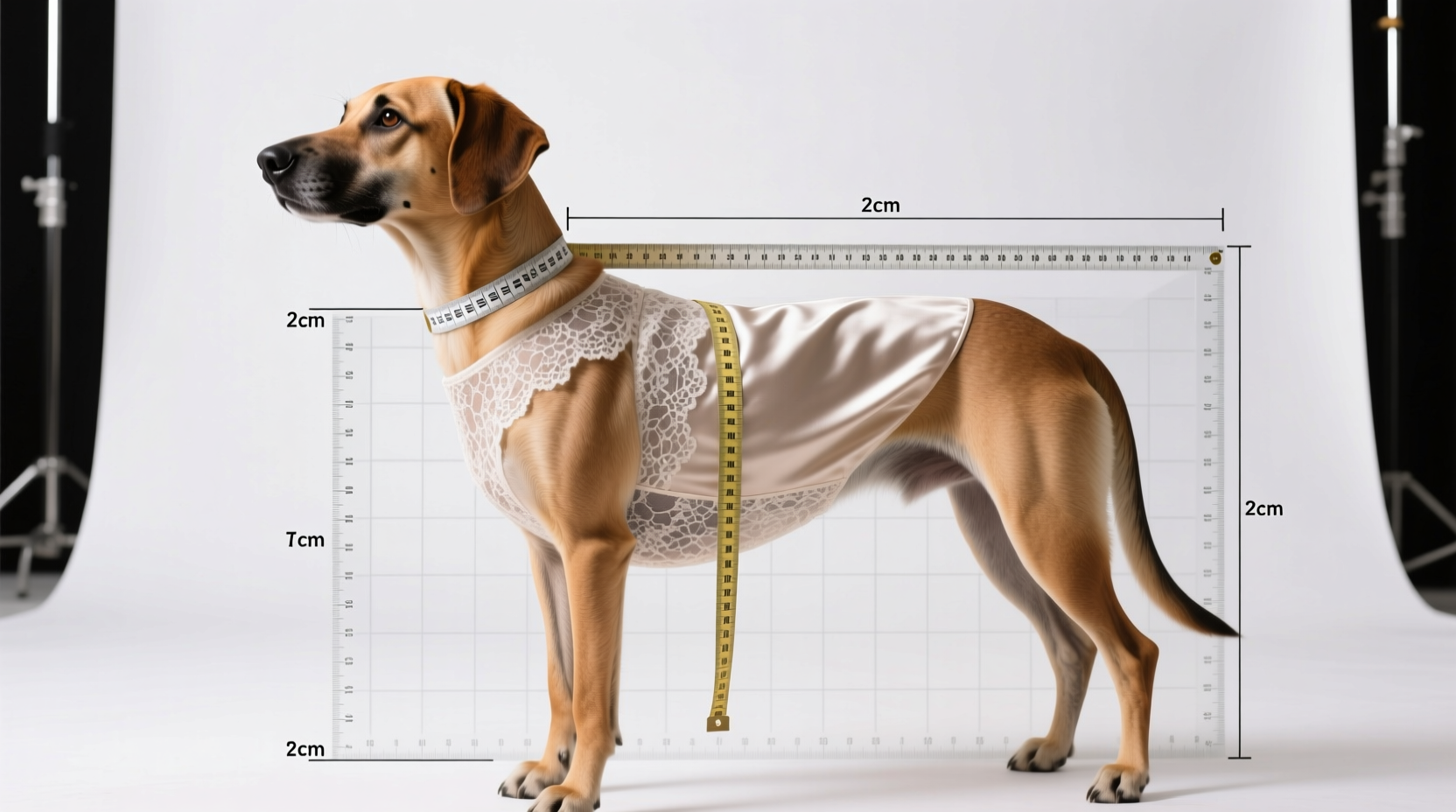
A well-fitting dog dress should sit snugly without restricting motion, chafing, or slipping down. Ill-fitting garments often lead to stress, escape attempts, or even skin irritation. Off-the-rack sizes can be misleading—what’s labeled as “medium” may differ drastically between brands. Custom or boutique designers rely heavily on exact dimensions to tailor garments properly. Without precise data, even high-end dresses risk looking awkward or becoming unwearable.
“Just like haute couture for humans, canine fashion requires individualized measurements. One inch too tight around the neck or chest can make the difference between elegance and discomfort.” — Dr. Lena Torres, Veterinary Behaviorist & Pet Apparel Consultant
Essential Tools for Measuring Your Dog
Before beginning, gather the right tools. Accuracy depends not only on technique but also on equipment.
- Soft fabric measuring tape: Rigid rulers or metal tapes won’t conform to curves and can cause errors.
- Notepad and pen: Record each measurement immediately to avoid confusion.
- Treats: Keep your dog calm and cooperative during the process.
- Helper (optional): Especially useful for wiggly or anxious dogs.
Step-by-Step Measurement Guide
Follow this sequence carefully. Each step corresponds to a critical dimension used by most reputable pet clothing brands.
- Neck Circumference: Wrap the tape around the base of the neck where the collar normally sits. Ensure two fingers can fit comfortably between the tape and skin. Don’t pull tightly—this area expands when the dog barks or breathes deeply.
- Chest Girth (widest point): Locate the broadest part of the chest, usually just behind the front legs. This is often the largest measurement and determines overall fit. Hold the tape horizontally and snug—but not compressing fur or muscle.
- Back Length (neck to tail base): Start at the base of the neck (where the shoulders meet the neck) and follow the spine straight to the top of the tail. This length dictates where the hemline falls and ensures coverage without impeding movement.
- Underbelly Clearance: From the bottom of the chest at its lowest point, measure vertically down to where you want the dress to end. Important for avoiding ground contact while walking.
- Leg Opening Spacing (for multi-strapped designs): If the dress has leg holes, measure the distance from the front leg crease to the back leg crease along the underside. Helps prevent chafing and ensures proper alignment.
Common Measurement Mistakes to Avoid
Even experienced pet owners make errors that compromise fit. Awareness prevents frustration later.
| Mistake | Consequence | Solution |
|---|---|---|
| Measuring over thick collars or harnesses | Inflated neck size leading to loose fit | Remove accessories before measuring |
| Pulling tape too tight | Restricted breathing, garment won’t zip or fasten | Allow slight slack—tape should glide smoothly |
| Measuring a standing dog incorrectly | Skewed back length due to posture | Ensure dog stands naturally on flat surface, head level |
| Guessing based on weight alone | Poor fit, especially in mixed-breed or muscular dogs | Always measure; weight is supplementary |
Real-World Example: Bella the Bichon Frise
Bella, a 7-year-old Bichon Frise, was ordered a \"size small\" formal tulle dress based on her 15-pound weight. Her owner assumed it would fit perfectly. Upon arrival, the chest band dug into her armpits, and the neckline gaped loosely. After consulting a pet stylist, Bella was measured correctly: her chest girth was actually 18 inches—larger than standard breed averages due to dense coat volume. A custom size adjusted for actual measurements solved the issue. The new dress stayed in place, allowed full mobility, and looked professionally tailored.
This case highlights how assumptions undermine fit. Volume from fluff, muscle tone, or posture can shift sizing needs significantly—even within breed standards.
Dress Design Considerations Based on Body Type
Different breeds require different design adaptations. Measurements must be interpreted in context.
- Deep-chested breeds (e.g., Boxers, Dobermans): Prioritize chest depth and back length. Look for stretch panels or adjustable straps.
- Short-legged dogs (e.g., Dachshunds, Corgis): Focus on back length-to-height ratio to avoid tripping. Avoid long hems.
- Toy breeds (e.g., Chihuahuas, Pomeranians): Precision is critical—half an inch makes a big difference. Use millimeter markings if possible.
- Heavy-coated breeds (e.g., Samoyeds, Shih Tzus): Account for coat volume. Some designers recommend adding 1–1.5 inches to girth measurements for fluff clearance.
“In our studio, we never use generic size charts for final production. Every custom piece starts with hand-recorded measurements and a posture assessment.” — Marco Alvarez, Canine Fashion Designer, Pooch & Pearl Atelier
Checklist: Pre-Measurement Preparation
Use this checklist before you begin measuring to ensure accuracy and reduce stress for your dog.
- ☑ Choose a quiet, distraction-free area
- ☑ Have treats ready to reward cooperation
- ☑ Brush your dog’s coat to remove tangles and fluff
- ☑ Remove collar, harness, or tags
- ☑ Confirm your measuring tape is flexible and clearly marked
- ☑ Enlist help if your dog tends to move or get anxious
- ☑ Plan to measure after moderate activity when your dog is calm
Frequently Asked Questions
Can I use human clothing sizes as a reference?
No. Human sizing systems don’t translate directly to canine proportions. Dogs have longer torsos, different shoulder structures, and stand on four legs—making cut and drape fundamentally different. Always use pet-specific sizing guidelines backed by actual measurements.
How often should I re-measure my dog?
For adult dogs, re-measure annually or whenever there’s a noticeable change in weight or body condition. Puppies should be measured every 4–6 weeks during growth phases. Senior dogs may lose muscle mass, requiring updated fits for comfort.
What if my dog falls between sizes?
When measurements land between two sizes, choose the larger one—especially for non-stretch fabrics. You can always add adjustable straps or elastic insets, but you can’t loosen a garment that’s too tight. For stretchy materials (like spandex blends), the smaller size may suffice if within 0.5 inches of tolerance.
Final Tips for Flawless Dress Fit
After receiving the dress, conduct a trial fitting indoors. Let your dog walk, sit, lie down, and stretch. Watch for pinching, riding up, or resistance. Make minor adjustments using Velcro, ribbons, or removable sashes. Never force a dog to wear something uncomfortable, regardless of appearance.
Tip: Label your recorded measurements with date and coat condition (e.g., “post-groom”) for future reference.Conclusion
A flawlessly fitting fancy dress isn’t just about aesthetics—it’s a blend of precision, understanding canine anatomy, and attention to detail. By mastering accurate measurement techniques, you empower yourself to select or commission garments that enhance your dog’s personality without compromising their well-being. Whether shopping online or working with a designer, armed with correct numbers, you’ll skip the guesswork and eliminate returns. Your dog deserves to feel as good as they look.
💬 Have a fitting success story or tip? Share your experience in the comments—your insights could help another pet parent avoid fashion fails and celebrate pawsome style!








