
Pet clothing isn't just a fashion statement—it can serve functional purposes like protecting against cold, allergies, or skin conditions. However, with regular use comes the inevitable challenge of dirt, stains, and odors. Unlike human clothes, pet garments endure fur, drool, mud, and occasional accidents, making maintenance more demanding. The good news is that with the right strategies, you can keep your pet’s wardrobe consistently clean, fresh-smelling, and in excellent condition. This guide delivers actionable, expert-informed advice to simplify pet clothing care without sacrificing fabric longevity or your time.
Choose the Right Fabrics for Easy Maintenance
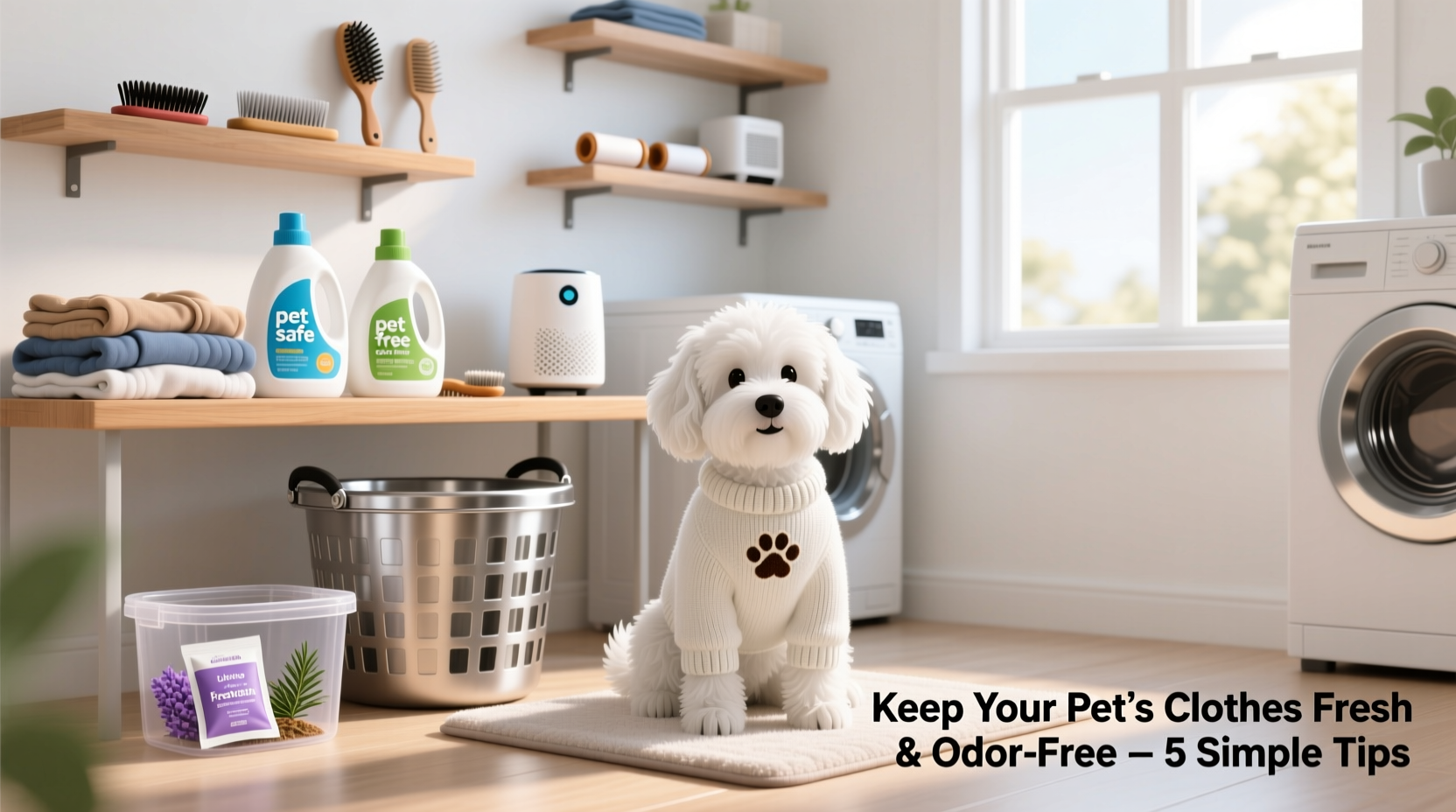
The foundation of long-term cleanliness starts before the first wash. Selecting pet clothing made from durable, breathable, and easy-to-clean materials significantly reduces future effort. Cotton, polyester blends, and moisture-wicking synthetics are ideal because they withstand frequent laundering while resisting odor buildup.
Avoid delicate fabrics like silk or wool unless they’re reserved for special occasions and hand-washed with extreme care. These materials trap odors more easily and require specialized cleaning products that may not be practical for everyday pet wear.
Tip: Look for machine-washable labels when purchasing pet clothes—this small detail saves hours of manual scrubbing.Establish a Realistic Washing Routine
How often you wash your pet’s clothes depends on usage, environment, and your pet’s habits. Outdoor gear used daily should be laundered weekly. Indoor sweaters or costumes worn occasionally can go 3–4 uses before washing, provided they remain visibly clean.
Always separate pet clothing by color and soil level. Treat visible stains immediately with an enzyme-based cleaner designed for pet odors. Enzyme formulas break down organic matter like saliva, urine, or fecal residue—common culprits behind lingering smells that standard detergents miss.
“Enzymatic cleaners are essential for eliminating biological odors at the source. Regular detergents only mask smells—they don’t neutralize them.” — Dr. Lena Torres, Veterinary Dermatology Consultant
Step-by-Step Guide: How to Wash Pet Clothes Effectively
- Pre-treat stains: Apply a pet-safe stain remover to soiled areas and let sit for 5–10 minutes.
- Turn clothes inside out: This protects outer fabric and helps remove trapped fur and dander.
- Use a gentle cycle: Set your washer to cold or warm water (never hot) to prevent shrinkage.
- Select mild detergent: Use fragrance-free, hypoallergenic laundry soap to avoid skin irritation.
- Add odor-neutralizing boost: Include a half-cup of white vinegar or baking soda in the rinse cycle to eliminate residual smells.
- Air dry whenever possible: Tumble drying can damage elastic and cause shrinkage. Hang clothes in a well-ventilated area away from direct sunlight.
Prevent Odor Build-Up Between Washes
Even with infrequent use, pet clothes can develop musty or stale odors due to moisture absorption and bacterial growth. To prevent this, adopt proactive freshness habits.
- Allow clothes to air out after each use—hang them up instead of tossing into a drawer or basket.
- Store garments in a dry, ventilated space. Avoid damp basements or humid bathrooms.
- Use natural odor absorbers like cedar chips or activated charcoal sachets in storage bins.
- Refresh lightly worn items with a DIY spray: mix 1 cup water, 1 tablespoon vodka (natural disinfectant), and a few drops of lavender essential oil (optional).
Do’s and Don’ts of Pet Clothing Care
| Do’s | Don’ts |
|---|---|
| Wash clothes promptly after muddy walks or accidents | Leave wet clothes bunched in a laundry basket |
| Use mesh laundry bags for small or delicate items | Overload the washing machine—clothes need room to agitate |
| Air dry to preserve elasticity and shape | Tumble dry high—heat damages fibers and elastic bands |
| Inspect seams and fasteners regularly for wear | Ignore loose threads or broken zippers—they worsen over time |
| Label seasonal clothes for rotation | Store dirty clothes with clean ones—odors transfer easily |
Real Example: Managing a Multi-Pet Household
Sarah, a dog owner in Portland, Oregon, manages three rescue dogs—all wearing weather-appropriate jackets during rainy seasons. With constant outdoor activity, their coats quickly accumulated mud and forest debris. Initially, Sarah washed everything together once a week, but noticed persistent damp smells and frayed hems.
She revised her system: now she rinses off visible mud immediately after walks, pre-treats with an enzymatic spray, and sorts garments by size and material. She uses individual mesh bags in the wash and hangs all items to dry on a rack near a fan. As a result, her pet jackets last longer, smell fresher, and require fewer deep cleans. “It takes 10 extra minutes per week,” she says, “but my vet even commented that my dogs seem less itchy since I started using gentler detergents.”
Essential Checklist for Ongoing Pet Clothing Care
Stay consistent with this simple checklist to maintain hygiene and freshness:
- ✔️ Inspect clothes after each use for stains, tears, or trapped debris
- ✔️ Pre-treat any soiled areas within 24 hours
- ✔️ Wash using cold water and pet-safe detergent
- ✔️ Add vinegar or baking soda to combat odors naturally
- ✔️ Air dry completely before storing
- ✔️ Rotate seasonal items and store clean garments in breathable containers
- ✔️ Replace worn-out clothes that no longer fit or have damaged seams
Frequently Asked Questions
Can I use my regular laundry detergent for my pet’s clothes?
While technically possible, it’s better to use fragrance-free, hypoallergenic detergents. Many standard detergents contain dyes and perfumes that can irritate your pet’s skin, especially if they have allergies or sensitivities.
How do I remove stubborn urine or fecal odors?
Soak the garment in a solution of cold water and an enzymatic cleaner for 30–60 minutes before washing. Do not use hot water, as heat sets protein-based stains and odors. Repeat if necessary before drying.
Is it safe to use fabric softener on pet clothes?
No. Fabric softeners coat fibers with chemicals that reduce absorbency and may cause skin irritation. They can also interfere with the performance of waterproof or moisture-wicking fabrics. Instead, use white vinegar in the rinse cycle for natural softening.
Final Thoughts
Keeping your pet’s clothes clean, fresh, and odor-free doesn’t require perfection—just consistency and smart choices. From selecting wash-friendly fabrics to adopting a simple routine of airing out, spot-treating, and proper laundering, every step contributes to healthier, longer-lasting garments. More importantly, clean clothes support your pet’s comfort and hygiene, reducing the risk of skin issues and unpleasant household odors.
💬 Have a tip that works wonders for your pet’s wardrobe? Share your experience in the comments—your insight could help another pet parent solve a stubborn odor problem!








