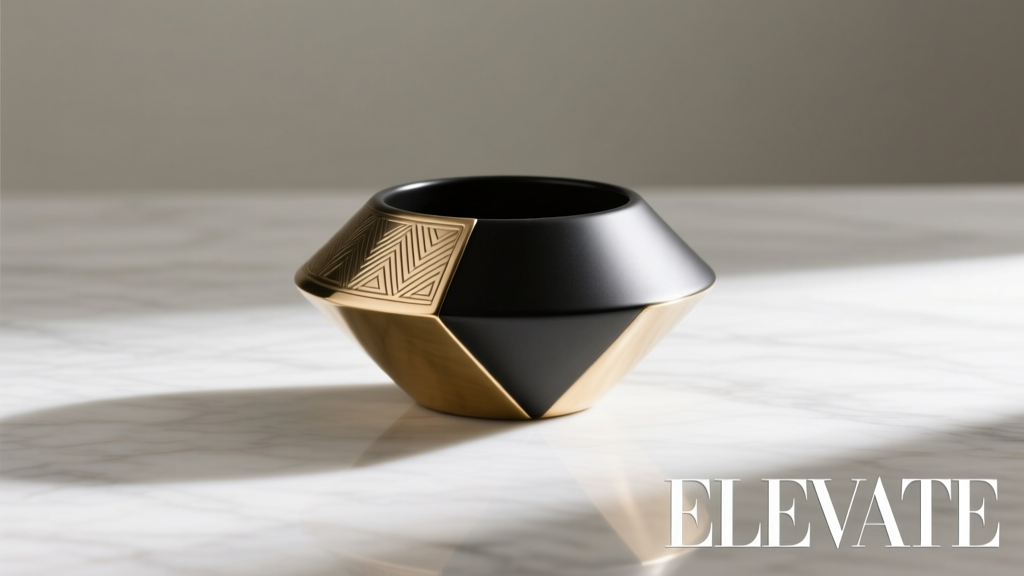
Types of Pottery Knitting Bowls
A pottery knitting bowl is a functional and artistic tool used by knitters to manage yarn while working on projects. These handmade ceramic bowls help prevent tangles by keeping yarn contained and feeding it smoothly from the center. Beyond utility, they also serve as beautiful decorative pieces that reflect craftsmanship and personal style. From rustic traditional designs to modern geometric forms, pottery knitting bowls combine artistry with practicality.
Traditional Pottery Knitting Bowls
Handcrafted from natural clay and fired in kilns, traditional pottery knitting bowls are cherished for their organic charm and durability. Each piece is uniquely shaped by the artisan’s hand, resulting in subtle variations that make every bowl one-of-a-kind.
Advantages
- Handmade with unique character and texture
- Smooth, glazed interior prevents yarn snagging
- Durable and long-lasting with proper care
- Often features subtle interior grooves to guide yarn
- Timeless aesthetic complements any home décor
Limitations
- Heavier than plastic or wooden alternatives
- Vulnerable to chipping if dropped
- Limited design variation within traditional styles
Best for: Crafters who value authenticity, handmade quality, and classic design
Carved Pottery Knitting Bowls
Artisans meticulously carve intricate patterns—such as floral motifs, tribal designs, or nature-inspired etchings—into the surface of these bowls. The carving not only enhances visual appeal but also improves functionality by creating a slightly textured surface that controls yarn movement.
Advantages
- Unique artistic expression with detailed craftsmanship
- Textured surface provides gentle resistance for smoother yarn feed
- Excellent grip prevents slipping during use
- Highly collectible and often signed by the artist
Limitations
- Potential for yarn to catch on deep grooves if unglazed
- Higher price due to labor-intensive creation process
- Requires careful cleaning to avoid trapping debris in carvings
Best for: Knitters who appreciate fine craftsmanship and want a standout piece for their crafting space
Decorative Pottery Knitting Bowls
While fully functional, these bowls are primarily designed to be eye-catching centerpieces. Featuring vibrant glazes, metallic accents (like gold or silver luster), and elaborate patterns, decorative knitting bowls elevate the aesthetic of any room—even when not in use.
Advantages
- Striking visual appeal enhances home or studio décor
- Can double as giftware or display art
- Available in bold colors and luxurious finishes
- Encourages mindfulness and joy in the crafting process
Limitations
- May prioritize beauty over optimal yarn functionality
- Glitter or metallic finishes may wear over time
- Sometimes less practical for frequent or travel use
Best for: Interior-conscious crafters, gift-giving, or as statement pieces in creative spaces
Pottery Knitting Bowls with Lids
A rare but innovative variation, these bowls come with fitted ceramic or wood lids. Some feature a central hole to allow yarn to feed through while the lid remains on, offering protection during storage or transport.
Advantages
- Protects yarn from dust, pets, and tangles
- Ideal for portable knitting projects
- Lid can double as a small tray or cap for display
- Maintains project integrity between sessions
Limitations
- Limited availability and often custom-ordered
- Added weight makes them less travel-friendly
- Lid may not fit perfectly over time due to clay expansion/contraction
Best for: Travel knitters, those with busy homes, or anyone needing project protection
Geometric Pottery Knitting Bowls
Modern and architecturally inspired, geometric pottery bowls feature sharp lines, angular shapes, and symmetrical patterns. Created using precise carving and painting techniques, these bowls offer a contemporary twist on the classic round knitting bowl.
Advantages
- Unique, modern aesthetic stands out from traditional designs
- Sleek, minimalist look fits urban or contemporary interiors
- Structured shape can help organize yarn more effectively
- Appeals to crafters who enjoy blending art and function
Limitations
- Sharp edges may require smoothing to prevent yarn snagging
- Less common, so harder to source
- May feel less "cozy" compared to organic shapes
Best for: Modern crafters, design enthusiasts, and those seeking a bold, artistic statement
| Type | Functionality | Aesthetic Value | Durability | Best Use Case |
|---|---|---|---|---|
| Traditional | High | Classic & Timeless | Very Good | Daily knitting, handmade charm lovers |
| Carved | High | Artistic & Detailed | Good | Crafters who value texture and detail |
| Decorative | Moderate | Exceptional | Fair to Good | Display, gifting, stylish interiors |
| With Lids | Excellent (for storage) | Unique & Practical | Good | Travel, project protection |
| Geometric | High | Modern & Bold | Good | Contemporary spaces, design-focused crafters |
Expert Tip: When selecting a pottery knitting bowl, ensure the interior is smoothly glazed to prevent yarn from catching. For carved or textured bowls, test with your preferred yarn type to confirm smooth feeding.
Features of Pottery Knitting Bowls: Function Meets Artistry
Pottery knitting bowls are more than just functional tools—they are handcrafted works of art designed to enhance the knitting experience. Combining practical design with aesthetic beauty, these bowls help keep yarn organized while serving as decorative pieces in any craft space. Below is a detailed exploration of the key features that make pottery knitting bowls a cherished accessory for knitters and collectors alike.
Core Functional Features
Yarn Guide Slot
At the heart of every pottery knitting bowl is a carefully carved yarn slot—also known as a yarn guide. This small but essential feature allows yarn to feed smoothly from the bowl to the needles, minimizing friction and preventing tangles. The slot is strategically positioned along the rim, enabling consistent tension as the yarn unwinds during knitting.
By containing the yarn within the bowl and guiding it through the slot, knitters can work with both hands free, improving dexterity and reducing the risk of dropped stitches. The precision of the slot’s carving also reflects the potter’s attention to detail, often enhanced with decorative elements that blend utility with artistry.
Tangle-Free Yarn Management
One of the most frustrating challenges in knitting is dealing with tangled or twisted yarn. Pottery knitting bowls are specifically designed to prevent this issue. The enclosed, rounded interior keeps the yarn ball contained and stable, while the smooth glaze and controlled exit point (the yarn slot) ensure the yarn unrolls evenly.
This tangle-free design not only saves time and reduces frustration but also contributes to more consistent stitching. Whether using delicate lace-weight yarn or bulky wool, the bowl helps maintain even tension, resulting in a more professional-looking finished project.
Artistic and Craftsmanship Elements
Handmade Craftsmanship
Unlike mass-produced plastic or wooden yarn bowls, pottery knitting bowls are typically hand-thrown and hand-finished by skilled artisans. Each piece is unique, shaped on a potter’s wheel or hand-built using traditional techniques. This individual craftsmanship ensures no two bowls are exactly alike.
The care taken in shaping, carving, and finishing each bowl reflects a deep respect for both function and form. Subtle variations in shape, thickness, and detailing give each piece character and soul, making it a personal companion to the knitter. Collectors and crafters alike value these handmade qualities, knowing they support independent artists and sustainable production.
Beautiful Glaze Finishes
Glazing transforms a simple clay bowl into a vibrant, tactile artwork. A high-quality glaze not only enhances the visual appeal but also seals the pottery, making it durable and easy to clean. Glazes come in a wide range of finishes—glossy, matte, crystalline, speckled, or ombre—offering endless aesthetic possibilities.
Artisans use various glazing techniques such as dipping, brushing, or layering to create depth and texture. The interaction between glaze and firing process can produce unexpected and stunning effects, like iridescent sheens or earthy crackle patterns. These finishes make each knitting bowl a conversation piece, as beautiful on display as it is functional during use.
Practical Design Enhancements
Drainage Holes
Many pottery knitting bowls include one or more small drainage holes in the base. Originally a feature from functional pottery (like planters), these holes serve a practical purpose: they allow moisture to escape if the bowl is washed or exposed to damp conditions.
This prevents water from being trapped inside, which could otherwise lead to mold, odors, or weakening of the clay over time. Drainage holes also reduce the overall weight of the bowl, making it easier to handle and move. Thoughtfully placed, they do not detract from the bowl’s appearance but instead demonstrate the potter’s consideration of long-term usability.
Ergonomic and Aesthetic Balance
Well-designed knitting bowls strike a balance between depth, width, and weight. A deep enough bowl prevents yarn from jumping out during use, while a wide rim accommodates larger skeins. The weight provides stability, preventing the bowl from sliding during knitting sessions.
At the same time, the exterior is often sculpted for visual appeal—featuring hand-painted motifs, carved textures, or organic shapes inspired by nature. This harmony of ergonomics and artistry ensures the bowl is both a joy to use and a delight to behold, enhancing the overall crafting experience.
| Feature | Function | Artistic Value |
|---|---|---|
| Yarn Guide Slot | Prevents tangling, ensures smooth yarn feed | Often decorated with carved patterns or colored glaze accents |
| Handmade Construction | Unique fit and feel for individual use | Each piece tells a story of the artist’s touch and technique |
| Glaze Finish | Protects surface, easy to clean | Offers vibrant colors and textures; can be customized |
| Drainage Holes | Prevents moisture buildup, improves longevity | Minimalist design detail showing functional elegance |
Note: While pottery knitting bowls are durable, they are still ceramic and should be handled with care. Avoid dropping or exposing them to extreme temperature changes. Clean gently with a damp cloth—avoid soaking unless the bowl has drainage holes. Proper care ensures your bowl remains a functional and beautiful part of your crafting routine for years to come.
How to Choose Pottery Knitting Bowls
Selecting the perfect pottery knitting bowl is more than just a functional decision—it's about enhancing your crafting experience with a blend of utility, durability, and personal style. Whether you're a seasoned knitter or just beginning your fiber arts journey, the right bowl can keep your yarn tangle-free, your workspace organized, and your inspiration flowing. Below are the key factors to consider when choosing a high-quality pottery knitting bowl that suits your needs and complements your creative space.
Material Quality
The foundation of a reliable knitting bowl lies in the quality of its clay. Stoneware and porcelain are the top choices due to their durability, weight, and resistance to chipping and cracking. These high-fired clays can withstand daily use and maintain structural integrity over time, making them ideal for holding yarn under tension.
- Stoneware offers excellent strength and a slightly textured, earthy finish that resists slipping
- Porcelain provides a smooth, refined surface and elegant appearance, perfect for delicate or fine yarns
- Heavier materials prevent the bowl from tipping during active knitting sessions
- Avoid low-fired earthenware, which is more porous and prone to cracking or staining
Key consideration: Always inspect for thickness and uniformity in the walls and base—this indicates quality craftsmanship and long-term durability.
Crafting Skill and Artistry
The skill of the potter significantly impacts both the function and beauty of a knitting bowl. Expert artisans shape each piece with precision, ensuring balanced weight distribution, smooth interior surfaces, and consistent firing—critical for both performance and longevity.
- Professionally crafted bowls feature seamless finishes and refined edges that won’t snag yarn
- Attention to detail includes even glazing, especially around the yarn guide, to prevent friction
- Hand-thrown bowls often have unique character, while wheel-thrown pieces offer consistent symmetry
- Look for signs of careful finishing: no rough spots, air bubbles, or warping
Pro tip: Support independent ceramic artists or reputable studios known for functional pottery—this often ensures superior quality and ethical production.
Yarn Guide Design
The yarn guide is the functional heart of any knitting bowl. A well-designed slot allows yarn to feed smoothly, reduces tangles, and maintains consistent tension—making it easier to focus on your stitches.
- The guide should be cleanly cut with smooth, rounded edges to prevent fraying or catching
- Ideal width varies by yarn type: narrow for lace weight, wider for bulky or textured yarns
- Position matters—most guides are placed near the rim for easy access and optimal flow
- Some bowls feature dual guides or adjustable inserts for versatility across projects
Critical factor: Run your finger along the guide—any roughness or sharpness can damage delicate fibers and disrupt your rhythm.
Size and Depth
Choosing the right dimensions ensures your bowl accommodates your yarn type and project scale without overcrowding or underutilizing space.
- Small bowls (6–7 inches): Ideal for sock yarns, baby projects, or single skeins of fingering weight
- Medium bowls (8–9 inches): Perfect for worsted or aran weight, shawls, and sweaters in progress
- Large bowls (10+ inches): Best for bulky yarns, multiple strands, or large afghans
- Deeper bowls contain unruly yarn better but may require reaching in; shallower designs offer easier access
Smart choice: Consider a medium-depth bowl with a wide opening for the best balance of accessibility and containment.
Aesthetic Style and Personal Connection
A knitting bowl isn't just a tool—it's a part of your creative environment. The right design can inspire joy, reflect your personality, and elevate your crafting space into a sanctuary of calm and focus.
- Choose colors and glazes that resonate with you: calming neutrals, vibrant hues, or earthy matte finishes
- Patterns like hand-painted motifs, carved textures, or minimalist designs add visual interest
- Modern, sleek styles suit contemporary decor; rustic or organic shapes complement bohemian or cottage aesthetics
- A bowl you love to look at encourages consistent use and makes knitting feel like a ritual
Emotional benefit: A beautiful, meaningful bowl can deepen your connection to the craft and enhance mindfulness during knitting.
Functional Versatility
While designed for knitting, many pottery bowls double as elegant yarn storage, gift items, or decorative accents when not in use.
- Some bowls are stackable or nestable for compact storage
- Food-safe glazes allow use as serving dishes (though not recommended for hygiene)
- Multi-functional designs appeal to crafters who value minimalism and purposeful decor
- Consider whether the bowl fits comfortably in your lap or on a table at your usual knitting height
Bonus tip: Look for bowls with non-slip bases or felt pads if you knit on smooth surfaces.
Professional Recommendation: When selecting a pottery knitting bowl, prioritize function first—material, guide quality, and size—then choose a design that speaks to your aesthetic. The best bowls blend seamless usability with artistic charm, turning a simple tool into a cherished part of your creative process. For gift-giving, pair the bowl with a high-quality yarn sample to showcase its purpose beautifully.
| Yarn Type | Recommended Bowl Size | Material Preference | Guide Width |
|---|---|---|---|
| Lace / Fingering | Small (6–7") | Porcelain or fine stoneware | Narrow, smooth |
| DK / Sport | Medium (8") | Stoneware | Medium |
| Worsted / Aran | Medium-Large (8–9") | Heavy stoneware | Medium-Wide |
| Bulky / Super Bulky | Large (10"+) | Thick stoneware | Wide, rounded |
Additional Considerations
- Glaze Safety: Ensure the bowl uses lead-free, non-toxic glazes, especially if used around children or in shared spaces
- Weight Balance: A heavier base improves stability but should still be comfortable to move and store
- Cleaning & Care: Most pottery bowls can be wiped clean; avoid soaking or dishwashers to preserve glaze and structure
- Yarn Compatibility: Test with your most-used yarns to confirm smooth feeding without static or snagging
- Gifting Potential: Handmade bowls make thoughtful, personalized gifts for crafters—often cherished for years
Scenarios for Pottery Knitting Bowls: Functional Art for Craft Enthusiasts
Pottery knitting bowls are more than just practical tools—they're handcrafted works of art that enhance the knitting experience while reflecting personal style and creativity. Made from durable materials like stoneware or porcelain, these beautifully shaped bowls feature a smooth, curved slot designed to guide yarn effortlessly, minimizing tangles and keeping projects organized. Whether used at home, gifted to a fellow crafter, or showcased in a retail or social setting, pottery knitting bowls blend function with aesthetic charm. Below are five key scenarios where these unique pieces shine, demonstrating their versatility and emotional value in the knitting community.
1. Home Knitting Setup: A Personalized Crafting Companion
For dedicated knitters, a handmade pottery bowl elevates the everyday crafting experience into something truly special. Unlike mass-produced alternatives, a self-made or custom-crafted bowl allows artisans to tailor the size, shape, and depth of the yarn slot to match their preferred yarn weight and project scale—ideal for everything from delicate lace scarves to bulky winter sweaters. The bowl can be designed to hold just the right amount of yarn, reducing clutter and preventing excess from rolling across surfaces.
Additionally, choosing personalized glazes and finishes enables knitters to reflect their individual taste, making the bowl not only functional but also a decorative accent in a cozy living room or craft nook. Over time, the bowl becomes a cherished part of the knitting ritual—its texture and color growing more familiar with each use.
2. Gift for a Knitting Friend: Thoughtful, Lasting, and Unique
Gifting a custom pottery knitting bowl is a deeply thoughtful gesture that celebrates a friend’s passion for knitting. In a world where knitters often receive generic notions or yarn, a hand-thrown bowl stands out as a one-of-a-kind treasure. Crafted by skilled artisans using high-quality, long-lasting materials, it’s a gift that combines utility with emotional resonance.
Many artisans offer customization options such as engraved names, favorite colors, or thematic designs—like floral patterns, geometric motifs, or nature-inspired carvings—based on the recipient’s interests. This level of personalization shows care and attention, transforming the bowl into a meaningful keepsake that honors the recipient’s creative spirit. It's not just a tool; it's a symbol of appreciation for their craft.
Pro Tip: When selecting a pottery knitting bowl as a gift, consider coordinating the glaze colors with the recipient’s favorite yarn shades or home décor for an extra personal touch.
3. Knitting with Style at a Yarn Store: Supporting Artisans and Craft Culture
Yarn stores that stock handmade pottery knitting bowls do more than sell products—they support a vibrant ecosystem of local artists and the slow-making movement. Customers who purchase these bowls appreciate the authenticity, craftsmanship, and sustainability behind each piece. Unlike factory-made accessories, artisan bowls carry the story of their creation, adding depth and meaning to the shopping experience.
For store owners, offering custom pottery bowls differentiates their inventory and appeals to customers seeking unique, high-quality items. It signals an understanding of knitters’ needs and a commitment to curating tools that enhance the joy of crafting. These bowls often become bestsellers during gift seasons, valued not only for their function but also as special presents that support small businesses and independent makers.
4. Knitting with Custom Pottery Bowls at a Craft Retreat
At a knitting retreat, where creativity and camaraderie flourish, a custom pottery bowl becomes both a practical aid and a joyful companion. Its smooth, tangle-resistant slot ensures uninterrupted knitting flow, allowing participants to focus on learning new techniques, sharing patterns, and enjoying the company of fellow crafters.
Beyond function, the bowl serves as a conversation starter—knitters often admire each other’s bowls, sparking discussions about glazes, potters, and design inspirations. Bringing a handcrafted bowl to a retreat adds a personal and artistic dimension to the experience, making it feel more intentional and celebratory. For many, using a beautiful, tactile object during a relaxing getaway enhances mindfulness and deepens their connection to the craft.
5. At a Knitting Meetup: Sharing Beauty and Functionality
Bringing a pottery knitting bowl to a local knitting meetup turns a simple accessory into a centerpiece of admiration and inspiration. As yarn glides smoothly through the bowl’s carefully shaped opening, others notice how effortlessly the knitter works—free from knots and snags. The bowl’s elegant design and vibrant colors often draw compliments, prompting conversations about where it was made or how to commission a similar piece.
These gatherings are about more than just stitching; they’re about community, storytelling, and shared passion. A handmade bowl enhances that sense of connection, symbolizing the care and creativity inherent in the knitting world. It encourages others to seek out artisan-made tools and appreciate the artistry behind functional objects.
| Scenario | Key Benefits | Emotional Value | Ideal Features |
|---|---|---|---|
| Home Knitting Setup | Custom fit, tangle prevention, ergonomic design | Personal expression, comfort, daily joy | Custom slot size, favorite glaze, medium capacity |
| Gift for a Knitting Friend | Unique, durable, highly personalized | Thoughtfulness, celebration of hobby | Name engraving, themed design, gift packaging |
| Yarn Store Purchase | Supports artisans, promotes sustainability | Connection to maker culture, pride in purchase | Variety of styles, locally sourced, story card included |
| Craft Retreat Use | Enhances focus, reduces frustration | Relaxation, inspiration, shared appreciation | Lightweight, travel-safe, eye-catching design |
| Knitting Meetup | Smooth yarn feed, conversation starter | Community bonding, creative exchange | Colorful glaze, unique shape, compact size |
Expert Insight: Pottery knitting bowls are not only functional but also collectible. Many knitters build a collection over time, choosing different bowls for different seasons, projects, or moods—much like selecting the perfect yarn for a new creation.
Why Choose a Handmade Pottery Knitting Bowl?
- Superior Functionality: The smooth interior and precisely shaped slot prevent yarn from tangling, even with slippery fibers like silk or alpaca.
- Artistic Expression: Each bowl is unique, reflecting the potter’s technique and the natural variations in clay and glaze.
- Sustainable Choice: Handmade ceramics are eco-friendly, long-lasting alternatives to plastic or mass-produced accessories.
- Emotional Connection: Using or gifting a handmade bowl fosters a deeper appreciation for craftsmanship and personal creativity.
- Community Support: Purchasing from artisans supports independent makers and strengthens local creative economies.
In a world increasingly dominated by disposable goods, pottery knitting bowls stand as enduring symbols of intentionality, beauty, and craft. Whether used daily at home, gifted with love, or shared among friends at a cozy meetup, these bowls enrich the knitting experience far beyond their practical purpose. They remind us that even the smallest tools can carry great meaning—when made with care, used with joy, and shared with heart.
Frequently Asked Questions About Pottery Knitting Bowls
Q1: Can pottery knitting bowls have holes in them?Yes, many handcrafted pottery knitting bowls are designed with small drainage holes at the base. These functional openings allow moisture to escape after hand washing, which helps prevent water buildup that could weaken the clay over time. By enabling proper drying, the holes contribute to the longevity and durability of the bowl.
Beyond moisture management, these holes slightly reduce the overall weight of the bowl, making it more comfortable to hold during extended knitting sessions. Craftsmen carefully position the holes to avoid interfering with the yarn guide or structural integrity, ensuring the bowl remains both practical and aesthetically pleasing.
Q2: Are hand-carved knitting bowls safe for microwaves or dishwashers?No, hand-carved or handmade pottery knitting bowls are generally not safe for use in microwaves or dishwashers. The intense heat, steam, and rapid temperature fluctuations in a microwave can cause thermal shock, leading to cracks or even complete breakage of the ceramic material.
Similarly, dishwashers expose the bowl to harsh detergents, high water pressure, and repeated heating cycles, all of which can degrade the glaze and weaken the clay over time. To preserve the bowl’s finish and structural quality, it's strongly recommended to clean it by hand using mild soap and lukewarm water. This gentle approach maintains the craftsmanship and extends the life of your unique piece.
Q3: Why do most knitting bowls feature a slot or yarn guide?The slot or yarn guide is one of the most essential features of a knitting bowl. It is a thoughtfully carved groove or opening along the rim that allows yarn to feed smoothly from inside the bowl to your knitting needles. This design prevents the yarn from snagging or tangling as it unwinds, which is especially helpful when working with slippery or fine fibers.
Without a yarn guide, loose yarn can easily twist, knot, or fall out of the bowl, disrupting your workflow and causing frustration. The guide keeps the yarn neatly contained and under gentle tension, promoting a consistent flow and reducing the need to stop and untangle. Whether you're knitting a scarf, sweater, or blanket, this small but smart feature enhances both efficiency and enjoyment.
Q4: What type of clay is best for making knitting bowls?Stoneware and porcelain clays are the top choices for crafting high-quality knitting bowls due to their durability, fine texture, and ability to withstand high firing temperatures. Stoneware clay is particularly favored for its strength and resistance to chipping, making it ideal for everyday use.
Porcelain, while more delicate in appearance, offers an exceptionally smooth surface that allows yarn to glide effortlessly—perfect for sensitive fibers like silk or merino wool. Both clays can be glazed to create a non-porous, easy-to-clean finish while enhancing the bowl’s visual appeal. Their combination of functional resilience and aesthetic versatility makes stoneware and porcelain the preferred materials among ceramic artists and knitters alike.
Q5: What is the ideal size for a pottery knitting bowl?The best size for a knitting bowl depends on the type of project and the amount of yarn being used. As a general rule:
- Small bowls (6–8 inches in diameter): Ideal for fine yarns, socks, baby garments, or intricate lacework where less yarn is needed.
- Medium bowls (8–10 inches): Great for average-sized projects like shawls, mittens, or sweaters using worsted or DK weight yarn.
- Large bowls (10+ inches): Best suited for bulky yarns or large projects such as blankets or coats, where substantial yarn storage is necessary.
A well-sized bowl holds the yarn securely while allowing it to unwind smoothly without spilling. It should fit comfortably in your lap or on a table, balancing functionality with ergonomic design. Choosing the right size enhances your knitting experience by keeping your workspace organized and your yarn tangle-free.









