
Bringing a dog into your life is one of the most rewarding decisions you can make. These loyal companions thrive on consistency, love, and proper care. While the term “potion permit” might sound whimsical or fictional, it serves here as a metaphor for mastering the essential \"recipe\" — the right mix of nutrition, routine, grooming, and emotional support — needed to keep your dog healthy and happy. This guide breaks down every critical aspect of canine care, offering practical, science-backed steps any dog owner can follow.
Understanding Your Dog’s Nutritional Needs
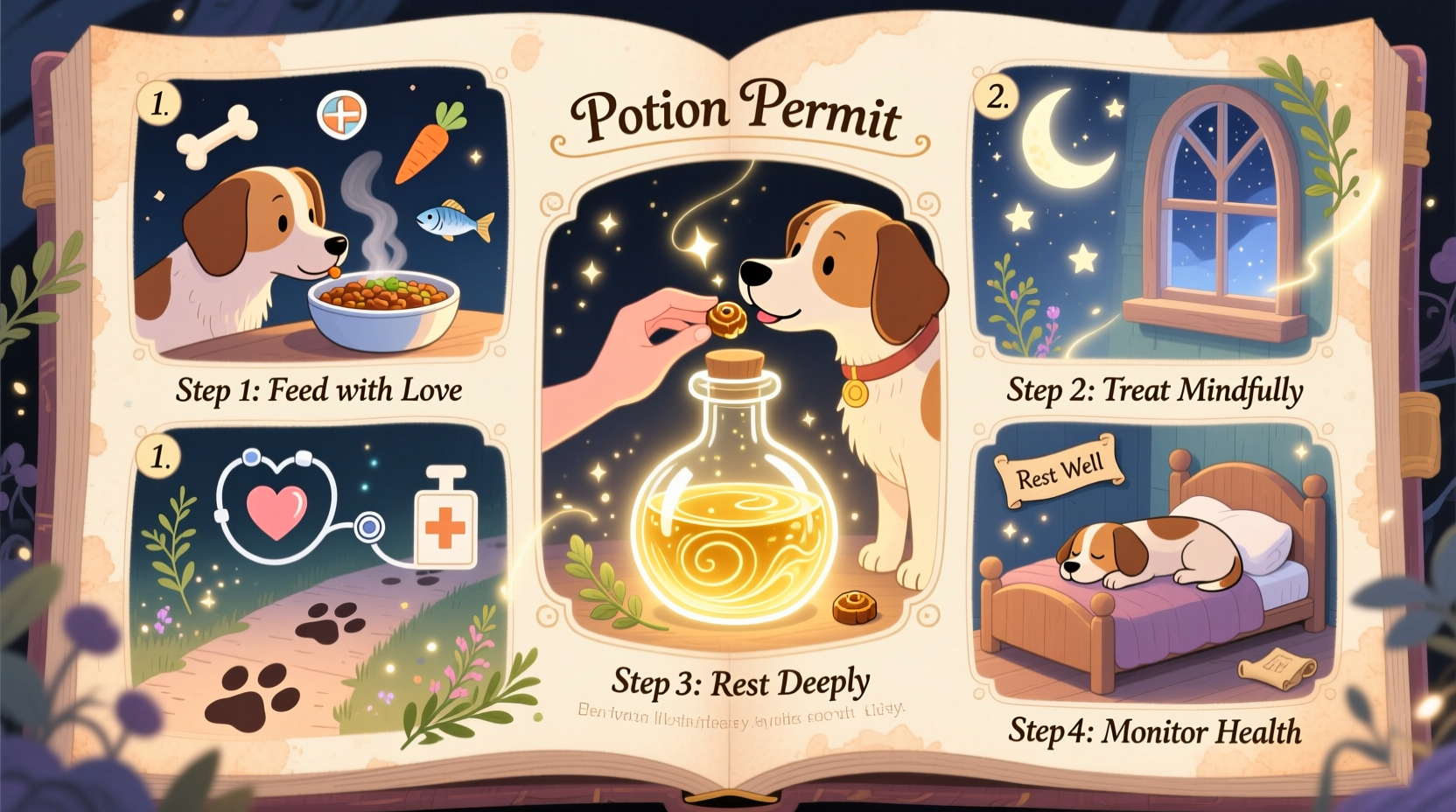
Dogs are not just smaller versions of humans; they have distinct dietary requirements that vary by breed, age, size, and activity level. A balanced diet forms the foundation of good health, influencing everything from energy levels to coat condition and immune function.
Puppies require more protein and calories for growth, while senior dogs often benefit from joint-supporting nutrients like glucosamine. Active breeds such as Border Collies or Siberian Huskies need higher fat content, whereas less active or older dogs may require calorie-restricted diets to prevent obesity.
Tip: Always check the first three ingredients on pet food labels—real meat should be listed first, not meat by-products or fillers like corn or soy.Avoid generic feeding advice. Instead, consult your veterinarian to determine whether commercial kibble, wet food, raw diets, or home-cooked meals best suit your dog’s needs. If preparing homemade food, ensure it's balanced with appropriate ratios of protein (40–50%), vegetables (30–40%), and carbohydrates (10–30%).
Step-by-Step Daily Care Routine
Consistency is key in dog care. A predictable daily schedule reduces anxiety and promotes physical well-being. Follow this timeline to establish an effective routine:
- 7:00 AM – Morning Walk & Potty Break: Start the day with a 20–30 minute walk. This stimulates digestion and provides mental stimulation.
- 7:30 AM – Breakfast: Serve measured portions based on weight and vet recommendations. Avoid free-feeding unless advised otherwise.
- 12:00 PM – Midday Check-In: Offer fresh water and a short play session if possible, especially for high-energy breeds.
- 5:00 PM – Evening Walk & Training: Reinforce commands during walks—practice sit, stay, or heel. Physical and mental exercise go hand-in-hand.
- 6:00 PM – Dinner: Feed second meal if on a two-meal plan. Wait at least two hours before vigorous activity to reduce bloat risk.
- 8:00 PM – Wind Down: Calm interaction, light brushing, or gentle massage helps signal bedtime.
- 10:00 PM – Final Potty Break: Essential for puppies and older dogs to prevent accidents overnight.
“Dogs flourish with structure. A consistent daily rhythm supports both behavioral stability and digestive health.” — Dr. Lena Reyes, DVM, Canine Behavior Specialist
Essential Feeding Guidelines and Common Mistakes
Missteps in feeding are among the most common causes of health issues in dogs. Below is a comparison of recommended practices versus frequent errors:
| Do’s | Don’ts |
|---|---|
| Measure food portions using a cup or scale | Free-feed without monitoring intake |
| Provide constant access to clean water | Use flavored treats excessively |
| Introduce new foods gradually over 7 days | Suddenly switch diets causing digestive upset |
| Store dry food in airtight containers away from heat | Leave food in humid areas where mold can grow |
| Use puzzle feeders for mental engagement | Feed table scraps high in fat or salt |
Foods toxic to dogs include chocolate, grapes, onions, garlic, xylitol (found in sugar-free gum), alcohol, and caffeine. Even small amounts can lead to serious illness or death. Keep these items securely out of reach.
Health Monitoring and Preventive Care Checklist
Prevention is always better than treatment. Use this checklist monthly to assess your dog’s overall wellness:
- ✅ Check ears weekly for redness, odor, or wax buildup
- ✅ Inspect teeth for plaque; brush at least 3 times per week
- ✅ Examine paws and nails—trim nails monthly and remove debris
- ✅ Monitor appetite and water consumption for sudden changes
- ✅ Watch for signs of lethargy, limping, or excessive scratching
- ✅ Update vaccinations annually (rabies, distemper, parvovirus)
- ✅ Administer heartworm prevention monthly
- ✅ Schedule biannual vet check-ups, including blood work for seniors
Real-Life Example: Transforming Max’s Health Through Diet
Max, a 4-year-old Labrador Retriever, was brought to a veterinary clinic overweight and suffering from chronic ear infections and dull coat. His owner had been feeding him a low-cost kibble and frequent table scraps, believing he was “rewarding” good behavior.
After consultation, the vet recommended switching to a premium, grain-free formula with added omega-3 fatty acids and eliminating human food. Portion control was introduced, along with daily walks and weekly brushing.
Within three months, Max lost 8 pounds, his coat became shiny, and ear infections ceased. His energy improved dramatically. This case underscores how targeted nutrition and consistent care can reverse health decline—even in seemingly stubborn cases.
Frequently Asked Questions
How do I know if my dog is getting the right amount of food?
You should be able to feel your dog’s ribs without pressing hard, but not see them prominently. A visible waist when viewed from above and a tucked abdomen from the side indicate a healthy weight. Adjust portions based on activity level and seasonal changes—for example, working dogs may need up to 30% more calories in winter.
Can I give my dog supplements?
Yes, but only under veterinary guidance. Common supplements include fish oil for skin and coat, probiotics for digestion, and joint support formulas containing chondroitin and glucosamine. Never self-prescribe human supplements, as dosages and ingredients can be dangerous.
What’s the best way to transition to a new food?
Mix increasing amounts of new food with decreasing amounts of old food over 7 days. Start with 25% new / 75% old on days 1–2, then 50/50 on days 3–4, followed by 75% new on days 5–6, and 100% new by day 7. This prevents gastrointestinal distress.
Conclusion: Master Your Canine Care “Potion Permit”
Caring for a dog isn’t about perfection—it’s about presence, patience, and informed choices. Whether you're a first-time owner or refining your skills, the habits you build today lay the groundwork for a vibrant, joyful life together. From precise feeding routines to preventive health checks and emotional connection, each element acts like an ingredient in your personal “potion permit” for responsible pet ownership.
Your dog depends on you for more than food and shelter—they rely on your attention, consistency, and love. By applying these strategies daily, you’re not just feeding a pet; you’re nurturing a family member.
💬 Have a success story or a question about your dog’s diet or routine? Share your thoughts below and join a community committed to raising healthier, happier dogs!








