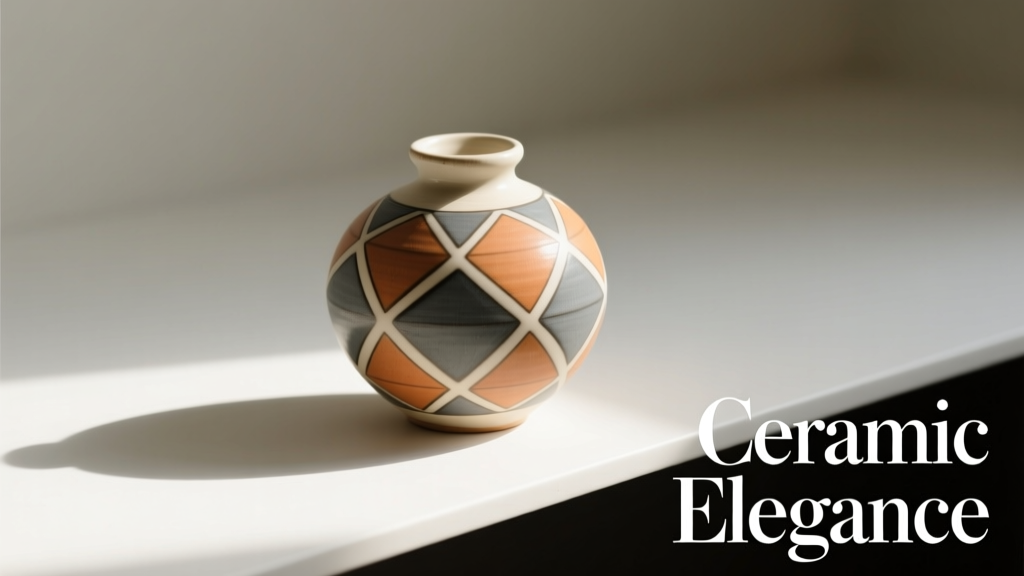
Types of Pot Bowls: A Comprehensive Guide
Pot bowls are more than just containers for plants—they're functional decor pieces that blend aesthetics with horticultural needs. Available in a wide variety of materials, designs, and technologies, each type of pot bowl serves a unique purpose, from enhancing indoor ambiance to supporting plant health through advanced irrigation. Understanding the characteristics of each type helps gardeners, homeowners, and interior designers make informed choices based on lifestyle, environment, and plant requirements.
Traditional Ceramic Pot Bowls
Crafted from kiln-fired clay and often glazed for durability, traditional ceramic pot bowls offer timeless elegance and versatility. They come in a vast array of shapes, sizes, and decorative finishes—from matte and glossy to hand-painted patterns.
Advantages
- Excellent moisture retention for consistent soil hydration
- Smooth, easy-to-clean surface resists dirt buildup
- Available in countless colors and artistic designs
- Ideal for both indoor and semi-shaded outdoor spaces
Limitations
- Heavy and less portable than other materials
- Can crack in freezing temperatures or if dropped
- Higher cost for artisan or handcrafted pieces
Best for: Living rooms, offices, patios; perfect for tropical and moisture-loving plants like ferns and peace lilies
Terracotta Pot Bowls
Made from natural, unglazed clay and fired at high temperatures, terracotta pots are recognized by their warm, reddish-brown hue. Their porous structure allows for excellent air and moisture exchange, making them ideal for certain plant types.
Advantages
- Natural breathability prevents root rot
- Affordable and widely available
- Classic rustic appearance complements natural and cottage-style decor
- Helps regulate soil temperature through evaporation
Limitations
- Dries out quickly—requires frequent watering
- Can develop white mineral deposits over time
- More fragile than glazed ceramics
Best for: Succulents, cacti, herbs, and plants that thrive in well-drained, dry conditions
Self-Watering Pot Bowls
Engineered with a built-in reservoir and wicking system, self-watering pots provide a consistent supply of water to plants over extended periods. This innovation reduces maintenance and is ideal for busy individuals or frequent travelers.
Advantages
- Reduces watering frequency (up to 2–4 weeks)
- Promotes healthy root development with consistent moisture
- Minimizes overwatering and underwatering risks
- Great for large indoor plants and hard-to-reach locations
Limitations
- Higher initial cost compared to standard pots
- Requires occasional cleaning to prevent algae or mineral buildup
- Not ideal for plants that prefer dry soil between waterings
Best for: Office spaces, vacation homes, and for growing peace lilies, pothos, and other humidity-loving houseplants
Metal Pot Bowls
Fashioned from stainless steel, aluminum, or powder-coated metal, these pots offer a sleek, contemporary look. Their durability and resistance to weather make them suitable for both indoor and outdoor environments.
Advantages
- Highly durable and resistant to impact and weather
- Modern aesthetic with reflective finishes (silver, gold, copper)
- Lightweight options available for easy relocation
- Often used in commercial and minimalist interior designs
Limitations
- Poor breathability can lead to overheating roots in direct sun
- May rust over time if not properly coated
- Lacks natural insulation—can affect soil temperature
Best for: Modern homes, urban balconies, and architectural plant displays; best with liner pots to protect roots
Wooden Pot Bowls
Handcrafted from teak, cedar, or reclaimed wood, these bowls bring warmth and organic texture to any space. Often lined with waterproof membranes, they combine natural beauty with functionality.
Advantages
- Provides a cozy, natural aesthetic for homes and gardens
- Good insulation for roots against temperature extremes
- Eco-friendly and biodegradable (especially untreated wood)
- Doubles as decorative storage for fruit or dry goods
Limitations
- Prone to rot if not sealed or lined properly
- Requires maintenance (oiling, sealing) to extend lifespan
- Heavier when lined and filled with soil
Best for: Rustic, Scandinavian, or farmhouse-style interiors; ideal for orchids, bonsai, or decorative arrangements
Geometric & Modern Pot Bowls
Featuring angular shapes, bold lines, and minimalist forms, these pots are made from ceramic, concrete, or metal to create a striking visual impact. They reflect contemporary design trends and serve as standalone art pieces.
Advantages
- Unique, statement-making designs for modern interiors
- Often stackable or modular for creative arrangements
- Durable materials like concrete offer long-term use
- Popular among younger demographics and design enthusiasts
Limitations
- Limited drainage options in some decorative models
- Can be expensive due to artisan craftsmanship
- Niche appeal—may not suit traditional decor
Best for: Apartments, lofts, and creative spaces; pairs well with monstera, fiddle-leaf figs, or sculptural succulents
| Type | Material | Best For | Lifespan | Indoor/Outdoor Use |
|---|---|---|---|---|
| Traditional Ceramic | Glazed Clay | Decorative display, humidity-loving plants | 5–10+ years | Indoor & Covered Outdoor |
| Terracotta | Unglazed Clay | Succulents, cacti, herbs | 3–7 years | Indoor & Outdoor |
| Self-Watering | Plastic/Ceramic Composite | Busy households, large houseplants | 4–8 years | Indoor |
| Metal | Steel, Aluminum | Modern decor, commercial spaces | 5–10 years | Indoor & Outdoor (coated) |
| Wooden | Teak, Cedar, Reclaimed Wood | Rustic interiors, bonsai, orchids | 3–6 years (with care) | Indoor & Sheltered Outdoor |
| Geometric & Modern | Concrete, Ceramic, Metal | Statement decor, minimalist spaces | 5–10+ years | Indoor & Outdoor (weather-resistant) |
Expert Tip: When using non-porous pots like ceramic or metal, always include drainage holes or use a liner pot to prevent waterlogging. For outdoor metal pots, choose powder-coated or stainless steel varieties to resist rust and UV damage.
Designs of Pot Bowls for Sale: Style Meets Functionality
Pot bowls are more than just containers for plants—they're essential design elements that enhance interior and exterior spaces. Beyond the choice of materials like ceramic, concrete, terracotta, or metal, the design of a pot bowl plays a crucial role in defining the aesthetic of a room or garden. Whether you're furnishing a modern apartment, a rustic cottage, or a vibrant urban balcony, there's a pot bowl design to match every taste and environment. Below is a detailed overview of the most popular and effective pot bowl designs available today.
Geometric Shapes
Geometric pot bowls are a hallmark of contemporary design, characterized by clean lines, sharp angles, and symmetrical forms such as cubes, pyramids, hexagons, and trapezoids. These designs create visual interest and serve as modern art pieces in their own right.
Typically crafted from concrete, glazed ceramics, or powder-coated metal, geometric bowls are ideal for minimalist, industrial, or Scandinavian interiors. Their structured appearance contrasts beautifully with the organic form of plants, making them a striking focal point on shelves, desks, or patios.
Nature-Inspired Designs
Nature-inspired pot bowls are designed to blend seamlessly into natural environments. These often mimic organic textures and forms—such as tree bark, river stones, moss, or weathered wood—using materials like unglazed terracotta, raw concrete, or hand-carved stone.
Perfect for rustic, bohemian, or Zen-style spaces, these bowls bring an earthy, calming presence indoors. They're especially effective in homes with indoor gardens, meditation corners, or outdoor patios where a connection to nature is desired. Some even incorporate embedded pebbles or moss-covered exteriors for added authenticity.
Colorful and Patterned Pot Bowls
Vibrant and expressive, colorful and patterned pot bowls inject energy and personality into any space. These designs feature bold hues, hand-painted motifs, floral prints, tribal patterns, or abstract artwork, often applied to ceramic or high-impact plastic.
Ideal for eclectic, tropical, or Mediterranean decor, these bowls are excellent for brightening up neutral rooms or adding contrast to monochrome interiors. They work particularly well in children’s rooms, sunrooms, or entryways where a cheerful welcome is desired. Many are also UV-resistant, making them suitable for both indoor and outdoor use.
Hanging Pot Bowls
Hanging pot bowls maximize space by utilizing vertical dimensions. Suspended from ceilings, walls, or pergolas using metal chains, macramé hangers, or braided ropes, these bowls allow trailing plants like pothos, ivy, or string of pearls to cascade elegantly.
Commonly made from lightweight materials such as fiber clay, plastic, or woven rattan, hanging bowls are perfect for small apartments, urban balconies, or kitchens with limited counter space. They also improve air circulation around plants and reduce pest risks by keeping foliage off the ground.
Textured Pot Bowls
Textured pot bowls elevate the sensory experience of plant display through tactile surfaces. These include ribbed, grooved, hammered, or rough-finished exteriors that add depth and dimension to the design.
Available in stoneware, cast concrete, or textured resin, these bowls appeal to those who appreciate craftsmanship and detail. The interplay of light and shadow on the surface enhances visual intrigue, making them ideal for modern, artisanal, or gallery-style interiors. Matte finishes are common, offering a sophisticated, understated elegance.
Minimalist Pot Bowls
Minimalist pot bowls emphasize simplicity, functionality, and timeless design. Typically featuring smooth surfaces, neutral colors (like white, gray, black, or beige), and simple cylindrical or spherical shapes, these bowls let the plant take center stage.
Constructed from materials such as matte ceramic, concrete, or brushed metal, they complement contemporary, Japandi, or industrial aesthetics. Their understated elegance makes them versatile—easily paired with various plant types and interior styles without overwhelming the space.
| Design Type | Best For | Recommended Materials | Ideal Spaces |
|---|---|---|---|
| Geometric Shapes | Modern, structured aesthetics | Concrete, ceramic, metal | Living rooms, offices, urban patios |
| Nature-Inspired | Earthy, organic feel | Terracotta, raw cement, stone | Gardens, bedrooms, meditation areas |
| Colorful & Patterned | Vibrant, expressive decor | Ceramic, plastic, resin | Kitchens, kids' rooms, sunrooms |
| Hanging | Space-saving solutions | Fiber clay, rattan, lightweight plastic | Balconies, small apartments, kitchens |
| Textured | Tactile and visual depth | Stoneware, concrete, textured resin | Modern homes, art studios, entryways |
| Minimalist | Clean, clutter-free spaces | Matte ceramic, concrete, metal | Lofts, offices, contemporary interiors |
Pro Tip: When selecting a pot bowl design, consider not only the visual appeal but also the plant’s needs—such as drainage, size, and light exposure. A beautiful bowl is most effective when it supports both the health of the plant and the harmony of the space.
Pot Bowl Selection, Specifications, and Maintenance Guide
Choosing the right pot bowl is essential not only for the health and growth of your plants but also for enhancing interior or exterior aesthetics. A well-chosen planter supports root development, prevents overwatering, and complements your living space. Whether you're selecting pots for indoor houseplants or outdoor greenery, understanding key selection criteria and maintenance practices ensures long-term success.
Plant Compatibility & Sizing
The size and type of plant determine the ideal pot bowl dimensions. Roots need room to grow, and overcrowding can stunt development or lead to root rot.
- Small succulents and herbs thrive in compact bowls (6–8 inches in diameter)
- Medium houseplants like pothos or snake plants require 10–12 inch pots
- Large floor plants such as fiddle leaf figs or palms need 14+ inch containers
- Always allow 1–2 inches of space between the root ball and pot edge for growth
Pro tip: Repot when roots start emerging from drainage holes or circling the soil surface
Drainage: Essential for Plant Health
Proper drainage prevents water accumulation, which can cause root rot and fungal diseases. It's one of the most critical features in a healthy potting system.
- Pots with bottom drainage holes are ideal; pair them with saucers to catch excess water
- Self-watering pots include a reservoir and wicking system to regulate moisture
- If using decorative pots without holes, consider using a liner pot with drainage
- Adding a layer of gravel or perlite at the base improves internal drainage
Key reminder: Never let plants sit in standing water for more than 30 minutes after watering
Material Selection by Environment
Different materials offer unique benefits and are best suited for specific environments based on durability, insulation, and aesthetic appeal.
- Ceramic & Glazed Pots: Elegant and moisture-retentive; perfect for indoor use
- Terracotta & Clay: Porous and breathable; ideal for plants that prefer dry soil (e.g., cacti)
- Plastic & Resin: Lightweight and durable; great for patios or balconies
- Metal & Wood: Stylish outdoor options—ensure metal is rust-resistant and wood is weather-treated
- Concrete & Stone: Heavy-duty and modern; best for permanent outdoor installations
Design insight: Match pot finish to your décor—matte, glossy, or textured for visual harmony
Quantity and Visual Arrangement
Strategic placement of multiple pot bowls enhances visual interest and creates a balanced, lively atmosphere.
- Avoid uniformity—mix sizes, heights, and shapes for dynamic groupings
- Use the "rule of three" or odd-number groupings for natural-looking displays
- Layer plants: tall in back, trailing in front, medium in center
- Consider symmetry in formal spaces or asymmetry in casual settings
- Rotate pots regularly to ensure even light exposure and growth
Stylistic tip: Combine complementary colors or textures (e.g., smooth ceramic with rough stone)
What to Avoid: Common Pot Bowl Mistakes
Critical Care Warnings: Even the best pot can fail if misused. Avoid these common pitfalls to protect both your plants and containers:
- Direct Sunlight Exposure: Can cause plastic to degrade, wood to warp, and ceramic to crack due to thermal stress—especially on hot windowsills
- Standing Water: Leads to root rot, mold, and mineral buildup; always empty saucers after watering
- Harsh Cleaners: Avoid abrasive scrubbers or chemical cleaners that scratch or corrode surfaces
- Overcrowding: Too many plants in one pot can lead to competition for nutrients and poor air circulation
- Incorrect Pot Transfers: Moving a plant directly from indoors to full sun can cause shock—acclimate gradually
Essential Maintenance Steps for Long-Lasting Pots and Healthy Plants
- Watering: Adjust frequency based on season—more in spring/summer, less in fall/winter. Check soil moisture with your finger before watering.
- Fertilizing: Use balanced liquid fertilizer every 4–6 weeks during growing season. Reduce or stop in winter when growth slows.
- Repotting: Refresh soil annually or every two years. Upgrade pot size only when necessary—too large a pot retains excess moisture.
- Cleaning: Wipe leaves with a damp cloth to remove dust and improve photosynthesis. For terracotta, gently scrub with a soft brush and mild soap.
- Pest Inspection: Regularly check undersides of leaves for spider mites, aphids, or scale; treat early with neem oil or insecticidal soap.
- Seasonal Care: Move sensitive plants indoors before frost. Protect outdoor pots from freezing temperatures to prevent cracking.
| Pot Material | Best For | Drainage Needs | Maintenance Tips |
|---|---|---|---|
| Ceramic/Glazed | Indoor decorative use | Holes required | Wipe with damp cloth; avoid direct sun |
| Terracotta/Clay | Dry-loving plants (cacti, succulents) | Natural breathability | Soak in water monthly; scrub with vinegar for stains |
| Plastic/Resin | Balconies, offices, lightweight setups | Depends on design | Wash with soapy water; resistant to most weather |
| Metal | Modern outdoor spaces | Must have holes | Check for rust; use liner to protect roots from heat |
| Wood | Gardens, rustic interiors | Line with plastic or use with drainage | Seal annually; avoid prolonged wetness |
Additional Considerations for Optimal Results
- Self-Watering Systems: Ideal for frequent travelers or busy individuals; reduces watering frequency by 50–70%
- Weight & Mobility: Heavy pots are stable but hard to move—consider adding casters for large planters
- Eco-Friendly Options: Recycled plastic, biodegradable pots, or sustainably sourced wood support environmental goals
- Indoor Humidity: Grouping plants together increases ambient humidity, benefiting tropical species
- Labeling: Tag pots with plant names and care instructions for easy maintenance
Professional Recommendation: When in doubt, choose a high-quality ceramic or fiber-resin pot with proper drainage for indoor use, and durable, UV-resistant resin for outdoor settings. Always match the pot to the plant’s needs first, then to your décor. Regular maintenance—not just watering but cleaning and monitoring—ensures your greenery thrives and your pots remain beautiful for years.
Safety Precautions for Pot Bowl Use and Sale
Using flower pot bowls designed for indoor and outdoor environments—and following essential safety guidelines—can enhance your gardening experience while minimizing risks of accidents and health hazards. Whether you're a homeowner, gardener, or retailer, understanding proper handling, placement, and maintenance of pot bowls is vital for safety and long-term enjoyment. This comprehensive guide outlines best practices for using and selling pot bowls safely and responsibly.
Safety Warning: Improper use or placement of pot bowls can lead to injuries, property damage, or health risks—especially in homes with children or pets. Always prioritize stability, material safety, and plant compatibility to ensure a secure environment.
Do Properly Position All Pot Bowls
Strategic placement of pot bowls prevents accidents and damage. Avoid high-traffic areas, narrow hallways, or near doorways where they can be easily bumped or tripped over. This is especially important for heavier or fragile materials like ceramic, porcelain, or glass, which can shatter upon impact and create hazardous shards. Place pots on stable, level surfaces such as patios, decks, or designated plant stands. In households with children or pets, consider using corner shelves or plant risers to keep delicate or large pots out of reach.
Expert Tip: Use non-slip mats or rubber feet under pot bowls to prevent sliding on smooth surfaces like tile or hardwood floors, enhancing stability and reducing the risk of tipping.
Do Use Non-Toxic Materials
Choose pot bowls made from materials that won’t leach harmful chemicals into the soil or surrounding environment. Avoid low-grade plastics that may degrade over time and release microplastics or additives like BPA. Similarly, untreated metal pots (such as galvanized steel or iron) can rust and contaminate soil with heavy metals, potentially harming plant health and posing risks if used for edible gardens. Opt for food-safe plastics, glazed ceramics, or inert materials like fiberglass or concrete specifically designed for horticultural use.
For sellers: Clearly label products with material composition and safety certifications (e.g., "BPA-Free," "Lead-Free Glaze") to help customers make informed choices.
Handle With Care
Pot bowls made of glass, ceramic, or handcrafted materials can be both beautiful and fragile. Always lift them with two hands, supporting the base rather than the rim, which can crack under pressure. When moving large or heavy pots, use a dolly or get assistance to avoid strain or dropping. Inspect bowls regularly for hairline cracks, chips, or weak spots—especially in outdoor settings exposed to temperature fluctuations. Damaged pots should be retired or repurposed safely to prevent injury.
When transporting for sale, secure pots in padded containers or use bubble wrap and corner protectors to prevent breakage during shipping or delivery.
Check That Plants Are Not Toxic
The safety of a pot bowl setup extends beyond the container—it includes the plant itself. Many common houseplants, such as peace lilies, pothos, philodendrons, and snake plants, are toxic if ingested by children or pets. Some, like euphorbia or oleander, can cause skin irritation or severe reactions upon contact. Before selecting a plant for a pot bowl display, research its toxicity level using trusted sources like the ASPCA database or botanical guides.
If using toxic plants, clearly label them and place them in elevated or hanging locations out of reach. For retailers, consider offering non-toxic plant bundles or including care cards with safety warnings. This not only protects customers but also builds trust and demonstrates responsibility.
Do Secure Hanging Pot Bowls
Hanging pot bowls add aesthetic appeal but require proper installation to prevent accidents. Use heavy-duty ceiling hooks, wall anchors, or ceiling joists rated for the combined weight of the pot, soil, and plant—especially when using large or water-retentive materials like terracotta. Regularly inspect hooks, chains, ropes, or macramé hangers for signs of wear, rust, or fraying. Overwatering can increase weight significantly, so ensure the support system can handle dynamic loads.
Avoid placing hanging pots above walkways, seating areas, or cribs. In commercial spaces or green walls, follow local building codes and consult professionals for structural safety.
Don't Leave Standing Water
Allowing water to accumulate in the saucer or base of a pot bowl creates multiple hazards. Stagnant water becomes a breeding ground for mosquitoes, which can carry diseases like West Nile virus or Zika. It also promotes root rot, fungal growth, and unpleasant odors. Always ensure proper drainage by using pots with holes or elevating them with pebbles or feet to allow airflow.
For decorative outer pots without drainage, practice the "soak and dry" method: water the inner pot separately, let it drain, then return it to the decorative bowl. Empty excess water within 15–30 minutes after watering. This is especially important in humid climates or indoor spaces with poor ventilation.
Don't Use Sharp Objects Carelessly
Sharp tools like scissors, pruners, or knives are necessary for plant care but must be used with caution. Never use knives or pointed objects to dig in soil or remove plants from tight pots, as this can damage the pot bowl or cause hand injuries. Instead, use a trowel or spoon for repotting. When trimming roots or foliage, work on a stable surface and keep fingers clear of blades.
Store sharp tools out of reach of children and pets. For sellers, include safety instructions with tool-inclusive plant kits and avoid bundling knives or box cutters with pot bowl sets unless absolutely necessary.
| Safety Practice | Recommended Action | Potential Risk if Ignored | Ideal Materials/Tools |
|---|---|---|---|
| Proper Placement | Position away from foot traffic and unstable surfaces | Tripping, breakage, injury | Non-slip mats, plant stands, corner shelves |
| Non-Toxic Materials | Select BPA-free, lead-free, rust-resistant pots | Soil contamination, health hazards | Fiberglass, food-grade plastic, glazed ceramic |
| Handling Fragile Pots | Lift from base, use two hands, inspect for damage | Cuts, property damage, product loss | Gloves, dolly, protective packaging |
| Non-Toxic Plants | Verify plant safety, label accordingly | Poisoning, skin irritation | Spider plant, Boston fern, African violet |
| Securing Hanging Pots | Use load-rated hooks, inspect monthly | Falling hazard, head injury | Steel hooks, ceiling joists, reinforced brackets |
| Preventing Standing Water | Drain saucers, elevate pots, avoid overwatering | Mosquitoes, root rot, mold | Drainage stones, self-watering inserts, moisture meters |
| Safe Tool Use | Use appropriate tools, store safely | Cuts, pot damage, accidental ingestion | Trowels, pruning shears, safety gloves |
Pro Tip for Retailers: Create a "Safe Gardening Starter Kit" that includes non-toxic pots, child-safe plants, and ergonomic tools with safety instructions. This not only promotes responsible use but also differentiates your brand in a competitive market.
Additional Safety Recommendations
- Label all pot bowls with weight, material type, and usage guidelines (indoor/outdoor)
- Educate customers on proper plant selection based on their household (pets, children, allergies)
- Inspect outdoor pots seasonally for weather-related damage
- Avoid placing glass or ceramic pots in direct sunlight where thermal stress can cause cracking
- Train staff on safe handling, display, and customer guidance for pot bowl products
By following these safety precautions, both users and sellers can enjoy the beauty and benefits of pot bowls while minimizing risks. A well-maintained, thoughtfully placed pot bowl enhances any space—indoors or out—when safety is prioritized at every stage, from selection to display. When in doubt, consult horticultural experts or safety standards to ensure a secure and enjoyable gardening experience for all.
Frequently Asked Questions About Pot Bowls: Care, Selection & Maintenance
Q1: How can one make the pot bowls look beautiful?Creating visually appealing pot bowls goes beyond just choosing a pretty container—it’s about harmonizing plant selection, design, and placement. Here are several tips to enhance their beauty:
- Choose Aesthetic Plants: Select plants with vibrant foliage, interesting textures, or colorful blooms—such as petunias, calatheas, succulents, or trailing ivy—that complement the style and color of the pot.
- Layer for Depth: Use a combination of tall, medium, and cascading plants in larger pots to create a dynamic, garden-like arrangement.
- Match Style and Environment: Pair rustic terracotta pots with herbs or cacti for a natural look, or use sleek ceramic or glazed pots for modern indoor spaces.
- Add Decorative Elements: Incorporate pebbles, moss, or mulch on the soil surface for a polished finish and moisture retention.
- Group Pots Creatively: Arrange multiple pot bowls of varying heights and sizes together to form an eye-catching display on patios, balconies, or entryways.
Well-maintained, thriving plants are the true centerpiece—healthy growth naturally enhances the overall beauty of any pot bowl.
Q2: How are the pot bowls cleaned, and how do they stay new for years?Regular and proper cleaning is essential to prevent the buildup of dirt, algae, mold, and mineral deposits, which can degrade materials and harm plant health. Cleaning methods vary depending on the pot material:
| Material | Cleaning Method | Maintenance Tips |
|---|---|---|
| Clay/Terracotta | Soak in a 1:9 vinegar-water solution for 30 minutes; scrub with a stiff brush to remove deposits. | Let dry completely before reuse; seal occasionally to reduce moisture absorption. |
| Ceramic/Glazed | Wipe with mild soapy water; avoid abrasive cleaners to preserve finish. | Rinse thoroughly and dry to prevent water spots or staining. |
| Plastic/Resin | Use warm soapy water or a diluted bleach solution (1 part bleach to 10 parts water) to disinfect. | Avoid harsh scrubbing; store indoors during winter to prevent cracking. |
| Concrete/Metal | Scrub with a wire brush and soapy water; treat metal pots with rust inhibitor if needed. | Apply protective sealant annually to prevent weathering and corrosion. |
For best longevity, clean pots at least twice a year—especially before repotting or seasonal changes. Storing them properly during off-seasons and shielding them from extreme weather further extends their life.
Q3: Which pot bowl is beneficial for plants?The most plant-friendly pot bowls are those that support healthy root development and prevent water-related issues. Key features include:
- Drainage Holes: Essential for allowing excess water to escape, preventing waterlogging and root rot—a common cause of plant death.
- Breathable Materials: Terracotta and unglazed ceramic allow air and moisture to pass through the walls, promoting healthier root systems.
- Appropriate Size: A pot that’s too small restricts growth, while one too large holds excess moisture. Choose a size that allows 1–2 inches of space around the root ball.
- Elevated Base: Use pot feet or saucers to improve airflow and drainage, especially for indoor plants.
- Self-Watering Options: Ideal for busy plant owners, these pots have a reservoir system that provides consistent moisture without overwatering.
Ultimately, the best pot depends on the plant type—succulents thrive in porous, shallow pots, while tropical plants may prefer moisture-retentive containers with good drainage.
Q4: Can pot bowls be kept in the outdoors?Yes, pot bowls can be kept outdoors for many years—provided the material is suited to outdoor conditions and climate. Consider the following:
- Frost-Resistant Materials: In cold climates, choose frost-proof ceramics, thick concrete, or high-quality resin that won’t crack during freeze-thaw cycles.
- UV-Resistant Finishes: Outdoor pots should resist fading and degradation from sunlight. UV-stabilized plastics and powder-coated metals perform best.
- Stability: Larger or top-heavy pots should be placed on stable surfaces to avoid tipping in wind or rain.
- Seasonal Care: In winter, empty and store lightweight or porous pots indoors to prevent water absorption and cracking.
- Drainage in Rainy Areas: Ensure pots have adequate drainage to avoid water pooling during heavy rains, which can drown plant roots.
With thoughtful selection and seasonal maintenance, outdoor pot bowls can enhance gardens, patios, and walkways for years.
Q5: Should plastics and metals be kept in the sun?Prolonged exposure to direct sunlight can negatively affect certain plastic and metal pot bowls over time. Here’s what to know:
- Plastic Pots: Standard plastics (like polypropylene or polystyrene) may become brittle, crack, or fade when exposed to intense UV rays. Opt for UV-resistant or recycled plastic pots designed for outdoor use.
- Colored Plastics: Dark-colored pots absorb more heat, which can raise soil temperature and stress plant roots—especially in hot climates.
- Metal Pots: While some metals like stainless steel or powder-coated aluminum are sun-resistant, others such as thin steel or untreated iron may rust or overheat. Galvanized or coated metals are better suited for sun exposure.
- Heat Retention: Both dark plastics and metals can become very hot in direct sunlight, potentially damaging roots. Consider placing them in partial shade or using inner liners to insulate the soil.
To maximize durability and plant health, it's best to avoid placing plastic and non-weatherproof metal pots in areas of constant, intense sunlight. Rotating pots seasonally or using shade covers can also help preserve their appearance and function.









