Traveling with your pet can be a joyful experience — but only if you’re equipped with the right gear. One of the most common dilemmas pet owners face is choosing between a portable pet bag and an airline-approved carrier. At first glance, they may seem interchangeable: both are lightweight, designed to carry small pets, and often marketed for travel. However, their purposes, safety features, and compliance with airline regulations differ significantly. Understanding these distinctions isn’t just about convenience; it’s about ensuring your pet’s comfort, safety, and eligibility to board a flight.
Understanding the Basics: What’s the Difference?
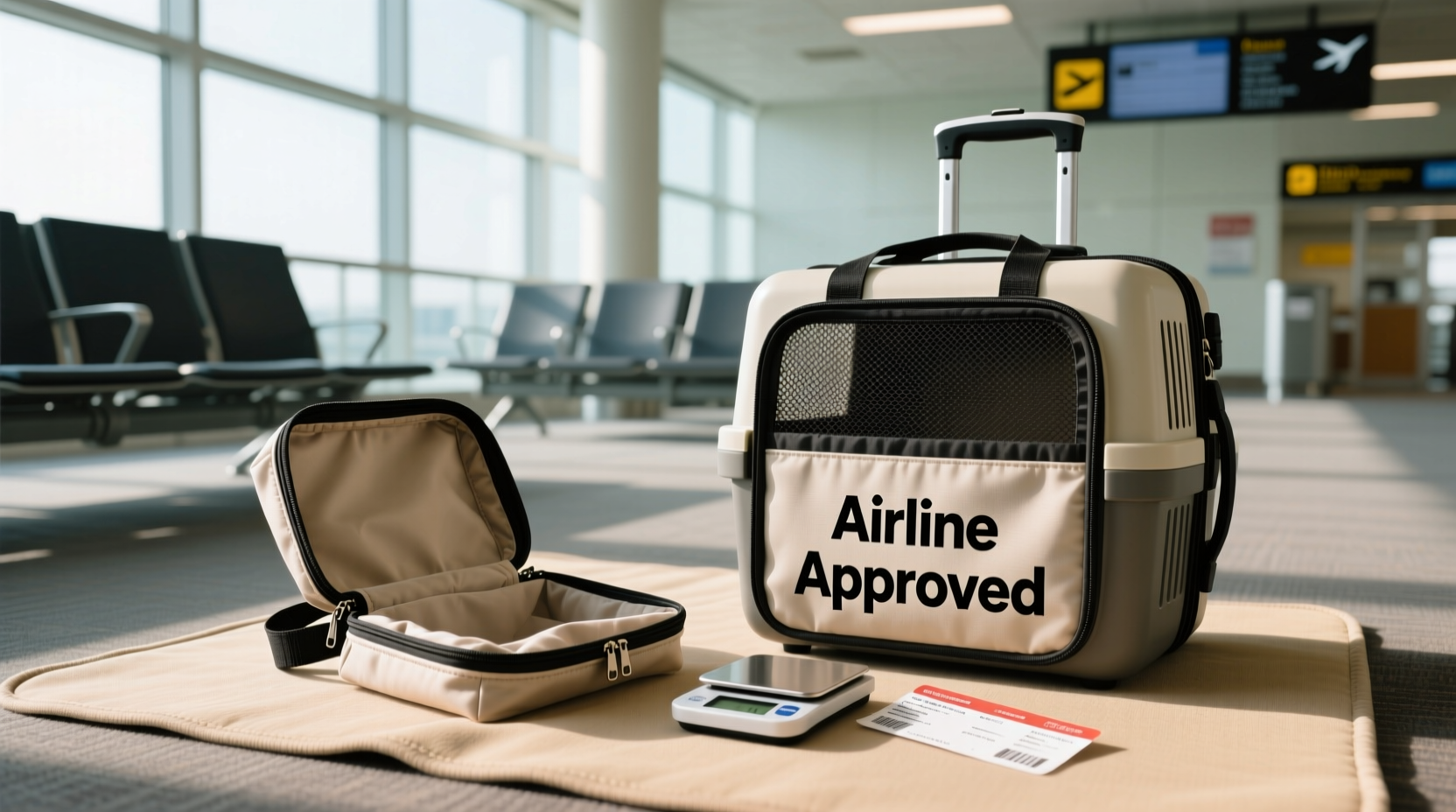
A portable pet bag and an airline-approved carrier serve overlapping functions but are not synonymous. A portable pet bag typically refers to soft-sided, sling-style, or tote-like carriers made from fabric or mesh. These are popular for car rides, vet visits, or urban commutes due to their lightweight design and ease of use.
In contrast, an airline-approved carrier meets specific structural, ventilation, and safety standards set by airlines and aviation authorities. These carriers must be rigid enough to protect the animal, have secure latches, proper airflow on at least three sides, and be leak-proof. They are engineered to withstand the rigors of cargo handling or cabin storage under seats.
The confusion arises because many portable pet bags are advertised as “airline-friendly” — a term that sounds official but lacks regulatory weight. Always verify whether a carrier is explicitly accepted by your chosen airline before assuming it qualifies.
“Just because a carrier fits under the seat doesn’t mean it’s approved. Airlines look at construction, durability, and containment security — not just size.” — Dr. Lisa Chen, Veterinary Travel Consultant
Key Features Compared: Safety, Comfort, and Compliance
To make an informed decision, compare both options across critical criteria:
| Feature | Portable Pet Bag | Airline-Approved Carrier |
|---|---|---|
| Material | Fabric, mesh, soft nylon | Rigid plastic with fabric cover or fully molded composite |
| Ventilation | Limited (often one or two mesh panels) | 360° or multi-panel airflow required |
| Structural Integrity | Soft-sided; collapses under pressure | Impact-resistant; maintains shape under load |
| Security | Zippers or snaps; may open under stress | Double-locking mechanisms, escape-proof |
| Airline Acceptance | Varies; often rejected at check-in | Widely accepted if size and specs match guidelines |
| Comfort & Padding | Often includes padded interiors and shoulder straps | Basic bedding; focus on safety over luxury |
While portable pet bags excel in everyday usability and style, they lack the structural safeguards necessary for air travel. Airline-approved carriers prioritize protection during turbulence, baggage handling, and emergency situations — making them non-negotiable for most flights.
Tip: Never line a carrier with absorbent pads alone — place a non-slip mat underneath to prevent sliding during takeoff or landing.When to Use Each Option: Real-World Scenarios
Choosing the right carrier depends on your mode of transport and destination. Consider these practical examples:
Mini Case Study: Emma and Her Cat, Milo
Emma planned a weekend trip with her 9-pound domestic shorthair, Milo. She owned a trendy black mesh pet tote she used for vet visits. Confident it would work, she arrived at the airport only to be turned away at check-in. The airline agent explained that while the bag was soft and comfortable, it didn’t meet IATA (International Air Transport Association) standards due to inadequate side ventilation and lack of rigid structure.
She had to purchase a hard-shell carrier on-site, delaying her flight and spending extra. Afterward, Emma kept both carriers: the portable bag for local trips and the airline-approved one for flying.
This scenario highlights a common mistake — assuming portability equals airline suitability. For road trips, pet stores, or short errands, a portable pet bag is ideal. But when boarding a plane, especially on major carriers like Delta, United, or American Airlines, compliance trumps comfort.
Step-by-Step Guide to Choosing the Right Carrier for Air Travel
If you're preparing for air travel with your pet, follow this sequence to ensure a smooth journey:
- Check Your Airline’s Policy: Visit the official website and search for “pet travel” or “carriers.” Note size limits, materials allowed, and species restrictions.
- Measure Your Pet Accurately: Your pet should be able to stand, turn around, and lie down naturally inside the carrier. Add 2–3 inches to height and length for clearance.
- Select a Certified Carrier: Look for models labeled “IATA-compliant” or “airline-approved.” Brands like Sherpa, Petmate, and SleepyPod are known for meeting strict standards.
- Test Fit Before Flight: Place the carrier under a chair to simulate cabin conditions. Ensure wheels (if any) retract or detach to avoid obstruction.
- Acclimate Your Pet Early: Introduce the carrier weeks in advance with treats, blankets, and short indoor sessions to reduce anxiety.
Essential Checklist Before You Fly
- ✅ Confirm carrier dimensions against airline requirements
- ✅ Verify ventilation meets minimum standards (three sides)
- ✅ Attach a recent photo of your pet to the outside
- ✅ Label with contact info, including destination phone number
- ✅ Include a collapsible water bowl and attach food in a sealed bag
- ✅ Carry health certificate and vaccination records
- ✅ Avoid sedatives unless prescribed by a vet familiar with air travel risks
Frequently Asked Questions
Can I bring a portable pet bag as a personal item on a plane?
Only if it meets the airline’s exact carrier specifications. Most standard tote-style pet bags do not qualify, even if they fit under the seat. The determining factor is structural compliance, not size alone.
Are soft-sided carriers ever allowed on planes?
Yes, but only select models certified as airline-approved. These hybrids combine soft exteriors with internal rigid frames, reinforced stitching, and enhanced ventilation. Examples include the Sherpa Classic and Sleepypod Air.
What happens if my carrier is rejected at the airport?
You may be denied boarding with your pet. Some airlines offer last-minute rental carriers, but availability isn’t guaranteed. In cargo scenarios, mismatched carriers can result in flight delays or refusal to transport your pet altogether.
Making the Right Choice for Peace of Mind
The question isn’t whether a portable pet bag or airline-approved carrier is “better” overall — it’s about matching the tool to the task. For daily outings, a well-designed pet bag offers unmatched convenience and comfort. But when it comes to air travel, there’s no substitute for a certified, durable, and compliant carrier.
Investing in the right equipment reflects your commitment to your pet’s well-being. It reduces stress, prevents last-minute surprises, and ensures you meet legal and safety expectations. Think of it as pet travel insurance: a small upfront effort that pays off in reliability and peace of mind.
🚀 Ready to travel safely with your pet? Review your airline’s carrier policy today, measure your pet, and choose a compliant option before booking your next trip. Your furry companion will thank you.








