
Visible or \"popping\" arm veins are common and often harmless, especially among athletes, bodybuilders, or individuals with low body fat. However, sudden changes in vein appearance—such as bulging, pain, or discoloration—can signal underlying vascular issues. Understanding the difference between normal physiological changes and potential health risks is essential for timely intervention.
What Causes Arm Veins to Pop?
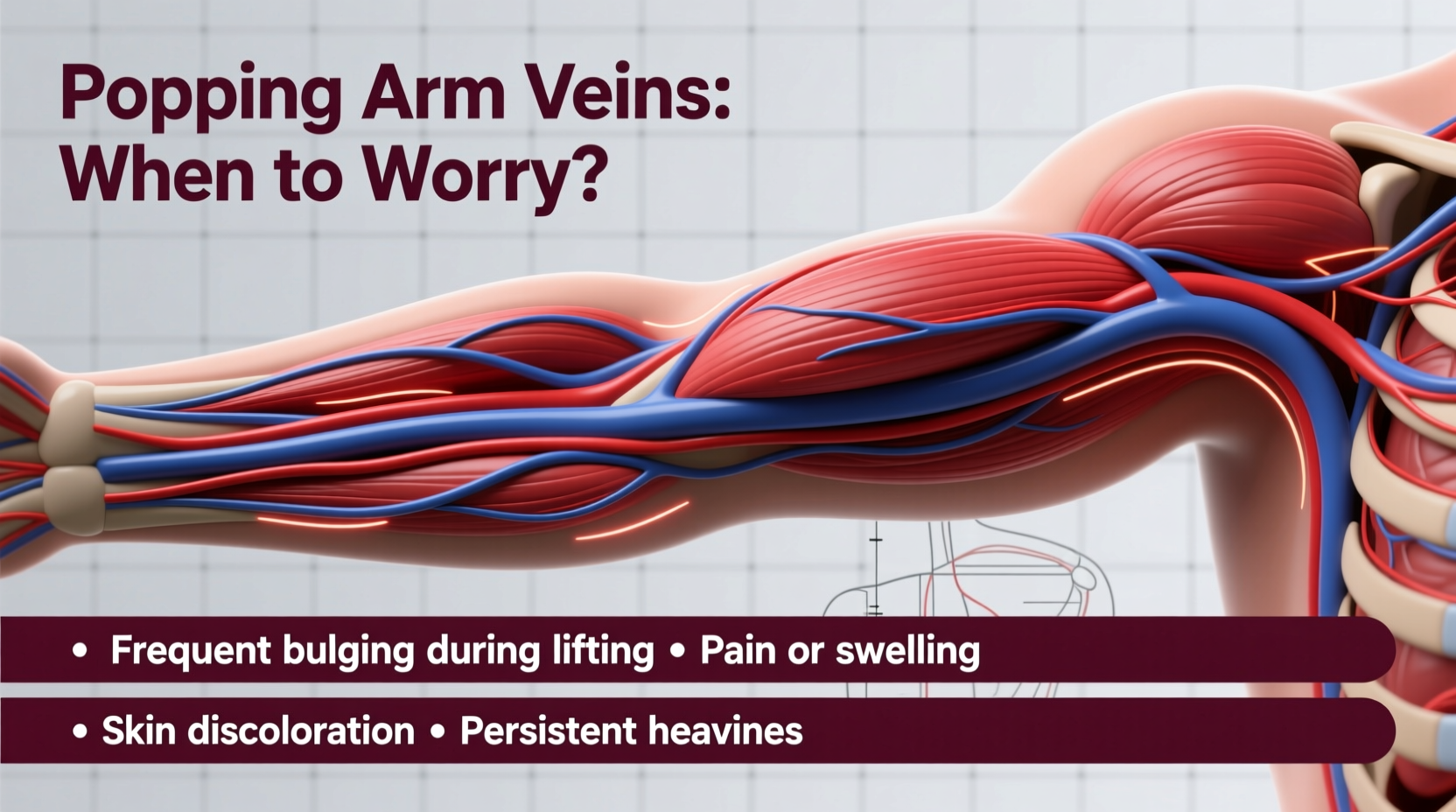
Veins become more prominent due to a combination of internal pressure, body composition, and circulatory dynamics. While some causes are benign, others may require medical evaluation.
- Low Body Fat: Individuals with reduced subcutaneous fat have less tissue covering their veins, making them more visible.
- Muscle Contraction: During exercise or weightlifting, increased blood flow and muscle tension push veins closer to the skin’s surface.
- Heat Exposure: High temperatures cause blood vessels to dilate, increasing vein prominence.
- Genetics: Some people naturally have more visible venous patterns due to inherited vascular structure.
- Aging: As skin thins and loses elasticity over time, veins become more noticeable.
- Dehydration: Reduced fluid volume can make veins appear more pronounced temporarily.
When Should You Be Concerned?
While most cases of prominent arm veins are cosmetic, certain symptoms indicate possible pathology. Seek medical advice if you experience any of the following:
- Sudden, one-sided vein swelling without clear cause
- Pain, tenderness, warmth, or redness along the vein
- Hardened or cord-like texture under the skin
- Discoloration (blue, purple, or darkened skin)
- Swelling in the arm or hand
- History of blood clots or thrombosis
“Not all bulging veins are dangerous, but persistent asymmetry or associated discomfort should never be ignored.” — Dr. Lena Patel, Vascular Medicine Specialist
Common Medical Conditions Linked to Popping Veins
Beyond normal anatomical variation, several conditions can lead to abnormal vein appearance in the arms:
| Condition | Description | Symptoms | Risk Factors |
|---|---|---|---|
| Superficial Thrombophlebitis | Inflammation of a vein caused by a blood clot near the surface | Painful, red, hard vein; localized warmth | Injury, IV use, prolonged immobility |
| Deep Vein Thrombosis (DVT) | Blood clot in a deep vein, potentially life-threatening if dislodged | Swelling, throbbing pain, skin discoloration | Recent surgery, clotting disorders, long flights |
| Varicose Veins (Arms) | Rare in arms but possible due to valve dysfunction | Bulging, twisted veins; aching sensation | Genetics, age, repetitive strain |
| Thoracic Outlet Syndrome | Compression of nerves or blood vessels between neck and shoulder | Numbness, weak pulse, swelling, visible vein distortion | Poor posture, trauma, anatomical abnormalities |
Mini Case Study: The Bodybuilder’s Warning Sign
Mark, a 32-year-old competitive bodybuilder, noticed that his left arm veins had become increasingly prominent over six weeks—even at rest. Unlike his right arm, the left felt warm and slightly tender. Assuming it was muscle development, he continued intense training. After two weeks, swelling worsened and his forearm turned dusky blue. He visited a vascular clinic where ultrasound revealed superficial thrombophlebitis with early extension into deeper veins. Prompt anticoagulant therapy prevented complications. His case highlights how even fit individuals can develop serious vascular issues masked by athletic appearance.
Treatment Options Based on Cause
Treatment depends entirely on the underlying condition. Misdiagnosing a pathological issue as cosmetic can lead to severe outcomes.
For Benign Prominent Veins
No treatment is necessary. These are typically seen in healthy, active individuals and pose no risk.
For Superficial Thrombophlebitis
- Warm compresses applied 3–4 times daily
- NSAIDs (e.g., ibuprofen) for pain and inflammation
- Compression sleeves if advised by a physician
- Monitoring for progression to deep system
For Deep Vein Thrombosis (DVT)
- Anticoagulant medications (e.g., rivaroxaban, heparin)
- Regular ultrasound monitoring
- Hospitalization in severe cases
- Lifestyle adjustments including mobility and hydration
For Thoracic Outlet Syndrome
- Physical therapy targeting neck and shoulder muscles
- Posture correction and ergonomic adjustments
- Surgical decompression in advanced cases
Step-by-Step: What to Do If You Notice Changes in Arm Veins
- Assess the Pattern: Is the change sudden? One-sided? Associated with activity or present at rest?
- Check for Symptoms: Look for pain, swelling, warmth, redness, or skin changes.
- Review Recent Activity: Consider recent IV use, injury, travel, or new workout routines.
- Monitor Over 24–48 Hours: Note whether symptoms improve or worsen.
- Seek Medical Evaluation: Visit a healthcare provider for physical exam and possibly Doppler ultrasound.
- Follow Through: Adhere to prescribed treatments and attend follow-up appointments.
Prevention and Long-Term Vascular Health
Maintaining healthy circulation reduces the risk of abnormal vein conditions. Simple daily habits can make a significant difference.
Checklist: Daily Habits for Healthy Veins
- Stay well-hydrated throughout the day
- Avoid prolonged arm dependency (e.g., hanging arms down for long periods)
- Take breaks during repetitive upper-body activities
- Wear loose clothing around shoulders and arms
- Practice good posture to prevent thoracic outlet compression
- Move regularly—avoid sitting or standing still for hours
- Quit smoking, which damages blood vessel walls
“Vascular health isn’t just about the legs. Arm veins can provide early clues to systemic circulation problems.” — Dr. Rajiv Mehta, Cardiologist
Frequently Asked Questions
Are popping arm veins a sign of high blood pressure?
Not directly. While high blood pressure affects arterial pressure, it doesn't typically cause visible veins in the arms. However, chronic hypertension can contribute to vascular stiffness over time. The appearance of veins is more closely linked to body fat, muscle mass, and venous pressure than arterial blood pressure levels.
Can dehydration make veins more visible?
Yes. When dehydrated, blood volume decreases slightly and the body compensates by constricting some vessels while others may appear more defined due to reduced tissue turgor. This effect is temporary and resolves with rehydration.
Is it safe to work out with bulging veins?
If the veins are pain-free, symmetrical, and only prominent during exertion, exercise is generally safe. However, if bulging is new, painful, or persists after cooling down, stop resistance training and consult a doctor before resuming.
Conclusion: Know Your Body, Trust Your Instincts
Visible arm veins are usually a normal variation, particularly in lean or athletic individuals. But when accompanied by pain, swelling, or sudden asymmetry, they may signal something more serious. Early recognition and professional assessment can prevent complications like pulmonary embolism from undiagnosed clots. Don’t dismiss changes because you’re fit or young—vascular health matters at every age.
💬 Your veins tell a story—listen to them. If something feels off, get it checked. Share this information with someone who lifts weights, travels frequently, or has a family history of clotting disorders. Awareness saves lives.








