Since its debut in 2009, Plants vs. Zombies has cultivated a loyal fanbase across generations. What began as a quirky tower-defense game has evolved into a multimedia franchise with animated series, comics, mobile sequels, and an extensive range of merchandise. Among the most beloved consumer products are physical toys—ranging from articulated plant action figures to soft, huggable zombie plushies. But within the collector and play communities, a quiet debate persists: are the plant figures truly more popular than the zombie plushies? The answer isn’t as straightforward as sun versus brain, but a closer look at design, marketing, audience appeal, and resale value reveals compelling patterns.
The Appeal of Plant Figures: Functionality Meets Fandom
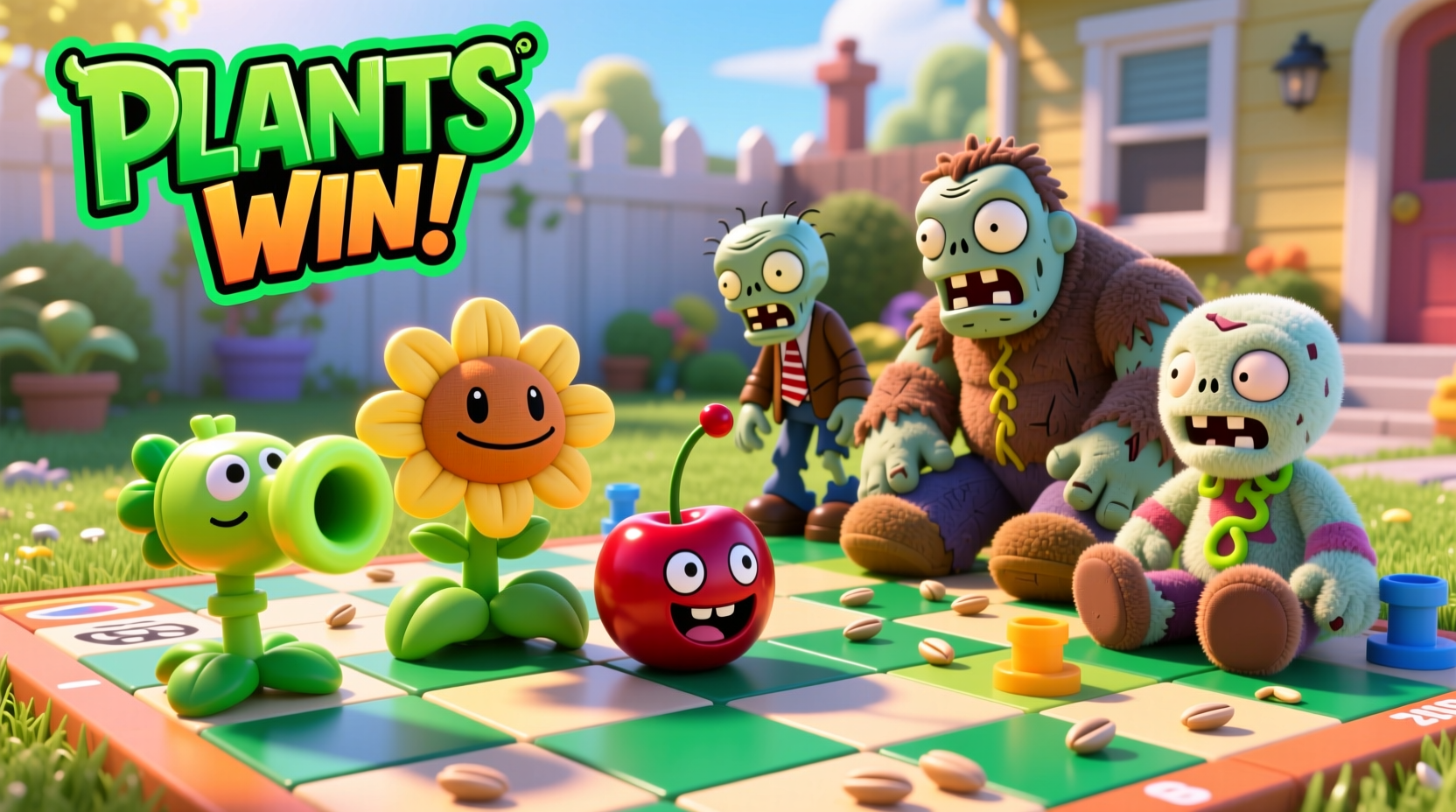
Plant-based toys in the Plants vs. Zombies universe are typically released as small-scale action figures or poseable models. Characters like Peashooter, Sunflower, Chomper, and the ever-popular Gloom-Shroom come with exaggerated features and vibrant colors that mirror their in-game designs. These figures often emphasize strategic utility—many include accessories such as projectile peas, solar energy discs, or modular bases that allow them to be arranged in defensive formations.
Collectors appreciate the detail and articulation. Limited edition variants, such as metallic finishes or glow-in-the-dark versions, have become sought-after items on secondary markets. For fans who engage with the game’s mechanics, these figures serve as tangible representations of gameplay tactics. A shelf lined with precisely arranged plants can resemble a player’s ideal lawn defense setup.
Tip: Keep plant figures in original packaging if collecting for resale value—sealed boxes can increase worth by 30–50% over time.Zombie Plushies: Cuteness Over Combat
In contrast, zombie plushies lean heavily into emotional appeal. Despite their in-game role as relentless brain-seekers, characters like Zombie Chicken, Disco Zombie, and even the standard Zombie with his lopsided grin are reimagined as soft, cuddly companions. Manufacturers use pastel palettes, oversized eyes, and plush stuffing to transform inherently comical enemies into lovable toys—especially appealing to younger audiences and casual fans.
Plushies dominate gift shops, online boutiques, and convention merch tables. Their tactile nature makes them ideal for children’s playrooms or as comfort objects. Unlike rigid plastic figures, plush toys invite interaction through hugging, carrying, and imaginative storytelling. This accessibility broadens their demographic reach beyond hardcore gamers.
“Merchandising often prioritizes emotional resonance over accuracy. The zombie plush line succeeds because it subverts fear into fun.” — Lena Torres, Toy Design Consultant at PlayFusion Studios
Market Trends and Sales Data Comparison
To assess popularity objectively, one must examine sales volume, collector demand, and platform availability. While official sales data from PopCap Games and EA is not publicly disclosed, third-party retailers and auction platforms offer telling insights.
| Metric | Plant Figures | Zombie Plushies |
|---|---|---|
| Average Resale Value (eBay, 2023) | $18–$45 (limited editions up to $120) | $12–$30 (rare variants up to $65) |
| Amazon Customer Ratings (Avg.) | 4.6 stars | 4.8 stars |
| Collector Community Engagement | High (fan forums, custom displays) | Moderate (mostly social media sharing) |
| Target Age Group | 10–35 (collectors & gamers) | 5–14 (children & gift buyers) |
| Production Frequency | Seasonal drops, limited runs | Ongoing, mass-produced |
The data suggests a divergence in popularity based on context. Zombie plushies outsell plant figures in volume due to broader retail presence and gifting appeal. However, plant figures command higher prices among collectors and exhibit stronger engagement in enthusiast circles.
Why Plant Figures Dominate Collector Culture
Collectibility hinges on scarcity, detail, and narrative integration. Plant figures benefit from several key advantages:
- Game Accuracy: They replicate in-game abilities and visual traits with precision, satisfying fans who value authenticity.
- Customization Potential: Many figures are compatible with diorama kits, allowing fans to recreate levels or design original battle scenes.
- Limited Releases: Special editions tied to anniversaries or events (e.g., “Zomburbia” or “Adventure Mode” sets) drive urgency and exclusivity.
- Community Projects: Online groups organize collective displays, photo challenges, and trading networks centered around plant collections.
This ecosystem fosters deeper investment. Owning a full set of Legendary Plants, for instance, is seen as a milestone achievement—similar to completing a rare badge in the game itself.
Mini Case Study: The Rise of \"Lawn Legends\" Collector Group
In 2021, a Reddit user named u/ZenGardenCurator launched “Lawn Legends,” a Discord community dedicated to high-fidelity Plants vs. Zombies figure displays. Within two years, the group grew to over 3,200 members. Participants share build logs, lighting techniques, and custom terrain models. Notably, 87% of featured projects focus exclusively on plant armies, with zombies used sparingly as background elements. One member spent six months constructing a 3D-printed replica of Player’s House from the original game, complete with working solar panel effects for Sunflowers.
When asked why plants dominate their builds, the moderator explained: “The plants are the heroes. They’re diverse, powerful, and each has a personality. We want to celebrate them—not the zombies trying to eat them.”
Step-by-Step: Building a Balanced Collection
For fans torn between the two toy types, a balanced approach maximizes enjoyment and display potential. Follow this timeline to curate a collection that honors both sides of the battlefield:
- Month 1: Identify your primary goal—play, display, or investment. This shapes your purchasing strategy.
- Month 2: Acquire core plant figures (Peashooter, Sunflower, Wall-nut) and one iconic zombie plush (Basic Zombie or Gargantuar).
- Months 3–4: Expand with themed sets (e.g., Nighttime Garden or Pool Defense) to create cohesive scenes.
- Months 5–6: Add rare or retired items via trusted resellers. Verify authenticity through serial numbers and packaging details.
- Ongoing: Rotate displays seasonally and document progress with photos to track growth and inspire others.
Frequently Asked Questions
Are zombie plushies considered less valuable than plant figures?
Generally, yes—due to higher production volume and lower material complexity. However, mint-condition plushies from discontinued lines (like the 2012 “Zombie Band” set) can fetch premium prices among niche collectors.
Do plant figures come with accessories?
Many do. Common additions include removable projectiles, interchangeable facial expressions, and base connectors for arranging defensive rows. Higher-end sets may include mini-environments like flower pots or tombstones.
Can kids safely play with both types of toys?
Absolutely. Plant figures are made from non-toxic ABS plastic with smooth edges, while plushies meet international safety standards for stuffing and dyes. Supervise younger children with small figure parts to prevent choking hazards.
Checklist: How to Choose the Right Toys for You
- ☐ Decide whether you're collecting, displaying, or buying for a child
- ☐ Set a budget—plant figures often cost more individually
- ☐ Research upcoming releases via official EA/PopCap channels
- ☐ Check reviews for durability and paint quality
- ☐ Join online communities for trade and upgrade opportunities
- ☐ Store figures in UV-protected cases to prevent fading
Conclusion: Popularity Depends on Perspective
Declaring one type of Plants vs. Zombies toy definitively more popular than the other overlooks the diversity of fan engagement. In terms of mass-market success and emotional appeal, zombie plushies win with widespread availability and universal charm. Yet when measuring dedication, resale value, and creative expression within fandom, plant figures hold a distinct edge.
The truth is, both product lines fulfill different roles. Plushies bring joy through softness and humor; figures inspire pride through craftsmanship and nostalgia. Rather than choosing sides, the most passionate fans embrace the full spectrum—honoring the quirky war between flora and the undead in all its forms.
🚀 Ready to grow your own army? Start with one favorite character, then expand your garden or horde. Share your collection online and connect with fellow defenders of the lawn!








