For over a decade, Plants vs. Zombies has cultivated a loyal following—not just among gamers, but collectors of memorabilia. As the franchise expanded beyond its original tower defense roots into comics, card games, and merchandise, one category stands out: plush toys. But within that world, a quiet debate simmers—do true fans gravitate toward official Plants vs. Zombies character plushes, or do they default to classic teddy bears as sentimental stand-ins? The answer isn’t as simple as sun versus zombie.
While both plush types offer comfort and nostalgia, their role in fandom culture diverges sharply. Understanding this distinction reveals not only what fans value but also how pop culture evolves through tangible objects.
The Cultural Weight of Plush Collecting
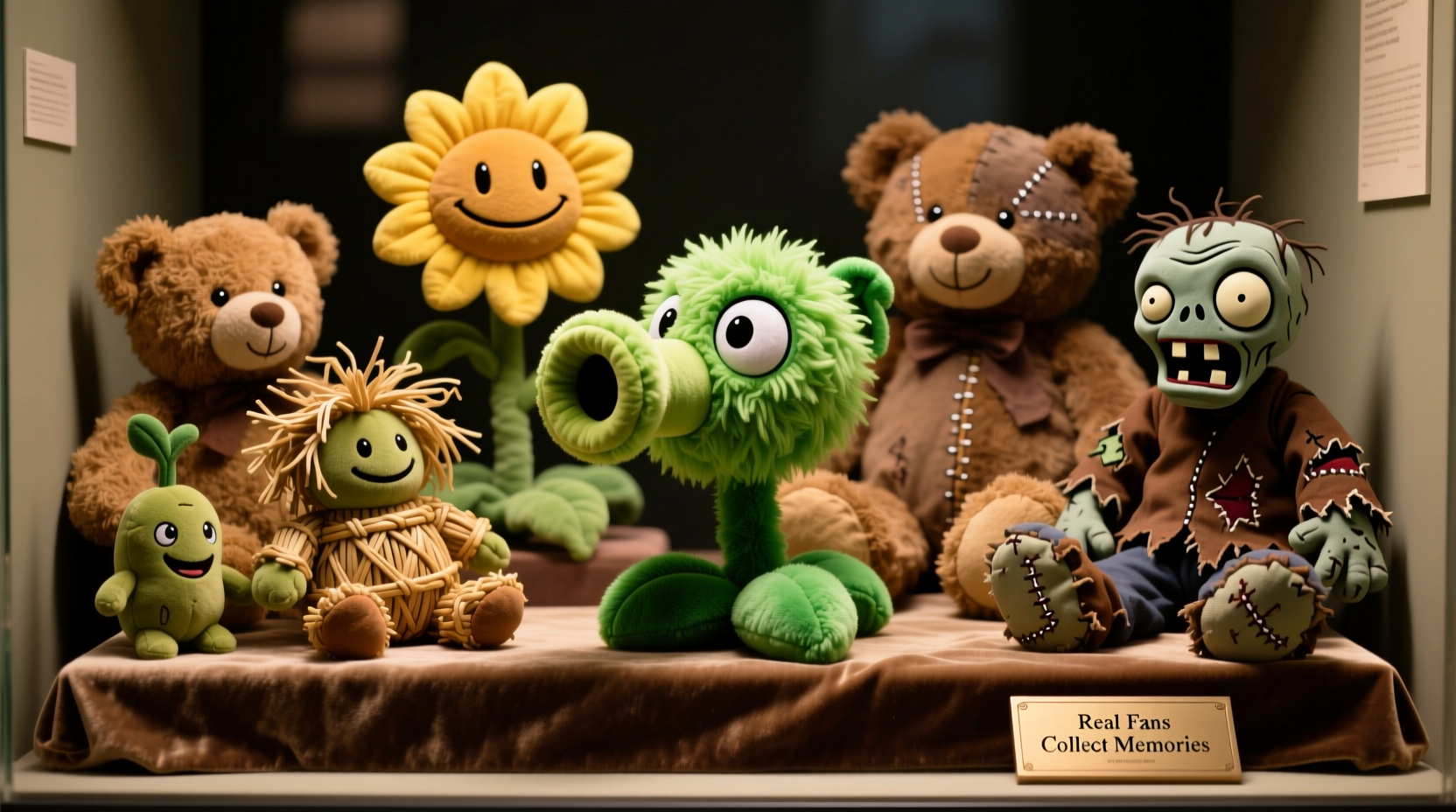
Plush toys are more than child’s play. For adult collectors, they represent emotional touchpoints, artistic appreciation, and even investment. In gaming communities, limited-edition plushes often become status symbols—proof of dedication, timing, and insider knowledge. Plants vs. Zombies, with its quirky cast and enduring charm, naturally lends itself to this kind of merchandising.
Zombies like Gargantuar (complete with imp) or plants like Peashooter and Chomper have been rendered in soft form by companies like Funko, Bioware, and independent artisans. These aren't generic cuddly toys—they're narrative artifacts. Each stitch reflects a moment in gameplay, a meme, or a beloved character trait.
“Collectible plushes serve as emotional anchors. They’re not just toys; they’re souvenirs of experience.” — Dr. Lila Tran, Cultural Anthropologist specializing in digital nostalgia
In contrast, the traditional teddy bear lacks this narrative specificity. Universally recognized and emotionally resonant, yes—but it doesn’t scream “I survived PvZ Adventure Mode on hard.” It whispers childhood comfort, not gamer pride.
Functional Differences: Character Plush vs. Classic Teddy
At first glance, both items belong to the same category: stuffed animals. But functionally and symbolically, they occupy different spaces.
| Feature | Plants vs. Zombies Plush | Teddy Bear |
|---|---|---|
| Design Origin | Licensed game characters with distinct personalities | Generic design; no narrative context |
| Fandom Signaling | High – instantly identifies owner as a fan | Low – no specific affiliation implied |
| Rarity & Value | Some are limited editions; resell for $50–$200+ | Mass-produced; rarely appreciates in value |
| Emotional Connection | Tied to gameplay memories and humor | Linked to personal history or gifting |
| Display Purpose | Part of a curated collection or shelf setup | Often used decoratively or sentimentally |
The data shows a clear divide: fans who collect Plants vs. Zombies plushes tend to treat them as part of a larger identity expression. They photograph them in themed dioramas, trade duplicates online, and attend conventions with them. Teddy bears, while cherished, rarely enter that ecosystem unless customized or historically significant.
Tip: When buying official PvZ plushes, check for authenticity tags and production dates—older runs from EA’s early partnerships are now rare.Why Real Fans Choose Character Plushes
Authentic fandom thrives on specificity. A real fan doesn’t just like games—they connect with particular universes, mechanics, and aesthetics. The sunflower that fuels your strategy, the hypno-shroom that turns the tide, or the disco zombie that crashes your lawn with flair—these aren’t interchangeable.
Character plushes capture that uniqueness. Holding a Repeater plush isn’t the same as hugging any green toy. It recalls long nights defending the backyard, the satisfaction of perfect plant placement, or laughing at Dr. Zomboss’s over-the-top monologues.
Moreover, many modern PvZ plushes are designed with collector details: embroidered eyes, weighted bases, or sound modules that play iconic audio clips. These features elevate them beyond mere toys into interactive memorabilia.
Teddy bears, despite their universal appeal, don’t offer that level of engagement. Unless modified with game-themed accessories (a sun-shaped scarf, a pea shooter prop), they remain culturally neutral.
A Collector’s Journey: From Doubt to Devotion
Take Maya Chen, a 29-year-old graphic designer from Portland. She started with a single teddy bear gifted during college finals week—a comfort object. But after rediscovering Plants vs. Zombies during lockdown, she bought her first character plush: a Cactus from the Desert expansion line.
“It felt silly at first,” she admits. “But then I realized—it wasn’t about being cute. It was about remembering how much joy that game gave me. I started tracking down others: Kernel Corn, Iceweed, even a rare Balloon Zombie variant.”
Today, her bookshelf features a full lawn lineup, complete with handmade cardboard tombstones and a mini solar panel display. “People assume it’s just decoration,” she says. “But it’s my story. My nostalgia. My win against the undead.”
This is the heart of the matter: real fans collect what represents their journey. And for most, that’s not a generic bear—it’s a spiky, smiling cactus ready to pop a zombie’s balloon.
Building a Meaningful Collection: A Step-by-Step Guide
Whether you're new to collecting or refining your approach, follow these steps to build a Plants vs. Zombies plush collection that reflects genuine fandom.
- Define Your Focus: Will you collect all plants? Only zombies? Seasonal variants? Limiting scope increases cohesion.
- Research Official Releases: EA and PopCap have released plushes across multiple lines—check forums like PvZ Community Hub for release timelines.
- Verify Authenticity: Look for licensed logos, consistent fabric quality, and packaging integrity. Counterfeits flood marketplaces like eBay and Etsy.
- Preserve Condition: Store plushes away from sunlight and moisture. Use breathable garment bags if not on display.
- Engage the Community: Join Discord servers or Reddit threads to trade, learn about rare drops, and showcase your setup.
Checklist: Is This Plush Worth Adding?
- ☑ Licensed by PopCap/EA (look for certification tag)
- ☑ Matches your collection theme (e.g., night-time zombies, aquatic plants)
- ☑ In good condition (no stains, loose seams, or missing parts)
- ☑ Comes with original packaging (boosts resale and preservation)
- ☑ Fills a gap in your current lineup
Frequently Asked Questions
Are Plants vs. Zombies plushes only for kids?
No. While marketed as toys, many are targeted at adult collectors through premium materials, exclusivity, and nostalgic appeal. Limited-run collaborations often sell out quickly on adult-focused platforms like BoxLunch or GameStop.
Can teddy bears be part of a PvZ collection?
Yes—if creatively integrated. Some fans dress teddy bears as “zombie commanders” or use them as lawn keepers in displays. However, they don’t replace character-specific plushes in terms of authenticity or recognition.
What’s the most valuable PvZ plush?
The 2011 convention-exclusive Giga-Gargantuar prototype holds record sales, with one fetching $480 at auction in 2023. More accessible but still prized: the Glow-shroom Night Edition, originally given at PAX East.
Conclusion: What Defines a True Fan’s Choice?
The choice between a Plants vs. Zombies plush and a teddy bear isn’t about softness or size—it’s about meaning. Real fans collect items that reflect their connection to the game’s world. They want a Sunflower that beams with stitched-on cheer, a Wall-nut with battle-worn armor, or a Dolphin Rider mid-leap. These plushes aren’t substitutes for memories; they’re vessels for them.
Teddy bears will always have a place in hearts and homes. But when it comes to representing fandom, specificity wins. A well-curated PvZ plush collection tells a story—one of strategy, humor, and survival against absurd odds. That’s something no off-the-shelf bear can replicate.
💬 What’s your favorite Plants vs. Zombies character to collect? Share your top picks and display setups in the comments—let’s grow the community together.








