When traveling with a small pet—whether a cat, rabbit, or even a miniature dog—the choice of carrier can significantly impact their comfort and emotional state. Two popular options dominate the market: plaid slings and mesh carriers. While both serve the purpose of safe transport, they differ in design, material, and psychological effect on pets. The key question isn’t just about convenience for the owner, but which option helps keep the animal calmer during movement, noise, and unfamiliar environments.
Understanding how each carrier type influences your pet’s sense of security, visibility, temperature regulation, and physical support is essential. A calm pet is a safer pet—one less likely to panic, vocalize excessively, or injure itself during transit. This article compares plaid slings and mesh carriers across critical factors affecting pet anxiety, backed by behavioral insights and real-world usage patterns.
Material and Sensory Impact on Pet Behavior
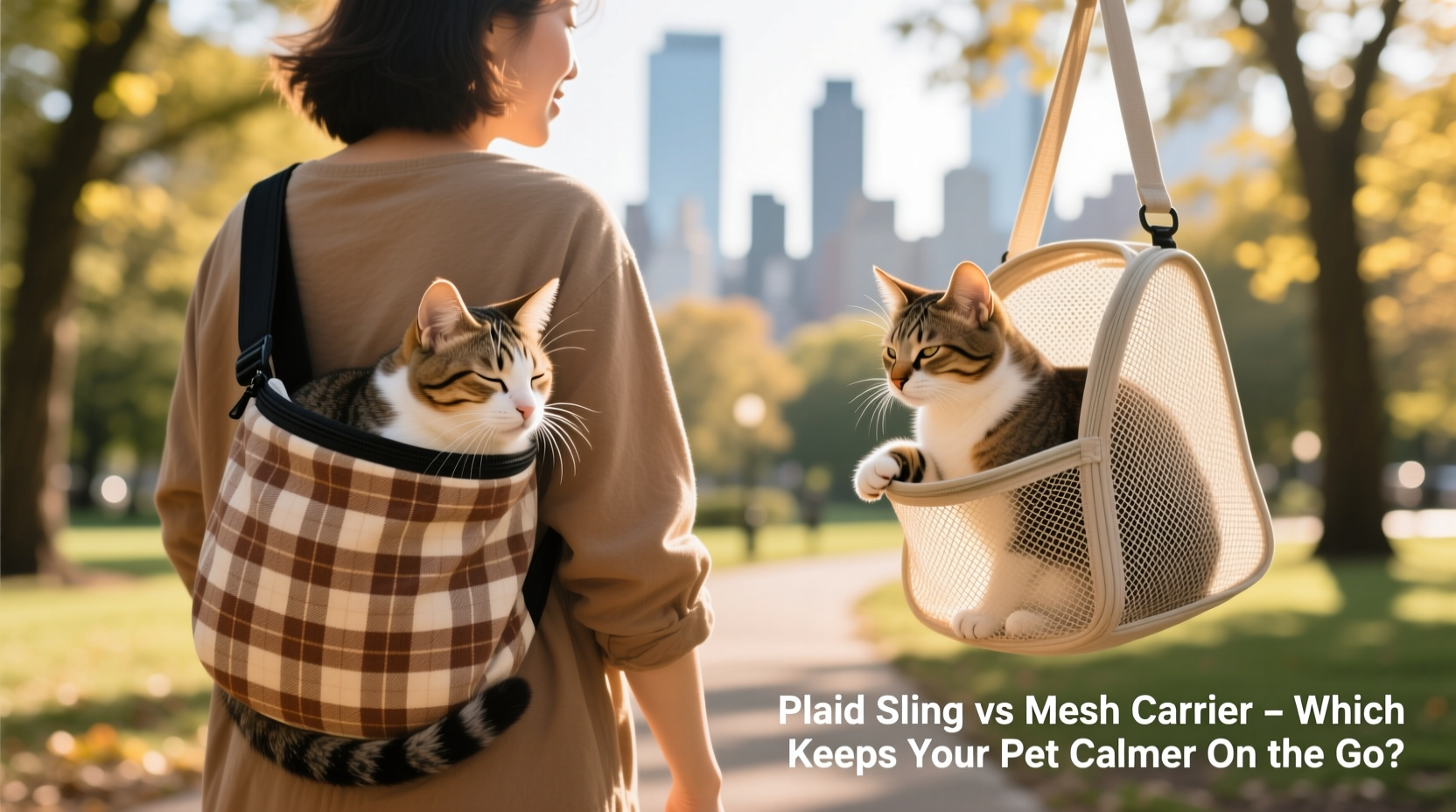
The fabric of a carrier directly affects a pet’s sensory experience. Plaid slings are typically made from soft, woven cotton or polyester blends that offer warmth and a snug, cocoon-like feel. These materials provide tactile comfort and reduce external stimuli, which many animals find soothing. The enclosed nature of most plaid slings limits visual input, helping anxious pets avoid overstimulation from passing traffic, crowds, or sudden movements.
In contrast, mesh carriers feature breathable nylon or polyester mesh panels on one or more sides. While this enhances airflow—a benefit in warm climates—it also increases visual exposure. For some pets, especially those prone to environmental reactivity, constant visual access to the outside world can heighten alertness and trigger stress responses. However, other animals may prefer partial visibility as it allows them to monitor their surroundings, reducing feelings of helplessness.
Tip: If your pet startles easily, opt for a carrier with limited visibility to minimize sensory overload.Support and Motion Stability
Physical stability plays a crucial role in calming pets during travel. Plaid slings are worn close to the body, often diagonally across the chest, allowing the pet to feel the rhythmic motion of your breathing and heartbeat. This proximity mimics maternal contact and has been shown to lower cortisol levels in small mammals and cats. The gentle sway of walking while wearing a sling can be inherently soothing, similar to rocking a baby.
Mechanically, however, slings offer less structural support than rigid or semi-rigid mesh carriers. They may shift during movement, especially if not properly adjusted, which can unsettle sensitive animals. Mesh carriers, particularly those with firm bases and adjustable straps, provide consistent posture support. Many include padded interiors and secure harness clips, preventing abrupt shifts when the carrier is set down or jostled.
“Proximity-based carriers like slings can reduce acute stress through somatic feedback—your pet feels your calm breathing and steady gait.” — Dr. Lena Torres, Veterinary Ethologist
Comparison Table: Key Features at a Glance
| Feature | Plaid Sling | Mesh Carrier |
|---|---|---|
| Visibility | Limited (enclosed sides) | High (mesh windows) |
| Ventilation | Moderate (depends on fabric) | Excellent (breathable mesh) |
| Bonding Proximity | High (worn against body) | Low to moderate (carried by handle/strap) |
| Structural Support | Low (soft-sided) | High (often includes baseboard) |
| Best For | Short trips, bonded pets, cold weather | Air travel, hot climates, high-visibility needs |
| Calming Effect | High (reduced stimuli + body contact) | Variable (depends on pet temperament) |
Real-World Example: Managing Travel Anxiety in Cats
Sophia, a pet owner from Portland, noticed her rescue cat, Miso, would hyperventilate and scratch at the mesh panel of her airline-approved carrier during car rides. Despite using pheromone sprays and soft bedding, Miso remained visibly distressed. On a recommendation from her vet, Sophia tried a cotton plaid sling with a fleece liner, securing it tightly across her torso.
The difference was immediate. Miso tucked into the sling, her breathing slowed within minutes, and she remained quiet throughout a 30-minute clinic visit. “It was like she finally felt anchored,” Sophia said. “She could hear my voice and feel my chest move. The mesh carrier made her feel exposed—even though it had a cover, she knew light was getting in.”
This case illustrates how individual temperament interacts with carrier design. Miso responded positively to reduced sensory input and physical closeness—two strengths of the plaid sling.
Choosing Based on Your Pet’s Temperament
There is no universal answer to whether a plaid sling or mesh carrier keeps pets calmer—the best choice depends on your animal’s personality and needs:
- Choose a plaid sling if: Your pet is shy, easily startled, or forms strong attachments to you. Ideal for short outings in cooler weather.
- Choose a mesh carrier if: Your pet is curious, enjoys observing surroundings, or lives in a hot climate. Also required for most air travel due to ventilation standards.
Some owners successfully use both: a mesh carrier for long-distance travel where safety regulations apply, and a plaid sling for daily walks or vet visits where bonding and calm are priorities.
Step-by-Step: Testing Carrier Comfort
- Introduce the carrier at home with treats and familiar blankets.
- Allow free exploration for several days without forcing entry.
- Practice short indoor wear sessions—5–10 minutes with the sling or carrier.
- Monitor behavior cues: flattened ears, dilated pupils, or grooming indicate stress; purring, kneading, or relaxed posture suggest comfort.
- Graduate to brief outdoor trips in low-traffic areas.
- Adjust based on response—switch materials or try covers to modify visibility and airflow.
Frequently Asked Questions
Can I use a plaid sling for air travel?
Most airlines require hard-sided or semi-rigid carriers with mesh ventilation panels for cabin travel. Plaid slings alone do not meet these safety and visibility standards. However, some owners use slings inside approved carriers for added comfort during flights.
How do I clean a plaid sling without damaging its softness?
Hand wash with mild detergent and cold water. Avoid wringing or machine drying. Lay flat to dry to preserve shape and texture. For spot cleaning between uses, use a pet-safe wipe on soiled areas only.
Are mesh carriers too hot in summer?
Not necessarily. High-quality mesh carriers are designed for optimal airflow. To prevent overheating, avoid direct sunlight, never leave the carrier in a parked car, and consider adding a cooling pad or frozen water bottle wrapped in cloth.
Tip: Line either carrier with a pheromone-infused towel (like Feliway for cats) to create a calming scent environment.Final Recommendation: Prioritize Emotional Safety
While both plaid slings and mesh carriers have functional merits, the factor that most consistently contributes to a calmer pet is perceived safety. Plaid slings excel in creating a den-like atmosphere that minimizes external stressors and maximizes physical reassurance. Mesh carriers offer transparency and ventilation but may increase arousal in visually sensitive animals unless partially covered.
If your primary goal is calming your pet during transit, begin with a plaid sling—especially for short, frequent trips. Observe your pet’s body language closely. If they appear more alert than anxious in open environments, a mesh carrier with a removable privacy flap might offer the best compromise.
Ultimately, the right carrier supports not just physical safety, but emotional well-being. By aligning your choice with your pet’s natural instincts and stress triggers, you create a travel experience that feels less like disruption and more like secure companionship.
🚀 Ready to make your next trip easier? Try a plaid sling for your next outing and observe your pet’s reaction. Share your experience in the comments—your insight could help another pet parent find the perfect fit.








