Losing a toenail, especially on the delicate pinky toe, can be alarming. While it may look dramatic, it’s often not a medical emergency. The pinky toenail is particularly vulnerable due to its position—frequently pressed against shoes and prone to trauma. Understanding why this happens, how to treat it properly, and what steps to take for prevention can save you from discomfort, infection, and repeated issues.
Whether caused by an injury, fungal infection, or ill-fitting footwear, a detached pinky toenail requires careful attention. This guide explores the most common causes, outlines safe treatment practices, and provides practical prevention tips backed by podiatric knowledge.
Common Causes of Pinky Toenail Loss
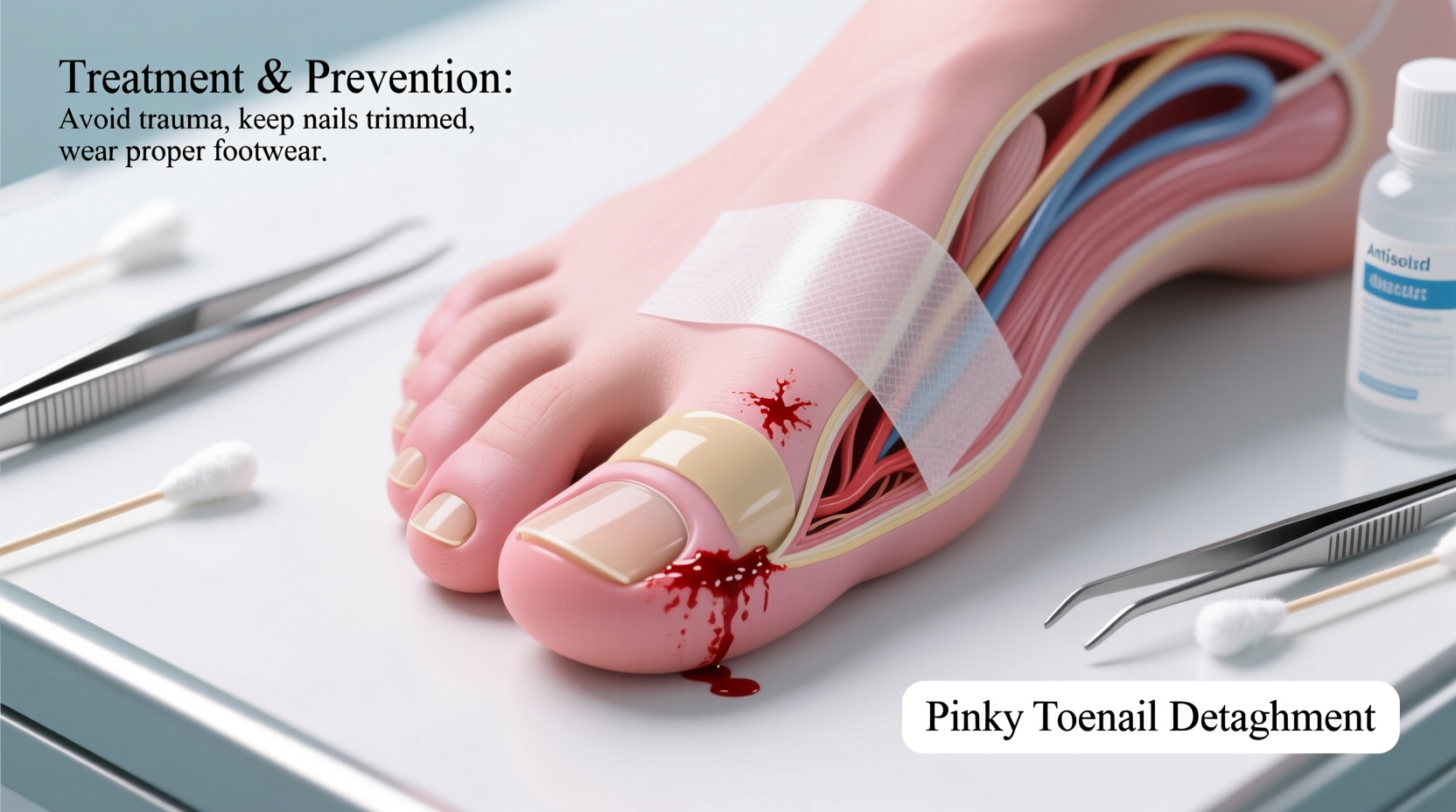
The separation of a toenail from the nail bed—known medically as onycholysis—is more frequent on the fifth (pinky) toe than others. Several factors contribute to this condition:
- Trauma or Injury: Stubbing your toe, dropping something on it, or repetitive pressure from running or tight shoes can cause bleeding under the nail (subungual hematoma), eventually leading to detachment.
- Fungal Infections (Onychomycosis): Fungi thrive in warm, moist environments like sweaty shoes. Over time, they weaken the nail structure, causing discoloration, thickening, and eventual crumbling or shedding.
- Tight Footwear: Shoes that compress the toes force the pinky toe into constant friction, increasing the risk of microtrauma and inflammation.
- Nail Psoriasis: An autoimmune condition that affects skin and nails, psoriasis can lead to pitting, ridges, and nail lifting.
- Ingrown Toenails: Though less common on the pinky toe, improper trimming or pressure can cause ingrowth, leading to infection and possible nail loss.
- Systemic Health Conditions: Diabetes, poor circulation, or thyroid disorders may impair nail growth and increase susceptibility to damage.
“Even minor, repeated pressure from narrow toe boxes can gradually destroy the nail matrix over time.” — Dr. Lena Torres, Board-Certified PodiatristTip: If you're active in sports or spend long hours on your feet, consider getting your shoe fit assessed by a professional to avoid chronic toe stress.
What to Do When Your Pinky Toenail Starts Detaching
If your toenail is partially or fully detached, the priority is preventing infection and supporting healthy regrowth. Avoid pulling it off unless absolutely necessary.
Step-by-Step Care Guide
- Wash the Area Gently: Use mild soap and lukewarm water daily to keep the exposed nail bed clean.
- Trim Safely: If the nail is loose but not completely detached, use sterilized clippers to trim the free edge. Do not rip or pull it.
- Apply Antibiotic Ointment: After cleaning, apply a thin layer of over-the-counter antibiotic cream to deter bacterial infection.
- Cover with a Non-Stick Bandage: Protect the area with a sterile dressing changed daily or whenever wet or soiled.
- Elevate if Swollen: Reduce inflammation by elevating your foot when resting.
- Monitor for Signs of Infection: Watch for increased redness, pus, throbbing pain, or foul odor—these require prompt medical attention.
Complete regrowth of a toenail can take 6 to 18 months, depending on age, circulation, and overall health. Patience and consistent hygiene are essential during this phase.
When to See a Doctor
While many cases resolve at home, certain symptoms warrant professional evaluation:
- Pain that worsens after a few days
- Signs of infection (pus, fever, spreading redness)
- Recurrent nail loss without clear injury
- Diagnosis of diabetes or peripheral artery disease
- Suspected fungal or psoriatic involvement
A podiatrist may perform lab tests, prescribe antifungal medication, or recommend temporary nail avulsion (removal) if there's significant damage or infection beneath the nail.
Prevention: Protecting Your Pinky Toenail Long-Term
Preventing future nail loss starts with understanding what puts your toes at risk. Small changes in footwear, hygiene, and foot care habits make a big difference.
| Do’s | Don’ts |
|---|---|
| Wear shoes with wide toe boxes | Wear pointed or narrow-toed shoes regularly |
| Keep toenails trimmed straight across | Round the corners too much or cut them too short |
| Change socks daily; opt for moisture-wicking materials | Go barefoot in public showers or pools |
| Use antifungal powder in shoes if prone to infections | Share nail clippers or footwear with others |
| Inspect feet weekly for early signs of change | Ignore persistent discoloration or thickening |
Real Example: Marathon Runner Recovering from Repeated Nail Trauma
Jamal, a 32-year-old recreational marathoner, noticed his right pinky toenail darkening after every long run. Over two years, he lost the nail twice due to repeated impact inside his racing shoes. After consulting a sports podiatrist, he switched to trail-running shoes with wider toe splay and began taping his smallest toes before races. He also started trimming his nails more frequently during training cycles. Within six months, the problem resolved, and his new nail grew in strong and intact.
This case illustrates how repetitive microtrauma—often overlooked—can lead to chronic nail issues. Simple adjustments prevented further damage.
Home Remedies and Supportive Treatments
While medical treatment is crucial for infections or severe injuries, some supportive home practices aid healing:
- Vinegar Soaks: A diluted solution (1 part white vinegar to 2 parts water) may help control fungal growth. Soak for 15–20 minutes daily.
- Tea Tree Oil: Known for its antiseptic properties, applying a drop diluted in carrier oil may reduce surface bacteria or fungi.
- Proper Moisturizing: Keep surrounding skin hydrated with unscented lotion to prevent cracking and irritation.
However, never substitute home remedies for professional diagnosis, especially if diabetes or poor circulation is present.
Tip: Rotate your footwear to allow shoes to dry completely between uses—this reduces moisture buildup where fungi thrive.FAQ
Will my pinky toenail grow back after it falls off?
Yes, in most cases, the toenail will regrow if the nail matrix (growth center) is not permanently damaged. Full regrowth typically takes 6–18 months, depending on individual health and circulation.
Can I wear nail polish if my toenail is falling off?
No. Avoid nail polish and artificial nails until the area has healed. These products trap moisture and can worsen fungal or bacterial conditions.
Is it normal for a child’s pinky toenail to fall off?
Occasionally, yes—especially after unnoticed trauma. However, recurrent or unexplained nail loss should be evaluated by a pediatrician or podiatrist to rule out infection or underlying conditions.
Final Thoughts and Call to Action
Your feet carry you through life—one small injury shouldn’t derail your mobility or comfort. A falling pinky toenail might seem minor, but it’s a signal to reassess your footwear, hygiene, and foot care habits. With proper treatment and proactive prevention, most people recover fully and avoid recurrence.
Take action today: inspect your shoes, trim your nails correctly, and pay attention to early warning signs like discoloration or tenderness. If you’ve experienced repeated toenail issues, don’t hesitate to consult a foot specialist. Your future self will thank you for the care you give your feet now.
💬 Have you dealt with a falling toenail? Share your experience or tips below—your story could help someone avoid the same pain.








