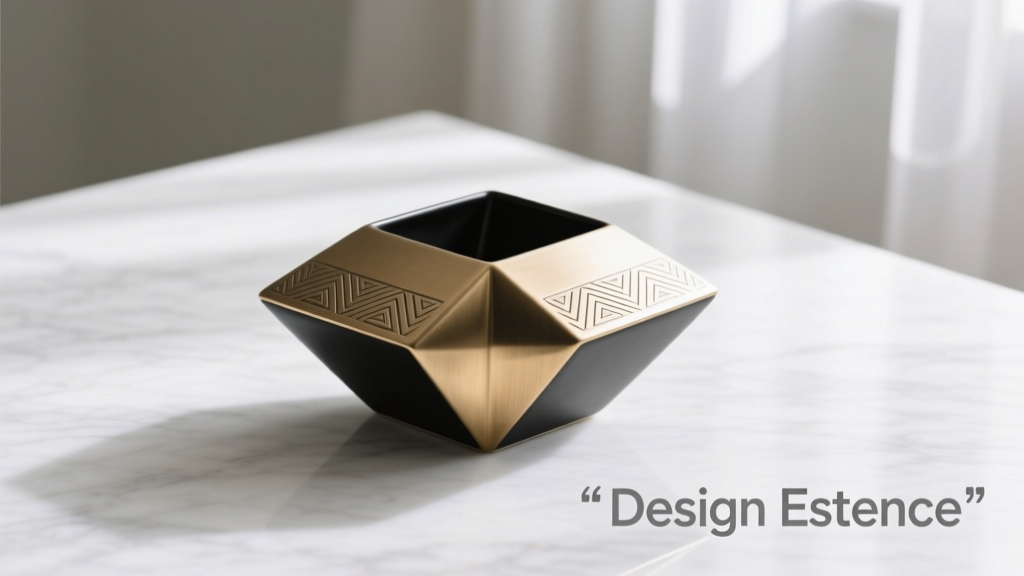
Types of Pet Topu
A pet topu refers to a specialized habitat or substrate medium designed to support the health and well-being of various pets, particularly those in enclosed environments such as terrariums, vivariums, or aquatic setups. These topus types vary by material composition, functional purpose, and suitability for different animal species. Choosing the right pet topu is essential for creating a naturalistic, safe, and stimulating environment that promotes physical and behavioral health in pets.
Water-Based Pet Topu
Ideal for aquatic ecosystems like ponds, water gardens, and paludariums.
Advantages
- Supports healthy oxygen levels in water
- Promotes growth of beneficial aquatic flora
- Safe for fish, amphibians, and invertebrates
- Natural filtration properties
Limitations
- Limited to aquatic or semi-aquatic setups
- Requires regular water quality monitoring
- May encourage algae overgrowth if not balanced
Best for: Aquatic turtles, frogs, fish tanks, and planted water gardens
Crawl Pet Topu
Designed for reptiles, amphibians, and small mammals that thrive in warm, shelter-rich habitats.
Advantages
- Provides natural hiding and burrowing spaces
- Enhances thermal regulation in terrariums
- Encourages natural exploratory behaviors
- Often includes live or artificial vegetation
Limitations
- Requires consistent temperature and humidity control
- May retain moisture, leading to mold if not maintained
- Not suitable for arid-environment species
Best for: Geckos, salamanders, hedgehogs, and tropical reptiles
Soil-Based Pet Topu
The most versatile and widely used type, mimicking natural earth environments.
Advantages
- Naturalistic substrate for digging and foraging
- Supports live plants and root systems
- Biodegradable and eco-friendly options available
- Suitable for a broad range of species
Limitations
- Can compact over time, reducing aeration
- May require replacement or deep cleaning
- Potential for pesticide or fertilizer contamination if not organic
Best for: Small mammals, ground-dwelling birds, insects, and bioactive terrariums
Rock-Based Pet Topu
Engineered for climbing, basking, and structural decoration in enclosures.
Advantages
- Excellent for climbing and basking behaviors
- Durable and long-lasting
- Enhances visual appeal of habitats
- Easy to clean and sanitize
Limitations
- Heavy and may require secure placement
- Hard surface may cause injury if not properly arranged
- Less suitable for burrowing species
Best for: Lizards, snakes, spiders, scorpions, and decorative vivariums
Substrate Pet Topu
Customizable ground cover made from natural or synthetic materials to simulate natural terrain.
Advantages
- Available in various textures (coconut coir, sand, wood chips)
- Tailored to specific species’ needs
- Supports humidity retention or drainage as needed
- Promotes natural digging and nesting behaviors
Limitations
- Some materials may be ingested, posing health risks
- Requires regular monitoring for mold or compaction
- Wood-based substrates may release tannins or oils
Best for: Rodents, insects, terrestrial reptiles, and custom habitat builds
Aerated Pet Topu
Porous, air-rich medium ideal for hydroponic and semi-hydroponic plant integration.
Advantages
- Superior root aeration and oxygen flow
- Prevents root rot in water-based systems
- Lightweight and reusable
- Perfect for bioactive setups with live plants
Limitations
- Not suitable as a primary substrate for animals
- May dry out quickly without moisture management
- Limited nutritional value for plants without supplementation
Best for: Hydroponic terrariums, planted enclosures, and vivariums with integrated flora
| Type | Primary Use | Suitable Pets | Key Benefit | Maintenance Level |
|---|---|---|---|---|
| Water-Based | Aquatic habitats | Fish, turtles, amphibians | Oxygenation & water health | Medium |
| Crawl | Warm, sheltered enclosures | Reptiles, small mammals | Burrowing & hiding support | Medium-High |
| Soil-Based | General terrarium use | Birds, mammals, insects | Natural earth mimicry | Medium |
| Rock-Based | Climbing & basking zones | Lizards, arachnids | Durability & structure | Low |
| Substrate | Custom ground cover | Rodents, reptiles, insects | Texture & moisture control | Medium |
| Aerated | Plant root zones | Plants in pet habitats | Root oxygenation | Low-Medium |
Expert Tip: When selecting a pet topu, always consider your pet’s natural habitat, behavior, and safety. Avoid materials that can be easily ingested or that may harbor harmful bacteria. For bioactive setups, combine soil-based and aerated topus to create a self-sustaining ecosystem.
How to Choose Pet Topu: A Comprehensive Guide for Retailers
Selecting the right pet topu—also known as tank covers, terrarium lids, or aquarium hoods—is a crucial decision for pet supply businesses aiming to ensure both customer satisfaction and animal well-being. These enclosures play a vital role in maintaining a safe, secure, and healthy environment for pets such as fish, reptiles, birds, and small mammals. Making informed choices based on species-specific needs, material safety, design flexibility, and market trends can significantly impact product performance and business profitability.
Key Factors to Consider When Choosing Pet Topu
Pet Species and Habitat Needs
Different animals have unique environmental requirements that must be reflected in the topu design. For example, aquatic pets like tropical fish thrive under waterproof, ventilated lids that prevent evaporation while allowing gas exchange. Reptiles, such as geckos or snakes, often require mesh-covered topus that provide adequate airflow and prevent escape without compromising humidity levels.
Birds and small rodents may benefit from lightweight, secure covers that allow visibility and interaction while preventing access to hazards. Businesses should curate a diverse inventory that includes glass, acrylic, mesh, and hybrid topus tailored to specific habitats—such as planted aquariums, bioactive terrariums, or breeding enclosures. Including natural elements like live plants or hiding spots within compatible topu systems can further enhance pet welfare and appeal to informed customers.
Material Quality and Safety
The materials used in pet topu construction directly affect animal health and long-term durability. Low-quality plastics may warp under heat, leach harmful chemicals, or degrade when exposed to moisture and UV light. In contrast, high-grade acrylic, tempered glass, and powder-coated aluminum offer superior resistance to corrosion, impact, and temperature fluctuations.
Ensure that all materials are non-toxic, BPA-free, and safe for prolonged contact with pets and water. Look for certifications or manufacturer assurances regarding chemical stability and environmental safety. For instance, UV-stabilized mesh prevents degradation in sunlit enclosures, while anti-fog coatings on glass lids improve visibility and reduce condensation buildup. Investing in premium materials not only protects pets but also reduces return rates and strengthens brand trust.
Size and Adaptable Design
Pet topus come in a wide range of sizes and configurations to fit standard and custom enclosures. To meet varied customer demands, retailers should stock options for everything from compact desktop tanks (e.g., 10-gallon aquariums) to large vivariums exceeding 100 gallons. Universal-fit and adjustable-frame designs are particularly valuable for accommodating irregular tank dimensions.
In addition to size, consider features like removable panels, built-in feeding hatches, cable grommets for filters or lights, and tool-free assembly. These design elements enhance usability for pet owners and make maintenance easier. Topus with modular components allow for future upgrades or reconfiguration, increasing their value proposition and customer satisfaction.
Brand Reputation and Customer Reviews
Established brands with a history of innovation and quality control tend to generate higher consumer confidence and repeat purchases. Brands like Zoo Med, Exo Terra, Fluval, and Tetra are recognized for their reliable pet habitat products, including topus engineered for functionality and safety.
Retailers should evaluate user feedback across multiple platforms—such as Amazon, Chewy, and specialized forums—to identify common concerns (e.g., warping, poor ventilation, difficult installation). Positive reviews highlighting ease of use, durability, and pet compatibility serve as strong indicators of product success. Featuring well-reviewed items in prominent displays or online listings can boost conversion rates and reduce post-purchase dissatisfaction.
Seasonal Demand and Market Trends
Consumer interest in certain types of pets—and their associated equipment—fluctuates throughout the year. For example, demand for reptile and amphibian habitats typically rises during spring and summer months, coinciding with warmer weather and increased outdoor activity. Back-to-school periods often see spikes in classroom pet setups, driving sales of small animal and fish tank accessories.
Holidays like Easter (baby chicks, bunnies) or Christmas (gifted pets) also influence buying patterns. Retailers can capitalize on these trends by planning inventory cycles, offering seasonal bundles (e.g., “Reptile Starter Kit” with topu, heat lamp, and substrate), and launching targeted marketing campaigns. Staying informed about emerging pet ownership trends—such as the growing popularity of bioactive enclosures or nano aquariums—can further position your store as a forward-thinking destination.
Price, Profitability, and Bulk Sourcing
While competitive pricing is essential, it should not come at the expense of product quality or safety. Striking the right balance between cost and value ensures healthy profit margins while maintaining customer trust. Evaluate suppliers based on pricing tiers, minimum order quantities, and discount structures for bulk purchases.
Consider carrying a tiered product lineup: budget-friendly options for entry-level customers, mid-range models for general use, and premium products for enthusiasts. This strategy allows you to serve a broader market while optimizing inventory turnover. Additionally, monitor competitor pricing and leverage supplier relationships to negotiate exclusive deals or co-branded promotions that enhance profitability without undercutting brand integrity.
| Critera | Why It Matters | Best Practices for Retailers |
|---|---|---|
| Species Compatibility | Ensures proper ventilation, humidity, and security for specific pets | Stock species-specific topus (e.g., mesh for reptiles, glass for fish) |
| Material Safety | Prevents toxicity, warping, and degradation over time | Choose BPA-free, UV-resistant, and non-corrosive materials |
| Adjustable Fit | Accommodates various tank sizes and shapes | Offer universal or customizable frame designs |
| Customer Reviews | Reflects real-world performance and satisfaction | Prioritize products with consistent 4+ star ratings |
| Seasonal Planning | Aligns inventory with peak buying periods | Prepare reptile and small pet lines for spring/summer |
| Profit Margin | Impacts overall business sustainability | Negotiate bulk discounts and offer tiered pricing |
Recommended Features to Look for in High-Quality Pet Topu
Important: Always verify that pet topus comply with safety standards and are free from sharp edges, toxic finishes, or unstable components. Incorrectly sized or poorly constructed covers can lead to escaped animals, overheating, or water damage. Educate staff and customers on proper selection and installation to minimize risks and maximize product lifespan.
Benefits of Pet Substrate (Pet Topu)
Choosing the right pet substrate—commonly referred to as "pet topu"—is essential for creating a healthy, enriching, and species-appropriate environment for animals in homes, aquariums, terrariums, and avian enclosures. The proper substrate goes beyond aesthetics; it plays a vital role in physical health, psychological well-being, and natural behavior expression. Below are the key benefits of using high-quality, species-specific pet substrates.
1. Comfort and Natural Belonging FeelingProviding pets with a substrate that closely mimics their natural habitat significantly enhances their sense of comfort and security. Animals are instinctively drawn to environments that resemble their wild origins, which helps reduce stress and anxiety.
For example, birds thrive in enclosures with naturalistic substrates containing twigs, dried leaves, and soft organic matter that allow for foraging and nesting behaviors. Similarly, reptiles such as bearded dragons or leopard geckos benefit from sand, coconut fiber, or bioactive soil that supports burrowing and thermoregulation.
Key Insight: A well-designed substrate environment fosters emotional stability and promotes species-specific behaviors, leading to happier, healthier pets.
2. Enhances Physical ActivitySubstrates that incorporate textured surfaces, climbing elements, or diggable materials encourage pets to move, explore, and interact with their surroundings. Crawl-through tunnels, rock formations, and layered soil encourage natural movement patterns such as digging, climbing, and scratching.
This physical engagement is crucial for maintaining muscle tone, joint health, and overall fitness—especially in captive animals that may otherwise lead sedentary lifestyles. For instance, hamsters and chinchillas stay active when provided with deep bedding for tunneling, while aquatic turtles enjoy gravel or sand they can walk on.
Health Benefit: Active exploration helps prevent obesity and related health issues, contributing to a longer, more vibrant life.
3. Supports Proper Nutrition and HydrationMany substrates are designed not only for comfort but also to contribute directly to a pet’s nutritional and hydration needs. Certain bioactive substrates contain edible plants, microfauna, or decomposed organic matter that pets can safely consume.
In terrariums, live plants grown in nutrient-rich soil provide supplemental greens for herbivorous reptiles. In aquariums, aquatic plants like Java moss or Anubias serve as both shelter and a source of micro-nutrients for fish and invertebrates. Some substrates also retain moisture effectively, helping to maintain optimal humidity levels and support hydration—critical for amphibians and tropical species.
Pro Tip: Choose edible, non-toxic substrates for species known to ingest material during feeding or exploration.
4. Improves Mental Stimulation and Behavioral Well-BeingA thoughtfully layered substrate with hiding spots, plants, tunnels, and variable textures provides continuous mental stimulation. Pets that can dig, burrow, forage, or rearrange their environment are less likely to develop boredom-related behaviors such as pacing, over-grooming, or aggression.
Mental engagement through environmental interaction supports cognitive development and emotional balance. For example, cats may enjoy soil-like substrates in indoor grass planters, while small mammals benefit from complex bedding setups that encourage problem-solving and exploration.
Behavioral Advantage: Enriched substrates help prevent stereotypic behaviors and promote natural instincts, leading to better psychological health.
5. Promotes Sustainability and Ecosystem BalanceEco-conscious pet owners increasingly seek sustainable substrates made from renewable, recycled, or upcycled materials. Many modern pet substrates are crafted from agricultural byproducts (like coconut husk, rice hulls, or bamboo fiber), reducing waste and minimizing environmental impact.
Bioactive substrates go a step further by creating mini-ecosystems within enclosures. These self-sustaining systems include beneficial microorganisms and cleanup crews (e.g., springtails and isopods) that break down waste, aerate soil, and maintain hygiene—mimicking natural decomposition cycles.
Sustainability Note: Choosing eco-friendly substrates supports broader environmental goals while providing a healthier, more natural habitat for pets.
Expert Recommendation: Always match the substrate type to your pet’s species, size, age, and behavior. Avoid overly dusty, chemically treated, or indigestible materials. For best results, combine functional substrates with environmental enrichment elements like hides, climbing branches, and live plants to maximize health and happiness.
| Pet Type | Recommended Substrate | Key Benefits | Sustainability Level |
|---|---|---|---|
| Reptiles (e.g., geckos, snakes) | Coconut fiber, bioactive soil | Moisture retention, burrowing support, low dust | High (organic, renewable) |
| Birds (e.g., parrots, finches) | Natural wood chips, paper-based bedding | Foraging stimulation, waste absorption | Medium-High (recyclable options) |
| Aquatic Fish & Turtles | Inert gravel, planted aquarium soil | Plant growth, water filtration, natural aesthetics | Medium (reusable, long-lasting) |
| Small Mammals (e.g., hamsters) | Paper-based or aspen shavings | Diggability, odor control, safety if ingested | Medium (avoid pine/cedar) |
Additional Considerations When Choosing Pet Substrate
- Hygiene & Maintenance: Select substrates that are easy to clean or replace regularly to prevent bacterial growth and odor buildup.
- Allergen & Dust Levels: Low-dust options are essential for pets with respiratory sensitivities.
- Drainage & Moisture Control: Proper water retention or drainage prevents mold and maintains ideal humidity.
- Non-Toxic Composition: Ensure the substrate contains no dyes, chemicals, or sharp particles.
- Lifespan & Replacement Frequency: Durable substrates like slate or ceramic tiles offer long-term value, while organic options may need more frequent changes.
DIY Pet Topu Construction Guide: Build a Safe & Natural Habitat
Creating a DIY pet topu (terrarium or habitat enclosure) is a rewarding and creative project for pet owners, hobbyists, and nature enthusiasts. Whether you're housing reptiles, amphibians, fish, or small mammals, a well-designed topu mimics the animal’s natural environment, promoting health, activity, and longevity. This comprehensive guide covers the construction of four popular types of pet topus: aquatic, crawl (terrestrial), soil-based, and rock-based. Each section includes material recommendations, safety tips, and expert advice to ensure your habitat is both functional and enriching.
Safety & Environmental Warning: Always use non-toxic, natural, or aquarium-safe materials. Avoid paints, treated wood, or adhesives that may leach harmful chemicals. Ensure all structures are stable to prevent collapse, especially in enclosures with climbing animals.
Types of DIY Pet Topus and Construction Techniques
- Aquatic Pet Topu
Designing a water-based habitat requires careful attention to water quality, structural stability, and ecological balance. The goal is to create a safe, stimulating environment where aquatic pets—such as fish, shrimp, or frogs—can explore, hide, and thrive.
- Use heavy, non-porous natural stones (e.g., lava rock, slate) that sink and won’t leach minerals into the water
- Incorporate live aquatic plants like Anubias and Java Fern, which are hardy and thrive in low-light conditions
- Secure plants to rocks using nylon mesh or fishing line, or attach them directly with aquarium-safe epoxy or cyanoacrylate (super glue) that cures underwater
- Create caves and shaded zones by stacking stones securely to form crevices and overhangs
- Ensure water circulation is not obstructed and that there are open swimming areas between structures
- Rinse all materials thoroughly before submerging to remove dust and contaminants
Pro Tip: Test the pH and hardness of your water after adding new rocks. Some stones (like limestone) can alter water chemistry, which may be harmful to sensitive species.
- Crawl Pet Topu (Terrestrial Habitat)
Ideal for reptiles, amphibians, or small mammals that enjoy climbing and exploring, a crawl topu should simulate a forest floor or rocky terrain with vertical elements and temperature gradients.
- Use flat rocks, shale, or slate to create basking platforms near heat lamps or under UVB lighting
- Incorporate driftwood, cork bark, or natural branches to build climbing structures and tunnels
- Arrange mid-level branches or twigs to form dense thickets, offering hiding spots and environmental enrichment
- Include designated heat zones and cooler retreats to allow thermoregulation
- Maintain open floor areas for movement and feeding, avoiding overcrowding with décor
- Ensure all wood is dried, pesticide-free, and free of mold or sharp edges
Expert Tip: Anchor climbing structures securely—use silicone sealant or rock bases to prevent collapse. Never stack wood or rocks precariously where pets could get trapped.
- Soil-Based Pet Topu
Perfect for burrowing animals, insects, or plant-heavy vivariums, a soil-based topu supports root growth, moisture retention, and natural behaviors like digging and foraging.
- Choose a wide, shallow container to prevent excessive moisture buildup and allow for proper air circulation
- Use a substrate mix of topsoil (chemical-free), coconut coir, and sand in a 2:1:1 ratio for optimal drainage and moisture balance
- Sterilize soil if using garden dirt to eliminate pests, fungi, or weed seeds
- Install hides, cork tubes, or hollow logs before adding soil to prevent burial and ensure accessibility
- Add live plants such as pothos, ferns, or fittonia to enhance humidity and aesthetics
- Layer the base with drainage materials like hydroton or gravel if high humidity is required
Design Tip: Create a slight slope in the substrate to allow animals to choose between moist and drier zones, mimicking natural microhabitats.
- Rock-Based Pet Topu
A rock-centric enclosure is ideal for reptiles like bearded dragons, geckos, or tortoises that enjoy basking and exploring rugged terrain. Stability and safety are paramount in this design.
- Use only natural, non-toxic rocks such as slate, granite, or river stones—avoid limestone or coral rock in non-marine setups
- Stack flat rocks to create terraced levels, basking spots, and exploration zones
- Build small hills or ramps using smaller stones to fill gaps and provide climbing variety
- Secure loose rocks with aquarium-safe silicone or by interlocking them with smaller stabilizing stones
- Never use cement, epoxy, or superglue inside the enclosure—pets may lick or ingest residues, leading to poisoning
- Smooth any sharp edges with a file to prevent injury to delicate skin or feet
Safety Reminder: Always perform a "wobble test" on rock structures. If they move when gently pushed, they’re not safe for pets.
| Habitat Type | Recommended Materials | Avoid Using | Best For |
|---|---|---|---|
| Aquatic Topu | Natural stones, live plants, fishing line, aquarium-safe glue | Treated wood, painted rocks, plastic plants with sharp edges | Fish, shrimp, aquatic frogs |
| Crawl Topu | Driftwood, cork bark, slate, UVB lighting | Pressure-treated lumber, toxic glues, unstable stacks | Geckos, chameleons, tree frogs |
| Soil-Based Topu | Coconut coir, topsoil, sand, live plants | Pesticide-treated soil, clay-based cat litter | Burrowing insects, dart frogs, isopods |
| Rock-Based Topu | Granite, slate, river stones, silicone sealant | Cement, epoxy, sharp or unstable rocks | Bearded dragons, tortoises, uromastyx |
Final Recommendation: After building your pet topu, monitor your animal’s behavior for the first few days. Look for signs of stress, difficulty moving, or lack of use of hiding spots. Adjust layout and décor as needed to improve comfort and usability.
Ongoing Maintenance Tips
- Clean and inspect the topu weekly to remove waste, mold, or damaged materials
- Replace substrate every 3–6 months depending on bio-load and moisture levels
- Check structural integrity of all décor regularly, especially after handling or animal activity
- Research your pet’s specific environmental needs—temperature, humidity, lighting—before finalizing the design
- Consider adding a drainage layer and false bottom for long-term moisture control in humid habitats
Building a DIY pet topu is more than a craft project—it’s an investment in your pet’s well-being. With thoughtful planning and safe materials, you can create a dynamic, naturalistic environment that encourages instinctual behaviors and enhances quality of life. Whether you're designing a lush jungle terrarium or a minimalist rock desert, always prioritize safety, stability, and species-specific needs.
Frequently Asked Questions About Pet Topu
Q. What is pet topu made from?A. Pet topus are carefully constructed using a variety of natural and safe materials designed to mimic the animals’ native environments. The composition varies depending on the type of pet topu:
- Soil-Based Pet Topus: Typically made from a blend of topsoil, fine sand, and coconut coir. These substrates retain moisture well and support burrowing behaviors in reptiles and amphibians.
- Water-Based Pet Topus: Incorporate smooth rocks, fresh aquatic plants like water wisteria and Elodea, and sometimes live mosses. These elements help oxygenate the water and provide shelter for fish and aquatic invertebrates.
- Crawl-Based Pet Topus: Feature natural decor such as driftwood, flat stones, terracotta hides, and cork bark. These structures encourage climbing, hiding, and exploration—ideal for reptiles and small mammals.
- Substrate-Focused Pet Topus: Utilize layered materials including coconut coir, sand, topsoil, and pea gravel to create depth and texture, promoting natural digging and tunneling behaviors.
All materials used should be non-toxic, aquarium-safe, and free from sharp edges or chemical treatments to ensure the health and safety of your pets.
Q. What is the use of pet topu?A. Pet topu plays a vital role in enhancing the physical and psychological well-being of animals housed in controlled environments such as aquariums, terrariums, vivariums, and paludariums. Its primary functions include:
- Environmental Enrichment: Provides hiding spots, climbing structures, and interactive zones that stimulate natural behaviors like foraging, burrowing, and exploring.
- Stress Reduction: Offers secure retreats where animals can feel safe from perceived threats, reducing anxiety and promoting healthier activity patterns.
- Natural Habitat Simulation: Replicates ecosystems found in the wild—whether tropical forests, desert landscapes, or freshwater habitats—allowing pets to behave more authentically.
- Social and Behavioral Interaction: Creates shaded areas and multi-level zones where animals can interact with each other or establish territories, especially important in community enclosures.
- Aesthetic Enhancement: Improves the visual appeal of the enclosure while supporting plant growth and water filtration in bioactive setups.
By integrating pet topu into your habitat design, you're not just decorating—you're fostering a more dynamic, engaging, and biologically appropriate environment for your pets.
Q. How long will pet topu last?A. The longevity of pet topu depends on several factors including the materials used, the species inhabiting the enclosure, and the level of maintenance provided. Here's a breakdown by type:
| Type of Pet Topu | Lifespan | Factors Affecting Durability |
|---|---|---|
| Water-Based | 6–10 years | Subject to algae buildup, plant decay, and water chemistry; regular cleaning extends life. |
| Soil-Based | Indefinitely (with maintenance) | Degrades slowly; benefits from periodic replenishment of organic matter and microbial balance. |
| Crawl-Based | Indefinitely (if made with durable materials) | Driftwood and stone last decades; terracotta may erode over time in high-moisture environments. |
| Substrate-Focused | 3–7 years (depending on usage) | Frequent digging or burrowing accelerates wear; partial replacement may be needed. |
With proper care—such as routine inspections, cleaning, and timely replacement of degraded components—many pet topus can exceed their expected lifespan and continue supporting a healthy, thriving habitat.
Q. How do I care for my pet topu?A. Proper care ensures your pet topu remains functional, safe, and beneficial for your animals. Maintenance varies by type but generally includes stability checks, material upkeep, and hygiene practices:
- Water-Based Pet Topu:
- Perform regular water changes and use a gravel vacuum to remove debris.
- Maintain proper water flow and filtration to prevent stagnation and biofilm buildup.
- Use dechlorinated, treated water when refilling or constructing new setups.
- Trim aquatic plants as needed and remove decaying matter promptly.
- Soil-Based & Crawl-Based Pet Topu:
- Encourage natural behaviors like digging and climbing to maintain ecosystem balance.
- Spot-clean waste daily and replace soiled substrate areas weekly.
- Disinfect hard surfaces (rocks, hides, wood) during full enclosure cleanings using pet-safe methods.
- Replenish coconut coir or topsoil every 6–12 months to maintain moisture retention and nutrient levels.
- Inspect for mold, pests, or structural instability regularly.
- General Tips:
- Avoid harsh chemicals; opt for vinegar solutions or reptile-safe disinfectants.
- Monitor pet behavior—if they avoid certain areas, it may indicate discomfort or poor topu condition.
- Update or reconfigure the layout periodically to prevent boredom and stimulate exploration.
By maintaining a clean, stable, and enriching pet topu, you contribute significantly to your pet’s long-term health, happiness, and natural behavior expression.









