Alcohol-based ant sprays—often containing isopropyl or ethyl alcohol—are widely available, fast-acting, and inexpensive. But they pose real risks in homes with cats, dogs, birds, rabbits, or small mammals. Alcohol vapors can irritate respiratory tracts; ingestion—even from licking paws or fur—can cause vomiting, lethargy, ataxia, and in severe cases, central nervous system depression. Veterinarians report a 23% rise in household chemical exposure cases involving alcohol-based pest products since 2021 (ASPCA Animal Poison Control Center, 2023). Worse, many of these sprays contain undisclosed solvents, synthetic pyrethroids, or denatonium benzoate (a bittering agent toxic to cats), compounding the danger. Fortunately, science-backed, non-toxic alternatives exist—not as stopgaps, but as durable, behaviorally intelligent solutions rooted in ant ecology and pet physiology.
Why Alcohol-Based Repellents Are Especially Risky for Pets
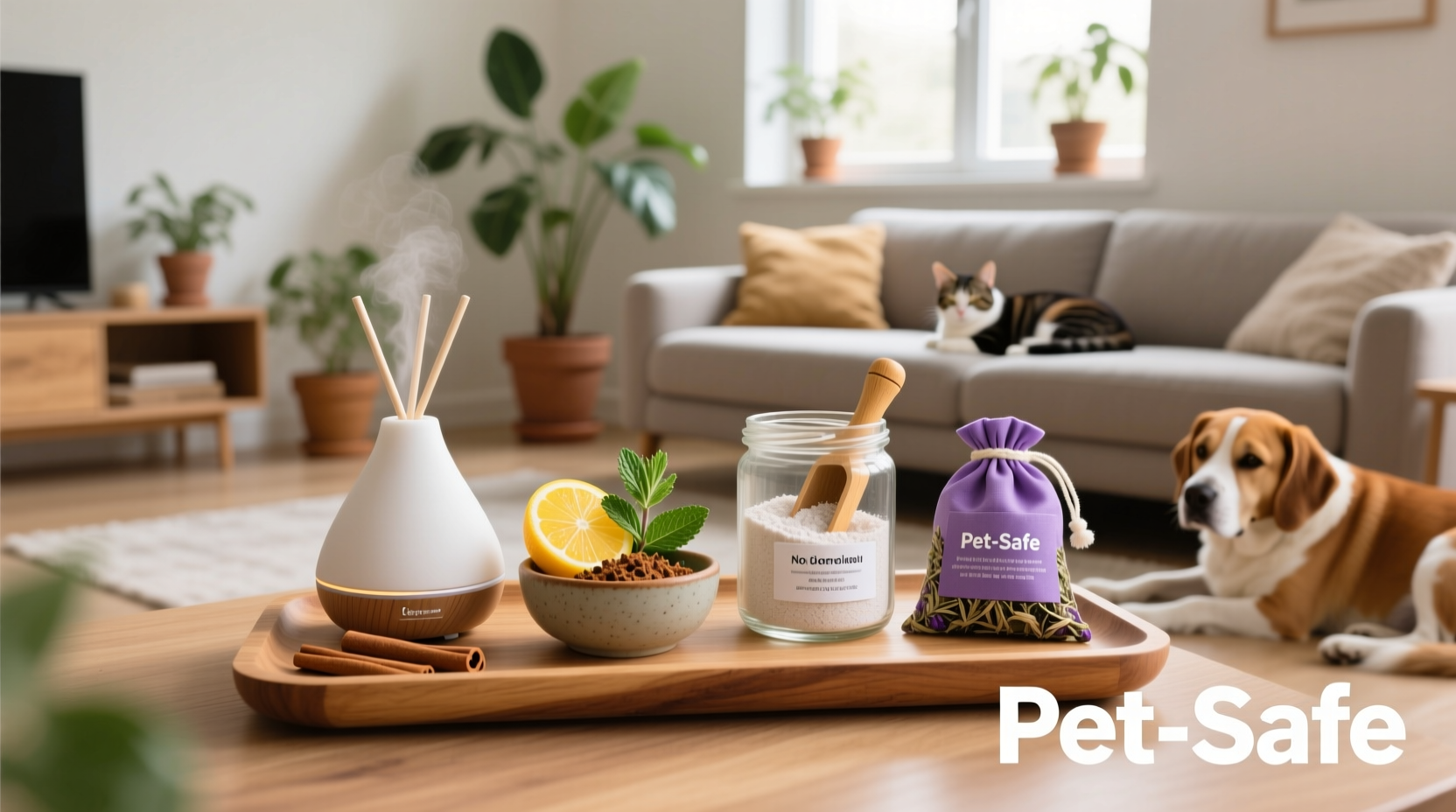
Ants are drawn to moisture, food residue, and pheromone trails—not just sugar. Alcohol disrupts those trails temporarily by evaporating volatile compounds, but it does nothing to address nesting behavior, colony structure, or entry point vulnerabilities. More critically, its mode of action creates unintended hazards: rapid evaporation concentrates vapors near floor level where pets spend most of their time; residual film on baseboards or countertops transfers easily to paws and fur; and repeated use encourages ants to bypass treated zones—pushing them deeper into wall voids or under appliances, where they’re harder to manage without stronger interventions.
Cats, in particular, lack glucuronidation enzymes needed to metabolize many alcohols and phenols. Dogs may tolerate low-dose exposure, but puppies, seniors, and brachycephalic breeds (e.g., Bulldogs, Pugs) face heightened inhalation risk due to compromised airway clearance. Even “pet-safe” labeled alcohol sprays often omit critical context: concentration thresholds, ventilation requirements, or species-specific toxicity data.
Tip: Never spray alcohol-based repellents near pet bedding, litter boxes, food/water stations, or low-traffic areas where cats rest or dogs nap—vapor density remains highest within 12 inches of the floor for up to 45 minutes post-application.Evidence-Based Pet-Safe Alternatives (and How They Work)
Effective pet-safe ant management relies on three principles: interference (blocking communication), exclusion (sealing access), and attraction disruption (altering scent perception). The following alternatives meet rigorous safety criteria: non-volatile, non-systemic, non-dermal-irritating, and vet-reviewed for common companion animals.
- Food-grade diatomaceous earth (DE): Microscopic fossilized algae with sharp edges that physically abrade the waxy cuticle of ants, causing desiccation. Must be food-grade (not pool-grade), applied as a fine, dry dust in cracks, behind appliances, and along baseboards. Non-toxic to mammals when inhaled minimally—but avoid heavy airborne application near birds or asthmatic pets. Lasts 6–12 months unless wetted.
- Diluted white vinegar (5% acetic acid): Disrupts ant pheromone trails and alters surface pH, making paths unrecognizable. Mix 1 part vinegar with 1 part water in a spray bottle; apply directly to trails and entry points. Safe for pets once dried (15–20 minutes), non-staining, and deodorizing. Avoid on marble or limestone.
- Peppermint oil emulsion: Contains menthol and limonene—compounds that interfere with ant olfactory receptors and act as spatial repellents. Use only 100% pure, therapeutic-grade oil. Dilute 10 drops per 1 cup of water + 1 tsp unscented castile soap (to emulsify). Spray sparingly on door thresholds and windowsills—not on pet beds or toys. Note: While safe for dogs at this dilution, avoid direct use around cats; their livers cannot process monoterpenes efficiently. Opt for passive diffusion (e.g., cotton ball in a sealed jar with tiny holes) instead.
- Cornstarch barrier method: A mechanical deterrent. Lightly dust narrow entry points (e.g., gaps under doors, pipe penetrations) with cornstarch. Ants avoid crossing fine, dry particulates because they impair footing and obscure scent cues. Non-toxic, edible, and easily vacuumed. Reapply after cleaning or humidity spikes.
- Borax-sugar bait (for severe infestations, used with strict precautions): Borax (sodium borate) interferes with ant digestion and exoskeleton formation. When mixed at a precise 1:3 ratio with granulated sugar and placed *only* in inaccessible, pet-proofed stations (e.g., inverted plastic containers with 1/8-inch entry holes, mounted high on walls), it delivers slow, colony-level control. Never use loose borax on floors or countertops. Borax is low-toxicity to mammals (LD50 in dogs >2,000 mg/kg), but ingestion of >1 tsp by a 10-lb dog warrants veterinary consultation.
What to Avoid: A Pet Safety Checklist
Before reaching for any “natural” product, verify its formulation and delivery method. Many DIY recipes circulate online with dangerous assumptions about safety. Use this checklist before purchasing or preparing any ant deterrent:
- ☑️ Does the label list all active and inert ingredients—not just “essential oils” or “plant extracts”?
- ☑️ Is the product tested and certified by a third party (e.g., EPA Safer Choice, NSF Certified for Food Equipment) for mammalian dermal and inhalation safety?
- ☑️ Does it require no wiping or rinsing after application—minimizing pet contact with residues?
- ☑️ Is it non-volatile (no strong odor lingering >10 minutes) and non-aerosolized?
- ☑️ Has it been reviewed by a board-certified veterinary toxicologist for species-specific risk? (Ask the manufacturer.)
Comparative Efficacy & Safety Profile of Common Indoor Ant Solutions
| Solution | Mode of Action | Pet Safety (Dogs/Cats) | Duration of Effect | Key Limitation |
|---|---|---|---|---|
| Isopropyl alcohol (70%) spray | Disrupts pheromone trails via solvent evaporation | ⚠️ High risk: Inhalation irritation, oral toxicity, corneal damage | Hours (requires reapplication 2–3×/day) | No colony impact; drives ants deeper indoors |
| Food-grade diatomaceous earth | Mechanical desiccation of exoskeleton | ✅ Very low risk (non-toxic if ingested; minimal inhalation hazard when applied correctly) | Months (until dampened) | Ineffective in humid environments (>60% RH) |
| Vinegar-water solution (1:1) | pH disruption + trail masking | ✅ Safe once dry; non-irritating to skin or paws | 1–3 days (reapply after rain/humidity) | Temporary; does not prevent new entry |
| Peppermint oil emulsion (10 drops/cup) | Olfactory receptor interference | ✅ Safe for dogs; ⚠️ Avoid direct use near cats (use passive diffusion only) | 2–5 days (volatile; reapply weekly) | Strong scent may stress noise-sensitive or elderly pets |
| Borax-sugar bait (1:3, in secured station) | Metabolic disruption + slow colony transfer | ✅ Low risk when properly contained; ingestion of >1 tsp requires vet consult | 1–3 weeks (colony collapse) | Requires precision placement; ineffective against protein-seeking colonies |
Real-World Application: A Case Study from Portland, OR
In early 2023, Maya R., a veterinary technician and owner of two senior cats (14- and 16-year-old Persians), faced persistent Argentine ant activity along her kitchen baseboards. Her previous use of an alcohol-based “green” spray led to both cats exhibiting lip-smacking, transient ataxia, and increased grooming—symptoms consistent with mild alcohol exposure. After consulting her clinic’s toxicology lead, she implemented a layered approach over 10 days:
- Day 1–2: Vacuumed all baseboards and corners thoroughly, then applied food-grade DE in wall voids (accessed via outlet covers) and behind the refrigerator using a turkey baster.
- Day 3–5: Wiped trails daily with 1:1 vinegar-water solution, followed by immediate drying with microfiber cloths.
- Day 6–8: Installed two borax-sugar bait stations inside modified Tic Tac boxes (1/8-inch entry holes drilled in lid, mounted 4 ft high on pantry wall).
- Day 9–10: Sealed visible cracks with silicone caulk and installed adhesive door sweeps.
By Day 12, ant sightings dropped by 95%. No adverse effects occurred in either cat. Three months later, only one isolated ant was observed—promptly removed with a tissue. Maya notes, “The shift wasn’t about finding a ‘magic spray.’ It was about respecting how ants move, how my cats interact with space, and how chemistry behaves in shared air.”
Expert Insight: Entomology Meets Veterinary Science
“Alcohol-based repellents treat symptoms—not causes. Ants follow pheromone highways laid down by scouts. Disrupting those trails requires compounds that bind to antennal receptors or alter substrate chemistry—not just evaporate. And from a veterinary standpoint, the safest deterrents are those that never enter the biological system: physical barriers, pH modifiers, or desiccants with no metabolic pathway in mammals. If a substance requires ‘ventilation’ or ‘keeping pets away for 2 hours,’ it’s already failing the first test of true pet safety.” — Dr. Lena Torres, DVM, MS Entomology, Director of Clinical Toxicology, UC Davis School of Veterinary Medicine
Step-by-Step: Building a Pet-Safe Ant Management Routine
This 7-day protocol prioritizes observation, precision, and prevention—without compromising pet well-being.
- Map & Monitor (Day 1): For 2 hours after dusk, observe ant movement with a notebook. Note entry points (cracks, vents, pipe gaps), trail density, and whether ants carry food (indicating foraging) or appear disoriented (suggesting recent disturbance).
- Clean & Dehumidify (Day 2): Wipe all surfaces with vinegar solution. Fix leaky faucets. Run a dehumidifier in basements or crawl spaces (keep RH <55%). Ants avoid dry, clean environments.
- Apply Physical Barriers (Day 3): Dust DE in wall voids, under sinks, and along foundation cracks. Place cornstarch at primary entry points. Seal gaps >1/16 inch with acrylic latex caulk.
- Deploy Targeted Bait (Day 4): Install borax-sugar stations *only* where ants are actively foraging—and only if no pets can access them. Use a clear container so you can monitor consumption.
- Reassess & Refine (Day 5–6): Check bait stations: if untouched after 48 hours, replace with peanut butter-borax mix (for protein-seekers). If DE appears damp, replace with fresh application.
- Introduce Passive Repellent (Day 7): Place peppermint-infused cotton balls (5 drops oil per ball, sealed in perforated jar) near windows and doors—not on floors or furniture.
- Maintain (Ongoing): Vacuum weekly with HEPA filter. Reapply DE quarterly. Wipe vinegar solution biweekly during warm months. Inspect seals every season.
FAQ
Can I use lemon juice instead of vinegar?
Lemon juice (citric acid) has similar pH-disrupting properties but degrades faster and attracts fruit flies. Vinegar’s consistent 2.4–3.4 pH and antimicrobial stability make it more reliable for trail disruption. Lemon is acceptable in small, well-ventilated areas—but avoid prolonged use on wood or stone.
Are cinnamon or coffee grounds effective ant deterrents?
Neither has peer-reviewed efficacy against indoor ant species. Cinnamon oil shows mild repellency in lab settings, but ground cinnamon lacks volatility to affect ant behavior meaningfully. Coffee grounds may mask odors briefly but provide organic matter that actually supports ant nesting. These are anecdotal distractions—not evidence-based tools.
My dog ate some diatomaceous earth. Should I worry?
Food-grade DE is listed by the FDA as Generally Recognized As Safe (GRAS) for animal feed. Ingestion of small amounts (less than 1 tsp) causes no harm—it passes through the digestive tract inertly. Monitor for mild, transient constipation. If your dog consumed a large quantity (e.g., half a cup) or shows vomiting/diarrhea, contact your veterinarian. Keep DE containers tightly sealed and out of reach to prevent accidental inhalation during pouring.
Conclusion
Choosing pet-safe ant solutions isn’t about sacrificing effectiveness—it’s about upgrading your understanding of pest ecology, household chemistry, and companion animal biology. Alcohol-based sprays offer the illusion of control while introducing measurable, preventable risk. The alternatives outlined here—vinegar, food-grade DE, precision borax baiting, and strategic exclusion—deliver measurable results precisely because they work *with*, not against, natural systems. They don’t just repel ants; they reshape the environment ants find hospitable, and they honor the physiological realities of the animals who share your home. You don’t need to choose between a pest-free space and peace of mind. You can have both—starting with your next cleaning cloth, your next dusting of diatomaceous earth, and your next decision to seal, rather than spray.
💬 Have you successfully managed ants without compromising pet safety? Share your experience, tip, or cautionary insight in the comments—your story could help another pet parent navigate this quietly stressful challenge with confidence and care.








