For small dog owners, every walk is more than just exercise—it's a chance to bond, explore, and keep their companion healthy. But choosing the right walking gear isn’t as simple as it seems. The debate between using a collar versus a harness often comes down to safety, comfort, and long-term health. While collars have been the traditional choice, growing evidence suggests that harnesses may offer superior protection—especially for smaller breeds prone to tracheal collapse, neck injuries, and joint strain. Understanding the physiological and behavioral implications of each option can help you make a smarter, safer decision for your dog.
Anatomy Matters: Why Small Dogs Are Different
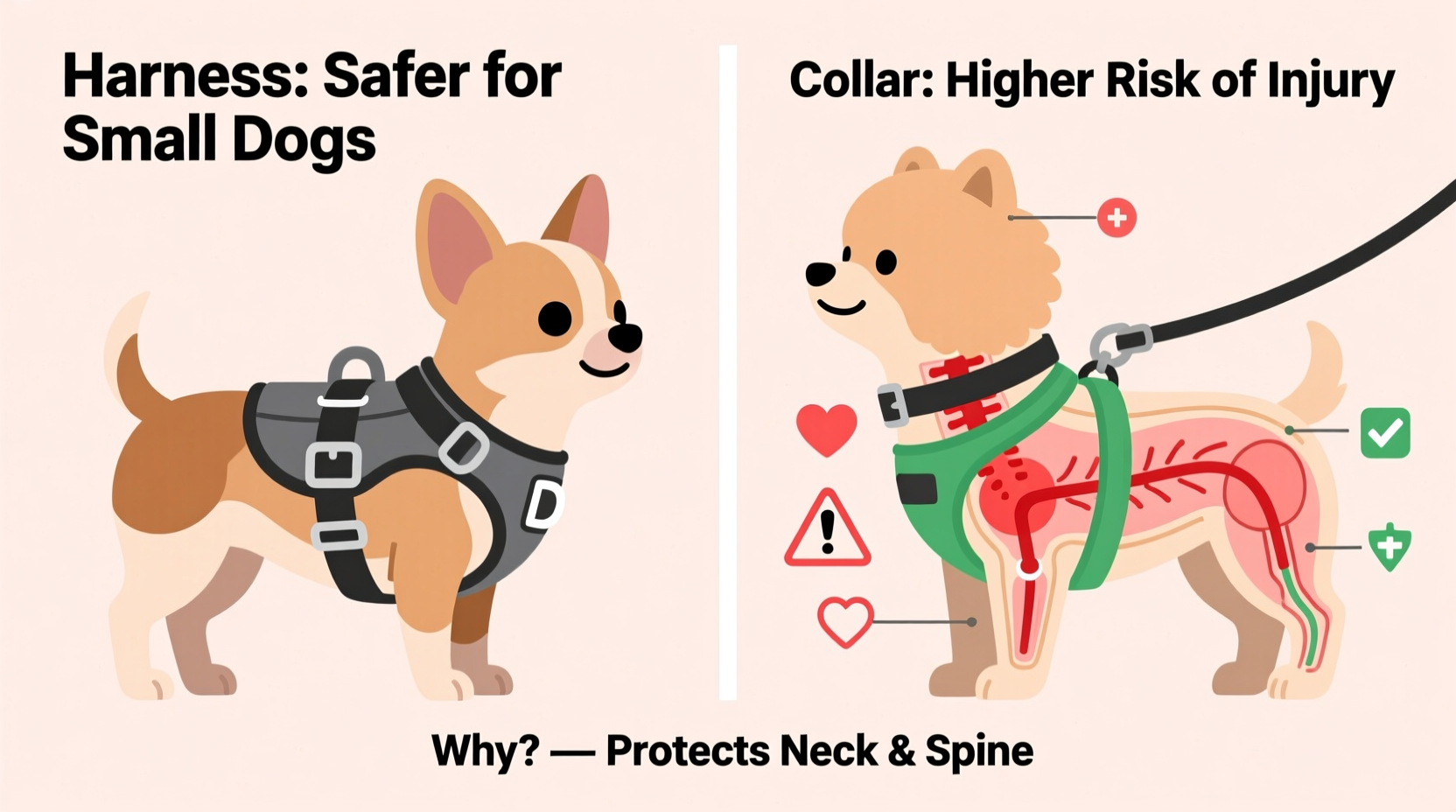
Small dog breeds—such as Chihuahuas, Pomeranians, Yorkshire Terriers, and Pugs—have unique anatomical features that influence how they respond to pressure on their necks. Their windpipes are narrower and more delicate than those of larger dogs, making them especially vulnerable to tracheal damage. Even light tugging on a leash attached to a collar can compress the trachea, leading to coughing, breathing difficulties, or chronic conditions like collapsed trachea—a painful and potentially life-threatening issue common in toy breeds.
In addition, many small dogs have pre-existing conditions such as luxating patellas (kneecap dislocation) or spinal issues, particularly in breeds with elongated backs like Dachshunds. Sudden jerks from a collar can exacerbate these problems by creating torque through the spine. A harness distributes force across the chest and shoulders, minimizing stress on sensitive areas and allowing for more controlled movement.
“Small dogs are not just miniature versions of large dogs—they have distinct biomechanics. Applying pressure to their necks during walks is like asking a human to carry weight around their throat.” — Dr. Lena Patel, Veterinary Behaviorist and Canine Rehabilitation Specialist
Collar vs. Harness: A Direct Comparison
To understand the risks and benefits of each option, let’s compare key factors side by side.
| Feature | Collar | Harness |
|---|---|---|
| Pressure Distribution | Concentrated on neck and trachea | Distributed across chest and shoulders |
| Risk of Tracheal Injury | High, especially with pulling | Low when properly fitted |
| Escape Risk | Moderate to high (slip-out risk) | Low (especially with front-clip designs) |
| Control During Walks | Limited; encourages pulling | Better steering and redirection |
| Comfort Over Time | Can cause chafing or irritation | Generally higher comfort if adjusted well |
| Ease of Use | Quick to put on/take off | Slightly more time required |
| Ideal For | ID tags, short indoor use | Daily walks, training, outdoor activity |
The data clearly shows that while collars serve functional purposes—like holding ID tags—they fall short in safety during active walking. Harnesses, particularly those designed with structural support and ergonomic fit, outperform collars in nearly every category related to physical well-being.
Tip: Always remove your dog’s collar at night or when unsupervised to prevent skin irritation and reduce the risk of entanglement.Types of Harnesses: Which One Is Best?
Not all harnesses are created equal. Some poorly designed models can still cause discomfort or restrict movement. Here are the most common types and their pros and cons:
- Back-Clip Harness: Leash attaches between the shoulder blades. Offers good control but may encourage pulling since dogs can lean forward without resistance.
- Front-Clip Harness: Leash connects at the chest. Redirects the dog when they pull, naturally discouraging forward momentum. Ideal for training and reactive dogs.
- Dual-Clip Harness: Features attachment points on both back and front. Allows flexibility—you can switch based on behavior or environment.
- Vest-Style Harness: Covers more surface area and distributes weight evenly. Often padded for comfort, great for dogs with sensitivities or recovering from injury.
For small dogs, front-clip or dual-clip harnesses are generally recommended because they promote better posture and reduce strain. Look for models with adjustable straps, breathable mesh, and reflective stitching for visibility during evening walks.
Real Example: How a Harness Changed Bella’s Walks
Bella, a 4-year-old Pomeranian owned by Sarah in Portland, used to cough after every walk. Her vet diagnosed early signs of tracheal irritation and advised switching from a collar to a harness. After trying a few options, Sarah settled on a soft, front-clip harness with padded straps. Within two weeks, Bella’s coughing stopped, and she became more relaxed on walks. “She doesn’t lunge anymore,” Sarah said. “It’s like she finally understands we’re a team now instead of me dragging her along.” This case illustrates how a simple equipment change can lead to measurable improvements in both physical health and emotional confidence.
When (If Ever) Should You Use a Collar?
While harnesses are ideal for walking, collars still have a place in responsible pet ownership. They remain the most secure way to attach identification tags, vaccination records, and contact information. In fact, many animal shelters and veterinarians recommend that dogs wear collars with up-to-date tags at all times—even if they also wear a microchip.
However, the collar should never bear the brunt of leash tension. If you choose to use a collar alongside a harness, ensure the leash is clipped only to the harness. Never attach a leash to both the collar and harness simultaneously, as this creates uneven pressure and increases injury risk.
Some owners opt for breakaway collars for added safety indoors. These release under pressure, reducing the danger if the dog gets caught on furniture or fences. But again, these are not suitable for walks—only for passive wear.
Step-by-Step Guide to Transitioning Your Dog to a Harness
If your dog has always worn a collar, introducing a harness requires patience and positive reinforcement. Follow these steps to ensure a smooth transition:
- Choose the Right Size: Measure your dog’s chest girth behind the front legs. Refer to the manufacturer’s sizing chart—don’t guess.
- Let Them Investigate: Place the harness near your dog and let them sniff and explore it. Offer treats nearby to create a positive association.
- Practice Indoors: Put the harness on for short periods inside the house. Start with 5 minutes and gradually increase duration.
- Add Movement: Once comfortable, clip the leash and practice walking around the home. Reward calm behavior with praise and treats.
- Test Outside: Begin outdoor walks in low-distraction areas. Monitor for signs of discomfort—rubbing, limping, or reluctance to move.
- Adjust Fit Regularly: Check straps weekly, especially for growing puppies. You should be able to fit two fingers snugly under any strap.
This gradual process builds trust and prevents anxiety. Rushing the transition can lead to fear-based resistance, making future walks stressful for both dog and owner.
Checklist: Choosing Safe Walking Gear for Small Dogs
- ✅ Measure your dog’s chest before purchasing a harness
- ✅ Choose a front-clip or dual-clip design for better control
- ✅ Ensure the harness lies flat without twisting or pinching
- ✅ Avoid overly tight fits—check for two-finger clearance under straps
- ✅ Use a separate collar for ID tags only
- ✅ Never allow leash tension on the collar during walks
- ✅ Replace worn or frayed harnesses immediately
- ✅ Supervise initial outdoor use to assess fit and behavior
Frequently Asked Questions
Can a harness hurt my small dog if it’s not fitted correctly?
Yes. An ill-fitting harness can cause chafing, restricted movement, or even nerve damage over time. Straps that are too tight may rub against armpits or shoulders, while loose ones allow slipping and uneven pressure. Always follow sizing guides and adjust while your dog is standing normally.
Is it okay to use a collar for training?
It depends on the method. For basic obedience training where minimal leash correction is used, a collar may suffice under professional guidance. However, for small dogs or those with respiratory issues, a harness is strongly preferred. Positive reinforcement techniques work best regardless of gear type.
Do all veterinarians recommend harnesses for small dogs?
Most do, especially those specializing in internal medicine or rehabilitation. The American Animal Hospital Association (AAHA) supports the use of harnesses for toy and small breeds during walks due to reduced risk of injury. That said, individual recommendations may vary—always consult your vet, especially if your dog has pre-existing health concerns.
Final Thoughts: Prioritizing Safety Without Sacrificing Style
Choosing between a collar and a harness isn’t about fashion or tradition—it’s about protecting one of the most vulnerable parts of your dog’s body: the neck. For small dogs, the risks associated with collar use during walks are simply too significant to ignore. Harnesses provide a safer, more humane alternative that supports proper alignment, reduces injury risk, and enhances overall walking enjoyment.
This doesn’t mean abandoning collars altogether. Use them responsibly—for identification and indoor wear—but reserve the harness for all outdoor activity. By making this shift, you’re not just changing gear; you’re investing in your dog’s long-term health and quality of life.
💬 Your dog deserves safe, comfortable walks. Make the switch to a well-fitted harness today, and share your experience with other pet parents looking to make the same change.








