When walking through the pet aisle or scrolling online, it’s easy to get caught up in the charm of colorful dog bows and decorative accessories. Meanwhile, shelves overflow with brushes, clippers, combs, and shampoos promising healthier coats and easier maintenance. But if you’re a responsible pet owner trying to balance style and substance, you might wonder: Which truly matters more? Do groomers prioritize function over fashion? And when push comes to shove, what do professionals actually recommend—grooming tools or decorative bows?
The answer isn’t always black and white. While both have their place, understanding the hierarchy of necessity versus aesthetics is key to making informed choices for your dog’s well-being.
Why Grooming Tools Are Non-Negotiable
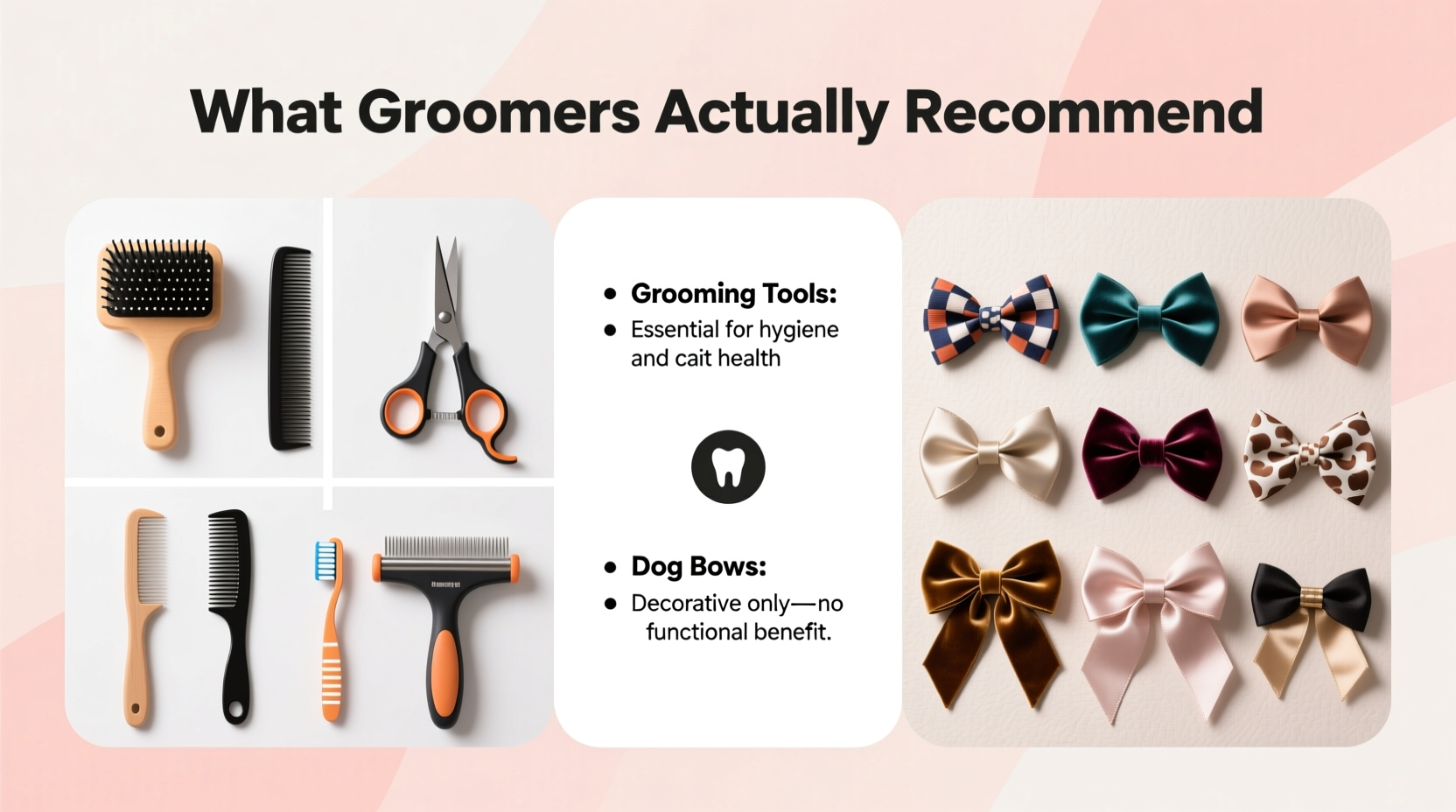
Professional groomers universally agree: proper grooming tools are essential for maintaining a dog’s health, comfort, and hygiene. Unlike accessories such as bows, which serve primarily aesthetic purposes, grooming tools directly impact coat condition, skin health, and overall wellness.
Dogs with matted fur can experience pain, restricted movement, and even skin infections. Regular brushing removes dead hair, distributes natural oils, and prevents tangles. For long-haired breeds like Shih Tzus, Maltese, or Afghan Hounds, daily brushing isn’t optional—it’s critical.
“Without the right tools, even the most well-intentioned grooming routine fails. A slicker brush, a good comb, and quality clippers aren’t luxuries—they’re medical necessities for many breeds.” — Sarah Lin, Certified Master Groomer & Educator, National Dog Groomers Association
Grooming tools also help detect early signs of issues like fleas, ticks, lumps, or dry skin. When used correctly, they support preventive care far beyond cosmetic appeal.
Essential Grooming Tools Recommended by Professionals
- Slicker brushes: Ideal for removing tangles and loose undercoat in medium to long-haired dogs.
- Steel combs: Fine-toothed combs catch small mats and check for debris close to the skin.
- De-shedding tools: Like the Furminator, effective for double-coated breeds (e.g., Huskies, Golden Retrievers).
- Nail grinders or clippers: Prevent overgrowth that can lead to joint stress or splitting.
- Ear cleaners and hemostats: Used carefully to maintain ear hygiene, especially in floppy-eared breeds.
- Quality clippers and blades: Essential for sanitary trims, mat removal, or breed-specific cuts.
The Role of Dog Bows: Style With Limits
Dog bows are undeniably cute. From tiny satin ribbons on puppies to elaborate floral headpieces for Instagram-ready moments, bows add flair. However, groomers consistently emphasize that bows should never compromise safety, hygiene, or comfort.
In professional settings, bows are typically reserved for show dogs, photo sessions, or special events—and even then, only after the dog has been fully groomed and inspected for skin issues. The placement matters too: bows near the ears or eyes can trap moisture or cause irritation if left on too long.
Some low-quality bows use materials that snag fur or contain toxic dyes. Others are secured with elastic bands that can cut circulation if worn continuously. Groomers caution against treating bows as everyday wear, especially for active or outdoor dogs.
When Bows Make Sense (and When They Don’t)
| Scenario | Recommended? | Reason |
|---|---|---|
| Daily wear for an indoor lapdog | No | Potential for snagging, chewing, or irritation; adds no functional benefit. |
| Photo shoot or pet event | Yes | Short-term use with supervision; enhances presentation. |
| Puppy socialization class | No | Other dogs may chew or pull at the bow; distraction during training. |
| Show ring preparation | Yes | Part of breed-specific styling standards; applied professionally. |
| Dog with sensitive skin or allergies | No | Fabric or dye may trigger reactions; avoid unnecessary contact. |
A Real Groomer’s Daily Routine: Function First, Fashion Second
Consider Maria Thompson, a mobile groomer based in Austin who sees 10–15 dogs per week. Her standard appointment begins with a full assessment: checking ears, nails, skin, and coat condition. Only after identifying needs does she proceed with brushing, bathing, trimming, and drying.
“I had a client once bring in a Maltese with a beautiful pink bow glued into her topknot,” Maria recalls. “But underneath was a massive mat pressing into the skin. The owner thought the bow made her look ‘well-groomed,’ but the dog was uncomfortable and developing a hotspot. We removed the bow, de-matted the coat, and treated the area. After that, I showed the owner how to maintain the coat so future bows wouldn’t hide problems.”
This case illustrates a common misconception: appearance doesn’t equal health. Just because a dog looks polished doesn’t mean it’s properly cared for beneath the surface.
Step-by-Step: Building a Grooming Routine That Works
Here’s how to prioritize effectively, ensuring your dog stays healthy while still enjoying occasional accessories:
- Assess your dog’s coat type: Is it short, wiry, curly, or long? This determines the tools you’ll need.
- Invest in core tools: Start with a slicker brush, a metal comb, nail clippers, and hypoallergenic shampoo.
- Establish a schedule: Brush short-haired dogs 1–2 times weekly; long-haired dogs daily.
- Bathe only when necessary: Over-bathing strips natural oils. Every 4–8 weeks is usually sufficient unless soiled.
- Inspect regularly: Check ears, paws, and skin folds for redness, pests, or injury.
- Add accessories sparingly: Use soft, removable bows only after grooming is complete and for limited durations.
- Visit a professional groomer every 4–8 weeks: Especially important for trims, sanitary cuts, and deep cleaning.
Checklist: Pet Owner’s Guide to Smart Grooming Choices
- ☑️ Brush your dog at least 2–3 times per week (daily for long coats)
- ☑️ Trim nails monthly or as needed
- ☑️ Clean ears weekly with vet-approved solution
- ☑️ Bathe using pH-balanced dog shampoo
- ☑️ Inspect for mats, especially behind ears and under legs
- ☑️ Replace worn brushes or dull clipper blades
- ☑️ Limit bow use to special occasions
- ☑️ Choose fabric bows without elastic or sharp fasteners
- ☑️ Never cover mats or skin issues with accessories
- ☑️ Schedule regular professional grooming appointments
Frequently Asked Questions
Can dog bows cause skin irritation?
Yes. Bows made with synthetic fabrics, dyes, or tight elastics can cause friction, allergic reactions, or restrict blood flow. Always monitor your dog when wearing accessories and remove them at night or during play.
Are there any breeds that shouldn’t wear bows?
Functional breeds like Border Collies, German Shepherds, or hunting dogs rarely benefit from bows due to their working lifestyles. Additionally, dogs with thin or sensitive skin (like Greyhounds) are more prone to irritation from attachments.
Do groomers hate dog bows?
No, most don’t hate them—but they emphasize context. A bow on a well-groomed dog for a birthday party is fine. Using a bow to mask poor grooming or leaving it on for days is strongly discouraged.
Final Thoughts: Prioritize Health, Then Add Flair
The truth is simple: grooming tools keep dogs healthy; dog bows make them cute. One supports well-being, the other enhances appearance. Both have value, but only one is essential.
Professional groomers don’t oppose bows outright—they oppose misplaced priorities. A beautifully accessorized dog with matted fur, overgrown nails, or dirty ears is not well-groomed, regardless of how stylish it looks in photos.
If you love dressing up your pup, do so responsibly. Let bows be the cherry on top—not the掩盖 for neglect. Invest first in quality tools, consistent routines, and professional guidance. Once those foundations are solid, a tasteful bow can be a fun, safe addition to your dog’s look.
💬 Have a grooming success story or a favorite tool recommendation? Share your experience in the comments—your insight could help another pet parent make smarter choices today.








