Peeling and splitting nails are more than just a cosmetic concern—they can signal underlying health issues or result from daily habits that weaken nail structure. Whether you're dealing with brittle layers that flake away or deep splits that make simple tasks painful, understanding the root causes is the first step toward resolution. With targeted care, proper nutrition, and preventive strategies, it’s entirely possible to restore strength and resilience to your nails.
Common Causes of Peeling and Splitting Nails
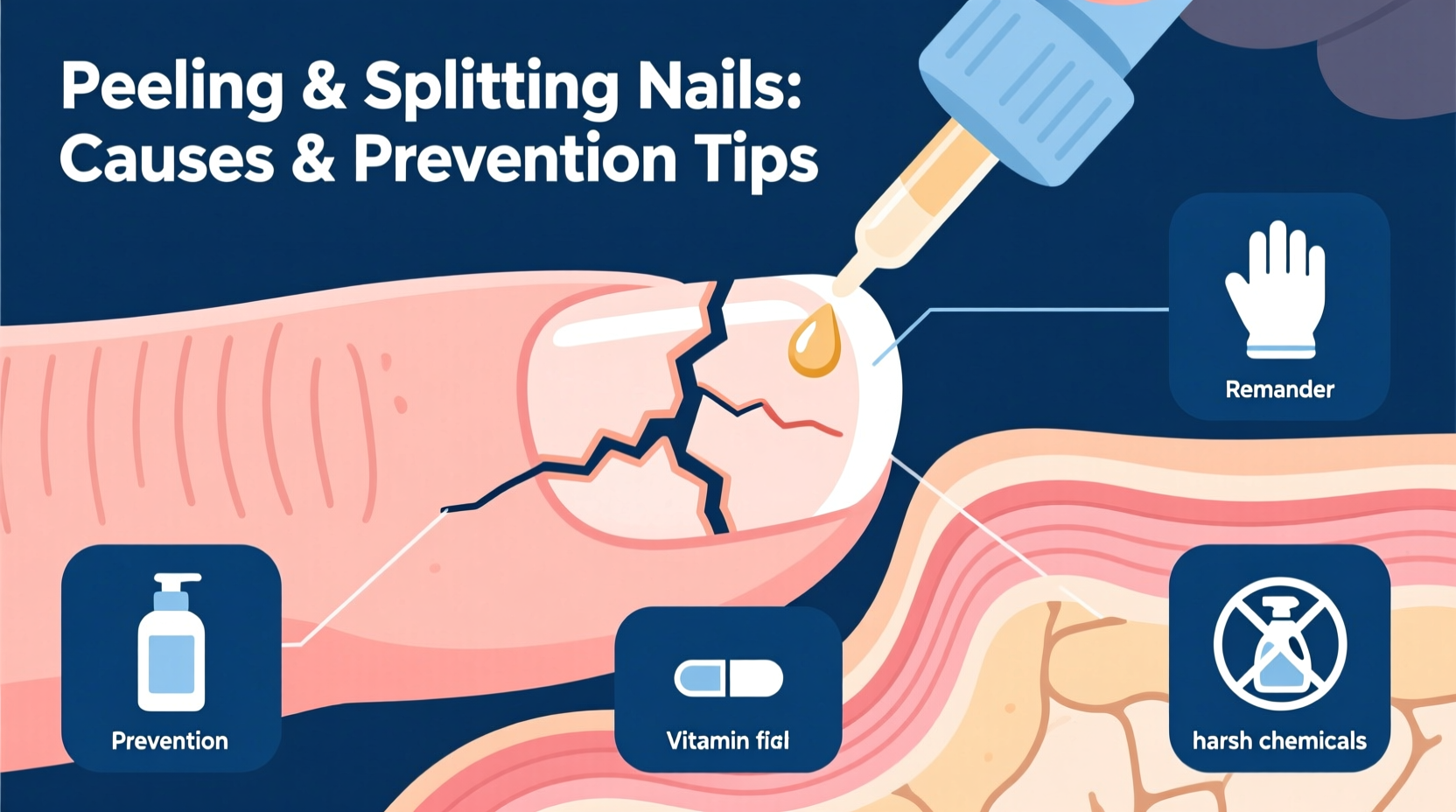
Nail integrity depends on hydration, protein structure, and external protection. When any of these factors are compromised, nails become prone to damage. Several key contributors lead to peeling and splitting:
- Dryness and dehydration: Frequent handwashing, exposure to harsh soaps, and low humidity strip natural oils from nails and cuticles.
- Nail trauma: Repetitive tapping, aggressive filing, or using nails as tools stresses the nail plate and leads to micro-tears.
- Chemical exposure: Acetone-based removers, detergents, and cleaning agents degrade keratin, the primary structural protein in nails.
- Nutritional deficiencies: Lack of biotin, iron, zinc, or essential fatty acids weakens nail formation.
- Mechanical stress: Long nails catch easily, increasing the risk of peeling at the tip or side splits.
- Underlying medical conditions: Thyroid disorders, psoriasis, fungal infections, or anemia may manifest through nail changes.
Effective Treatments for Damaged Nails
Recovery begins with eliminating aggravating factors and introducing restorative practices. While results take time—nails grow slowly, about 3 mm per month—consistent treatment yields visible improvement within weeks.
Topical Solutions
Hydration is critical. Use moisturizers rich in urea, lactic acid, or alpha-hydroxy acids to improve nail flexibility. Apply a nourishing cuticle oil (containing jojoba, vitamin E, or almond oil) twice daily to support the nail matrix.
For severely damaged nails, consider over-the-counter nail hardeners containing formaldehyde resin—but use sparingly, as long-term application can increase brittleness.
Medical Interventions
If a fungal infection is suspected—evidenced by yellowing, thickening, or crumbling—antifungal treatments (topical or oral) prescribed by a dermatologist are necessary. Similarly, correcting iron deficiency or thyroid imbalance under medical supervision often resolves associated nail issues.
“Brittle nails are rarely due to a single cause. A thorough evaluation of lifestyle, diet, and medical history is essential.” — Dr. Lena Torres, Board-Certified Dermatologist
Prevention Tips for Stronger Nails
Preventing recurrence requires consistent habits that protect and nourish the nail unit. Small adjustments in routine can yield significant long-term benefits.
Tip: Keep nails trimmed short and rounded to reduce leverage and prevent snagging.Dietary Support
Nails reflect internal health. Prioritize foods rich in:
- Biotin (vitamin B7): Eggs, nuts, sweet potatoes, and whole grains.
- Protein: Lean meats, fish, legumes, and dairy support keratin production.
- Omega-3 fatty acids: Found in salmon, chia seeds, and flaxseed, they improve moisture retention.
- Vitamin C and Iron: Citrus fruits, leafy greens, and fortified cereals enhance collagen and prevent anemia-related brittleness.
Lifestyle Adjustments
Avoid prolonged water exposure. After washing hands, dry thoroughly and apply moisturizer immediately. Limit gel manicures and acrylics, which thin the nail plate over time. Use non-acetone removers and avoid scraping polish off aggressively.
Do’s and Don’ts: Nail Care Comparison
| Do’s | Don’ts |
|---|---|
| Moisturize nails and cuticles daily | Use nails to open packages or scrape surfaces |
| Wear cotton-lined rubber gloves for wet work | Soak hands or nails excessively |
| File in one direction with a fine-grit file | Use metal pushers or cut cuticles aggressively |
| Take a break between manicures | Apply acetone-based removers daily |
| Supplement with biotin if deficient | Ignore persistent discoloration or pain |
Step-by-Step Guide to Repairing Splitting Nails
Follow this 6-week plan to encourage healing and build resilience:
- Week 1–2: Eliminate Triggers
Cease use of harsh nail products. Stop wearing artificial nails. Begin wearing gloves during chores. - Week 3: Hydrate Daily
Apply cuticle oil morning and night. Use a urea-based hand cream after every wash. - Week 4: Optimize Diet
Incorporate biotin-rich foods. Consider a 2.5 mg biotin supplement daily after consulting your doctor. - Week 5: Gentle Maintenance
Keep nails short. File edges smoothly. Avoid sharp corners. - Week 6: Monitor Progress
Assess new growth. If splitting persists beyond the nail bed, consult a dermatologist.
Real-Life Example: Maria’s Recovery Journey
Maria, a 38-year-old nurse, struggled with peeling nails for years. Her job required frequent handwashing and glove use, leaving her nails dry and layered. Despite trying various polishes, she saw no improvement. After consulting a dermatologist, she learned her nails were dehydrated and her diet lacked sufficient protein and biotin.
She began applying a thick emollient at night, wearing cotton gloves afterward to lock in moisture. She added eggs and almonds to her breakfast and started a biotin supplement. Within two months, her nails grew stronger, with less peeling and improved shine. “I didn’t realize how much my job was affecting my nails,” she said. “Simple changes made all the difference.”
FAQ
Can peeling nails be a sign of vitamin deficiency?
Yes. Deficiencies in biotin, iron, or essential fatty acids are commonly linked to brittle, peeling nails. Blood tests can confirm deficiencies, and supplementation under medical guidance often improves nail health.
How long does it take for split nails to heal?
Nails grow slowly—typically 3–4 months for fingernails to fully regenerate. Consistent care over 6–8 weeks usually shows noticeable improvement in texture and strength.
Is it safe to use nail hardeners regularly?
Occasional use is acceptable, but long-term reliance on formaldehyde-based hardeners can make nails more brittle. Opt for hydrating formulas instead, and prioritize moisture and protection over artificial strengthening.
Final Checklist for Healthy Nails
- ✔️ Moisturize nails and cuticles twice daily
- ✔️ Wear gloves during wet or chemical tasks
- ✔️ Maintain a balanced diet with adequate protein and vitamins
- ✔️ Keep nails short and filed gently in one direction
- ✔️ Avoid acetone and excessive polishing
- ✔️ Seek medical advice if changes persist beyond 2–3 months
Take Action Today for Healthier Nails Tomorrow
Your nails are a window into your overall well-being. Peeling and splitting may seem minor, but they respond powerfully to thoughtful care. By addressing root causes—whether environmental, nutritional, or medical—you can transform fragile nails into strong, resilient ones. Start today: pick one habit to change, whether it’s wearing gloves, adjusting your diet, or simply being gentler with your fingertips. Small steps lead to lasting results.
💬 Have you overcome peeling nails? Share your experience or tips in the comments—your insight could help someone else on their journey to healthier nails.








