Experiencing pain when wiping after a bowel movement is more common than many realize, yet it’s often under-discussed. While occasional discomfort may be normal, persistent or severe pain during or after wiping can signal underlying health issues such as hemorrhoids, anal fissures, infections, or skin irritation. Left unaddressed, these conditions can worsen and significantly impact daily life. Understanding the root causes, recognizing symptoms early, and adopting effective treatment and prevention strategies are essential steps toward lasting relief.
Common Causes of Painful Wiping
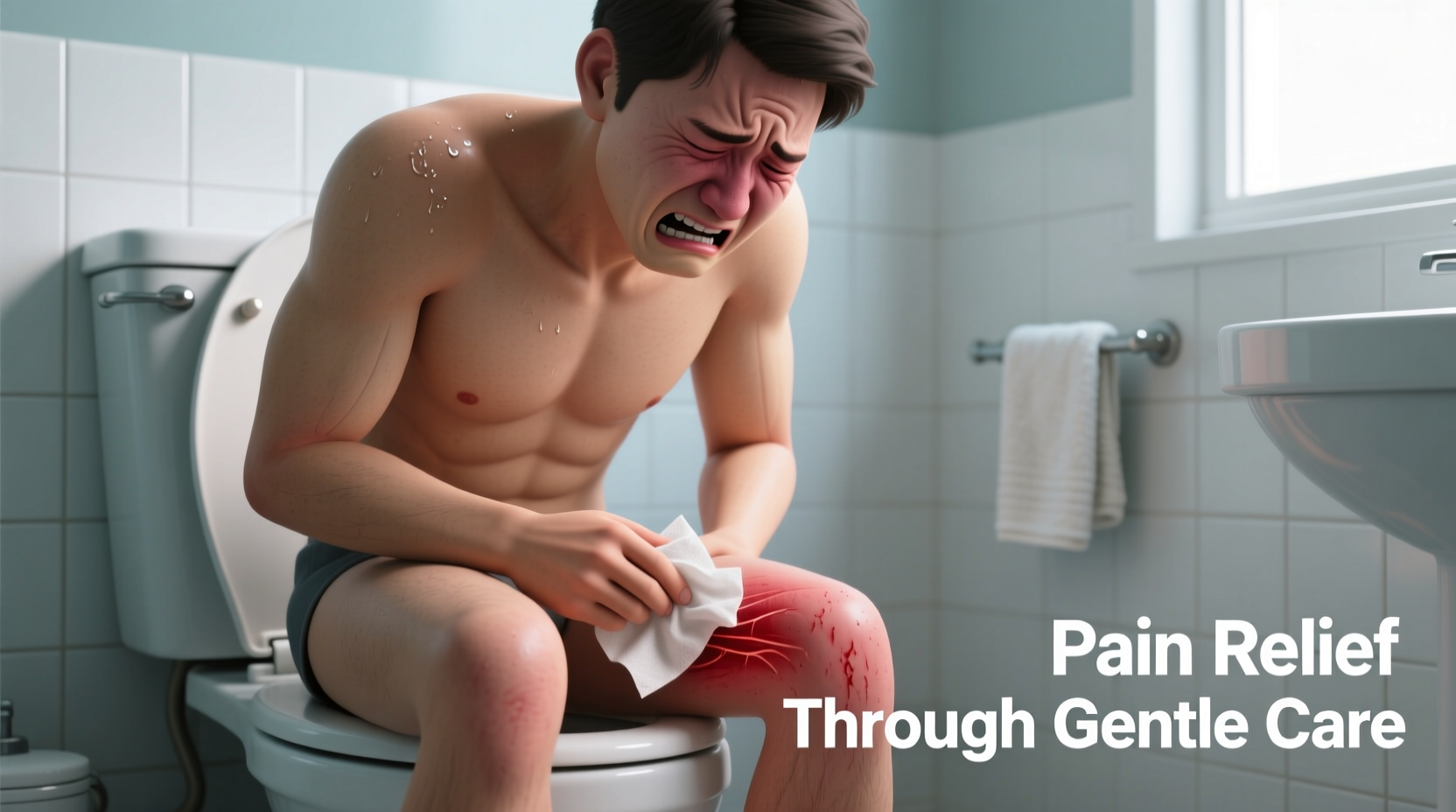
Pain during or after wiping is rarely due to a single factor. It usually stems from physical trauma, inflammation, or infection in the sensitive perianal area. The most frequent medical and lifestyle-related causes include:
- Hemorrhoids: Swollen veins in the rectum or around the anus that become irritated during wiping.
- Anal fissures: Small tears in the lining of the anus, often caused by passing hard stools.
- Constipation: Straining during bowel movements leads to harder stools, increasing the risk of micro-tears and irritation.
- Diarrhea: Frequent bowel movements expose delicate skin to digestive enzymes and acids, causing rawness and soreness.
- Skin conditions: Eczema, psoriasis, or dermatitis in the anal region can make wiping extremely painful.
- Infections: Fungal (like candidiasis), bacterial, or sexually transmitted infections can inflame the tissue.
- Improper hygiene: Using dry, rough toilet paper or excessive rubbing aggravates sensitive skin.
“Persistent pain with wiping should never be ignored. It’s often the body’s way of signaling an issue that needs attention—early intervention prevents complications.” — Dr. Lena Patel, Gastroenterology Specialist
Treatment Options for Immediate and Long-Term Relief
Effective treatment depends on identifying the underlying cause. However, several approaches offer both immediate symptom relief and long-term healing.
Medical Treatments
For diagnosed conditions like hemorrhoids or fissures, doctors may recommend:
- Topical creams: Hydrocortisone or lidocaine-based ointments reduce inflammation and numb pain.
- Fissure-specific medications: Nitroglycerin or calcium channel blocker creams help relax the anal sphincter and improve blood flow for faster healing.
- Stool softeners: Docusate sodium helps prevent straining by making stools easier to pass.
- Prescription laxatives: Used short-term to break the cycle of constipation and pain.
- Surgical options: For chronic fissures or severe hemorrhoids, procedures like lateral internal sphincterotomy or hemorrhoidectomy may be necessary.
At-Home Remedies
Many find significant relief through simple, consistent self-care practices:
Tip: After bowel movements, rinse the area with warm water using a peri-bottle instead of wiping. This reduces friction and soothes irritation.- Sitz baths: Soaking the anal area in warm water for 15–20 minutes, 2–3 times daily, promotes healing and eases discomfort.
- Aloe vera gel: Pure aloe has anti-inflammatory and moisturizing properties ideal for irritated skin.
- Cold compresses: Applying an ice pack wrapped in cloth can reduce swelling and numb acute pain.
- Witch hazel pads: Natural astringent properties help shrink swollen tissue and disinfect gently.
Prevention and Daily Care Checklist
Preventing recurrence is just as important as treating current symptoms. Incorporating healthy habits into your routine can dramatically reduce the likelihood of painful wiping.
✅ Daily Prevention Checklist
- Stay hydrated—drink at least 8 glasses of water daily to soften stools.
- Eat high-fiber foods like oats, beans, fruits, and vegetables to promote regular bowel movements.
- Avoid prolonged sitting on the toilet; limit time to under 5 minutes.
- Use fragrance-free, alcohol-free wet wipes or a bidet after bowel movements.
- Pat dry gently—never rub the anal area.
- Exercise regularly to stimulate digestion and prevent constipation.
- Wear loose, breathable cotton underwear to minimize moisture buildup.
Do’s and Don’ts: A Quick Reference Table
| Do’s | Don’ts |
|---|---|
| Use soft, moistened wipes or a bidet | Use dry, coarse toilet paper |
| Apply a protective barrier cream (e.g., zinc oxide) | Scratch or pick at irritated areas |
| Take sitz baths daily | Sit for long periods without breaks |
| Seek medical advice if pain persists beyond a week | Ignore bleeding or worsening pain |
| Maintain a high-fiber diet | Delay bowel movements out of fear of pain |
Real-Life Example: Overcoming Chronic Discomfort
Sarah, a 34-year-old office worker, began experiencing sharp pain every time she wiped after using the bathroom. Initially dismissing it as minor irritation, she continued using scented wipes and tight underwear. Over two weeks, the pain intensified, making sitting and walking uncomfortable. She noticed slight bleeding and developed anxiety around bowel movements.
After visiting her primary care physician, Sarah was diagnosed with an acute anal fissure compounded by mild hemorrhoids. Her doctor recommended switching to unscented wet wipes, starting daily sitz baths, and using a stool softener. Within ten days, her pain decreased significantly. By following the full regimen for six weeks—including increased fiber intake and pelvic floor relaxation techniques—Sarah achieved complete healing.
Her experience highlights how ignoring early symptoms can lead to prolonged discomfort, while timely, consistent care leads to recovery.
Step-by-Step Guide to Pain-Free Wiping
Follow this practical sequence each time you use the restroom to minimize irritation and support healing:
- Prepare ahead: Keep a peri-bottle filled with warm water or alcohol-free wipes within reach.
- Wipe gently front-to-back: Use minimal pressure with soft material. Avoid back-and-forth motions.
- Rinse or wipe with moisture: Replace dry paper with a damp wipe or use a peri-bottle to cleanse without friction.
- Pat dry: Use a soft towel or tissue to gently absorb moisture—do not rub.
- Apply soothing product: Lightly dab on a thin layer of aloe vera, petroleum jelly, or medicated ointment if prescribed.
- Wash hands thoroughly: Prevent bacterial transfer, especially if applying topical treatments later.
Frequently Asked Questions
Is it normal to feel pain every time I wipe?
No. Occasional mild discomfort may happen during illness or dehydration, but regular pain is not normal and indicates an underlying issue such as hemorrhoids, fissures, or infection. Persistent pain warrants evaluation by a healthcare provider.
Can wiping too much cause damage?
Yes. Excessive or aggressive wiping irritates delicate skin, strips natural oils, and can lead to micro-abrasions, increasing the risk of infection and inflammation. Focus on gentle cleansing rather than thorough scrubbing.
Should I see a doctor if there’s bleeding?
Yes. Minor streaks of bright red blood on toilet paper are often linked to hemorrhoids or fissures and may resolve with care. However, persistent bleeding, dark blood, or clots require prompt medical assessment to rule out more serious gastrointestinal conditions.
Conclusion: Take Control of Your Comfort and Health
Painful wiping after pooping is not something you must endure. With the right knowledge, hygiene adjustments, and timely medical input, most causes are treatable and often preventable. Healing begins with awareness—recognizing symptoms early, modifying habits, and seeking help when needed. Small changes in your daily routine can lead to significant improvements in comfort, dignity, and overall well-being.
💬 Your health matters. If you’ve struggled with this issue, share your story or tips in the comments—your insight could help someone else find relief.








