
Dog owners today are more conscious than ever about what they feed their pets. As grocery aisles fill with organic options for humans, pet stores follow suit—offering premium-priced organic dog treats that promise purity, health, and peace of mind. But is the jump from conventional to organic truly beneficial, or is it simply a marketing strategy capitalizing on pet parents’ love for their furry companions?
This question isn’t just about price tags. It’s about understanding ingredient quality, processing methods, regulatory standards, and actual health outcomes for dogs. The answer isn't always black and white—but with a closer look at what goes into both types of treats, you can make informed choices without overspending unnecessarily.
What Makes a Dog Treat “Organic”?
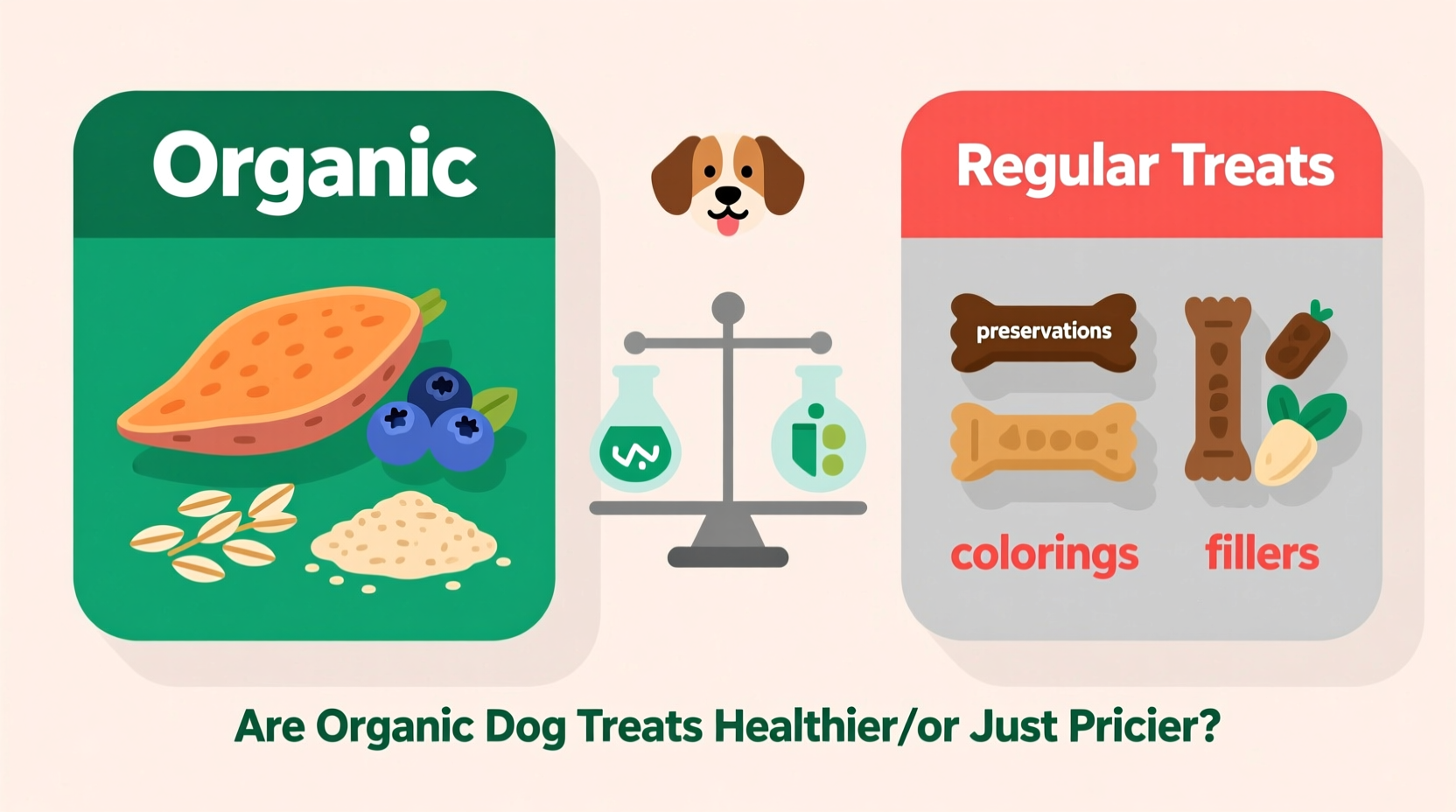
The term “organic” carries specific meaning when regulated by agencies like the USDA (United States Department of Agriculture). For human food, organic certification means produce is grown without synthetic pesticides, fertilizers, GMOs, or irradiation. Livestock must be raised in humane conditions, fed organic feed, and not given antibiotics or growth hormones.
When applied to pet food and treats, however, the standards are less strict and often confusing. The Association of American Feed Control Officials (AAFCO) does not have a formal definition for “organic” pet food, though the USDA allows products to carry an organic label if they meet certain criteria:
- 100% Organic: All ingredients (except water and salt) are certified organic.
- Organic: At least 95% of ingredients are organic.
- Made with Organic Ingredients: At least 70% of ingredients are organic; cannot display the USDA Organic seal.
Despite these categories, many brands use terms like “natural,” “holistic,” or “farm-to-bowl” without meeting true organic benchmarks. This lack of standardization makes it easy for consumers to overestimate the quality of a product based solely on packaging claims.
Tip: Look for the USDA Organic seal—this is the only reliable indicator of genuine organic certification in pet treats.Ingredient Comparison: Organic vs Regular Treats
The core difference between organic and regular dog treats lies in ingredient sourcing and processing. Below is a side-by-side comparison of typical components found in each category.
| Component | Organic Treats | Regular Treats |
|---|---|---|
| Protein Source | Free-range, grass-fed, or cage-free meats with no added hormones or antibiotics | Conventional meat by-products, possibly containing residues of antibiotics or steroids |
| Grains & Fillers | Whole grains like oats or brown rice, non-GMO, pesticide-free | Corn, soy, wheat—common allergens; may include GMOs and chemical residues |
| Preservatives | Natural preservatives like tocopherols (vitamin E), rosemary extract | Synthetic preservatives such as BHA, BHT, ethoxyquin—linked to health concerns |
| Artificial Additives | Absent: no artificial colors, flavors, or sweeteners | Common: caramel color, sodium nitrite, propylene glycol |
| Fiber & Veggies | Organic carrots, sweet potatoes, blueberries—grown without synthetic pesticides | Non-organic produce, potentially contaminated with pesticide residues |
While organic treats generally offer cleaner, higher-quality ingredients, this doesn’t automatically mean they’re nutritionally superior. Some well-formulated conventional treats avoid harmful additives and still provide excellent digestibility and palatability.
“Not all organic treats are created equal. I’ve seen dogs thrive on high-quality conventional diets, while others develop sensitivities even to some ‘clean’ organic brands.” — Dr. Lena Patel, DVM, Veterinary Nutrition Specialist
Health Benefits: Real or Overstated?
Supporters of organic dog treats argue that reducing exposure to chemicals and processed ingredients leads to better long-term health. Potential benefits cited include:
- Reduced risk of food allergies and skin irritations
- Better digestion due to fewer artificial fillers
- Improved coat shine and energy levels
- Lower toxin buildup in organs like the liver and kidneys
These claims hold merit in theory, but scientific evidence remains limited. A 2020 review published in the *Journal of Animal Physiology* noted that while organic ingredients reduce chemical load, there is insufficient data proving direct health improvements in dogs solely from switching to organic treats.
That said, anecdotal reports from pet owners are compelling. Many notice reduced itching, less stool odor, and increased vitality after transitioning to organic options—especially in dogs with pre-existing sensitivities.
Real Example: Bella the Beagle
Bella, a 4-year-old beagle from Portland, had chronic ear infections and itchy skin despite eating a premium kibble brand. Her owner, Sarah, tried several elimination diets before switching to organic single-ingredient treats like freeze-dried duck liver and dehydrated sweet potato. Within six weeks, Bella’s symptoms improved significantly. While her vet couldn’t confirm a direct cause, eliminating artificial preservatives and dyes was considered a key factor.
“I didn’t expect such a big change from just changing treats,” Sarah said. “But once we removed those synthetic additives, her body seemed to calm down.”
Price Analysis: Is the Premium Worth It?
There’s no denying that organic dog treats cost more. On average, organic options are priced 30–70% higher than comparable conventional treats. For example:
- Organic chicken jerky (10 oz): $14.99
- Conventional chicken jerky (10 oz): $8.99
- Organic dental chews (24 count): $22.00
- Regular dental chews (24 count): $12.50
This price gap stems from higher farming costs, smaller production batches, and stricter handling requirements. But does paying more guarantee better value?
Not necessarily. In blind taste tests conducted by *Pet Product Watch*, dogs showed no preference between organic and non-organic versions of similar treats. Palatability depended more on protein type and texture than certification status.
Moreover, some budget-friendly conventional brands now offer clean-label options—free from corn, soy, and artificial additives—without the organic markup. These can be smart alternatives for cost-conscious owners who still want high ingredient standards.
Tip: Focus on ingredient lists, not labels. A treat labeled “natural” with simple, whole-food ingredients may be better than an “organic” one loaded with gums and thickeners.How to Choose the Right Treats: A Practical Checklist
Rather than defaulting to organic or sticking strictly to budget picks, use this checklist to evaluate any dog treat objectively:
- Read the full ingredient list: The first five ingredients should be recognizable foods (e.g., chicken, peas, potatoes).
- Avoid artificial preservatives: Steer clear of BHA, BHT, ethoxyquin, and propylene glycol.
- Check for unnecessary fillers: Corn, wheat, and soy are common allergens and low-nutrition binders.
- Look for protein as the primary ingredient: Meat should come before grains or vegetables.
- Verify certifications: USDA Organic seal or Non-GMO Project Verified add credibility.
- Consider your dog’s needs: Sensitive stomach? Look for limited-ingredient formulas. Training? Opt for small, soft treats.
- Monitor reactions: After introducing a new treat, watch for changes in stool, energy, or skin condition.
Step-by-Step Guide to Transitioning Treats Safely
If you're considering switching from regular to organic treats—or simply upgrading to a cleaner option—do so gradually to avoid digestive upset.
- Week 1: Mix 25% new treats with 75% old treats. Observe your dog for any signs of intolerance (gas, diarrhea, vomiting).
- Week 2: Increase to 50% new treats. Continue monitoring and ensure hydration.
- Week 3: Use 75% new treats. Reduce the old treats slowly to prevent pickiness.
- Week 4: Full transition. Discontinue the old treats unless reintroduction is needed due to adverse effects.
- Ongoing: Track health markers. Note changes in coat quality, breath odor, energy, and stool consistency.
This phased approach minimizes gastrointestinal stress and helps isolate whether a treat causes negative reactions.
Frequently Asked Questions
Do organic dog treats last longer?
No, they often have a shorter shelf life because they avoid synthetic preservatives. Natural preservatives like vitamin E are effective but less potent. Always check expiration dates and store in a cool, dry place—some organic treats even require refrigeration after opening.
Can I make my own organic dog treats at home?
Absolutely. Homemade treats give you full control over ingredients. Simple recipes using organic peanut butter (xylitol-free), pumpkin, eggs, and oats can be baked in under 30 minutes. Just ensure all ingredients are dog-safe and avoid seasonings like garlic or onion.
Are organic treats necessary for every dog?
No. Dogs without food sensitivities, allergies, or chronic conditions may do perfectly well on high-quality conventional treats. Organic options are most beneficial for dogs with health issues linked to diet or those exposed to multiple environmental toxins.
Final Thoughts: Value Over Hype
Organic dog treats aren’t inherently “healthier” across the board—but they do represent a cleaner, more transparent approach to pet nutrition. When sourced responsibly, they minimize exposure to synthetic chemicals and support sustainable farming practices. However, the premium price doesn’t always reflect proportional benefits.
The smarter strategy isn’t to blindly choose organic, but to become a discerning reader of labels. Prioritize whole ingredients, minimal processing, and transparency over buzzwords. Whether organic or conventional, the best treat is one that supports your dog’s health without compromising your budget.
💬 Have you switched to organic dog treats? What changes did you notice? Share your experience in the comments and help other pet parents make informed decisions!








