Choosing the right treats for your dog is more than a matter of flavor—it's about health, longevity, and trust in what you're feeding your pet. With rising interest in natural pet care, many owners are torn between two popular options: certified organic store-bought treats and homemade alternatives. While both promise better nutrition than conventional junk snacks, they come with distinct advantages and trade-offs. The real question isn't just which is \"healthier,\" but whether the benefits of one outweigh the risks or limitations of the other.
Organic labels suggest purity and quality, but they don’t guarantee optimal nutrition. Homemade treats offer full ingredient control but depend heavily on preparation methods and recipe accuracy. To make an informed decision, it’s essential to examine everything from sourcing and processing to nutritional balance and long-term impact on canine health.
Understanding Organic Dog Treats: What the Label Really Means
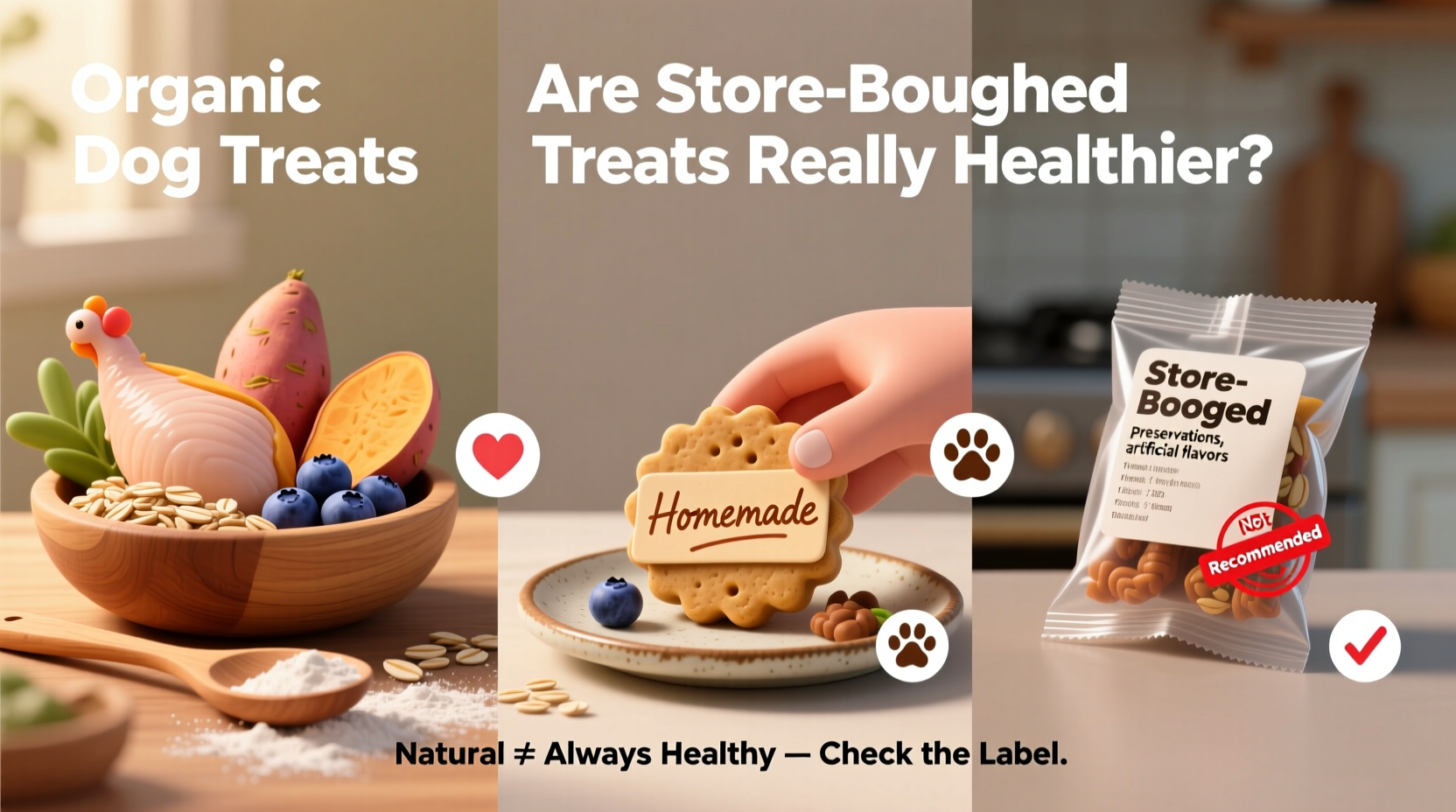
The term “organic” in pet food and treats is regulated by the U.S. Department of Agriculture (USDA), though standards for pets are less stringent than for human food. For a dog treat to be labeled “organic,” at least 95% of its ingredients must meet USDA organic farming standards—grown without synthetic pesticides, genetically modified organisms (GMOs), or chemical fertilizers. The remaining 5% can include non-organic substances approved on a national list, such as certain vitamins or preservatives.
However, labeling can be misleading. Products labeled “made with organic ingredients” only need 70% organic content and cannot display the USDA Organic seal. Others may use terms like “natural” or “premium,” which carry no legal definition in pet food. This lack of standardization means consumers must read ingredient panels carefully—even if a bag looks green and wholesome, it might still contain fillers, artificial flavors, or high sugar levels.
“Just because a treat is labeled organic doesn’t mean it’s nutritionally balanced or even appropriate for daily feeding.” — Dr. Laura Hartwell, Veterinary Nutritionist
Many organic commercial treats also undergo extensive processing—extrusion, baking, and dehydration—which can degrade nutrient integrity. Some brands compensate with synthetic vitamin fortification, which may not be as bioavailable as nutrients found in whole foods.
Tip: Look for the USDA Organic seal and check that meat is listed as the first ingredient. Avoid products with vague terms like “meat meal” or multiple forms of sugar (e.g., molasses, cane syrup, brown rice syrup).The Rise of Homemade Dog Treats: Control, Customization, and Concerns
Homemade dog treats have surged in popularity, driven by growing skepticism toward processed pet foods and increased access to online recipes. Making treats at home allows pet owners to handpick every ingredient, avoid allergens, and tailor snacks to specific dietary needs—such as low-fat options for overweight dogs or grain-free versions for sensitive pups.
A simple homemade batch might include oats, pumpkin puree, peanut butter (xylitol-free), and eggs—whole foods rich in fiber, protein, and healthy fats. When prepared correctly, these treats can offer superior digestibility and fewer inflammatory compounds compared to mass-produced alternatives.
Yet, DIY isn’t risk-free. A poorly formulated recipe can lead to nutritional imbalances. For example, excessive liver (common in “healthy” treat recipes) may cause vitamin A toxicity over time. Similarly, using raw eggs regularly introduces avidin, which interferes with biotin absorption. Even seemingly safe ingredients like garlic or onions—sometimes used for purported detox benefits—are toxic to dogs in any amount.
Moreover, storage and shelf life pose challenges. Unlike commercial treats preserved through vacuum sealing or added (often organic-approved) preservatives like mixed tocopherols, homemade versions typically last only 1–2 weeks in the fridge unless frozen. Moisture retention can also encourage mold growth, especially in humid climates.
Nutritional Comparison: Store-Bought Organic vs. Homemade
| Factor | Organic Store-Bought Treats | Homemade Treats |
|---|---|---|
| Ingredient Transparency | Moderate – varies by brand; some hide fillers under broad terms | High – full control over sourcing and quantities |
| Nutritional Balance | Generally consistent; often fortified | Variable – depends on recipe quality and diversity |
| Preservatives & Shelf Life | Long shelf life (6–12 months); uses natural preservatives | Short shelf life (7–14 days refrigerated); no preservatives |
| Allergen Control | Limited – cross-contamination possible in factories | Excellent – customize for sensitivities |
| Cost per Serving | $$$ – premium pricing due to certification and packaging | $ – generally cheaper when made in batches |
| Convenience | High – ready to serve, portable | Low – requires prep time and planning |
When Homemade Is Better—and When It Isn’t
Homemade treats shine in situations where customization is key. Consider Max, a 5-year-old Border Collie diagnosed with pancreatitis. His vet recommended a strict low-fat diet, ruling out most commercial treats—even organic ones—that contained coconut oil or animal fats above acceptable levels. His owner turned to a simple recipe: baked sweet potato slices and dehydrated green beans. These snacks were safe, satisfying, and completely aligned with his medical needs.
This kind of tailored approach is impossible with off-the-shelf products. However, another case illustrates the pitfalls. Sarah, a well-meaning owner, fed her Golden Retriever daily servings of banana-oat cookies made with honey and cinnamon. While all ingredients were “natural,” the treat was high in sugar and lacked adequate protein. Over six months, her dog gained weight and developed insulin resistance—a condition linked to excessive carbohydrate intake in dogs.
The lesson? Whole ingredients aren’t automatically healthy in every context. Dogs are primarily carnivores with limited capacity to process sugars and complex carbohydrates. A treat should complement a balanced diet, not introduce new risks.
Tip: Use lean proteins like boiled chicken, turkey, or canned tuna as base ingredients. Pair with fibrous vegetables (zucchini, carrots) instead of grains or fruits high in fructose.Step-by-Step Guide to Making Safe, Nutritious Homemade Treats
If you’re considering making your own dog treats, follow this structured approach to ensure safety and nutritional value:
- Consult Your Veterinarian – Especially if your dog has health conditions like diabetes, kidney disease, or allergies. Get input on calorie limits and restricted ingredients.
- Choose a Balanced Recipe – Prioritize recipes that include a protein source, a binder (like egg or pumpkin), and minimal carbs. Avoid anything with salt, sugar, or spices.
- Source High-Quality Ingredients – Use organic produce and human-grade meats when possible. Wash all produce thoroughly to remove residues.
- Prepare Safely – Cook meats fully to eliminate pathogens. Bake or dehydrate treats to extend shelf life and reduce moisture-related spoilage.
- Store Properly – Keep in airtight containers in the refrigerator for up to two weeks or freeze in portioned bags for up to three months.
- Introduce Gradually – Offer small amounts initially to monitor digestion and taste preference. Watch for vomiting, diarrhea, or itching.
- Limit Quantity – Treats should never exceed 10% of your dog’s daily caloric intake. Adjust main meals accordingly.
Checklist: Evaluating Any Dog Treat—Store-Bought or Homemade
- ✅ Primary ingredient is a named animal protein (e.g., “chicken,” not “meat meal”)
- ✅ No artificial preservatives, colors, or flavors
- ✅ Free from toxic ingredients (onion, garlic, xylitol, chocolate)
- ✅ Low in sugar and unnecessary fillers (wheat, corn, soy)
- ✅ Appropriate size and texture for your dog’s breed and chewing ability
- ✅ Calorie content aligns with your dog’s energy needs
- ✅ Stored properly to maintain freshness and prevent contamination
Expert Insight: The Bigger Picture of Canine Nutrition
Veterinary experts emphasize that treat selection is just one piece of a larger puzzle. Long-term health depends on overall diet quality, activity level, and preventive care. While switching to organic or homemade treats can reduce exposure to chemicals and improve palatability, it won’t compensate for a poor main diet.
“The biggest mistake owners make is focusing on treats while feeding a low-quality kibble. Fix the foundation first—then use treats as thoughtful supplements.” — Dr. Rajiv Mehta, Board-Certified Veterinary Nutritionist
Additionally, behavioral considerations matter. Training relies heavily on positive reinforcement with treats. In these cases, convenience and consistency are crucial. Pre-packaged organic treats may be more practical during agility classes or outdoor training sessions than carrying a container of homemade biscuits.
Frequently Asked Questions
Can I feed my dog organic treats every day?
Yes, but only in moderation. Even healthy treats contribute calories. Choose low-calorie, single-ingredient options like dried chicken breast or freeze-dried liver for daily use, and always account for them in your dog’s total intake.
Are homemade treats safer than store-bought?
Not inherently. Safety depends on ingredient choices and hygiene practices. Homemade treats can harbor bacteria if not cooked or stored properly. Commercial treats undergo pathogen testing and standardized production protocols that reduce contamination risk.
Do organic treats help with allergies?
Sometimes. If your dog reacts to synthetic additives or pesticides, switching to organic may reduce symptoms. However, true food allergies are usually triggered by specific proteins (like beef or dairy), not farming methods. An elimination diet supervised by a vet is the best way to identify allergens.
Conclusion: Making the Right Choice for Your Dog
The debate between organic store-bought and homemade dog treats isn’t about declaring a universal winner—it’s about matching the option to your dog’s unique needs and your lifestyle. Organic commercial treats offer convenience, consistency, and regulatory oversight, but they come at a higher price and may still contain less-than-ideal ingredients. Homemade treats provide unmatched transparency and customization, but require time, knowledge, and diligence to prepare safely.
The healthiest path often lies in balance: using high-quality organic treats for training and travel, while reserving homemade snacks for special occasions or medical diets. Above all, prioritize whole-food ingredients, portion control, and veterinary guidance. Your dog doesn’t care about marketing claims—they trust you to choose wisely.
🚀 Ready to upgrade your dog’s treat routine? Start by reading labels like a pro or trying a simple, vet-approved homemade recipe this weekend. Share your experience or ask questions in the comments—your journey could help another pet parent make a smarter choice.








