Cat owners love the companionship their feline friends bring—but few enjoy the trail of litter that follows them from the litter box to the living room. Tracking, the phenomenon where cats carry litter out of the box on their paws, is a common household nuisance. It leads to scattered granules on floors, carpets, and even kitchen counters, requiring constant sweeping and vacuuming. Beyond the mess, tracked litter can harbor bacteria and pose respiratory risks if inhaled, especially with dusty clumping litters.
The good news: not all litters are created equal. Advances in pet product design have introduced several non-tracking cat litter options that minimize or eliminate this problem. These alternatives prioritize both cleanliness and feline comfort, offering solutions that support healthier homes and more contented cats. By understanding what causes tracking and how different litters perform, you can make an informed choice that benefits everyone in the household—two-legged and four-legged alike.
What Causes Cat Litter to Track?
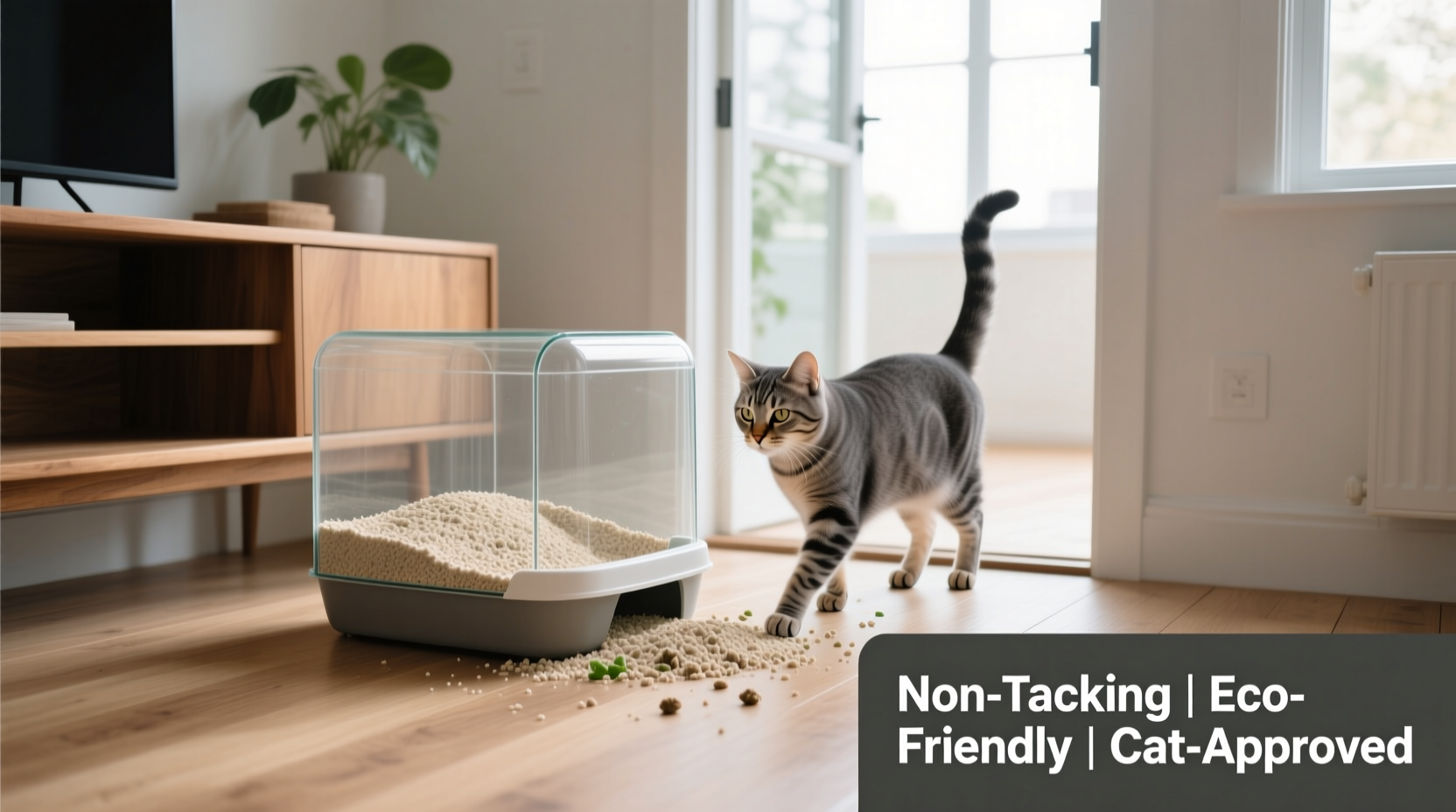
Tracking occurs when litter particles cling to a cat’s paws or fur after use and are then dispersed throughout the home. Several factors contribute to this issue:
- Litter Granule Size: Smaller, lightweight particles like those in traditional clay or silica dust are easily picked up by paws and whiskers.
- Dust Levels: High-dust litters not only track but also become airborne, contributing to poor indoor air quality.
- Litter Box Design: Open-top boxes without liners or mats offer no barrier to escaping litter.
- Cat Behavior: Some cats dig vigorously or shake their paws aggressively after covering waste, launching litter outward.
While no litter is 100% tracking-proof, certain formulations and materials significantly reduce the problem. The key lies in selecting litters with larger, heavier granules or alternative textures that resist adhesion.
Tip: Place a rubber-backed mat under and around the litter box to catch stray particles before they spread across floors.Top Non-Tracking Cat Litter Options Compared
When evaluating non-tracking litters, consider texture, weight, dust level, absorbency, and environmental impact. Below is a comparison of leading non-tracking options available today:
| Litter Type | Granule Size/Texture | Tracking Level | Dust Level | Eco-Friendly? | Clay-Free? |
|---|---|---|---|---|---|
| Pine Pellets | Large, compressed pellets (1/2 inch) | Very Low | Negligible | Yes – biodegradable | Yes |
| Wheat-Based Clumping | Moderate granules, slightly textured | Low | Low | Yes – compostable | Yes |
| Recycled Paper Pellets | Large, soft cylinders | Very Low | None | Yes – made from post-consumer paper | Yes |
| Silica Gel Crystals | Small beads (3–5mm), smooth | Moderate (can stick to damp paws) | Very Low | No – synthetic material | Yes |
| Walnut Shells | Rough, medium-sized fragments | Low | Low | Yes – natural, renewable | Yes |
Pine and paper pellets stand out for minimal tracking due to their large size and low adhesion. Silica crystals, while highly absorbent, can still scatter slightly—especially if a cat’s paws are wet. Walnut and wheat-based litters offer a balance between performance and eco-consciousness, though some cats may need time to adjust to the texture.
How to Reduce Tracking: A Step-by-Step Guide
Choosing the right litter is only part of the solution. Implementing supportive practices enhances effectiveness. Follow these steps to minimize litter dispersion:
- Select a high-sided or covered litter box. Boxes with raised edges or hoods help contain litter during digging and exiting.
- Use a litter mat. Place an anti-tracking mat—preferably one with deep grooves or bristles—directly outside the box to trap particles.
- Trim your cat’s paw fur. Long hair between paw pads collects litter more easily. Regular grooming reduces carry-out.
- Fill litter to optimal depth (2–3 inches). Too much litter increases the chance of kicking; too little reduces digging satisfaction.
- Switch to low-tracking litter gradually. Mix increasing amounts of new litter with the old over 7–10 days to ease transition.
- Monitor and clean daily. Scoop waste and wipe paws if necessary. Replace mats and sweep surrounding areas weekly.
Real Example: Reducing Tracking in a Multi-Cat Home
The Thompson family had three cats and a persistent litter problem. Despite daily scooping, fine clay litter coated their hardwood floors and was tracked into bedrooms and the kitchen. After researching alternatives, they switched to pine pellet litter and installed high-walled boxes with entrance ramps. They added coir fiber mats at each exit point and trimmed the fur on their long-haired Persian’s paws. Within two weeks, visible tracking dropped by over 80%. “We went from vacuuming every other day to once a week,” said Sarah Thompson. “And the cats didn’t flinch—they actually seem calmer using the quieter, less dusty pellets.”
Expert Insight on Litter Choice and Feline Health
Veterinarians and animal behaviorists emphasize that litter selection affects more than just cleanliness—it influences respiratory health, urinary habits, and stress levels.
“Cats are sensitive to scent, texture, and dust. A litter that tracks less often means fewer irritants in the environment, which supports better respiratory function and encourages consistent box use.” — Dr. Lena Patel, DVM, Feline Wellness Specialist
Dr. Patel notes that chronic exposure to dusty litters has been linked to asthma-like symptoms in cats, particularly in enclosed spaces. She recommends clay-free, low-dust options for households with kittens, seniors, or cats with existing respiratory conditions.
Checklist: Choosing the Best Non-Tracking Litter
Before purchasing, evaluate potential litters using this checklist:
- ✅ Large or heavy granules that resist sticking to paws
- ✅ Low or zero dust emission
- ✅ Natural, biodegradable ingredients (if sustainability matters)
- ✅ Scent-free or naturally scented (avoid artificial perfumes)
- ✅ Compatible with your cat’s preferences (test small batches first)
- ✅ Suitable for your litter box type (pellets work best in open or top-entry boxes)
- ✅ Easy to dispose of or compost (check local regulations)
Frequently Asked Questions
Can non-tracking litters still clump effectively?
Some can. Wheat-based and certain corn or cassava root litters form firm clumps while maintaining larger particle sizes that reduce tracking. However, pellet-based litters like pine or paper do not clump—they absorb urine and break down slowly, requiring full changes every few weeks.
Are natural litters safe for kittens?
Most are, but avoid loose-textured litters for kittens under 4 months who may ingest material while grooming. Pellets or larger granules are safer than fine powders. Always supervise early litter use.
How often should I change non-tracking litter?
For clumping natural litters: scoop daily, fully replace every 2–3 weeks. For pellet types: change completely every 4–6 weeks, depending on usage and odor control. Replace immediately if mold or ammonia smell develops.
Final Thoughts: Cleaner Homes Start with Smarter Choices
Eliminating litter tracking isn’t about perfection—it’s about progress. By switching to a well-designed, low-tracking litter and supporting it with smart setup and maintenance, you create a cleaner, more pleasant living space. More importantly, you respect your cat’s instincts and comfort, fostering a routine they’re willing to stick with.
The right litter reduces mess, improves air quality, and simplifies daily care. Whether you choose pine pellets, walnut shells, or another innovative option, the goal remains the same: harmony between your home standards and your cat’s natural behaviors. Experiment thoughtfully, observe your cat’s response, and refine your system over time.
🚀 Ready to reclaim your floors and breathe easier? Try a sample of a non-tracking litter today and share your experience with fellow cat lovers in the comments below.








