Dogs love to chew. It’s instinctual, satisfying, and often the only way they know how to explore the world. But if you’ve ever come home to a living room carpeted in stuffing or found the last remnant of a squeaker buried under the couch, you understand the frustration of buying toys that don’t survive past Tuesday. The real question isn’t just about durability—it’s about finding what keeps your dog engaged without turning your home into a chew-toy warzone.
The battle between squeaky toys and tough chews isn’t just about longevity. It’s about mental stimulation, breed tendencies, chewing style, and long-term safety. Some dogs go berserk over the high-pitched squeal of a plush toy, while others treat them as disposable appetizers before moving on to furniture legs. Meanwhile, durable rubber or nylon chews may last weeks—but do they actually make your dog happy?
Understanding Your Dog’s Chewing Behavior
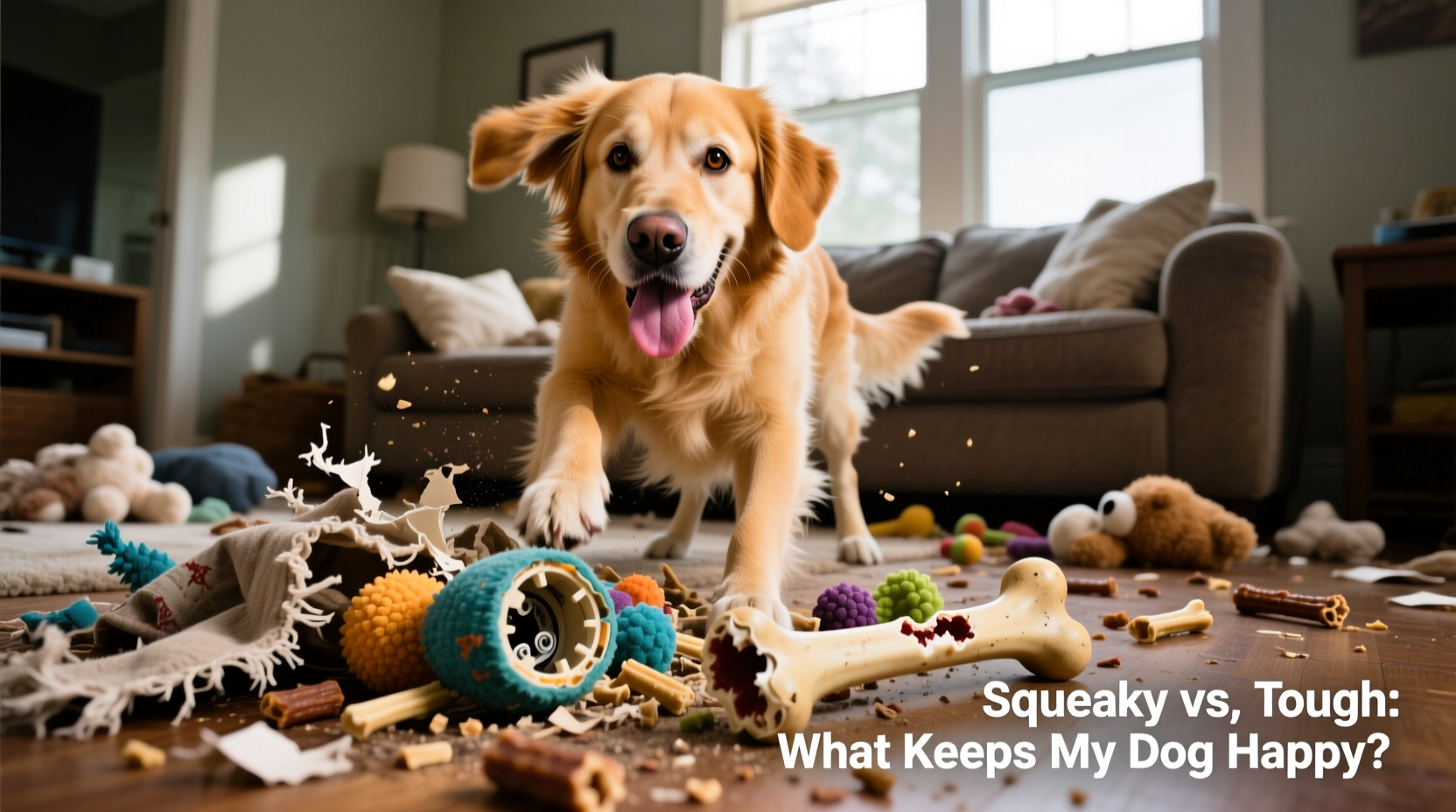
Before choosing between a squeaky toy and a tough chew, it’s essential to understand why your dog chews in the first place. Puppies chew to relieve teething pain. Adult dogs chew to relieve stress, combat boredom, or satisfy natural prey drive. Destructive chewing often signals unmet physical or mental needs—not misbehavior.
Chewing styles vary significantly:
- Aggressive chewers use powerful jaws to dismantle anything in reach—common in breeds like Pit Bulls, Rottweilers, and German Shepherds.
- Interactive chewers engage with toys that make noise or dispense treats, enjoying the process more than destruction.
- Passive chewers prefer soft textures and comfort, often seen with plush toys or softer dental chews.
A dog that tears apart squeaky toys in minutes likely has high energy and strong jaw strength. For these dogs, a plush toy is less a plaything and more a challenge to conquer. That doesn’t mean they can’t enjoy squeakers—but they need careful supervision and complementary durable options.
Tip: Rotate toys weekly to maintain novelty and prevent obsessive destruction from boredom.Squeaky Toys: The Thrill vs. The Lifespan
Squeaky toys are iconic. They mimic prey sounds, triggering a dog’s hunting instincts. The moment a dog hears that first squeak, dopamine spikes—making the toy instantly rewarding. This makes squeaky toys excellent for engagement, especially during fetch or solo play.
But their lifespan is notoriously short. Most plush squeaky toys last anywhere from 5 minutes to 2 days in a household with an enthusiastic chewer. Once the squeaker is removed, many dogs lose interest—or worse, ingest the plastic mechanism, posing a serious health risk.
Despite their fragility, squeaky toys have value:
- They provide high-level mental stimulation through sound-based interaction.
- They’re ideal for training and recall games when used under supervision.
- Some reinforced versions now feature double-stitched seams and hidden squeakers for added durability.
“Squeaky toys tap into primal instincts. The key is managing access, not eliminating them.” — Dr. Lena Reyes, Veterinary Ethologist
Tough Chews: Built to Last, But Do They Deliver Joy?
Tough chews—made from rubber (like Kong), nylon (such as Nylabone), or compressed rawhide alternatives—are engineered for endurance. These aren’t toys meant for tossing; they’re for sustained chewing, often lasting weeks or even months.
Their benefits are clear:
- Extremely durable, resisting punctures and splintering.
- Promote dental health by scraping plaque.
- Can be stuffed with treats or frozen to extend engagement.
However, not all dogs find them inherently fun. A dog that thrives on action and sound may sniff a rubber chew once and walk away. Others, particularly heavy chewers, will embrace them as a challenge. Success often depends on presentation—freezing peanut butter inside a Kong transforms it from a boring cylinder into a rewarding puzzle.
Long-lasting doesn’t always equal emotionally satisfying. A dog left alone with only a hard chew might still bark, dig, or destroy other items out of understimulation.
Direct Comparison: Squeaky Toys vs. Tough Chews
| Feature | Squeaky Toys | Tough Chews |
|---|---|---|
| Lifespan | Minutes to days | Weeks to months |
| Mental Stimulation | High (sound, texture, destruction) | Moderate to high (especially when stuffed) |
| Durability | Low to moderate (reinforced versions better) | Very high |
| Safety Risk | High (if ingested parts) | Low (if appropriate size) |
| Best For | Interactive play, puppies, supervised sessions | Alone time, aggressive chewers, dental care |
| Cost Efficiency | Low (frequent replacement needed) | High (long-term investment) |
Real Example: Max, the Border Collie Mix
Max’s owner bought him a new plush squirrel every weekend. By Sunday evening, another pile of fluff littered the backyard. Frustrated, she switched to a single Kong Extreme filled with frozen banana and yogurt. At first, Max ignored it. But after placing it near his food bowl and rolling it slightly to release the scent, he investigated. Within days, he was spending 20–30 minutes daily working on it.
She didn’t eliminate squeaky toys—she limited them to 10-minute supervised play sessions in the yard. After three weeks, Max’s destructive behavior dropped by 70%. He wasn’t happier because he had tougher toys—he was happier because his needs were being met strategically.
Step-by-Step Guide: Building a Balanced Chew Routine
- Assess your dog’s chewing style: Is he a destroyer, explorer, or comfort seeker?
- Start with one durable chew toy: Choose rubber or nylon based on jaw strength.
- Introduce it with incentives: Stuff it with treats or smear it with something tasty.
- Limit squeaky toy access: Use only during structured play, then put away.
- Rotate toys weekly: Prevent boredom by cycling through 3–4 main options.
- Monitor for wear and tear: Replace any chew showing cracks or loose pieces.
- Combine with activity: Use chews after walks or training to promote relaxation.
Checklist: Choosing the Right Option for Your Dog
- ✅ Know your dog’s breed and chewing history
- ✅ Measure their jaw strength and typical destruction speed
- ✅ Decide whether you want engagement or distraction
- ✅ Prioritize non-toxic, digestible materials for chews
- ✅ Avoid chews harder than teeth (risk of fractures)
- ✅ Supervise initial use of any new toy
- ✅ Combine both types strategically—don’t rely on just one
Frequently Asked Questions
Can I give my dog both squeaky toys and tough chews?
Absolutely—and you should. Squeaky toys offer excitement and interaction, while tough chews provide long-term occupation. Use squeakers during playtime and chews when you need your dog occupied safely.
Are tough chews safe for all dogs?
Most are, but ensure the chew is appropriately sized. A small chew can be a choking hazard, and overly hard materials (like some nylon bones) can crack teeth. Always follow manufacturer guidelines and consult your vet if unsure.
How do I stop my dog from eating everything, including toys?
Address the root cause: boredom, anxiety, or lack of exercise. Increase daily walks, add puzzle feeders, and consider obedience training. If pica (eating non-food items) persists, consult a veterinarian to rule out medical issues.
Final Thoughts: Lasting Happiness Over Lasting Toys
The goal isn’t just to find a toy that survives your dog—it’s to find one that fulfills him. A squeaky toy that lasts five minutes but brings pure joy is worth more than a chew ignored for weeks. Conversely, a durable rubber bone that keeps your dog calm during thunderstorms is invaluable.
The smart approach blends both. Use squeaky toys as interactive tools, not permanent fixtures. Invest in high-quality tough chews as anchors for alone time. Understand your dog’s needs, rotate options, and never underestimate the power of a well-timed treat-filled challenge.
💬 What’s your dog’s favorite toy—and how long does it last? Share your story below and help fellow pet owners find the perfect balance between fun and durability.








