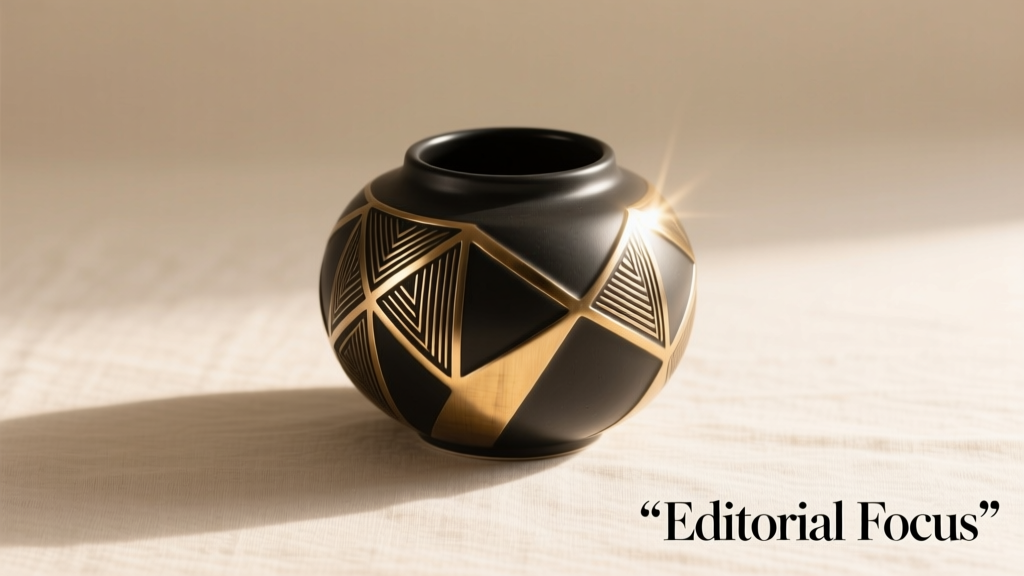
Types of Metal Top Toys
Metal top toys have evolved from simple spinning novelties into diverse play and collectible items that blend physics, artistry, and skill development. While their core function revolves around spinning motion, they can be categorized not only by mechanics but also by design, sensory engagement, and intended use. From educational tools for children to artistic displays for adults, metal tops offer a unique intersection of science and creativity. Common types include spinning tops, balance tops, feature-enhanced tops, stackable designs, and artistic metal tops.
Spinning Metal Tops
The classic and most widely recognized type, designed for long-duration spins on flat surfaces using hand or string propulsion.
Advantages
- Excellent spin duration with proper weight distribution
- Simple, intuitive design suitable for all ages
- Promotes hand-eye coordination and fine motor skills
- Made from durable metals like stainless steel and brass
Limitations
- Requires a smooth, level surface for optimal performance
- Performance highly dependent on balance and craftsmanship
- Limited interactive features beyond spinning
Best for: Educational play, STEM learning, stress relief, traditional toy enthusiasts
Metal Balance Tops
Engineered to challenge stability, these tops feature off-center weights or narrow bases that create dynamic wobbling while spinning.
Advantages
- Demonstrates fascinating principles of physics and gyroscopic motion
- Enhances focus, patience, and hand control
- Visually captivating movement patterns
- Often made from high-quality steel, aluminum, or copper
Limitations
- Steeper learning curve for beginners
- More prone to tipping if not spun correctly
- Less predictable spin time due to instability
Best for: Skill-based play, science demonstrations, mindfulness and concentration exercises
Metal Tops with Additional Features
Innovative designs that incorporate extra elements such as moving parts, sounds, or attached miniatures to enhance sensory engagement.
Advantages
- Multi-sensory experience with visual and auditory feedback
- Engaging for younger children due to playful elements
- Features like bells or rattles add fun and interactivity
- Miniature attachments (e.g., animals, cars) spark imaginative play
Limitations
- Added components may reduce spin time or balance
- More complex construction increases risk of breakage
- Higher price point compared to basic models
Best for: Interactive play, sensory development, gift items for kids
Stacking Metal Tops
Designed for dynamic, interactive play where multiple tops can be stacked and spun together in coordinated motion.
Advantages
- Encourages creativity and experimentation in play
- Bright colors and engaging shapes attract children
- Combines spinning with stacking, enhancing motor planning
- Often made with safe metal-plastic composites
Limitations
- Stacking requires precision and practice
- Plastic components may wear faster than metal
- Spin stability decreases with height
Best for: Interactive group play, early childhood development, educational toys
Artistic Metal Tops
Elegant, design-focused tops that double as decorative objects or collector's pieces, often featuring intricate patterns and premium materials.
Advantages
- Beautiful craftsmanship with geometric or cultural motifs
- Suitable as display items or conversation pieces
- Often made from mixed media: metal, glass, ceramic
- Appeals to older children and adults alike
Limitations
- Higher cost due to artistic detailing
- May prioritize aesthetics over spin performance
- Fragile components (e.g., glass) require careful handling
Best for: Collectors, art lovers, home décor, cultural appreciation
| Type | Primary Function | Age Group | Materials Used | Key Benefit |
|---|---|---|---|---|
| Spinning Metal Tops | Long-duration spinning | Children to Adults | Stainless steel, Brass | Motor skill development, simplicity |
| Metal Balance Tops | Stability challenge | Teens and Adults | Steel, Aluminum, Copper | Physics demonstration, focus training |
| Tops with Features | Sensory engagement | Young Children | Metal with plastic/rattle elements | Interactive and playful |
| Stacking Tops | Interactive stacking | Children (3–10) | Metal-plastic composite | Creative and cooperative play |
| Artistic Metal Tops | Decoration & collection | Older Kids to Adults | Metal, Glass, Ceramic | Aesthetic appeal and craftsmanship |
Expert Tip: For optimal spin performance, always use metal tops on a smooth, flat, and non-slip surface. A small glass or acrylic spinning base can significantly enhance balance and duration, especially for precision-engineered or artistic models.
Designs of Metal Top Toys: Aesthetic and Functional Elements
Metal top toys combine artistry and physics, blending aesthetic appeal with functional engineering. Their design is not only about visual charm but also about performance, durability, and user experience. These toys are crafted with careful consideration of materials, weight distribution, shape, surface treatment, and decorative elements—each contributing to both spinning efficiency and collectible value.
Material Quality: The Foundation of Performance and Durability
The choice of metal significantly influences a top's performance, longevity, and sensory appeal. High-quality materials ensure durability, smooth spinning, and resistance to wear and corrosion. Below are the most commonly used metals in premium metal top manufacturing:
Steel
Renowned for its exceptional strength and resilience, steel is ideal for heavy-duty tops designed for prolonged use. Its high density contributes to longer spin times due to greater rotational inertia. Steel tops are often favored in competitive spinning or outdoor play where impact resistance is crucial. However, they require protective coatings to prevent rust, especially in humid environments.
Brass
Brass tops are prized for their rich golden luster and excellent machining properties. They offer a perfect balance between weight and durability, making them excellent for both performance and display. Naturally corrosion-resistant and hypoallergenic, brass tops maintain their shine over time and are frequently chosen for limited-edition collectibles and artisan-crafted designs.
Copper
Copper stands out with its warm, reddish-brown hue and high thermal and electrical conductivity. While less common in mass production, copper tops are often used in educational kits to demonstrate principles of physics, such as angular momentum and gyroscopic stability. Over time, copper develops a natural patina, adding character and uniqueness to each piece.
Aluminum
Lightweight yet strong, aluminum is a popular choice for children’s tops and beginner models. Its low density allows for easy handling and quick acceleration, making it ideal for fast-spinning tricks. Aluminum can be anodized in vibrant colors, enhancing visual appeal without adding weight. It's also highly resistant to rust, making it suitable for indoor and outdoor use.
| Material | Density (g/cm³) | Spin Duration | Best For |
|---|---|---|---|
| Steel | 7.8 | ★★★★★ | Heavy-duty use, long spins, outdoor play |
| Brass | 8.5 | ★★★★☆ | Collectibles, decorative use, balanced performance |
| Copper | 8.9 | ★★★★☆ | Educational tools, artistic designs, science kits |
| Aluminum | 2.7 | ★★★☆☆ | Children’s toys, colorful designs, beginner models |
Weight and Size: Balancing Performance and Safety
The weight and dimensions of a metal top are critical factors that influence spin dynamics, control, and safety. Heavier tops generally spin longer due to increased angular momentum, while lighter ones are easier to launch and maneuver.
Weight Considerations
Top weight directly affects spin duration and stability. Tops weighing between 200–400 grams provide optimal balance between inertia and manageability. Extremely heavy tops (over 500g) may offer extended spin times but require more skill to operate and pose safety risks, especially for younger users.
Size Variations by Age Group
Size is tailored to user age and dexterity. For children under 8, tops are typically 4–5 cm in diameter and weigh less than 200 grams to ensure safe, easy handling. Older children and adults often prefer larger tops (6–8 cm diameter, 300–400 grams) for competitive play or display, where performance and visual impact are prioritized.
Shape and Balance: Engineering for Optimal Spin
The geometry of a metal top plays a pivotal role in its spinning behavior. A well-balanced shape ensures smooth rotation, minimal wobble, and extended spin time.
Surface Finish: Enhancing Function and Aesthetics
The surface treatment of a metal top not only defines its visual character but also impacts performance and durability:
Polished Finish
Creates a mirror-like shine that enhances visual appeal and reduces surface friction, allowing for smoother and faster spins. Commonly used in competition-grade tops.
Brushed Finish
Provides a matte, textured appearance with subtle grain patterns. It hides minor scratches and fingerprints, making it practical for everyday use and handling.
Coated Finish (Anodized/Painted)
Adds vibrant color options and protects against corrosion. Anodizing is especially effective for aluminum, creating a hard, non-conductive layer that resists chipping and fading.
Raw/Natural Finish
Leaves the metal exposed to develop a natural patina over time. Favored by collectors and purists who appreciate the evolving character of the material.
Graphics and Patterns: From Decoration to Storytelling
Engraved or printed designs transform metal tops into miniature works of art. These patterns serve both aesthetic and cultural purposes:
These artistic elements not only personalize the toy but also elevate it to the status of a collectible item, often sought after by enthusiasts and museums alike.
Important: When selecting or designing metal top toys, always prioritize safety, especially for younger users. Avoid excessively heavy or sharp-edged models. Ensure all finishes are non-toxic and compliant with toy safety standards (e.g., ASTM F963, EN71). Regular cleaning and proper storage will preserve both function and appearance over time.
Uses of Metal Top Toys
Metal top toys, while traditionally associated with spinning games, serve a surprisingly wide range of purposes that extend far beyond simple play. Crafted from durable materials like brass, steel, or copper, these precision-engineered toys blend science, art, and mindfulness into one captivating object. Their applications span entertainment, education, mental wellness, and even artistic expression, making them valuable tools for children and adults alike.
Play and Entertainment
At their core, metal tops are designed for spinning fun. Children are naturally drawn to the visual fascination of a spinning top, which can rotate at high speeds with mesmerizing stability. The simple act of winding and launching a top provides immediate sensory feedback and keeps young minds engaged.
- Encourages outdoor and screen-free play for kids
- Offers a calming, rhythmic experience that captivates attention
- Suitable for all ages—many adults rediscover joy in spinning tops
- Can be used in friendly competitions (e.g., longest spin time)
Fun fact: The hypnotic motion of a spinning top can trigger a state of focused relaxation, even in adults.
Stress Relief and Mindfulness
Modern life brings constant stimulation, but metal tops offer a tactile escape. Spinning a top is a form of active meditation—requiring just enough focus to ground the mind, yet simple enough to allow mental wandering and decompression.
- Acts as a fidget tool to manage anxiety or nervous energy
- Helps improve concentration during work or study breaks
- The rhythmic spin promotes mindfulness and present-moment awareness
- Durable metal construction provides satisfying weight and tactile feedback
Pro tip: Keep a metal top on your desk to take mindful 1–2 minute breaks throughout the day.
Educational Purposes
Metal tops are powerful teaching aids in STEM education. Their physical behavior demonstrates fundamental principles of physics in a tangible, observable way—making abstract concepts accessible to students of all ages.
- Angular momentum: Tops maintain upright spin due to conservation of angular momentum
- Precession: The slow wobble of a top’s axis illustrates gyroscopic precession
- Friction and energy loss: Spin duration shows how surface friction and air resistance dissipate kinetic energy
- Center of mass and balance: Design affects stability and spin efficiency
Classroom idea: Use high-speed cameras or slow-motion video to analyze top motion in physics labs.
Developing Motor Skills
Spinning a top isn’t just fun—it’s a fine motor workout. From gripping and winding to launching with precision, children develop essential neuromuscular coordination through repeated play.
- Improves hand-eye coordination and finger dexterity
- Strengthens grip and finger control, especially in younger children
- Encourages bilateral coordination (using both hands together)
- Builds patience and persistence through trial-and-error spinning
Developmental benefit: Ideal for children aged 5–12 developing fine motor control.
Art and Aesthetics
Metal tops are not just functional—they are miniature works of art. Crafted with precision machining, engraving, and polishing, many tops are designed to be visually stunning, making them popular among collectors and art lovers.
- Used in kinetic art installations where motion creates visual patterns
- Displayed as decorative objects when not in use
- Inspire artistic photography and videography due to light reflection and motion blur
- Collected for their craftsmanship, materials, and limited-edition designs
Creative use: Artists incorporate spinning tops into light painting and long-exposure photography.
Customization and Personalization
One of the most unique aspects of metal tops is their potential for personalization. Engraving and custom finishes transform them into meaningful keepsakes and gifts.
- Engraved with names, dates, or quotes for weddings, graduations, or retirements
- Branded with company logos for corporate gifts or promotional items
- Custom colors and finishes (e.g., gold plating, anodized steel) for special editions
- Serve as heirloom-quality mementos passed through generations
Gift idea: A personalized metal top with a meaningful message makes a unique and lasting gift.
Expert Insight: The true value of a metal top lies in its versatility. Whether used for calming the mind, teaching physics, or sparking creativity, it bridges the gap between play and purpose. For educators and parents, pairing a top with a brief explanation of its scientific principles can turn playtime into a powerful learning experience. For professionals, keeping one on hand can provide a quick mental reset during stressful moments.
| Use Case | Primary Audience | Key Benefit | Suggested Top Type |
|---|---|---|---|
| Stress Relief | Adults, professionals | Mindfulness and focus | Heavy brass or tungsten with smooth finish |
| STEM Education | Students (ages 8–18) | Hands-on physics learning | Clear demonstration model with visible center of mass |
| Motor Skill Development | Children (ages 5–10) | Fine motor coordination | Lightweight aluminum with easy-spin mechanism |
| Art & Collecting | Artists, collectors | Aesthetic and kinetic beauty | Limited-edition, engraved, or handcrafted designs |
| Personalized Gifts | Event attendees, clients | Emotional connection and memorability | Custom-engraved with names or logos |
Additional Considerations
- Material Impact: Brass and copper tops develop a natural patina over time, adding character and uniqueness
- Spin Duration: Precision-balanced tops can spin for several minutes, enhancing their meditative and educational value
- Safety: Metal tops are durable and non-toxic, making them safer than plastic alternatives for older children
- Eco-Friendly: Long-lasting and repairable, metal tops reduce waste compared to disposable toys
- Cultural Significance: Spinning tops have historical roots in many cultures, from Japanese beigoma to European whirligigs
How to Choose the Best Metal Top Toys for Kids
Selecting the right metal top toy for a child involves more than just picking a shiny spinning object. A well-chosen top can offer hours of fun, promote learning, and even support motor development. Key factors to consider include the child's age, safety standards, educational value, durability, noise level, design appeal, and overall play experience. Additionally, evaluating price, included accessories, and long-term usability ensures you get the best value for your investment.
Safety Note: Always supervise young children during play with spinning toys. Small parts and sharp tips can pose choking or injury risks. Choose age-appropriate designs and inspect toys regularly for wear or damage.
Age Appropriateness: Matching Tops to Developmental Stages
Choosing a top that aligns with a child’s age and motor skills is essential for both enjoyment and safety.
- Toddlers (Ages 1–3): Opt for tops under 5 cm in diameter made from lightweight metals or durable plastics. These should feature rounded edges, a stable base, and simple winding or push-spin mechanisms. Avoid tops with small detachable parts or pointed tips.
- Preschoolers (Ages 4–6): This age group can handle slightly more complex spinning toys, such as pull-string or button-spin tops. Look for models with bright colors, engaging designs, and moderate spin duration to maintain interest.
- School-Age Children (7+): Older kids can enjoy advanced metal tops with precision engineering, longer spin times, and competitive play features. Tops with pointed tips or intricate winding mechanisms are suitable here, as children have better hand-eye coordination and understand safety precautions.
Safety First: Ensuring a Risk-Free Play Experience
Safety is paramount when selecting any toy, especially those made of metal. Follow these guidelines to minimize hazards:
- Choose tops made from non-toxic, lead-free metals such as stainless steel, aluminum, or brass.
- Avoid tops with sharp edges or points for younger children. Rounded or rubber-tipped bases are safer for indoor play.
- Prioritize models with solid metal spinners over plastic ones. Plastic center mechanisms can crack or shatter during use, creating sharp fragments.
- Ensure all parts are securely fastened and cannot be easily detached by small hands.
- Check for compliance with safety standards such as ASTM F963 (U.S.) or EN71 (Europe).
Quality and Durability: Built to Last Through Play
Metal tops should withstand repeated spinning, drops, and everyday handling. Material choice significantly impacts longevity:
- Stainless Steel & Brass: Highly durable, resistant to dents and corrosion. Ideal for long-term use and outdoor play.
- Aluminum & Copper: Softer metals that may scratch or deform more easily. Best suited for light indoor use or decorative purposes.
- Protective Coatings: Look for rust-resistant finishes or enamel coatings, especially on brass or iron-based tops, to prevent oxidation and maintain appearance.
Pro Tip: Test the balance and weight distribution of a top before purchase. A well-balanced top spins longer and is less likely to wobble or tip over, enhancing both performance and safety.
Educational Value: Learning Through Play
Metal tops aren’t just fun—they can be powerful tools for STEM learning. Their spinning motion demonstrates key scientific principles in an engaging way:
- Physics Concepts: Tops illustrate angular momentum, rotational inertia, and center of gravity. Children can observe how weight distribution affects spin duration.
- Motor Skills: Winding, launching, and tracking spinning tops improve hand-eye coordination and fine motor control.
- Problem-Solving: Kids learn cause-and-effect by experimenting with different surfaces, launch techniques, and top designs.
- Accessories That Enhance Learning: Tops that come with spinning bases, launchers, or challenge mats encourage interactive play and deeper exploration of motion dynamics.
Quiet vs. Loud Tops: Matching Noise Level to Environment
The sound a top makes can influence where and how it's used:
- Quiet Tops: Ideal for libraries, classrooms, or bedtime play. These typically spin silently or produce a soft hum. They often require only a gentle push to activate and are great for calming sensory activities.
- Loud Tops: Feature whirring, buzzing, or clicking sounds during spin. Perfect for energetic playrooms, outdoor spaces, or games that involve auditory feedback. Some even include LED lights or sound chips for added excitement.
Consider your environment when choosing—some settings call for stealthy spins, while others benefit from the thrill of noise and motion.
Pricing, Value, and Accessories
Metal top toys vary widely in price based on material, craftsmanship, and brand. Here’s how to make a smart purchase:
- Budget-Friendly Options: Aluminum or plated metal tops with basic designs are often affordable and suitable for younger kids.
- Premium Choices: Solid brass or stainless steel tops with precision engineering may cost more but offer superior performance and heirloom-quality durability.
- Accessories That Add Value: Look for sets that include:
- Multiple tops for variety and competition
- Launchers or pull strings for easier spinning
- Storage cases or display stands
- Instructional guides or challenge cards for STEM learning
| Selection Factor | Key Considerations | Recommended For | Top Tips |
|---|---|---|---|
| Age Suitability | Size, mechanism complexity, tip design | Toddlers: Rounded, push-spin Older Kids: Pull-string, pointed tips |
Match top mechanics to child’s motor skills |
| Safety | Non-toxic materials, no sharp edges, secure parts | All ages, especially under 5 | Avoid plastic spinners; check for certifications |
| Durability | Metal type, finish, build quality | Stainless steel, brass with protective coating | Heavier tops often spin longer and resist damage |
| Educational Use | STEM concepts, balance, motion | School-age children | Choose sets with bases or learning guides |
| Noise Level | Sound during spin | Quiet: Libraries Loud: Playrooms, outdoors |
Consider environment and sensory needs |
| Value & Accessories | Included extras, storage, multi-pack options | Families, classrooms, gift-giving | Multi-top sets offer better long-term play value |
Expert Insight: Introduce metal tops as part of a broader STEM toy collection. Pair them with gyroscopes, fidget spinners, or marble runs to deepen understanding of motion, balance, and energy transfer in a playful, hands-on way.
Final Recommendations
- Always supervise young children during top play, especially with pointed or high-speed models.
- Store tops in a dry place to prevent corrosion, particularly for brass or iron-based models.
- Encourage kids to experiment with different surfaces (wood, tile, carpet) to see how friction affects spin time.
- Consider gifting a top set with multiple designs for birthday or holiday presents—great for solo or group play.
- Check customer reviews for real-world feedback on durability, spin performance, and ease of use.
By thoughtfully selecting metal top toys based on age, safety, educational potential, and quality, you can provide children with a timeless play experience that blends fun, learning, and lasting durability. Whether for quiet solo play or lively group challenges, the right metal top can spin its way into a favorite childhood treasure.
Frequently Asked Questions About Metal Spinning Tops
Q1: How can the spinning of a metal top be prolonged?Extending the spin time of a metal top involves optimizing both its design and the environment in which it spins. A longer spin duration is achieved through several key factors:
- Balanced Weight Distribution: A well-balanced top with a low center of gravity maintains stability and reduces wobbling, which drains rotational energy.
- Smooth Surface Finish: Polished surfaces reduce micro-friction between the tip and the spinning surface, allowing for smoother rotation.
- Minimized Air Resistance: Aerodynamic shapes—such as tapered or rounded tops—help reduce drag, especially at high speeds.
- High-Quality Spinning Surface: Using a flat, hard surface like glass or polished stone minimizes resistance compared to softer or uneven materials.
- Precision Tip Design: A finely crafted tip (often made of hardened steel or ceramic) ensures minimal contact area, reducing friction and wear.
Advanced spinning tops, such as precision gyroscopic or bearing-based models, can spin for several minutes due to engineered balance and low-friction components.
Q2: Which metal is ideal for kids’ spinning tops?When selecting metals for children's spinning tops, safety, durability, and resistance to wear are top priorities. The most suitable options include:
- Brass: Known for its weight and smooth finish, brass provides excellent balance and a satisfying heft. It’s naturally corrosion-resistant and develops a warm patina over time, making it both safe and long-lasting.
- Stainless Steel: Offers superior strength and resilience against drops and impacts. Its non-toxic, rust-resistant properties make it ideal for frequent use by children.
Both metals are non-magnetic and free from hazardous coatings when sourced responsibly. Additionally, tops made from these materials often feature rounded edges and smooth finishes to prevent injuries, making them perfect for young hands during play and learning activities.
Q3: What is the function of balance tops?Balance tops—also known as gyroscopic or stability training tops—are specifically engineered to enhance a user's hand-eye coordination, focus, and fine motor skills. Their primary functions include:
- Motion Control Training: Users learn to maintain the top’s upright position during spin, developing spatial awareness and steady hand movements.
- Focus and Concentration: Keeping the top balanced requires sustained attention, which is beneficial for cognitive development in children and mindfulness in adults.
- STEM Learning Tool: These tops demonstrate principles of angular momentum, inertia, and equilibrium in an engaging, hands-on way.
- Therapeutic Use: Often used in occupational therapy to improve dexterity and coordination in individuals recovering from injuries or managing developmental conditions.
By combining fun with functional skill-building, balance tops serve as both educational toys and tools for personal development.
Q4: How are metal tops valuable for education?Metal spinning tops are powerful educational tools that bring abstract physics and engineering concepts to life in classrooms and informal learning environments. Their educational value includes:
| Educational Concept | How Metal Tops Demonstrate It |
|---|---|
| Rotational Motion | Tops visually illustrate angular velocity, torque, and centripetal force during spin. |
| Conservation of Angular Momentum | As the top slows, precession becomes visible—showing how momentum shifts without external torque. |
| Symmetry and Center of Mass | Well-designed tops rely on radial symmetry and precise mass distribution to spin smoothly. |
| Friction and Energy Loss | Students observe how surface interaction and air resistance gradually reduce spin time. |
| Material Science | Different metals (brass, steel, aluminum) allow comparisons of density, durability, and thermal conductivity. |
Teachers use metal tops in science fairs, physics labs, and STEM workshops to promote inquiry-based learning. Their tactile nature helps students retain complex ideas more effectively than textbook-only instruction.
Q5: What is the reason behind fidget tops being so famous?Fidget spinning tops have gained widespread popularity due to their unique blend of simplicity, portability, and psychological benefits. Key reasons for their fame include:
- Stress and Anxiety Relief: The repetitive spinning motion has a calming effect, helping users manage stress, anxiety, and restlessness.
- Focus Enhancement: For individuals with ADHD, autism, or sensory processing differences, fidget tops provide a discreet way to channel excess energy and improve concentration.
- Portability and Accessibility: Compact and lightweight, they fit easily in pockets or bags, making them convenient for use at school, work, or during travel.
- Sensory Stimulation: The smooth spin, subtle weight, and quiet operation engage multiple senses without being distracting.
- Aesthetic Appeal: Available in various finishes, colors, and designs, many fidget tops double as collectible or decorative items.
- Digital Detox Tool: In an age of constant screen exposure, fidget tops offer a screen-free, tactile alternative for idle hands.
Backed by educators and therapists alike, fidget tops have evolved from simple toys into recognized tools for mental wellness and cognitive support.









