When choosing a dog harness, pet owners often focus on size, adjustability, and leash attachment points—but the material is just as critical. Two of the most common materials used in modern dog harnesses are mesh and polyurethane (PU). While both serve functional purposes, they differ significantly in breathability, durability, flexibility, and long-term comfort. Understanding these differences helps ensure your dog stays comfortable during walks, training sessions, and outdoor adventures.
The right harness material can influence everything from skin irritation to behavioral responses during training. For dogs with sensitive skin, overheating issues, or high activity levels, the choice between mesh and PU isn’t just cosmetic—it directly impacts well-being and performance.
Breathability and Temperature Regulation
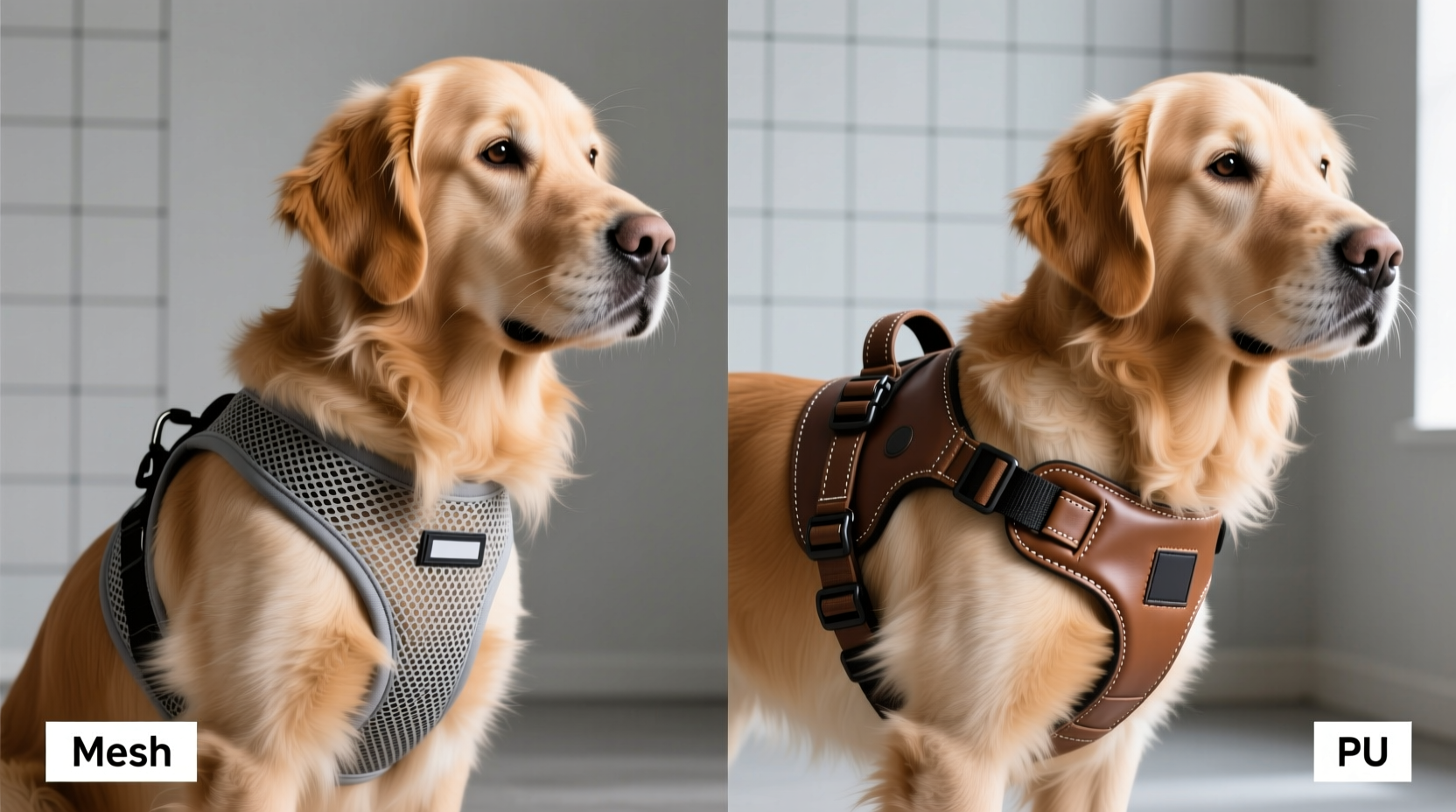
Dogs regulate body temperature primarily through panting, not sweating, which makes heat management crucial during physical activity. Mesh harnesses, typically constructed from lightweight nylon or polyester netting, offer superior airflow. This open-weave structure allows air to circulate around the chest and underarms, reducing the risk of overheating—especially important for brachycephalic breeds like Bulldogs or Pugs.
In contrast, PU (polyurethane) harnesses often feature coated fabrics or solid synthetic layers that provide structure and water resistance but limit ventilation. While some PU models incorporate perforations to improve airflow, they still trap more heat than mesh alternatives. In humid or warm climates, this can lead to discomfort, excessive panting, or reluctance to walk.
Tip: Choose mesh harnesses for dogs that exercise heavily or live in hot environments to prevent heat stress.Durability and Resistance to Wear
While mesh excels in breathability, it may not match the durability of PU-coated materials. PU fabric is inherently more resistant to abrasion, tearing, and moisture. It holds up better against rough terrain, frequent washing, and chewing tendencies. This makes PU harnesses ideal for working dogs, outdoor adventurers, or pets in rainy climates where water resistance matters.
Mechanical stress points—such as D-ring attachments or shoulder straps—are often reinforced with PU overlays even in mesh harnesses, indicating the material’s structural advantages. However, prolonged exposure to UV light or chlorine (from swimming) can degrade PU over time, leading to stiffness or cracking.
Maintaining either material requires care: mesh should be hand-washed to preserve elasticity, while PU benefits from wiping down after use to prevent grime buildup in crevices.
Comfort and Fit: Skin Sensitivity and Pressure Distribution
Comfort extends beyond softness—it involves pressure distribution, friction reduction, and freedom of movement. Mesh harnesses tend to be lighter and conform more closely to a dog’s natural shape, minimizing chafing. Many include padded linings and elastic zones that move with the dog, making them suitable for extended wear.
PU harnesses, though sturdier, can feel rigid, especially if poorly designed. The inflexibility may restrict shoulder motion in active dogs, potentially affecting gait over time. That said, higher-end PU harnesses integrate flexible polymers and ergonomic shaping to reduce these drawbacks.
Dogs with allergies or dermatological conditions often respond better to mesh due to reduced moisture retention and less direct chemical contact. PU coatings, while generally non-toxic, can occasionally cause reactions in hypersensitive animals.
“Material choice influences not just comfort, but how a dog engages with training. A harness that causes irritation or restricts movement will create resistance—both physically and mentally.” — Dr. Lena Torres, Canine Behavior Specialist
Training Performance: How Material Affects Focus and Response
During obedience or behavior training, consistency and comfort are key. A dog distracted by an itchy or tight harness will struggle to focus. Mesh harnesses, being softer and more breathable, allow dogs to remain calm and attentive, particularly during prolonged sessions.
For positive reinforcement training, minimal restraint is preferred—mesh harnesses support this by allowing natural movement without constriction. Conversely, some trainers prefer PU-based no-pull harnesses for dogs prone to lunging, as the added structure provides more control. However, over-reliance on restrictive gear can lead to dependency rather than learned behavior.
Studies show that dogs wearing ill-fitting or uncomfortable harnesses exhibit increased stress markers, such as lip-licking, yawning, and avoidance behaviors. Ensuring proper fit—regardless of material—is essential, but material amplifies or mitigates these effects.
Real-World Example: Training a Reactive Rescue Dog
A 3-year-old mixed-breed rescue named Milo exhibited leash reactivity and would frequently tug, whine, and attempt to twist out of his original PU-heavy harness. His foster owner switched to a lightweight mesh harness with wide chest padding and noticed immediate improvements. Within two weeks, Milo showed fewer signs of distress during walks, responded faster to cues, and tolerated longer training intervals. The change wasn’t in technique—but in comfort. The mesh reduced pressure on his shoulders and allowed better airflow, helping him stay relaxed enough to learn.
Comparison Table: Mesh vs PU Harness Features
| Feature | Mesh Harness | PU Harness |
|---|---|---|
| Breathability | Excellent – ideal for warm weather | Low to moderate – traps heat |
| Durability | Good – may fray with heavy use | Excellent – resists tears and moisture |
| Weight | Lightweight – less fatigue | Heavier – more bulk |
| Skin-Friendliness | High – less irritation | Moderate – potential for rubbing |
| Best For | Daily walks, training, hot climates | Outdoor work, wet conditions, strong pullers |
Actionable Checklist: Choosing the Right Material
- Evaluate your dog’s activity level: High-energy dogs benefit from mesh for breathability.
- Consider climate: Hot or humid regions favor mesh; rainy areas may need PU’s water resistance.
- Assess skin sensitivity: Dogs with allergies or thin coats do better with soft, non-coated mesh.
- Check for mobility: Older or arthritic dogs need flexible materials that don’t restrict motion.
- Test fit and movement: Ensure the harness doesn’t rub shoulders or slip during walking.
- Wash and maintain regularly: Follow manufacturer guidelines to extend lifespan regardless of material.
Frequently Asked Questions
Can I use a mesh harness for a strong-pulling dog?
Yes, but only if it's specifically designed for control. Look for dual-clip harnesses (front and back) made with reinforced stitching and structural support. Standard mesh harnesses may not withstand constant strain.
Do PU harnesses cause skin rashes?
Not typically, but poor ventilation and trapped moisture can lead to hot spots, especially in double-coated breeds. Regular cleaning and proper sizing reduce this risk. If your dog shows redness or itching, switch to a breathable mesh option.
How often should I replace a dog harness?
Inspect every 6–12 months for fraying, buckle wear, or stretched straps. Mesh may degrade faster with frequent washing; PU can last years if maintained. Replace immediately if safety is compromised.
Final Recommendations and Next Steps
The material of a dog harness isn’t a minor detail—it plays a central role in comfort, health, and training success. Mesh harnesses are generally superior for everyday use, especially in warm weather or for dogs undergoing behavioral training. Their breathability and soft construction support mental focus and physical ease. PU harnesses, while less comfortable for long durations, offer unmatched durability and weather resistance, making them better suited for working roles or extreme conditions.
The best approach is often hybrid: using a mesh harness for daily walks and training, and a PU-reinforced model for hiking, travel, or inclement weather. Always prioritize fit and function over aesthetics, and observe your dog’s body language—ears back, reluctance to move, or excessive scratching are signs the harness isn’t working.
💬 Have you noticed a difference in your dog’s behavior based on harness material? Share your experience below and help other pet owners make informed choices.








