
Dogs thrive on consistency. Their digestion, energy levels, and emotional well-being are closely tied to predictable routines—especially when it comes to eating. For many pet owners, juggling work schedules, travel, or unpredictable days makes maintaining regular mealtimes a challenge. That’s where automatic feeders come in. When used thoughtfully, these devices can support your dog’s health while giving you greater flexibility. But simply plugging in a feeder isn’t enough. To truly maximize your dog’s mealtime, you need to understand how to use the technology wisely, maintain hygiene, and adapt it to your dog’s unique needs.
Why Mealtime Consistency Matters for Dogs
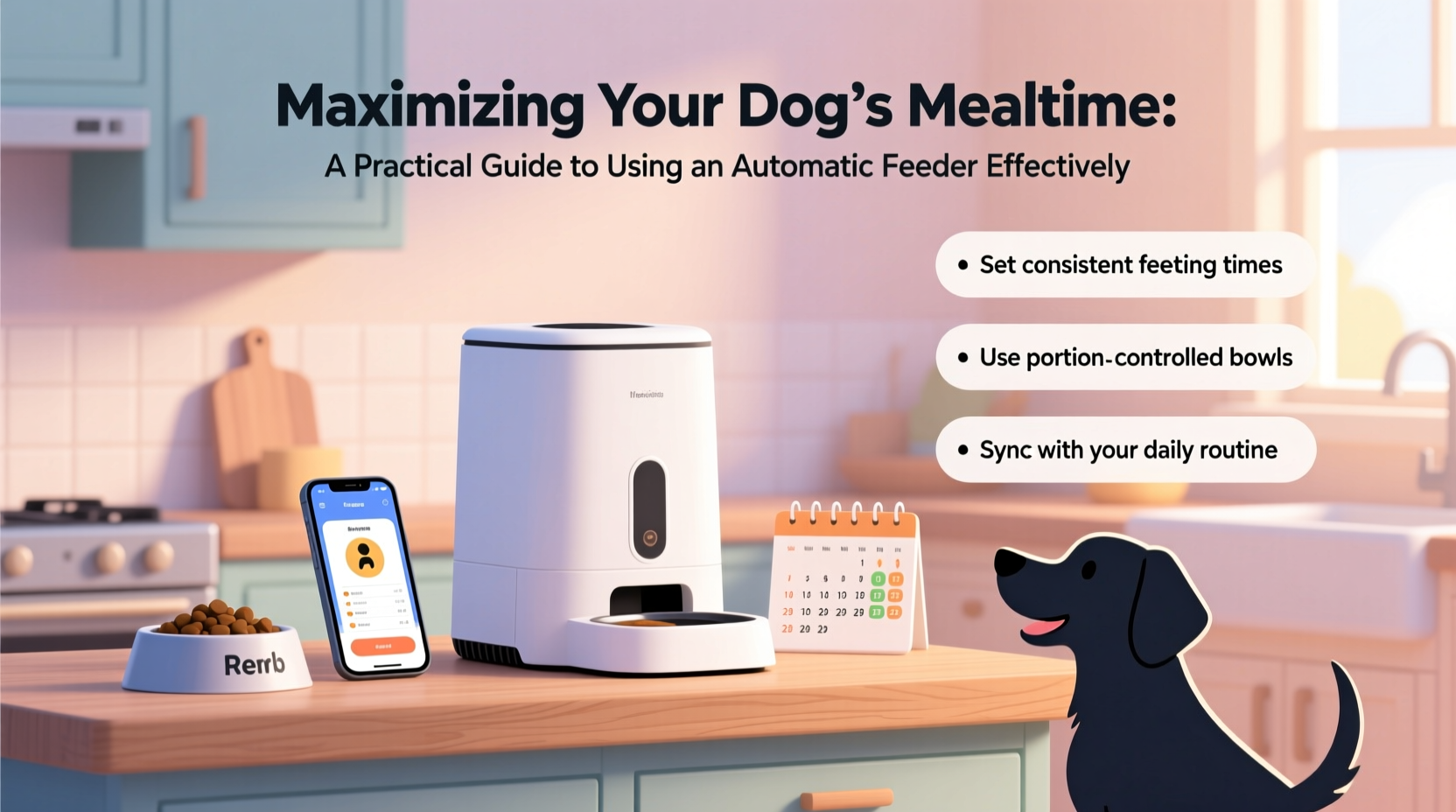
Dogs are creatures of habit. A consistent feeding schedule helps regulate their metabolism, prevents digestive upset, and reduces anxiety. Skipping meals or feeding at random times can lead to bloating, hunger-related behavioral issues, or even conditions like gastric torsion in deep-chested breeds. Automatic feeders offer a solution by delivering food at precise intervals, regardless of your presence.
However, convenience should never override care. An automatic feeder is only as effective as the strategy behind its use. Poorly calibrated portions, stale kibble, or mechanical failures can do more harm than good. The goal isn’t just automation—it’s optimization.
Tip: Always test your automatic feeder manually before relying on it during a long absence to ensure proper portion release and timing.Choosing the Right Feeder for Your Dog’s Needs
Not all automatic feeders are created equal. Some dispense dry food only, while others include refrigerated compartments for wet meals. Battery backups, app connectivity, voice recording features, and portion control vary widely. Matching the device to your dog’s size, diet, and temperament is critical.
For example, a small breed like a Shih Tzu may do well with a compact single-compartment feeder, but a Labrador prone to bloat needs measured, slow-release portions that prevent gulping. Larger dogs also require feeders with bigger food bins to avoid frequent refills.
“An automatic feeder should complement—not replace—your role as a caregiver. It’s a tool for consistency, not disengagement.” — Dr. Lena Patel, Veterinary Behaviorist
Key Features to Consider
- Portion control precision: Look for models with adjustable cup sizes or programmable gram measurements.
- Power options: Choose units with dual power (plug-in + battery backup) to prevent malfunctions during outages.
- Food compartment design: Wide openings reduce jamming; sealed lids keep food fresh.
- Connectivity: Wi-Fi-enabled feeders send alerts if meals are skipped or if the device detects an error.
- Security: Locking mechanisms deter clever dogs from breaking in early.
Setting Up Your Feeder: A Step-by-Step Guide
Proper setup ensures reliability and safety. Follow this sequence to integrate an automatic feeder into your dog’s routine without disruption.
- Unbox and inspect: Check for manufacturing defects, clean all removable parts with mild soap and water, and let them air dry.
- Choose a stable location: Place the feeder on a flat, non-slip surface away from direct sunlight and moisture.
- Program the schedule: Start with one meal per day to observe behavior, then gradually introduce full automation. Align feeding times with your dog’s natural rhythm—typically morning and evening.
- Calibrate portion size: Use your dog’s daily caloric needs and divide accordingly. For instance, a 30-pound dog needing 750 calories/day might get two 375-calorie meals.
- Test run: Manually trigger a feeding cycle to confirm smooth dispensing. Watch for jams or incomplete releases.
- Introduce your dog: Let your dog sniff the feeder and reward calm behavior. Play recorded voice messages if available to ease anxiety.
Best Practices for Ongoing Use
Once operational, maintenance becomes key. A dirty or poorly managed feeder can compromise nutrition and hygiene.
Maintenance Checklist
- Clean food tray and hopper weekly with pet-safe disinfectant
- Inspect seals and moving parts monthly for wear
- Replace batteries every 6 months, even if not depleted
- Rotate kibble stock every 30 days to prevent staleness
- Verify Wi-Fi connection and app notifications weekly
- Manually supervise at least one feeding per week
Dry Food Storage: Do’s and Don’ts
| Do | Don’t |
|---|---|
| Store kibble in original bag inside the feeder bin to preserve nutrients | Leave food exposed to air for more than 48 hours |
| Use silica gel packets to absorb moisture | Fill the hopper more than 7 days in advance |
| Wipe down interior after refilling | Use oily or moist foods unless the feeder is designed for them |
Real-World Example: Managing a High-Energy Border Collie
Sarah, a veterinary technician in Colorado, adopted a high-energy Border Collie named Scout who required strict meal timing due to a history of hypoglycemia. Her rotating night shifts made consistent feeding difficult. After researching options, she chose a dual-compartment, app-connected feeder with voice recording.
She programmed four small meals daily, aligning with Scout’s metabolic needs. She recorded herself saying “Dinner time, buddy!” which played each evening. Within a week, Scout associated the sound with food and waited calmly by the device. Sarah received push notifications confirming each meal was dispensed—and ate. Over time, Scout’s energy stabilized, and his nighttime restlessness decreased significantly.
The system worked because Sarah didn’t rely on automation alone. She continued hand-feeding treats during training, maintained weekend meal supervision, and cleaned the unit religiously. The feeder supported her caregiving—it didn’t replace it.
Troubleshooting Common Issues
Even the best feeders encounter problems. Being prepared helps prevent missed meals or stress.
- Food jams: Caused by oddly shaped kibble or static buildup. Break up clumps before loading and consider switching to uniformly sized kibble.
- Early/late dispensing: Often due to incorrect time settings or power glitches. Enable 24-hour format and sync with network time via app.
- Dog ignores the feeder: May stem from fear, noise sensitivity, or lack of association. Reintroduce gradually with positive reinforcement nearby.
- Wi-Fi disconnects: Ensure the feeder is within router range. Reset the connection through the app if needed.
Frequently Asked Questions
Can I use wet food in an automatic feeder?
Only if the model is specifically designed for it. Standard dry-food feeders will clog and spoil with moist diets. Refrigerated feeders with sealed trays are suitable for wet or raw portions but require daily cleaning.
How do I know if my dog is getting the right amount?
Weigh your dog monthly and monitor body condition—ribs should be palpable but not visible. Adjust portions based on activity level, season, and vet recommendations. Many apps allow calorie tracking linked to feeding logs.
What happens if the power goes out?
If your feeder lacks battery backup, meals won’t dispense. Always have a contingency plan—like a neighbor checking in—or invest in a model with at least 72-hour battery life.
Final Thoughts: Automation with Intention
An automatic feeder is more than a gadget—it’s a commitment to consistency, health, and thoughtful pet ownership. When set up correctly, it supports your dog’s biological rhythms and gives you peace of mind during busy periods. But technology works best when paired with awareness. Monitor your dog’s response, maintain the device diligently, and never lose touch with the daily rituals that build trust.
Mealtime is more than nutrition. It’s routine, security, and connection. By maximizing the effectiveness of your automatic feeder, you’re not stepping back—you’re showing up smarter.
🚀 Ready to optimize your dog’s feeding routine? Audit your current setup today—check portion accuracy, clean the unit, and reprogram one meal for better timing. Small changes lead to lasting benefits.








