When choosing a lip product that can survive lunch, coffee breaks, or a casual dinner, longevity becomes the deciding factor. Two of the most popular options—matte lip gloss and liquid lipstick—are often mistaken for one another, but they differ significantly in formulation, finish, and staying power. While both promise bold color and modern appeal, only one consistently holds up through meals without constant reapplication. Understanding the science behind their formulas, how they interact with food, and what happens during eating reveals the true winner in durability.
Understanding the Formulations
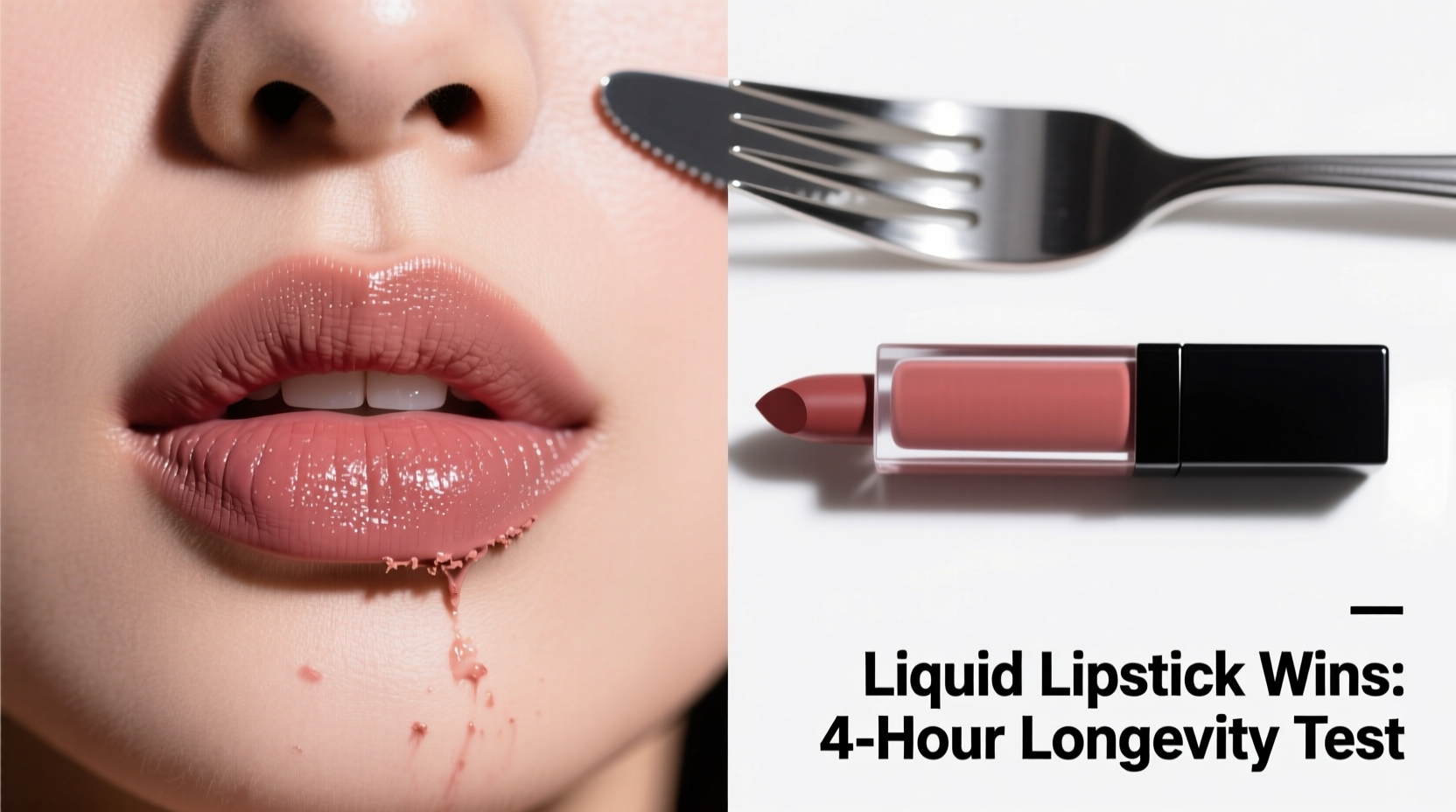
Liquid lipstick and matte lip gloss may appear similar at first glance—both are applied with a wand or doe-foot applicator and dry to a non-shiny finish—but their base compositions tell very different stories.
Liquid lipstick is typically formulated with a high concentration of pigments and film-forming polymers. These polymers create a flexible, semi-permanent layer on the lips that bonds tightly to the skin. Once dried, the color remains locked in place, resisting smudging and fading even when exposed to oils and moisture. This makes it ideal for long-wearing situations, including dining.
Matte lip gloss, despite its name, is not a traditional gloss. It refers to a newer hybrid category: a glossy formula engineered to dry down to a velvety, flat finish. Unlike classic lip glosses loaded with oils and silicones, matte versions use less emollient and more wax or resin to reduce shine. However, they still retain some of the fluidity and comfort of a gloss, which compromises their ability to fully adhere like a true liquid lipstick.
“Liquid lipsticks are designed to form a continuous film on the lips. Matte glosses aim for comfort and sheerness—they can’t match that level of adhesion.” — Dr. Lena Patel, Cosmetic Chemist
Performance During Meals: A Side-by-Side Breakdown
To determine which product lasts longer through meals, consider three key factors: oil resistance, friction tolerance, and pigment retention.
| Factor | Liquid Lipstick | Matte Lip Gloss |
|---|---|---|
| Oil Resistance | High – polymer film repels food oils | Moderate – absorbs oils over time, leading to breakdown |
| Friction Tolerance | Excellent – resists rubbing from utensils, cups, napkins | Fair – prone to flaking or smudging with contact |
| Pigment Retention | High – color fades evenly, rarely disappears completely | Low to Moderate – tends to wear off in patches, especially after oily foods |
| Transfer Resistance | Very High – minimal to no transfer once set | Moderate – slight transfer common, especially early in wear |
| Reapplication Need After Meal | Rarely needed | Often required |
The data shows a clear advantage for liquid lipstick when eating is involved. Its film-forming technology prevents immediate degradation upon contact with food, whereas matte lip gloss begins to degrade as soon as it interacts with fats and physical touch.
Tip: Blotting your lips gently with a tissue before eating can help preserve any lip product, but it’s especially effective for matte glosses that haven’t fully set.Real-World Eating Scenarios: A Mini Case Study
Sophia, a marketing executive based in Chicago, wears makeup daily for client meetings and networking lunches. She tested two products over a week: a popular matte liquid lipstick (brand X) and a trending matte lip gloss (brand Y).
Each day, she wore one product and documented her experience during a standard lunch: grilled chicken salad with olive oil dressing, garlic bread, and iced tea. She avoided touching her lips directly and used a fork and straw where possible.
- Day 1–3 (Liquid Lipstick): After finishing her meal, Sophia noticed only slight fading at the center of her lower lip. No reapplication was needed. The edges remained sharp, and there was no ring on her glass.
- Day 4–6 (Matte Lip Gloss): Within minutes of eating the garlic bread, the gloss began to feel tacky. After blotting, she saw visible transfer on the napkin. By the end of the meal, the color had faded unevenly, with bare spots near the corners. Reapplication was necessary before her afternoon meeting.
Her conclusion: “The liquid lipstick lasted through lunch like it wasn’t even happening. The matte gloss looked prettier initially, but I had to fix it immediately after eating. For workdays, I’ll stick with liquid lipstick.”
Why Texture Impacts Longevity
The tactile experience of a lip product influences not just comfort but also durability. Liquid lipsticks start out slightly wet but dry within 30–60 seconds into a lightweight, second-skin feel. This drying process is critical—it’s when the polymers cross-link and form a resilient barrier.
Matte lip glosses, on the other hand, often remain slightly flexible or soft to the touch. This flexibility enhances comfort, particularly for those who dislike the tightness of some liquid lipsticks, but it also means the formula never fully “sets” in the same way. As a result, it’s more vulnerable to disruption.
Eating introduces multiple stressors: heat from hot foods, mechanical friction from chewing, and chemical breakdown from oils and acids in food. A fully set liquid lipstick can withstand these forces because it functions almost like a temporary tattoo. Matte lip gloss lacks this structural integrity.
Step-by-Step: How to Maximize Wear Time for Either Product
Even if you prefer matte lip gloss, you can extend its life through meals with a strategic approach:
- Exfoliate First: Use a gentle lip scrub or damp washcloth to remove dead skin. Smooth lips provide a better surface for adhesion.
- Prime & De-Gloss: Apply a light dusting of translucent powder over a nude liner to create a matte base. Avoid moisturizing right before application.
- Apply Thin Layers: One thin, even coat performs better than a thick, gloopy one. Let it dry completely before leaning in.
- Avoid Touching: Resist the urge to press your lips together or lick them. This disrupts the setting process.
- Blot Strategically: After 2–3 minutes, gently blot with a tissue to remove excess product that could transfer.
- Post-Meal Check: Carry the product with you. If fading occurs, reapply only to the most affected areas.
For liquid lipstick users, the same steps apply but are less critical—these formulas are forgiving due to their robust binding agents.
Expert Tips for Choosing the Right Product
Not all liquid lipsticks or matte glosses perform equally. Some brands prioritize comfort over longevity, while others sacrifice wear time for a trendy look. Consider these guidelines when selecting a product built to last.
Tip: Look for keywords like “long-wear,” “transfer-proof,” or “kiss-proof” on packaging. Avoid terms like “comfort-matte” or “sheer coverage” if durability is your priority.- Check the ingredient list: Polymers like acrylates copolymer or polyurethane indicate strong film formation.
- Avoid high oil content: Ingredients like castor oil, mineral oil, or dimethicone improve glide but reduce staying power.
- Test before buying: Swipe samples on your wrist and rub them with a greasy finger. The one that resists smudging is likely better for meals.
- Consider climate: In humid environments, matte lip glosses may break down faster due to moisture absorption.
FAQ: Common Questions About Lip Product Longevity
Does matte lip gloss ever last as long as liquid lipstick?
In rare cases, yes—some high-end matte glosses use advanced resins to mimic liquid lipstick performance. However, most drugstore and mid-tier formulas prioritize comfort and shine over endurance. True longevity is still dominated by liquid lipsticks.
Can I make matte lip gloss last longer with a lip liner?
A lip liner helps define shape and prevent feathering, but it won’t stop the gloss itself from wearing off. It may leave a faint outline after eating, giving the illusion of lasting color, but the full coverage will still fade.
Why does my liquid lipstick crack after eating?
Crumbling usually results from dry lips or applying too thick a layer. Exfoliate regularly and hydrate well between uses. Cracking isn’t a sign of poor quality—it’s often user error. Also, avoid layering over balm; apply liner and let it dry before adding more product.
Final Verdict: Which Lasts Longer Through Meals?
The evidence overwhelmingly favors liquid lipstick when it comes to surviving meals. Its polymer-based formula creates a durable, oil-resistant shield that matte lip gloss simply cannot replicate. While matte lip gloss offers a softer appearance and more comfortable feel, it sacrifices resilience—especially against greasy foods, repeated sipping, and natural lip movement during chewing.
Liquid lipstick maintains its integrity through multiple courses, often requiring zero touch-ups. Even after eating, it typically fades gracefully rather than vanishing entirely. Matte lip gloss, by contrast, tends to wear off in patches, transfer onto utensils, and demand reapplication shortly after eating begins.
If your lifestyle includes frequent dining out, business lunches, or social events involving food, liquid lipstick is the smarter choice. For casual daytime wear or photo-centric occasions where initial impact matters more than endurance, matte lip gloss remains a stylish option—just keep it handy for touch-ups.
“The future of long-wear lips lies in balancing comfort and performance. But today, nothing beats a well-formulated liquid lipstick for real-life durability.” — Marcus Lee, Lead Formulator at Luxe Beauty Labs
Checklist: Choose the Right Lip Product for Mealtime Wear
- ☐ Prioritize liquid lipstick for meals and events with food
- ☐ Opt for matte lip gloss when appearance and comfort are top priorities
- ☐ Always exfoliate and prime lips before application
- ☐ Avoid moisturizing lips right before applying long-wear formulas
- ☐ Test products with a grease rub before committing
- ☐ Carry your lipstick for quick fixes, especially if using gloss
- ☐ Read ingredient labels for polymers and low oil content
Conclusion
Choosing between matte lip gloss and liquid lipstick ultimately depends on your priorities. But when the question is about lasting through meals, the answer is clear: liquid lipstick wins. It’s engineered for endurance, resists food-related wear, and maintains its presence long after the plates are cleared. Matte lip gloss may offer a trendier texture or more forgiving feel, but it can’t match the staying power needed for real-world demands.
🚀 Ready to upgrade your lip routine? Try a high-performance liquid lipstick at your next meal—and see the difference for yourself. Share your experience in the comments below!








