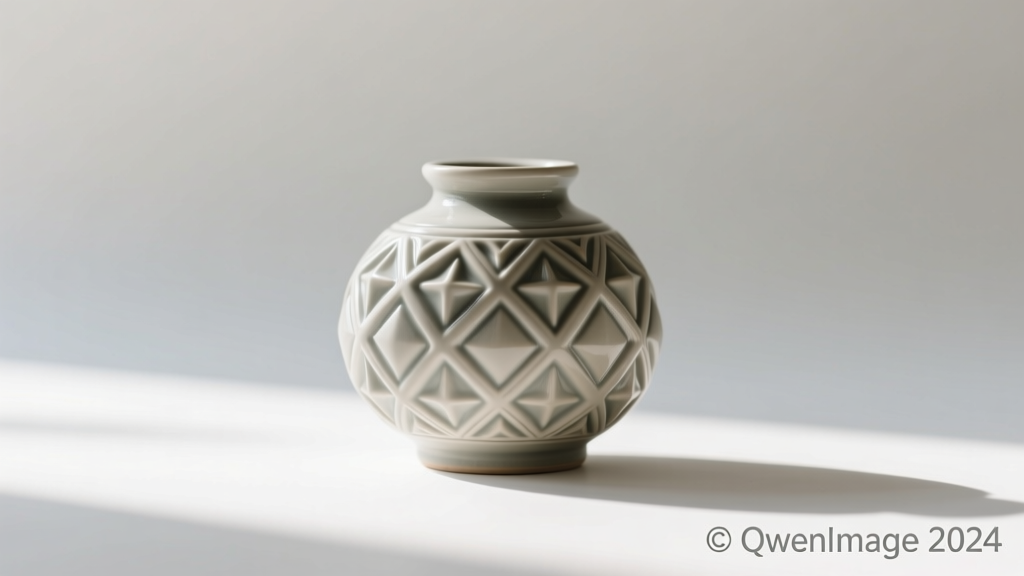
Types of Match Stick Jars
A match stick jar is more than just a simple container—it's a blend of functionality, safety, and design. These jars are used to store matches securely while protecting them from moisture, dust, and accidental ignition. Whether for everyday use, outdoor adventures, or home décor, choosing the right type of match jar enhances both convenience and style. Below is a comprehensive guide to the most common types of match stick jars available today.
Classic Glass Jar
One of the most traditional and widely used options, the classic glass jar offers a clear view of the match contents, making it easy to monitor usage without opening the container.
Advantages
- Transparent design allows visual inventory check
- Non-reactive to fire and heat
- Versatile for safety, strike-anywhere, or luminous matches
- Available with decorative metal, cork, or wooden lids
Limitations
- Breakable if dropped or exposed to impact
- Requires careful handling, especially around children
- Limited protection against moisture without a tight seal
Best for: Indoor use, kitchen drawers, decorative displays, and households preferring visibility and simplicity
Safety Match Jar
Specially engineered for safety matches, these jars include an integrated striking surface—typically on the lid or side—eliminating the need for a separate matchbox.
Advantages
- Self-contained striking surface for convenience
- Secure lid prevents moisture and dust exposure
- Reduces risk of accidental ignition
- Available in glass, ceramic, or durable plastic
Limitations
- Only compatible with safety matches (not strike-anywhere)
- Striking surface may wear over time
- May require replacement of the abrasive strip periodically
Best for: Kitchens, fireplaces, and homes with children where safety and controlled access are priorities
Apothecary Jar
Inspired by vintage pharmacy containers, apothecary-style jars feature a thick glass base and wide mouth, offering both durability and aesthetic charm.
Advantages
- Elegant, timeless design enhances home décor
- Sturdy construction resists chipping and tipping
- Available in clear, frosted, or tinted glass for visual variety
- Works well with both safety and decorative matches
Limitations
- Heavier than standard glass jars
- May lack built-in striking surfaces
- Potential for breakage if not handled carefully
Best for: Living rooms, mantelpieces, and rustic or vintage-themed interiors
Wooden Matchstick Holder
Crafted from natural wood, these holders provide a warm, organic feel and are often hand-carved or finished with eco-friendly oils.
Advantages
- Rustic, natural aesthetic complements cabin or farmhouse décor
- Durable hardwood resists wear and aging
- Some models include built-in sandpaper for striking
- Biodegradable and renewable material
Limitations
- Combustible material—risk of fire if sparks ignite the wood
- Not ideal for strike-anywhere matches without caution
- Requires dry storage to prevent warping or mold
Best for: Fireplaces, cabins, and eco-conscious homes; best used with safety matches
Recycled or Eco-Friendly Jar
Designed with sustainability in mind, these jars are made from recycled glass, bioplastics, or reclaimed materials to reduce environmental impact.
Advantages
- Environmentally responsible production process
- Often features biodegradable or recyclable components
- May include built-in striking surfaces for functionality
- Supports zero-waste and green lifestyle choices
Limitations
- May be more expensive due to sustainable sourcing
- Limited availability in some regions
- Material strength may vary depending on recycled content
Best for: Eco-conscious consumers, zero-waste households, and environmentally focused brands
Canister Jar with Rubber Seal
Engineered for maximum protection, these airtight canisters use rubber-sealed lids to shield matches from moisture, humidity, and outdoor elements.
Advantages
- Airtight seal ensures long-term match reliability
- Ideal for camping, boating, and emergency kits
- Available in metal, ceramic, or reinforced glass
- Highly durable and spill-proof design
Limitations
- Opaque design hides match levels
- May require separate striking surface
- Bulkier than standard jars
Best for: Outdoor enthusiasts, survival kits, and humid climates where moisture protection is essential
| Type | Visibility | Moisture Resistance | Safety Features | Ideal Use Case |
|---|---|---|---|---|
| Classic Glass Jar | Excellent | Fair | Basic | Kitchen, decorative storage |
| Safety Match Jar | Good | Good | Integrated striking surface | Child-safe homes, fireplaces |
| Apothecary Jar | Excellent | Fair | Basic | Vintage décor, living areas |
| Wooden Holder | Good | Fair | Low (flammable material) | Rustic interiors, cabins |
| Recycled/Eco Jar | Varies | Good | May include striker | Eco-friendly homes, green brands |
| Canister with Seal | Poor | Excellent | High (airtight protection) | Outdoor use, emergency kits |
Expert Tip: For outdoor or emergency use, pair a rubber-sealed canister jar with safety matches and store it in a cool, dry place. Consider labeling the jar clearly to avoid confusion and ensure quick access during power outages or camping trips.
The Art and Function of Matchstick Jar Design
Matchstick jars are more than simple containers—they are a blend of practical engineering, aesthetic craftsmanship, and cultural storytelling. Thoughtfully designed to balance usability with visual appeal, these jars serve both functional and decorative purposes in homes, outdoor gear, and ceremonial settings. As sustainability becomes increasingly important, modern designs also reflect eco-conscious values, making match jars a compelling example of how everyday objects can embody innovation, tradition, and environmental responsibility.
Material Choices: Balancing Beauty, Durability, and Sustainability
The choice of materials is central to the identity and performance of a matchstick jar. Commonly used materials include clear or tinted glass, wood, metal, ceramic, and increasingly, recycled or biodegradable composites. Each material brings unique benefits:
Glass
Clear or colored glass is a top choice for its transparency, allowing users to see the contents while adding elegance. It resists moisture and odors, preserves match quality, and lends itself well to decorative labeling and engraving. Tinted or frosted glass adds a vintage or luxurious touch, ideal for high-end or gift-oriented designs.
Wood
Wooden jars or lids offer a warm, organic aesthetic, often associated with rustic, cabin-style, or artisanal decor. When sourced from sustainable forests or reclaimed timber, wood enhances the jar’s eco-profile. However, it must be treated or sealed to resist moisture and prevent degradation from humidity.
Metal & Ceramic
Stainless steel, tin, or aluminum provide durability and a sleek, modern appearance. Metal jars are excellent for outdoor or travel use due to their resistance to breakage. Ceramic jars, while more fragile, allow for intricate hand-painted designs and are popular in decorative or collectible editions.
Recycled & Biodegradable Materials
With growing environmental awareness, designers are turning to recycled glass, bamboo, and plant-based bioplastics. These materials reduce landfill waste and carbon footprint, aligning with green consumer values. Brands now highlight these choices in marketing to appeal to eco-minded buyers.
Functionality: Designing for Practical Use and Safety
Beyond appearance, matchstick jars must perform reliably. Key functional features include:
- Lids and Seals: Secure, screw-top or snap-on lids prevent spills and protect matches from moisture. Airtight seals are essential for outdoor or emergency kits.
- Striking Surfaces: Integrated friction strips on the lid or base allow for convenient lighting. These are often coated with non-toxic, weather-resistant compounds.
- Spent Match Storage: Some jars include a separate compartment or inner sleeve to safely store used matches, ashes, or a fire-quenching pad, enhancing safety and cleanliness.
- Weather Resistance: Outdoor models may feature rubber gaskets, sealed seams, and corrosion-resistant metals to ensure reliability in rain, snow, or high humidity.
Aesthetic Appeal: Where Form Meets Function
Today’s match jars are as much decorative objects as they are tools. Design styles span a wide spectrum:
Vintage & Artistic Styles
Art Deco, Victorian, and Country Chic designs feature ornate patterns, embossed glass, and antique finishes. These jars often become conversation pieces, displayed on mantels or coffee tables.
Minimalist & Modern
Clean lines, neutral tones, and unadorned surfaces appeal to contemporary tastes. These jars blend seamlessly into modern interiors and emphasize simplicity and functionality.
Designers enhance visual appeal through painted graphics, metallic foiling, laser etching, or hand-crafted details. The result is a product that invites visibility rather than storage in a drawer, transforming a utilitarian item into a lifestyle accessory.
Cultural and Historical Influences
The design of match jars often draws from rich cultural and historical roots:
- Apothecary Inspiration: Many jars resemble antique pharmacy bottles, evoking nostalgia and craftsmanship. This style is especially popular in luxury or boutique match brands.
- Folk Art Motifs: Designs may incorporate regional patterns, traditional symbols, or rural themes—such as Scandinavian runes, French countryside florals, or Japanese kanji—adding cultural depth.
- Ritual and Ceremony: In contexts like candle lighting for religious observances or wedding ceremonies, match jars are designed to reflect reverence and elegance, often featuring symbolic engravings or sacred geometry.
These influences transform the jar from a mere container into a meaningful object that connects users to heritage, memory, and ritual.
Sustainability Considerations
Environmental responsibility is now a driving force in product design. Sustainable practices in match jar production include:
| Sustainability Feature | Benefit | Examples |
|---|---|---|
| Recycled Materials | Reduces raw resource extraction and landfill waste | Recycled glass jars, reclaimed wood lids |
| Eco-Friendly Coatings | Eliminates volatile organic compounds (VOCs) | Water-based paints, soy inks, natural wax seals |
| Reusable Design | Encourages long-term use over disposal | Jars repurposed as spice containers or candle holders |
| Biodegradable Components | Minimizes plastic pollution | Bamboo lids, compostable labels |
Brands that prioritize sustainability often highlight these features on packaging and marketing, appealing to environmentally conscious consumers and differentiating themselves in a competitive market.
Typography and Labeling: Communicating Identity and Purpose
Labels on match jars serve both informational and artistic roles. They may indicate match type—such as "Safety Matches," "Storm Matches," or "Fireplace Matches"—and often include safety instructions or brand storytelling.
Typography ranges from elegant script fonts for vintage appeal to bold sans-serif for modern utility. Techniques like gold foiling, embossing, or hand-lettering add luxury and collectible value. Some labels feature whimsical illustrations, nature motifs, or inspirational quotes, turning the jar into a gift-worthy item.
Well-designed labels not only inform but also enhance brand identity and emotional connection, making the match jar a memorable part of the user experience.
Important: While aesthetics are important, never compromise on safety. Ensure that match jars are made with non-flammable materials, have secure closures, and include proper ventilation if storing lit matches. Always follow local fire safety guidelines and keep matches out of reach of children. A beautifully designed jar should never come at the cost of functionality or safety.
Scenarios of Matchstick Jars: Practical, Decorative & Emergency Uses
Matchstick jars are more than just functional containers—they blend utility, safety, and aesthetic appeal across a wide range of environments and occasions. From everyday household needs to outdoor adventures and thoughtful gifting, these versatile jars serve multiple roles. Their compact design, built-in striking surfaces, and customizable appearances make them indispensable in both routine and exceptional situations.
Everyday Household Use
In homes, matchstick jars provide a safe and accessible way to store matches for lighting candles, fireplaces, stoves, or outdoor grills. Positioned in high-traffic areas like the kitchen, living room, or near the hearth, they combine practicality with visual charm.
- Safety match jars prevent accidental ignition while allowing easy access when needed
- Built-in striking strips eliminate the need for separate matchboxes or lighters
- Available in glass, metal, or ceramic designs that complement home décor
- Ideal for families seeking organized storage that reduces clutter and enhances safety
Pro tip: Place near fireplaces or stoves for quick access during chilly evenings.
Decorative Centerpieces
During holidays or special gatherings, matchstick jars double as stylish décor elements. With themed colors, labels, and creative arrangements, they enhance seasonal ambiance while remaining functional.
- Christmas-themed jars with red-and-green matches add festive flair to mantles or dining tables
- Halloween editions feature black-orange designs or skull motifs for spooky elegance
- Summer or beach-themed jars with pastel colors suit outdoor patios and barbecues
- Pair with lanterns, pinecones, or fairy lights for an eye-catching centerpiece
Design idea: Fill jars with colored sand or small stones for added visual interest.
Gift and Personalized Items
Customized matchstick jars make heartfelt and memorable gifts for birthdays, anniversaries, weddings, or housewarmings. Their unique blend of utility and personalization sets them apart from generic presents.
- Engraved or printed labels with names, dates, or romantic messages create keepsakes
- Wedding favors with "Just Lit" or "Love Sparked Here" themes delight guests
- Pair with scented candles, firewood bundles, or cocktail kits for curated gift sets
- Popular among collectors and fire enthusiasts who appreciate rare or artistic designs
Gift tip: Include a handwritten note explaining the symbolism of fire and warmth.
Outdoor and Camping
For campers and outdoor adventurers, a waterproof fire pit match jar is essential. These durable canisters protect matches from moisture, ensuring reliable fire-starting capability in unpredictable conditions.
- Airtight seals keep matches dry during rain, humidity, or river crossings
- Compact size fits easily in backpacks, emergency kits, or survival gear
- Metal tins with strike-on-lid functionality streamline fire setup
- Can double as ash or spent match storage to maintain campsite cleanliness
Adventure essential: Choose stainless steel or aluminum jars for maximum durability.
Emergency Preparedness
In power outages, natural disasters, or off-grid scenarios, a sealed matchstick jar provides a dependable source of fire for warmth, cooking, or signaling. Their long shelf life and reliability make them a staple in emergency planning.
- Waterproof and airtight jars preserve match integrity for years
- Easy to store in home emergency kits, vehicles, or bug-out bags
- Essential when electronic lighters or batteries fail
- Complement other survival tools like fire starters, kindling, and tinder
Safety note: Store away from flammable materials and out of children's reach.
Collecting and Hobbyist Display
For collectors and hobbyists, matchstick jars are prized artifacts that reflect history, culture, and craftsmanship. Vintage, limited-edition, or artist-designed jars are often displayed as part of curated collections.
- Firefighters, pyrotechnicians, and historians collect rare match designs and labels
- Waterproof display jars preserve delicate or antique matches from degradation
- Themed collections (e.g., travel, advertising, military) tell unique stories
- Shelved in sets, they create visually striking displays in homes or museums
Collector’s insight: Look for jars with original branding or regional match varieties.
Expert Recommendation: When selecting a matchstick jar, consider its primary use—whether for daily convenience, decoration, emergency readiness, or gifting. Opt for high-quality materials like thick glass or corrosion-resistant metal, and ensure the striking surface is durable and functional. For multi-use scenarios, choose versatile designs that transition seamlessly from kitchen counter to campsite to coffee table centerpiece.
| Use Case | Recommended Jar Type | Key Features | Lifespan & Maintenance |
|---|---|---|---|
| Household Lighting | Glass jar with strike strip | Clear visibility, aesthetic design, child-safe lid | 1–2 years; replace matches periodically |
| Seasonal Décor | Themed ceramic or metal jar | Custom colors, labels, holiday motifs | Reusable; matches replaced seasonally |
| Camping & Outdoors | Stainless steel canister | Waterproof, airtight, strike-on-lid | 3+ years with proper sealing |
| Emergency Kits | Sealed aluminum tin | Durable, long shelf life, compact | 5+ years if unopened and dry |
| Gifts & Collectibles | Personalized or vintage-style jar | Engraving, custom artwork, premium packaging | Indefinite with careful handling |
Additional Considerations
- Safety First: Always use safety matches in homes with children; avoid loose matches
- Eco-Friendly Options: Choose jars made from recyclable materials and phosphorus-free matches
- Storage Tips: Keep jars in cool, dry places away from direct sunlight to preserve match quality
- Customization: Many suppliers offer bulk personalization for events or branding
- Versatility: Repurpose empty jars as small storage containers for spices, screws, or crafts
Specification & Maintenance of Matchstick Jars
Matchstick jars are more than just functional containers—they are essential for preserving the usability, safety, and aesthetic appeal of your matches. Whether used for emergency preparedness, outdoor adventures, or decorative purposes, proper selection and care of matchstick jars significantly impact performance. Understanding key specifications and maintenance practices ensures your matches remain dry, safe, and ready for use when needed.
Safety Warning: Matches are flammable and should be stored responsibly. Always keep matchstick jars out of reach of children and pets, and away from heat sources, open flames, and electrical appliances to prevent accidental ignition.
Key Specifications for Matchstick Jars
Selecting the right jar depends on the type, size, and quantity of matches, as well as environmental conditions. Below are the most important factors to consider before purchasing or using a matchstick jar.
- Type of Matches: Not all jars are suitable for every type of match.
- Safety Matches: These require a special striking surface (usually on the side of the box or jar) and are highly sensitive to moisture. Store them in airtight containers like sealed canister jars to protect against humidity.
- Fireplace Matches: Longer and thicker than standard matches, these are ideal for lighting wood stoves or fireplaces. They fit best in wide-mouthed jars or tumblers with ample depth.
- Smoking Matches: Often longer and slower-burning, these are commonly used for cigars and pipes. Standard matchstick jars work well, but ensure the jar is tall enough to prevent bending.
- Size & Capacity: Choosing the correct size is crucial for both functionality and preservation.
- A jumbo matchstick jar is ideal for storing large quantities, such as those used in camping or emergency kits.
- For everyday use, a smaller jar helps minimize air exposure, which can dry out match heads and reduce effectiveness.
- Overfilling can cause breakage, while underfilling increases internal air volume, accelerating moisture absorption. Aim for 70–80% capacity for optimal balance.
- Material & Design: The construction material affects durability, moisture resistance, and aesthetics.
- Glass Jars: Transparent and elegant, glass allows easy visibility of match levels. Best for indoor or decorative use but can break if dropped.
- Metal Canisters: Excellent for moisture-prone environments (e.g., garages, boats, or humid climates). Look for screw-top or gasket-sealed designs to ensure airtight protection.
- Wooden Holders: Offer a rustic, vintage look and are often lined with metal or waxed to resist moisture. Avoid prolonged exposure to dampness to prevent warping.
- Plastic Containers: Lightweight and shatterproof, but may degrade over time with UV exposure or high heat.
Maintenance Best Practices
Regular upkeep extends the life of both the jar and its contents. Follow these guidelines to maintain optimal condition and performance.
- Cleaning: Keep the interior free of debris, ash, or broken match fragments.
- Use a dry or slightly damp cloth to wipe the inside. Avoid soaking the jar, especially if it has wooden or metal components.
- For stubborn residue, use a soft brush or cotton swab with a small amount of isopropyl alcohol—ensure it dries completely before reuse.
- Never submerge wooden or composite jars in water, as this can cause swelling, warping, or mold growth.
- Storage Conditions: Environment plays a major role in match longevity.
- Store in a cool, dry place away from direct sunlight, which can degrade match chemicals and weaken the striking surface.
- Avoid bathrooms, kitchens near stoves, or vehicles where temperature and humidity fluctuate.
- For wooden holders, maintain stable indoor humidity (40–60%) to prevent cracking or splitting.
- Inspect Matches Regularly: Check every 1–2 months for signs of deterioration.
- Look for dampness, mold, discoloration, or weakened match heads.
- Remove any compromised matches immediately to prevent contamination of the rest.
- Test a few matches periodically to ensure reliable ignition.
- Care for Wooden Holders: Natural materials require special attention.
- Apply a thin coat of food-safe mineral oil or beeswax every 3–6 months to condition the wood.
- Buff gently with a soft cloth to restore shine and water resistance.
- Store with a silica gel packet inside to absorb excess moisture.
| Jar Type | Best For | Moisture Resistance | Maintenance Tips |
|---|---|---|---|
| Glass Jar | Indoor use, decorative displays | Moderate (if sealed) | Wipe interior; avoid water immersion |
| Metal Canister | Outdoor, humid environments | High (especially with gasket seal) | Check seal integrity; clean with dry cloth |
| Wooden Holder | Rustic decor, smoking accessories | Low to Moderate (with lining) | Oil regularly; avoid damp areas |
| Plastic Container | Temporary or travel use | Moderate | Replace if cracked or cloudy |
Safety Considerations
- Fragile Materials: Glass jars, while attractive, can break easily if knocked over. Place them on stable shelves or in cabinets, especially in homes with children or pets. Use jars with secure lids to protect the striking surface from dust and accidental contact.
- Fire Safety: Always handle matches with care.
- Dispose of used matches in a fireproof container filled with sand, dirt, or water.
- Never store lit and unlit matches together—residual heat can ignite unused matches.
- Keep jars away from flammable materials such as paper, fabric, or solvents.
- Consider using child-safe match safes or lockable containers in households with young children.
Expert Tip: For long-term storage (e.g., emergency kits), place matches in a vacuum-sealed bag before putting them in the jar. Add a silica gel desiccant packet to further reduce moisture and extend shelf life up to several years.
Final Recommendations
- Label your jar with the date of storage to track freshness.
- Rotate matches every 12–18 months if stored for emergency use.
- Choose jars with built-in striking surfaces for convenience and protection.
- Consider dual-compartment jars to separate different match types or store spare striking pads.
- Inspect seals and lids periodically, especially on metal or plastic containers, to ensure airtight integrity.
By carefully selecting the right matchstick jar and following proper maintenance and safety practices, you can ensure reliable performance, preserve aesthetic value, and minimize fire risks. Whether for practical use or decorative charm, a well-maintained match jar is a small but vital part of home safety and preparedness.
Frequently Asked Questions About Matchstick Storage and Safety
Q1: What type of jar is best for preserving matchsticks?For optimal preservation, choose a jar that is both airtight and watertight—such as a glass canning jar with a rubber seal or a sealed metal canister. These containers help protect matchsticks from moisture, humidity, and temperature fluctuations, which are common causes of degradation.
- Best Materials: Glass or durable plastic with a secure, rubber-sealed lid to prevent air and moisture ingress.
- Ideal Use: Perfect for storing safety matchsticks, strike-on-box matches, and even spare striking surfaces.
- Humid Climates: In damp environments, consider adding a small silica gel desiccant pack inside the jar to absorb excess moisture and extend shelf life.
Properly sealed jars not only maintain the flammability of the matches but also reduce the risk of accidental ignition due to environmental exposure.
Q2: Can a normal jar be used to store safety matches?Yes, a standard jar without a built-in striking surface can still be used to store safety matches, but with important caveats:
- The storage area must be dry, cool, and away from direct sunlight or heat sources like stoves or radiators.
- Avoid placing the jar in bathrooms, basements, or garages where humidity levels fluctuate.
- If the striking surface is stored separately (e.g., on the side of a matchbox), ensure it remains dry and is kept in a protective sleeve or compartment to prevent accidental contact.
While convenience is a benefit, remember that non-sealed jars offer less protection over time. For long-term storage, upgrading to a sealed container is strongly recommended to preserve match integrity and reliability.
Q3: How is a matchstick jar cleaned and maintained?Regular cleaning and inspection are essential for maintaining a safe and functional match storage system:
- Exterior Cleaning: Wipe the outside of the jar with a slightly damp cloth. Dry immediately with a soft towel to prevent water spots or corrosion on metal lids.
- Interior Care: If necessary, clean the inside with a dry or barely damp cloth—never submerge the jar or its contents in water. Avoid using cleaning chemicals that could leave flammable residues.
- Wooden Components: Never soak wooden matchsticks or wooden-lidded jars. Moisture can warp wood and weaken match heads.
- Inspection Routine: Check monthly for signs of moisture, mold, damaged matches, or degraded striking surfaces. Remove any damp or broken matches immediately to prevent contamination of the rest.
Maintenance ensures your matches remain reliable during emergencies or outdoor use.
Q4: Are matchstick jars safe around children?Safety is a top concern when storing matches at home:
- Material Risk: Glass jars, while effective, can break if dropped—creating sharp fragments and exposing flammable materials. Store them on high, stable shelves out of children’s reach.
- Child Access: Treat match jars like lighters or other fire-starting tools. Consider using lockable cabinets or childproof storage containers, especially in homes with young children.
- Used Matches: Always fully extinguish used matches and ashes before disposal. Soak them in water and place in a metal container to prevent smoldering and accidental fires.
- Education: Teach children that matches are tools, not toys, and should only be handled by responsible adults.
Proper storage and supervision significantly reduce the risk of accidents.
Q5: What is the role of the striking surface in a matchstick jar?The striking surface is a critical component for lighting safety matches:
- Function: It contains a friction-sensitive compound (typically red phosphorus) that ignites the match head when struck, allowing for controlled and reliable ignition.
- Placement: Many specialized match jars feature the striking surface on the inside or outside of the lid, or on the base, ensuring it’s always accessible when needed.
- Protection: The surface should be kept dry and free from debris. If it becomes worn or damp, lighting matches becomes difficult or impossible.
- Replacement: Some jars allow for replaceable striking strips. If yours wears out, check the manufacturer for replacement parts or consider transferring matches to a new container.
Incorporating a built-in striking surface enhances both convenience and functionality, making match jars ideal for camping, emergency kits, or kitchen use.









