Training a dog to accept a leash around the mouth may sound unusual, but in specific working and behavioral contexts—such as managing strong pullers, guiding service dogs, or handling reactive animals—a properly applied mouth leash (or muzzle lead) can be an essential tool. When used correctly, it ensures safety for both dog and handler without causing distress. Misused, however, it can damage trust and escalate anxiety. This guide walks through the responsible integration of a mouth leash into your training regimen, emphasizing patience, positive reinforcement, and gradual acclimation.
Understanding the Dog Mouth Leash: Purpose and Types
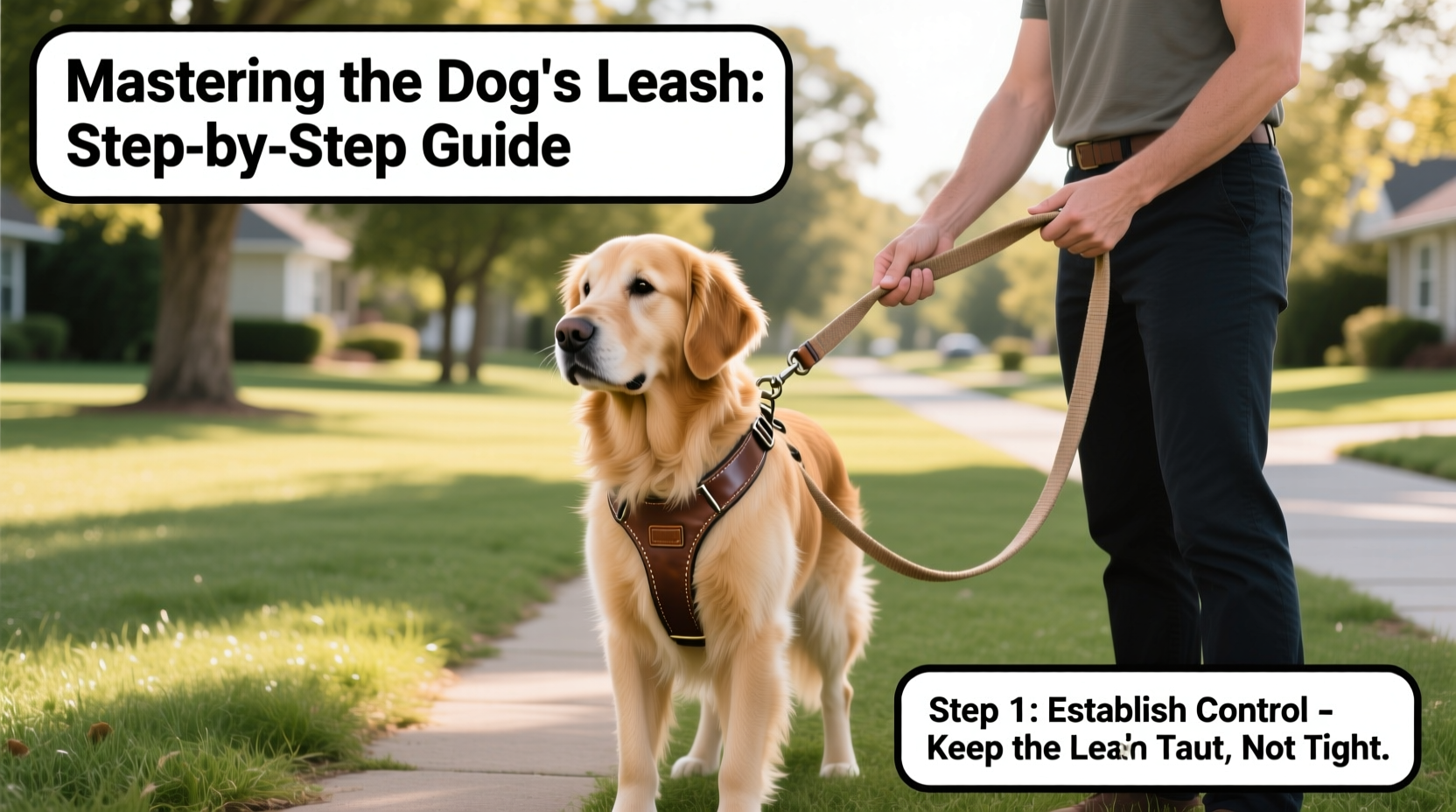
A dog mouth leash is not a standalone restraint but often part of a broader harness or muzzle system designed to give handlers more control during high-distraction or high-stress situations. It's commonly mistaken for a corrective device, but its real value lies in prevention and communication. The most effective mouth leashes are made from soft, adjustable nylon or biothane, attaching either to a basket muzzle or integrated head halter.
There are three primary configurations:
- Head halters – These loop behind the neck and over the snout, redirecting the dog’s head gently when tension is applied. Examples include the Gentle Leader and Halti.
- Basket muzzles with leash attachments – Allow panting and drinking while preventing biting; ideal for dogs with reactivity issues.
- Training lip leads – Rare and specialized, used in certain herding or protection sports under expert supervision.
The Step-by-Step Training Process
Introducing any new equipment requires a methodical approach. Rushing leads to fear-based resistance. Follow this timeline to ensure your dog associates the mouth leash with safety and rewards.
- Day 1–3: Positive Association
Let the dog sniff and explore the gear. Pair its presence with treats, praise, or play. No pressure or fastening at this stage. - Day 4–6: Touch and Fasten Briefly
Gently touch the muzzle or halter to the dog’s face. Click or mark the moment contact is accepted, then reward. Fasten for 5–10 seconds while feeding continuous treats. - Day 7–10: Short Wearing Sessions
Increase wear time to 1–2 minutes. Practice in low-distraction environments. Move around slightly while the dog wears it, rewarding calm behavior. - Week 3: Attach Leash and Practice Walking
Begin leading with light guidance. Use the leash to gently turn the dog’s head toward you when distractions arise, not to yank or correct. - Week 4+: Real-World Exposure
Gradually introduce controlled outdoor settings—quiet sidewalks, empty parks. Monitor body language closely for signs of stress.
Do’s and Don’ts: A Trainer’s Checklist
| Action | Do | Don't |
|---|---|---|
| Introduction | Pair with high-value treats and calm praise | Rush the process or force the fit |
| Fitting | Ensure two fingers fit behind the neck strap; allow full jaw movement | Use a tight or rigid design that restricts panting |
| Walking | Use gentle redirection; reward attention | Pull harshly or use it as punishment |
| Duration | Limited to training or necessary situations | Leave on unsupervised or for hours at a time |
| Maintenance | Clean regularly and inspect for wear | Ignore frayed straps or broken clips |
Real Example: Transforming Reactive Behavior
Meet Luna, a 2-year-old German Shepherd adopted from a shelter with a history of lunging at cyclists and other dogs. Her owner, Mark, tried standard collars and retractable leashes, but Luna would brace and pull with alarming force, risking injury.
After consulting a certified trainer, Mark introduced a basket muzzle with a front-clip head halter attachment. For two weeks, he practiced at home, rewarding Luna every time she allowed the gear near her face. By week three, she wore it calmly during backyard walks. On day 22, they walked past a cyclist—Luna tensed, but the halter allowed Mark to gently turn her head and cue a sit. He rewarded her immediately.
Within six weeks, Luna walked through busy trails with minimal reaction. The mouth leash didn’t suppress her instincts—it gave Mark a humane way to guide her while reinforcing better choices. Most importantly, Luna never associated the gear with fear because it was always paired with safety and treats.
“Control isn’t about dominance—it’s about creating clear, predictable outcomes. A well-fitted head halter can reduce stress for both dog and owner when introduced with empathy.” — Dr. Rebecca Torres, Certified Veterinary Behaviorist
Common Mistakes and How to Avoid Them
Even experienced handlers make errors when integrating new tools. Awareness prevents setbacks.
- Mistake: Using the mouth leash as a correction tool
Yanking or jerking defeats the purpose. These devices are for guidance, not punishment. - Mistake: Skipping desensitization
Dogs aren’t born accepting novel objects on their face. Without proper introduction, even confident dogs may resist. - Mistake: Poor fit
A loose halter slips off; a tight one causes sores. Measure your dog’s snout and neck before purchasing. - Mistake: Overuse
Leaving the gear on for extended periods leads to irritation and negative associations.
Frequently Asked Questions
Is a mouth leash cruel or harmful to dogs?
Not when used appropriately. Devices like head halters and basket muzzles are designed to enhance safety and communication. Pain or distress usually results from improper fit, rushed training, or misuse—not the tool itself.
Can my dog eat and drink while wearing a mouth leash?
It depends on the type. Basket muzzles allow full jaw movement, so eating and drinking are possible. Traditional head halters may restrict wide mouth opening. Always test in a safe setting before relying on it outdoors.
How long does it take to train a dog to accept a mouth leash?
Most dogs adapt within 2–4 weeks using positive reinforcement. Highly anxious or undersocialized dogs may need up to eight weeks. Patience and consistency are key.
Conclusion: Building Trust Through Technique
Mastering the dog mouth leash isn’t about achieving mechanical control—it’s about fostering cooperation. When dogs understand that the gear predicts good things, they relax and engage. The result is safer walks, reduced anxiety, and stronger bonds. Whether you're managing reactivity, preparing for public access, or supporting a fearful dog, this tool—when used with care—can transform daily routines.
💬 Have experience using a mouth leash or head halter? Share your story or tip in the comments—your insight could help another dog owner find peace on the walk.








