
Walking your dog off leash in an open field, watching them explore freely while still responding instantly to your call—this is the dream many dog owners strive for. But achieving a truly reliable recall isn’t about luck or innate obedience; it’s the result of structured training, consistent reinforcement, and deep mutual trust. A strong off leash recall doesn’t just offer convenience—it can be life-saving in unpredictable situations. Whether you're working with a high-energy herding breed or a distractible rescue dog, building a dependable \"come\" command requires more than repetition. It demands strategy, timing, and emotional intelligence from both handler and dog.
The Foundation: Why Recall Training Matters
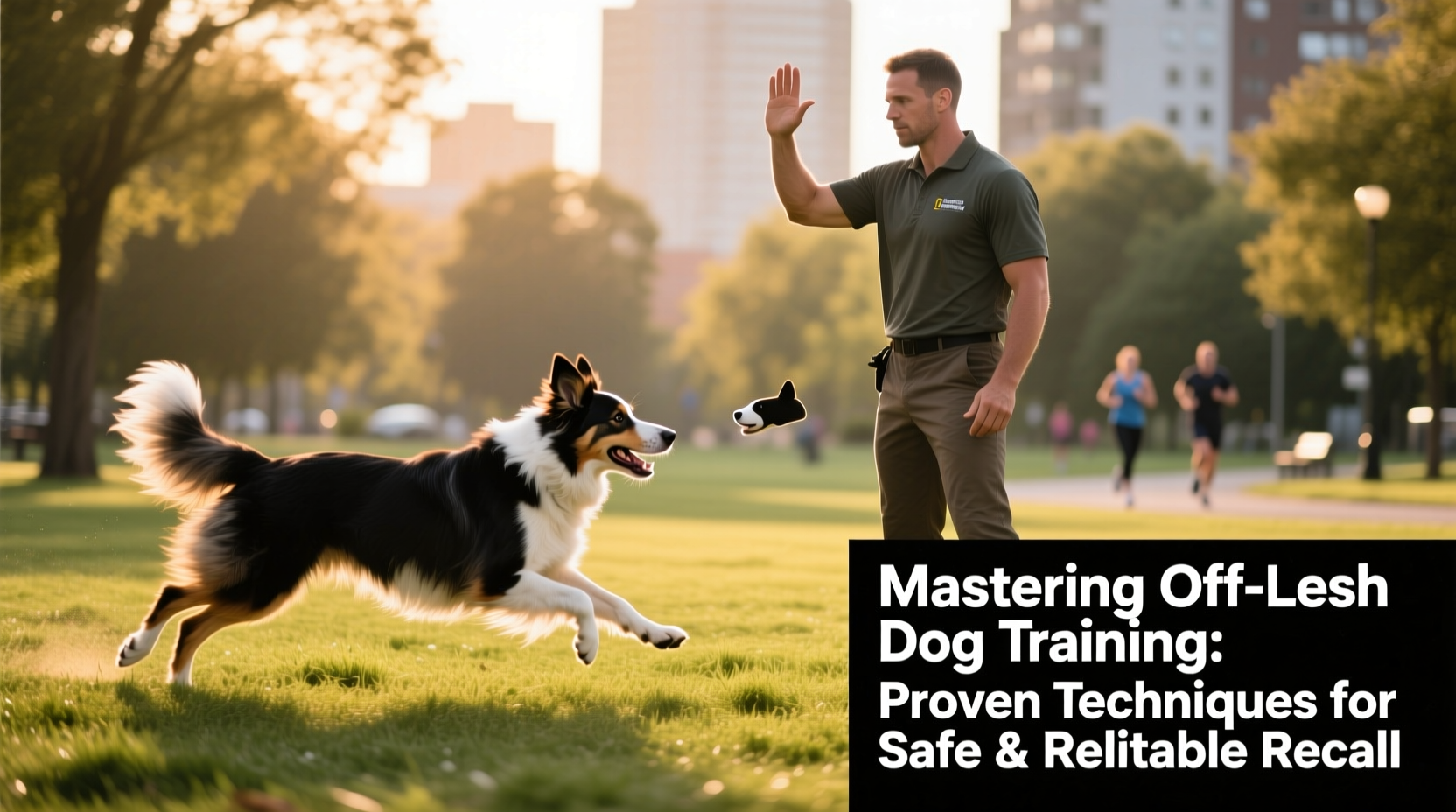
Off leash freedom is one of the greatest gifts you can give your dog, but it must be earned through training. Without a solid recall, every park visit, trail walk, or backyard play session carries risk. A dog that ignores the \"come\" command may run into traffic, confront wildlife, or become lost. According to the American Veterinary Society of Animal Behavior, dogs with poor recall are significantly more likely to experience traumatic incidents or end up in shelters.
Effective recall training goes beyond basic obedience. It creates a conditioned response—where your dog chooses to return to you even when distractions are intense. This choice stems from positive reinforcement, clarity, and confidence in your leadership. The goal isn't just compliance, but cooperation rooted in trust.
“Reliability in recall comes not from fear of punishment, but from the joy of reconnection.” — Dr. Karen Overall, Veterinary Behavioral Medicine Specialist
Step-by-Step Guide to Building a Reliable Recall
Developing a bulletproof recall follows a progressive path. Rushing ahead too quickly leads to setbacks. Follow this timeline to build a foundation that holds under real-world pressure.
- Start in a low-distraction environment: Begin indoors or in a fenced yard. Use high-value treats (like boiled chicken or cheese) to reward your dog immediately upon coming to you.
- Use a consistent cue: Choose one word—“Come” or “Here”—and use it every time. Avoid calling your dog for unpleasant tasks (e.g., ending play or administering medication), as this weakens the association.
- Add movement and excitement: Run backward a few steps while calling. Dogs naturally chase motion, making this a powerful lure.
- Practice short recalls with increasing distance: Gradually increase the space between you and your dog, always ensuring success before progressing.
- Introduce mild distractions: Practice near toys, other people, or familiar dogs. Reward heavily for choosing you over the distraction.
- Test in open spaces: Only after consistent success in controlled settings should you attempt off leash work in parks or trails—with a long line (15–30 feet) as a safety backup.
- Maintain lifelong reinforcement: Even well-trained dogs need periodic refreshers. Continue rewarding unexpectedly to keep the behavior strong.
Common Pitfalls and How to Avoid Them
Many recall attempts fail not because of the dog’s nature, but due to human error. Recognizing these mistakes early can prevent long-term setbacks.
| Pitfall | Why It Fails | Solution |
|---|---|---|
| Calling repeatedly without response | Dog learns the first few calls are optional | Go to the dog instead; never allow ignored commands to become routine |
| Using the same tone every time | Becomes background noise; lacks urgency or positivity | Vary tone—playful for games, firm for danger—but stay consistent in meaning |
| Only calling to end fun | Dog associates recall with loss of freedom | Call and reward, then release back to play occasionally |
| Expecting perfection too soon | Real-world distractions overwhelm unprepared dogs | Use a long line during transition phases to ensure safety and reinforce learning |
Real Example: Transforming a Distractible Border Collie
Milo, a three-year-old Border Collie, loved chasing squirrels and would routinely ignore his owner’s calls at the park. His owner, Sarah, had been repeating “Milo, come!” up to ten times, often yelling in frustration. When Milo finally returned, she’d scold him, unintentionally teaching him that coming back led to negativity.
Working with a certified trainer, Sarah changed her approach. She began practicing recall in her backyard using roast beef treats and a happy, high-pitched voice. When Milo responded, she rewarded generously and let him go back to sniffing. Over two weeks, she gradually moved sessions to quieter areas of the park, using a 20-foot line for safety. If Milo didn’t respond, she ran backward, clapping her hands. After four weeks of consistent practice, Milo began turning toward her at the sound of his name—even when spotting a squirrel. The key was pairing recall with reward, not restriction.
Essential Tools and Techniques for Success
Certain methods accelerate learning and help maintain reliability across environments.
- The Premack Principle: Allow your dog to continue a desired activity (like playing with another dog) *after* they come when called. This reinforces that compliance leads to more fun, not less.
- Variable Reinforcement: Once the behavior is solid, switch from rewarding every time to occasional rewards. This mimics real-life unpredictability and strengthens persistence.
- Long Line Training: A 15–30 foot leash allows freedom while maintaining control. Use it to gently guide your dog back if they don’t respond, then reward when they do.
- Distraction Laddering: Systematically expose your dog to increasing levels of distraction—first a toy on the ground, then a person walking by, then another dog at a distance—only advancing when they succeed consistently.
Recall Training Checklist
Use this checklist to ensure you’re covering all critical aspects of off leash recall training:
- ✅ Chose a single, consistent recall cue
- ✅ Started training in a distraction-free environment
- ✅ Used high-value rewards (treats, toys, praise)
- ✅ Practiced at least 5–10 short sessions per week
- ✅ Never punished the dog after a recall
- ✅ Introduced distractions gradually
- ✅ Used a long line in open areas during training
- ✅ Mixed in surprise rewards to maintain enthusiasm
- ✅ Avoided calling the dog to end fun activities
- ✅ Revisited basics periodically, even after mastery
Frequently Asked Questions
What if my dog ignores me when off leash?
If your dog doesn’t respond, avoid repeating the command. Instead, go to them or use a long line to gently guide them back. Repeating the cue without enforcement teaches disobedience. Focus on rebuilding reliability in lower-distraction settings before returning to open areas.
Can older dogs learn a reliable recall?
Absolutely. While puppies absorb training quickly, adult dogs can learn new behaviors at any age. Older dogs may require more patience and consistency, especially if past experiences have weakened trust. Positive reinforcement remains the most effective method regardless of age.
Should I use an electronic collar for recall?
Most professional trainers discourage reliance on e-collars for recall. They can damage trust and create fear-based compliance rather than willing cooperation. If used at all, they should only be part of a broader program under the guidance of a qualified professional—and never as a primary teaching tool.
Conclusion: Freedom Built on Trust
A reliable off leash recall isn’t achieved overnight, but every small success builds toward a deeper bond and greater freedom. It reflects not just training skill, but empathy—understanding what motivates your dog and meeting them where they are. With patience, consistency, and positive reinforcement, you can cultivate a response so instinctive that your dog turns toward you even in the midst of temptation.
🚀 Start today: Dedicate five minutes each day to focused recall practice. Celebrate every return, no matter how long it takes. Your dog is listening—now show them why coming back to you is always the best choice.








