Walking your dog should be a peaceful ritual—a shared moment of connection, exercise, and mental stimulation. Yet for many pet owners, it turns into a daily tug-of-war, with dogs lunging at squirrels, barking at strangers, or dragging their humans down the sidewalk. The good news is that calm, confident leash walking isn’t reserved for well-trained show dogs. With consistency, patience, and the right techniques, any dog can learn to walk politely beside you.
Leash training goes beyond obedience; it builds trust, reinforces leadership, and enhances safety. Whether you’re working with an energetic puppy or a rescue dog with reactivity issues, mastering leash skills starts with understanding canine behavior and applying humane, effective methods.
The Foundation: Understanding Why Dogs Pull
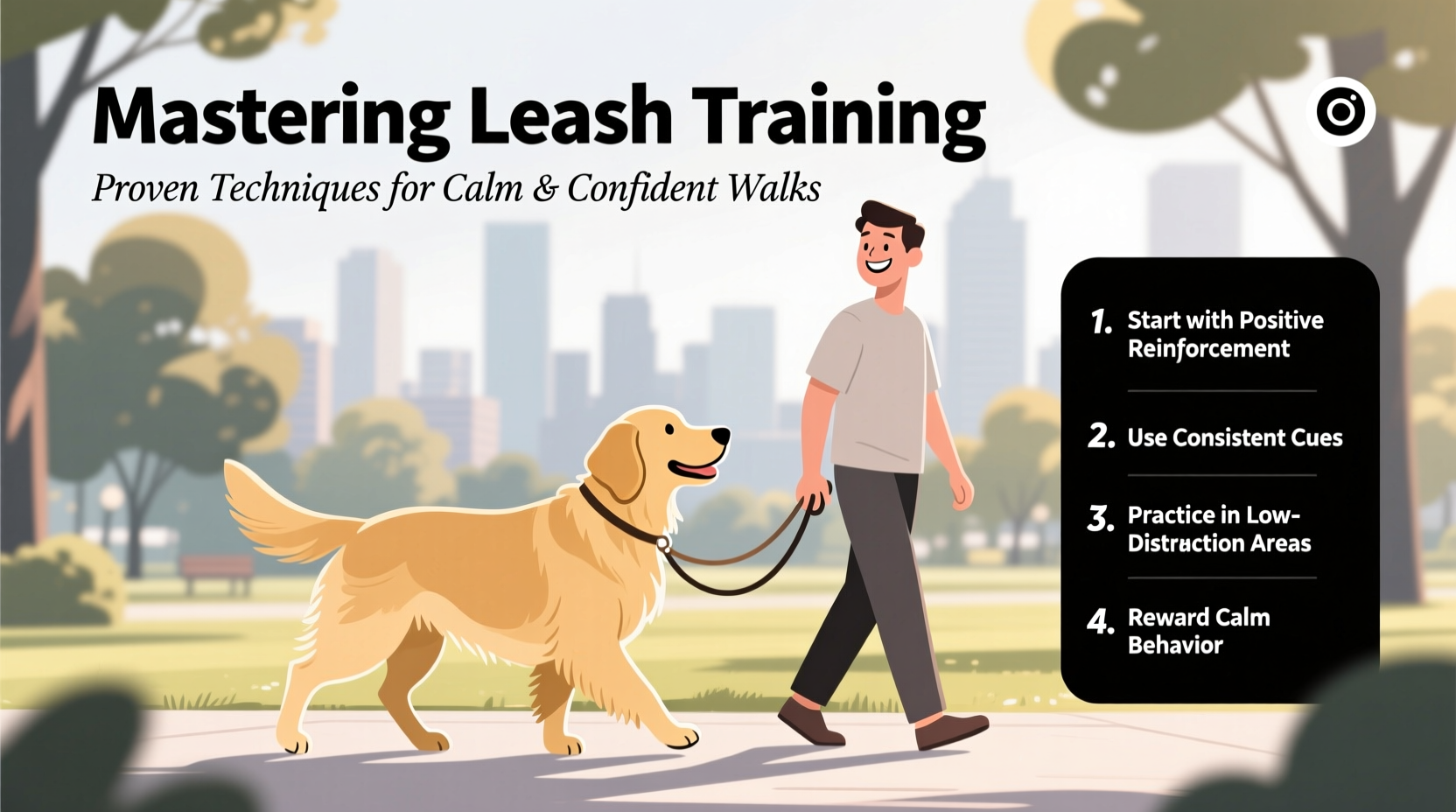
Dogs don’t pull on the leash out of defiance—they pull because they’ve learned that pulling works. When a dog moves forward while the leash is taut, they get what they want: proximity to a scent, another dog, or a squirrel in a tree. From their perspective, tension equals progress. Without proper guidance, this behavior becomes self-reinforcing.
Additionally, excitement, fear, or lack of focus can contribute to leash reactivity. A dog who feels anxious around traffic may lunge away from it, while an overstimulated dog might bark at every passerby. Addressing these root causes is essential before expecting consistent leash manners.
Tip: Never punish your dog for pulling—this increases anxiety and damages trust. Instead, redirect and reward desired behaviors.Step-by-Step Guide to Loose-Leash Walking
Teaching your dog to walk on a loose leash requires breaking the process into small, manageable steps. Start in a low-distraction environment like your backyard or a quiet street early in the morning.
- Begin with attention. Before stepping forward, ask your dog to sit and make eye contact. Use a cue like “Ready?” to signal the start of the walk.
- Take three steps and stop. If the leash remains slack, mark the behavior with a “Yes!” or clicker and treat. If your dog pulls ahead, stop immediately and wait for the leash to loosen—even if it means stepping back.
- Change direction frequently. Randomly turn 180 degrees and walk the other way. This teaches your dog to stay attentive and follow your lead.
- Incorporate treats into motion. Hold treats near your thigh and reward your dog for staying in position as you walk. Gradually reduce treat frequency as reliability improves.
- Practice duration and distractions. Once your dog masters short walks, increase distance and introduce mild distractions like parked cars or distant people.
This method uses positive reinforcement to shape desired behavior. Over time, your dog learns that walking beside you—not ahead—is the fastest way to move forward.
Essential Tools and Equipment
Using the right gear can significantly improve your leash training success. Not all collars and harnesses are created equal, and some may even encourage pulling.
| Equipment | Best For | Caution |
|---|---|---|
| Front-clip harness (e.g., Freedom Harness) | Dogs who pull strongly | Avoid back-clip harnesses, which can encourage pulling |
| Head halter (e.g., Gentle Leader) | Dogs with high reactivity or strong prey drive | Must be fitted properly; not suitable for brachycephalic breeds |
| Standard flat collar | Well-trained dogs with mild pulling | Not recommended for dogs with tracheal sensitivity |
| 6-foot nylon or biothane leash | Precision training and control | Avoid retractable leashes—they teach inconsistent boundaries |
“Consistency in equipment and cues is just as important as consistency in training. A predictable routine helps dogs feel secure and understand expectations.” — Dr. Karen Becker, DVM, Canine Behavior Specialist
Common Challenges and How to Overcome Them
Even with structured training, setbacks happen. Here’s how to address frequent issues:
- Lunging at other dogs: Increase distance from triggers. Reward calm behavior before your dog reacts. Use the “Look at That” game—mark and treat when your dog notices another dog but stays focused on you.
- Whining or refusing to walk: Your dog may feel uncertain. Check for physical discomfort or fear. Make the environment more inviting with treats and encouragement. Avoid forcing movement.
- Excitement at the door: Practice “door zen”—ask your dog to sit and wait until the leash is on and you give a release cue. Repeat until they remain calm.
Mini Case Study: Transforming Max, the Reactive Rescue
Max, a 2-year-old Australian Shepherd mix, was adopted from a shelter with a history of fear-based reactivity. On walks, he would bark and lunge at cyclists and delivery trucks, making outings stressful for his owner, Lisa.
She began by switching to a front-clip harness and started training in her driveway. Using high-value treats (chicken and cheese), she taught Max to look at her when he heard a bike bell. She gradually increased exposure, always keeping him below his reaction threshold. Within six weeks, Max could walk past a stationary bike without reacting. By week ten, he tolerated slow-moving cyclists at a distance, earning treats for calm glances toward Lisa instead of the trigger.
The key was patience and precise timing—rewarding the first sign of attention, not waiting for perfect behavior. Today, Max walks confidently through his neighborhood, pausing only to sniff and check in with his owner.
Checklist: Building a Calm Leash Walker
Use this checklist to track your progress and ensure you’re covering all essentials:
- ✅ Choose the right equipment for your dog’s size and behavior
- ✅ Train in low-distraction environments first
- ✅ Use high-value treats during initial learning phases
- ✅ Practice attention cues (“Watch me”) before and during walks
- ✅ Stop and reset when the leash tightens—never reinforce pulling
- ✅ Incorporate frequent changes in direction to maintain focus
- ✅ Gradually increase difficulty: longer walks, busier areas, moving stimuli
- ✅ End each session positively, even if progress feels small
Frequently Asked Questions
How long does it take to leash train a dog?
Most dogs begin showing improvement within 2–4 weeks of consistent daily practice. However, full reliability—especially in high-distraction environments—can take several months. Rescue dogs or those with trauma histories may require longer, individualized training.
Can older dogs learn loose-leash walking?
Absolutely. While puppies are easier to shape from the start, adult dogs are fully capable of learning new behaviors. The key is consistency, clear communication, and using motivation that matters to your dog, such as food, toys, or praise.
Should I use treats forever?
No—but you should phase them out strategically. Begin by rewarding every few steps, then shift to variable reinforcement (random rewards). Eventually, your dog will work for occasional surprises rather than constant treats. Real-life rewards, like “Go sniff!” after a period of good walking, also reinforce cooperation.
Conclusion: Walk with Confidence, Together
Mastery of leash training isn’t about control—it’s about collaboration. When your dog walks calmly by your side, it reflects a deepening bond built on clarity, trust, and mutual respect. Every pause, turn, and treat is a conversation, shaping a shared language between you and your companion.
Start where you are. Use the tools and techniques that fit your dog’s personality. Celebrate small victories: the first time your dog checks in without prompting, the first block walked without pulling, the first calm pass-by of a triggering stimulus. These moments add up.
🚀 Ready to transform your walks? Pick one technique from this guide and practice it today. Share your progress in the comments—your journey could inspire another dog owner to keep going.








